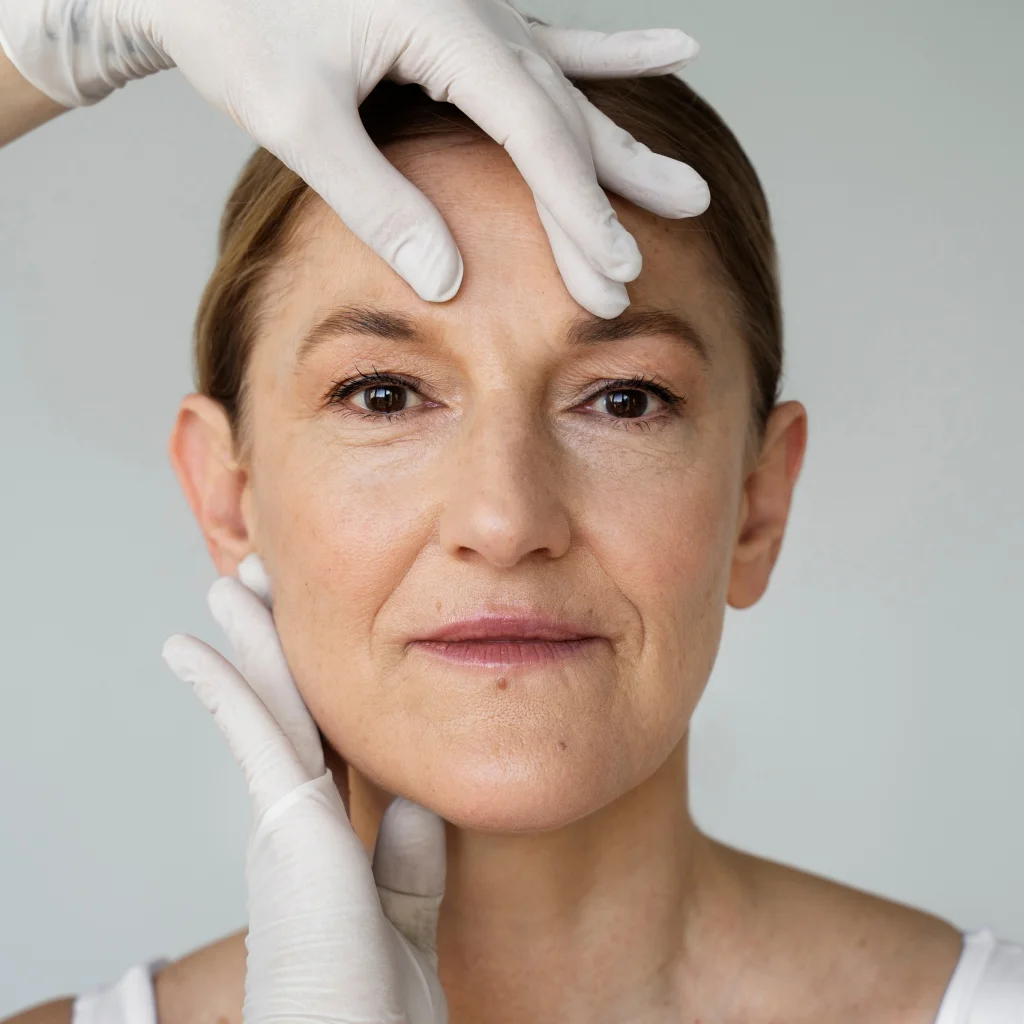
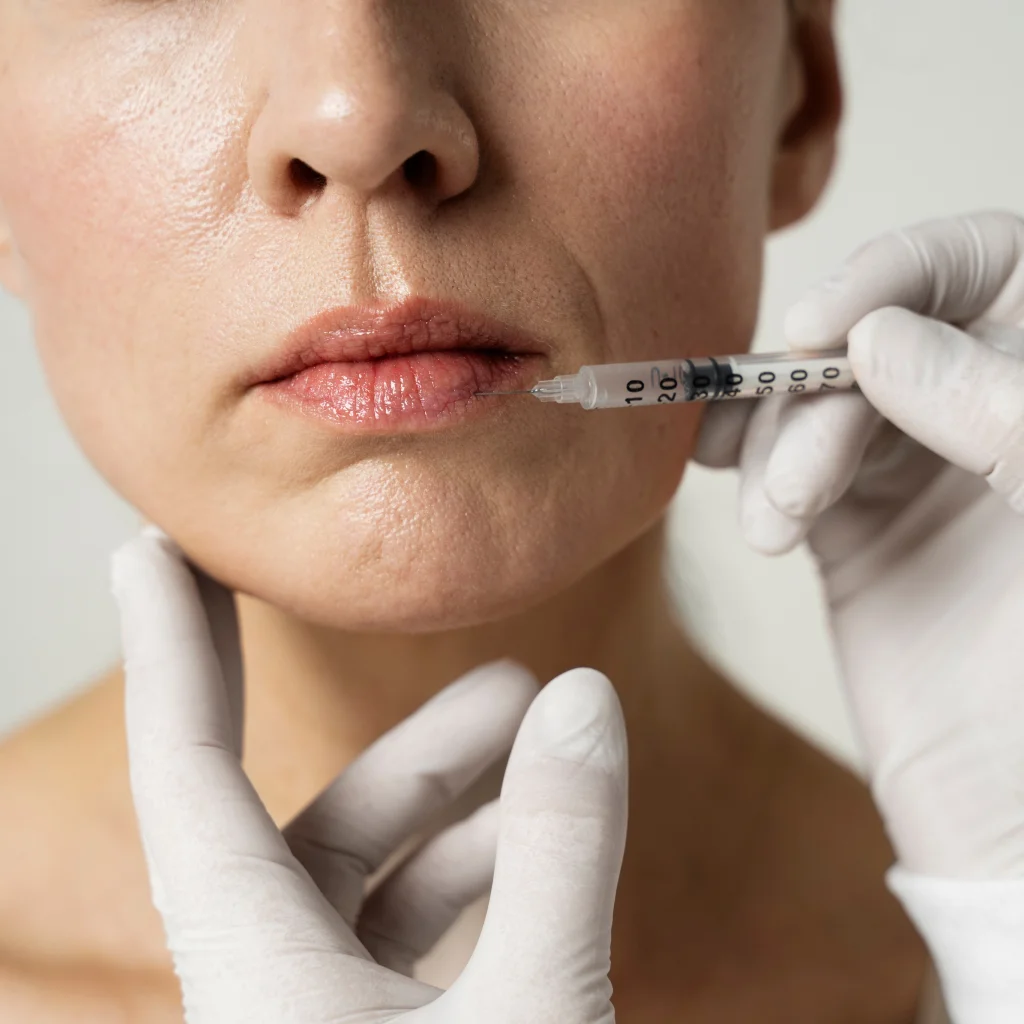
Why Treatment Planning Matters More Than Ever As GLP-1 medications such as Ozempic®, Wegovy®, and Mounjaro® continue to reshape Medical Weight Loss Program, aesthetic providers are beginning to notice important changes in facial treatment planning. Rapid or ongoing weight loss may affect facial volume, skin support, and overall facial balance — which means Dermal Fillers …


Why Treatment Planning Matters More Than Ever
As GLP-1 medications such as Ozempic®, Wegovy®, and Mounjaro® continue to reshape Medical Weight Loss Program, aesthetic providers are beginning to notice important changes in facial treatment planning.
Rapid or ongoing weight loss may affect facial volume, skin support, and overall facial balance — which means Dermal Fillers often require a more conservative, staged approach.
Why Facial Structure Changes During Weight Loss
During active weight loss, facial fat compartments and soft tissue support may continue changing over time.
This means that even well-placed filler may appear different as the “foundation” beneath the face continues shifting throughout the weight loss journey.
Why Overfilling Can Become a Concern
Because facial volume may continue changing during GLP-1–associated weight loss, many practitioners prefer:
- conservative filler placement
- gradual treatment planning
- biostimulatory approaches
- staged correction over time
rather than aggressive volume replacement too early in the process.
Why Biostimulation Is Becoming More Relevant
In some patients, biostimulatory treatments such as Sculptra® or Radiesse® may be considered as part of a longer-term collagen-support strategy depending on facial anatomy, skin quality, and treatment goals.
Treatment recommendations should always be individualized based on the patient’s weight loss stage, facial changes, and overall aesthetic plan.
Key Takeaway
It’s not necessarily that filler disappears faster during weight loss — it’s that facial structure and soft tissue support may still be evolving underneath it.
And that can significantly influence how aesthetic treatment plans are approached during active medical weight loss.
Personalized Aesthetic Planning During Weight Loss
Facial changes during active weight loss can affect volume, skin support, and overall facial balance over time. A personalized consultation can help determine the most appropriate treatment approach based on your goals, facial anatomy, and stage of weight loss.