Skin guides
Your face after significant weight loss
Losing weight quickly takes volume from the face before almost anywhere else. Here is why that happens, what genuinely helps, and the order things should be done in.
 Alex Dinovich, FNP-PHCClinically reviewed
Losing a significant amount of weight is good for almost everything, and it does something to the face that nobody warns people about. It is one of the more common reasons people arrive here, usually apologetically, having achieved something they are proud of and being unsettled by what it did above the neck.
The face empties before the body does, and there is a reason for that
Facial fat is not one layer. It sits in defined compartments across the mid-face, the temples and around the mouth, and those compartments are part of what gives a face its structure and the way light falls across it. They are also metabolically active, which means they respond early to a calorie deficit.
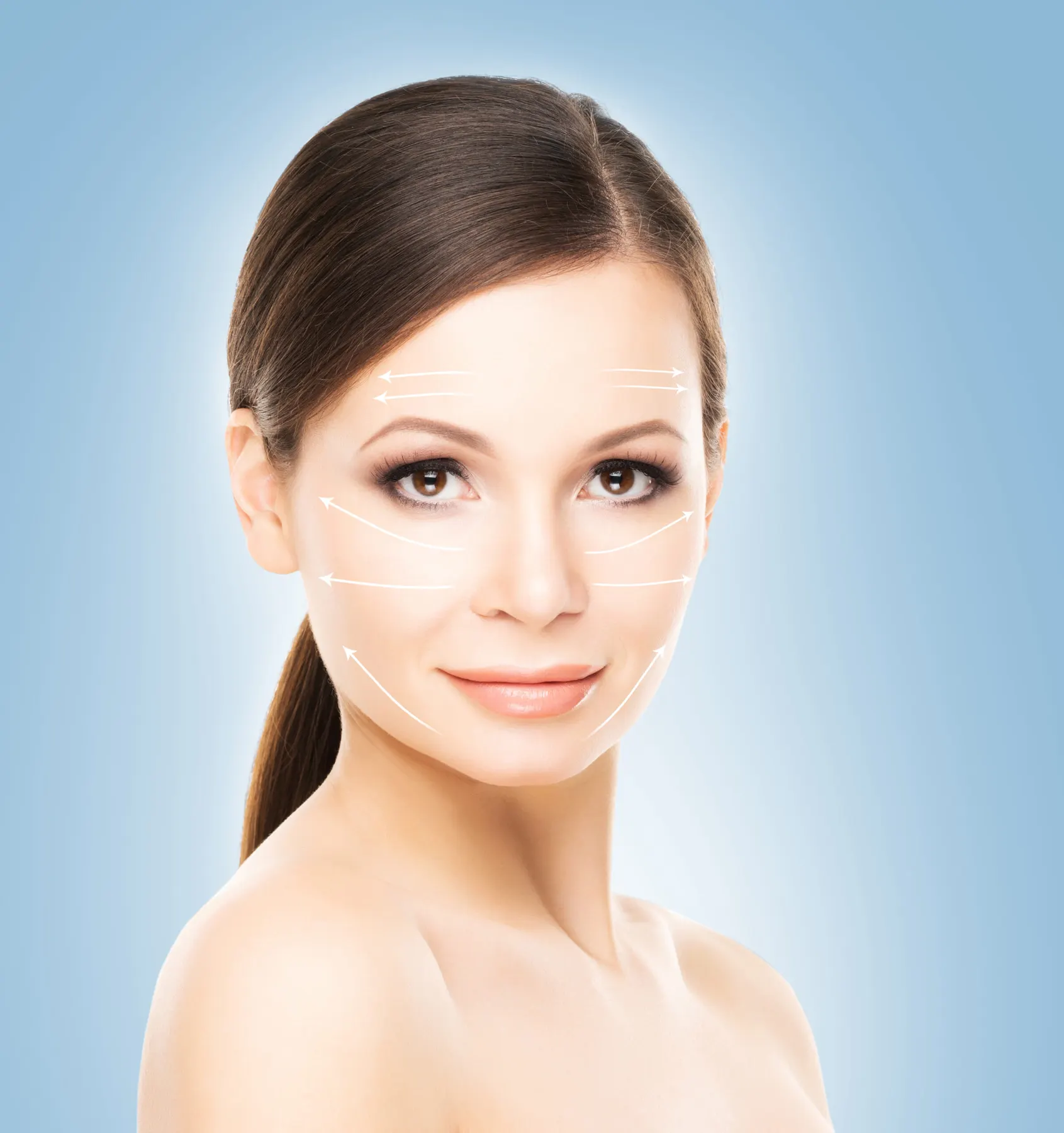
So the face frequently changes before the parts of the body somebody was actually trying to change. Temples hollow, cheeks flatten, the folds between the nose and mouth deepen, and the jawline softens rather than sharpens, which is the opposite of what most people expected.
Three separate problems, and they need different answers
This is the part that matters most, and it is where a lot of money gets spent badly. What people describe as “my face after weight loss” is usually some combination of three distinct things.
Lost volume is an absence of structure. Laxity is skin that no longer retracts onto the structure that is left. Skin quality, meaning thinning, crepiness and dullness, is a change in the tissue itself. Filler addresses the first and does nothing for the other two. Energy-based tightening addresses the second. Collagen stimulation and skin quality treatments address the third.
Treating the wrong one is how people end up looking heavier without looking better. Adding volume to a face whose real problem is laxity puts weight onto skin that is already struggling to hold what it has.
Wait until your weight is stable, and that advice is worth money
The single most useful thing we tell people in this position is to wait. A face that is still changing is a moving target. Volume placed at one weight can read as too much at a lower one, and treating in the middle of an active loss usually means paying twice.
Waiting also lets natural settling happen. Some of what looks alarming at the sharp end of weight loss softens over the following months as things stabilise. What will not resolve on its own is skin that has been stretched for years, because recoil is limited and it reduces with age.
The exception is skin quality. Working on the tissue itself is useful at any stage and does not depend on your weight settling.
Why collagen stimulation often suits this better than filler
For generalised loss across broad areas such as the temples, the mid-face and the cheeks, a collagen-stimulating approach frequently gives a more natural result than filler does, because it rebuilds structure gradually and diffusely rather than placing volume in defined positions.
Filler remains the right tool for a specific, defined change, and its reversibility is a genuine advantage in a face that may still shift. In practice a plan often uses both, staged, with the diffuse work first and the definition afterwards.
Skin that has been stretched for years is a different conversation
There is a limit to what any non-surgical treatment achieves, and it is honest to say so. Energy-based tightening can improve mild to moderate laxity meaningfully. It does not remove excess skin, and where laxity is significant, surgery is the treatment that addresses it. We will tell you if that is what you are looking at rather than selling you a course of something that will not get you there.
The order we would suggest
Get your weight stable first. Then have an assessment that separates volume, laxity and skin quality rather than treating them as one complaint. Then work from the deepest problem outward, because structure supports everything above it, and skin quality work on top of an unsupported face is decoration.
If you are managing your weight with us, this is a conversation we can have as part of that rather than as a separate appointment. It is also a conversation worth having before you lose the weight rather than after, because knowing that the face changes first makes the change much easier to live with when it happens.
03 · Accountability
Written here.
Checked here.
This guide was written by Bradford Skin Clinic and clinically reviewed by Alex Dinovich, FNP-PHC before it was published.
- Published
- Last updated
- Category
- Skin guides
A guide is general and your face is not. Nothing here replaces an assessment in the room, which is free and happens before anything is booked.

04 · From reading to the treatment room
What this looks
like in practice.
Published prices are starting prices, confirmed at your consultation. Where nothing is published, the dose and the plan decide the price rather than a menu.
- Medical weight loss from $195
- Collagen biostimulators from $795
- Dermal fillers from $600
- Morpheus8 from $499
Every injectable here is placed by a licensed nurse, and every plan is signed off by our Medical Director. The consultation is free and comes before anything is booked.


 Medical weight lossTreatment
  Collagen biostimulatorsTreatment
  Dermal fillersTreatment
 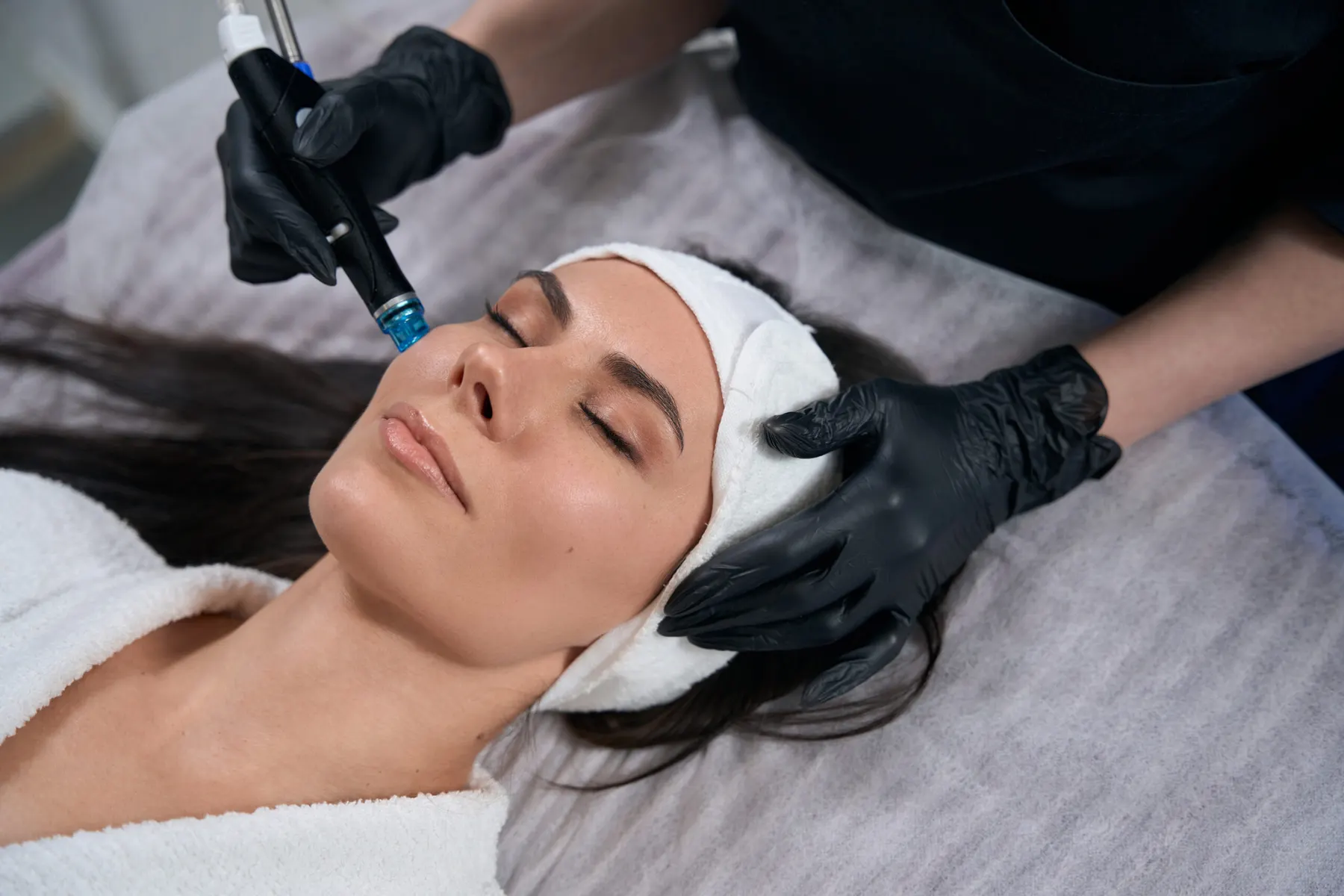 Morpheus8Treatment
  Sunken Cheeks and Volume LossConcern
  Sagging Skin and LaxityConcern
 05 · Who performs these treatments
The people behind
the writing.
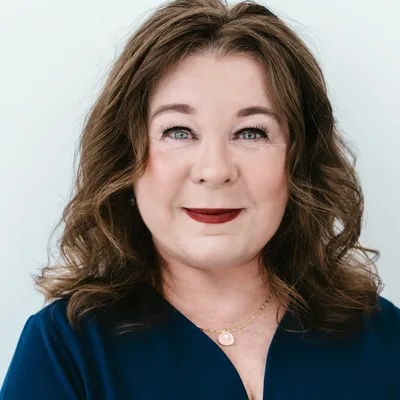
Nobody here injects without a nursing licence. The guides on this site are written by the same people who carry out the treatments they describe.






06 · Asked and answered
The questions
that follow.
Why does my face look older after losing weight?
Facial fat sits in defined compartments that give the face its structure, particularly across the mid-face and temples. When those compartments shrink, light falls differently, folds deepen and the skin that covered them has to go somewhere. It is a structural change rather than the skin itself ageing suddenly.
Will it come back on its own?
Some settling happens over the first several months as weight stabilises, and it is worth waiting for. What does not come back on its own is skin that has been stretched for a long period, because skin recoil is limited and reduces with age.
Should I treat my face while I am still losing weight?
Usually not. A face that is still changing is a moving target, and volume placed at one weight can look wrong at another. The exception is skin quality work, which is useful at any point.
Is this only an issue with weight loss medication?
No. The same thing happens with any rapid or substantial weight loss, including surgical and dietary. It is discussed more now because more people are losing weight quickly, not because the mechanism is new.
Is a filler the answer?
Sometimes, and often not on its own. Diffuse volume loss across broad areas usually responds better to collagen stimulation than to filler, and laxity is a different problem from volume that needs a different tool. Which of the three you have is what the assessment is for.