Laser hair removal
Skin & laser
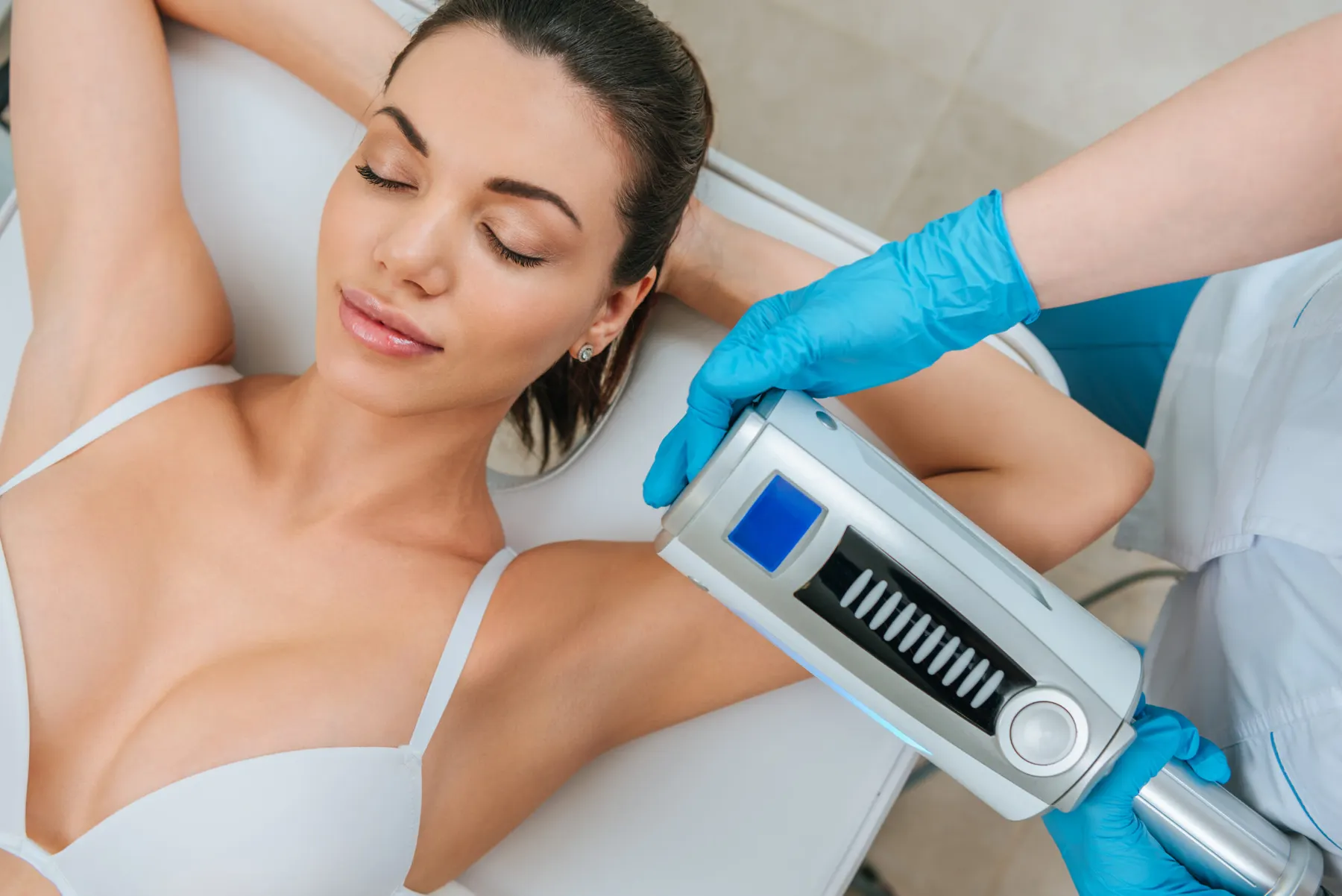
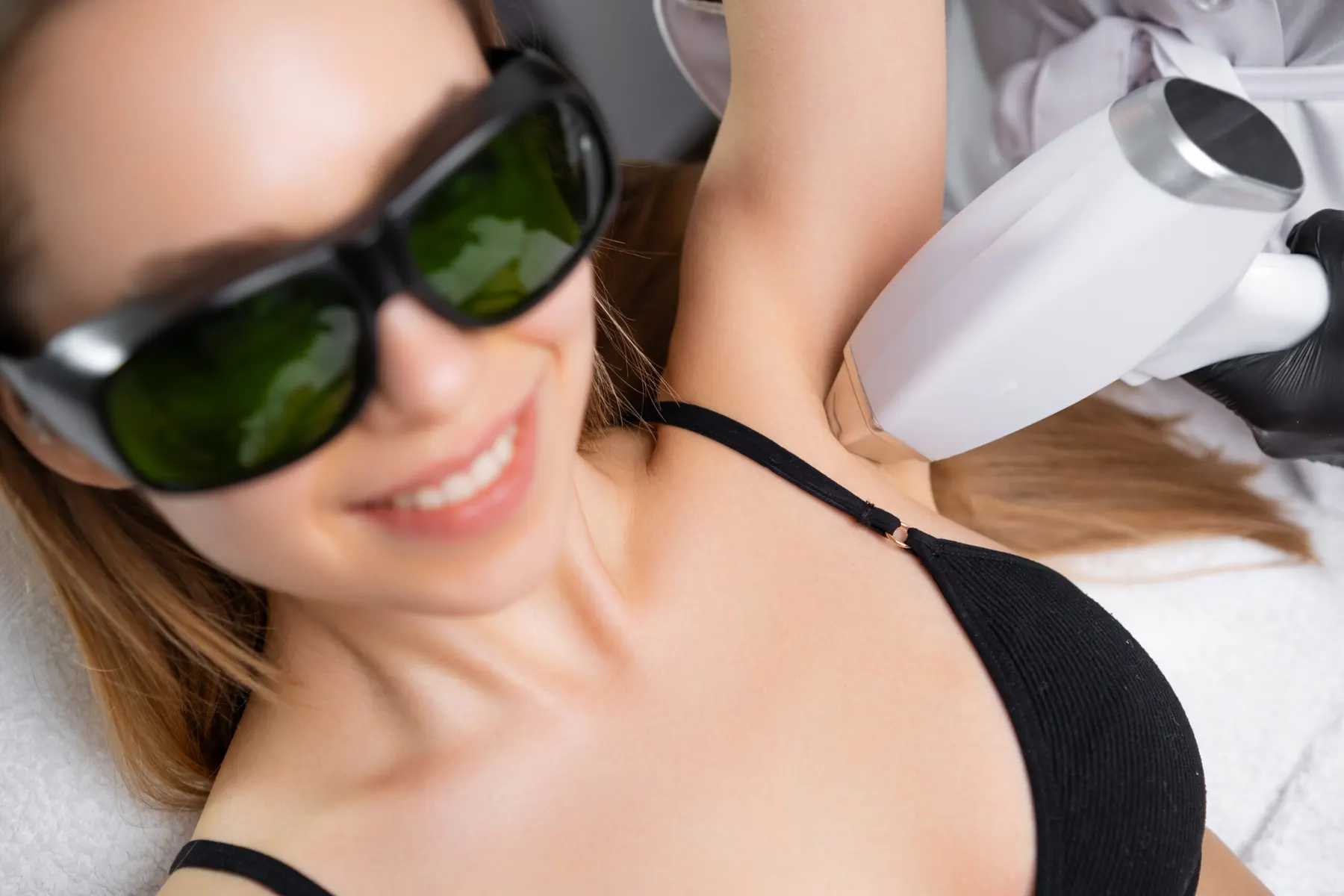
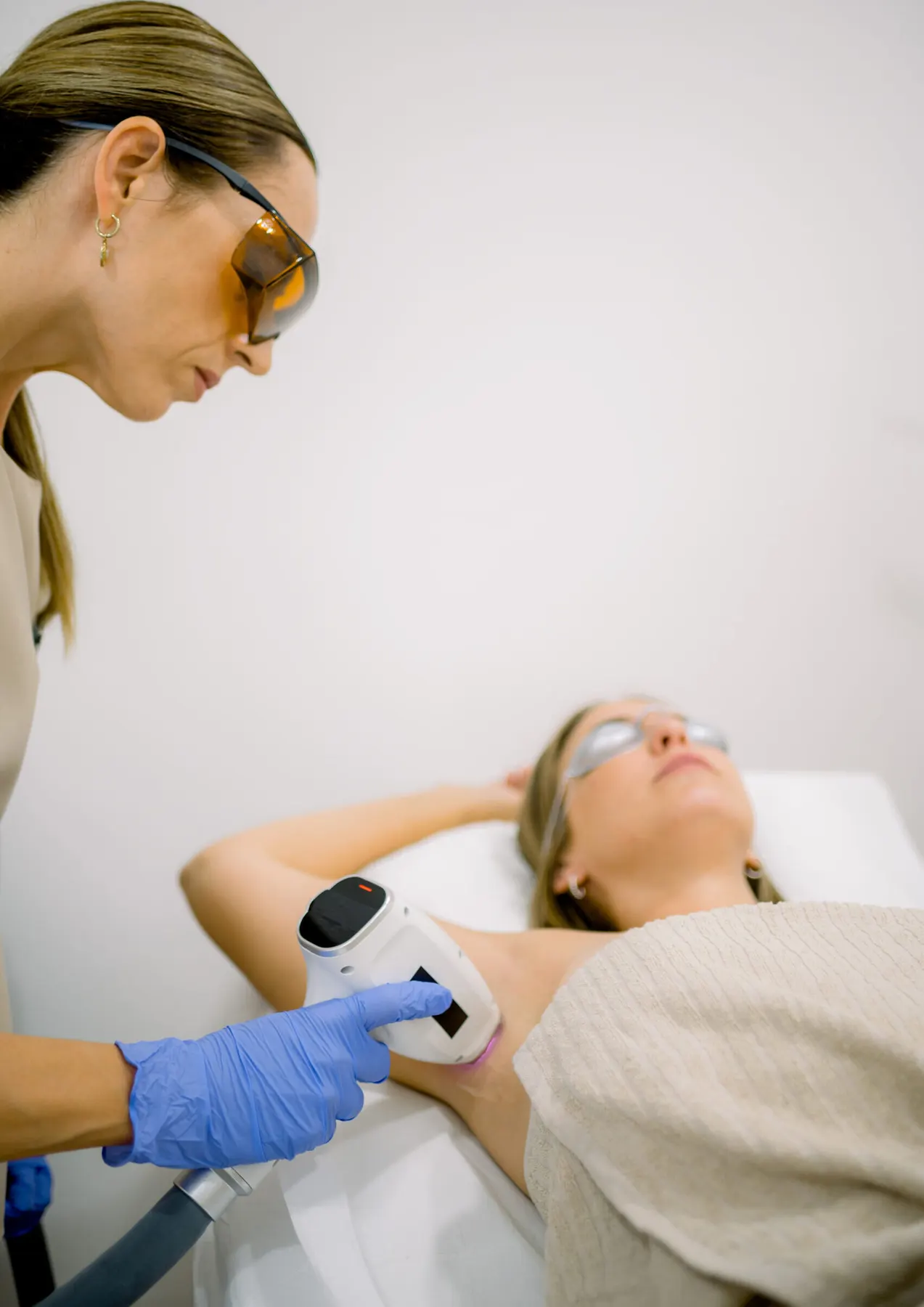
Laser energy absorbed by the pigment in the hair shaft, damaging the follicle at the right point in its growth cycle to reduce regrowth over a course.
from $30 About Laser hair removal →

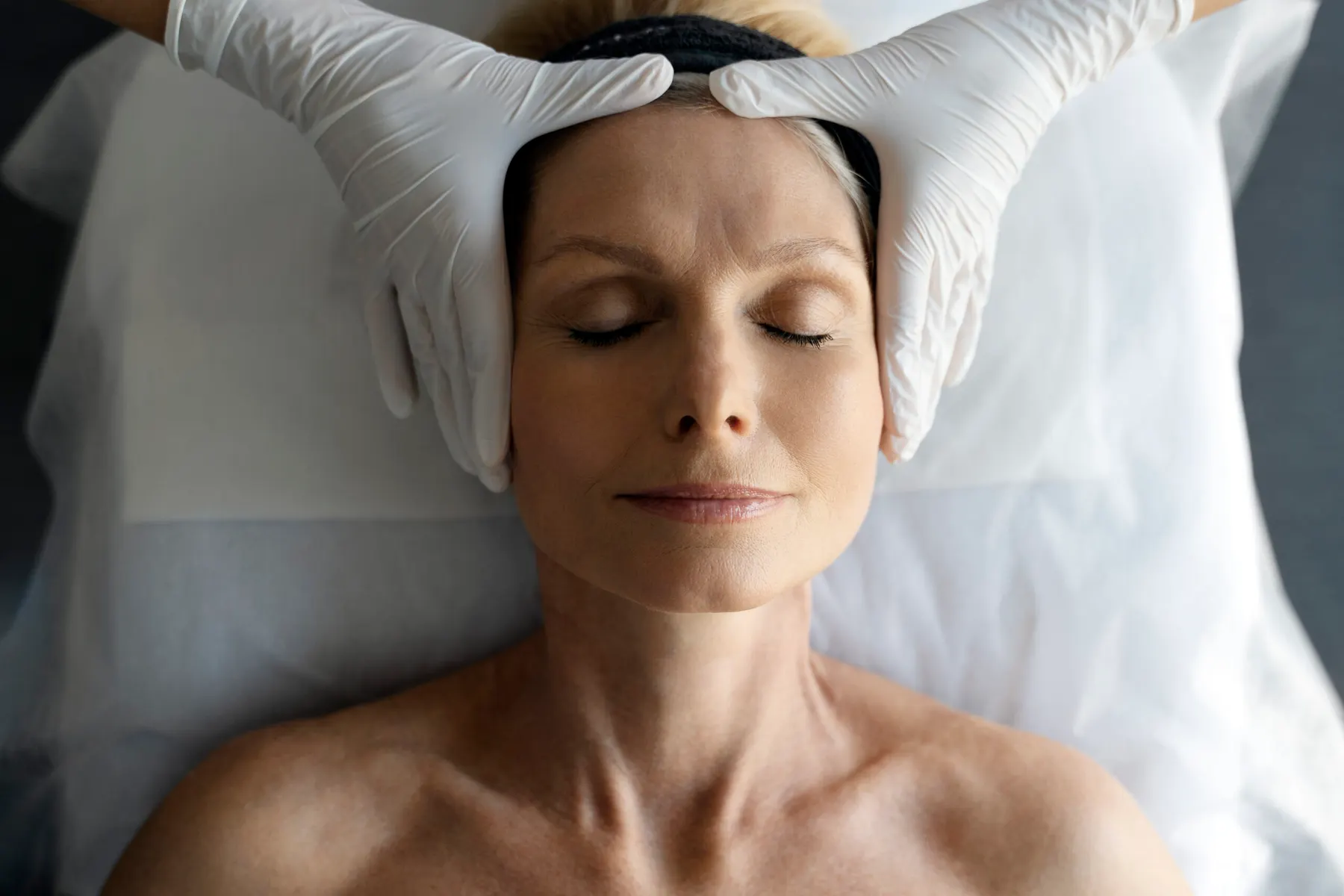
Unwanted Hair is terminal hair growing in a location or quantity a person would rather it did not, driven by genetics and hormones rather than by anything done wrong; laser treatment achieves permanent hair reduction, meaning fewer and finer hairs over time, rather than the permanent removal of every hair.

02 · The honest version
Unwanted facial and body hair, how laser hair removal actually works, and an honest account of what permanent reduction does and does not mean.
Every face is different. This page is the general picture. What is actually happening on your skin is something a nurse should look at up close, in clinic light, before anyone recommends a treatment.
Does it get worse? That depends on the concern and on you. It is a reason to start early, not a reason to panic - and we will tell you plainly where you are rather than where a treatment plan would be easiest to sell.
Before anything else: having hair somewhere you would rather not is not a flaw, a hygiene issue or a medical problem for most people. Hair distribution is determined largely by genetics and hormones, and there is enormous normal variation between individuals and between ethnic backgrounds.
This page is here because removing it by shaving, waxing, plucking and threading is tedious, expensive over a lifetime and often irritating to the skin. That is a perfectly good reason to consider something more permanent. It is not a reason to feel bad about your body.
Every follicle cycles independently through three phases.
Anagen is the active growth phase. The hair is firmly attached, connected to its blood supply and richly pigmented.
Catagen is a short transitional phase in which growth stops and the follicle begins to detach.
Telogen is the resting phase, after which the hair is shed and the follicle eventually restarts.
Laser hair removal works only on follicles in anagen, because those are the ones with enough pigment and enough connection to the base of the follicle for the heat to do lasting damage. Since only a proportion of follicles in any area are in anagen at once, a single session can never treat all of them. That is not a limitation of a particular device or clinic; it is a fact about hair.
It is also why session spacing matters and why turning up when it suits you rather than when your clinician recommends produces worse results.
The laser emits a specific wavelength of light that is absorbed far more strongly by melanin than by surrounding tissue. That absorbed energy becomes heat, which conducts down the pigmented hair shaft to the follicle and the structures at its base, damaging them enough that they cannot produce hair.
Two consequences follow directly from that mechanism, and both are worth understanding before you spend money.
First, the treatment needs pigment in the hair. Light blonde, red, grey and white hair contain little or no melanin, so the laser has almost nothing to target. Results on unpigmented hair are unreliable at best. We do not offer electrolysis, which is the established treatment for unpigmented hair, and we will tell you that rather than take a booking we do not believe in.
Second, pigment in your skin competes with pigment in your hair. In darker skin tones this is a genuine safety consideration, and it is managed with appropriate device selection, conservative settings and test patching rather than ignored.
Health regulators and the professional literature use the term permanent hair reduction deliberately. A completed course of treatment typically leaves an area with substantially fewer hairs, and the hairs that remain are usually finer and lighter. For many people that means the area effectively stops being something they think about.
What it does not mean is a guarantee that no hair will ever grow there again. Hormonal changes can activate previously dormant follicles, and some people benefit from occasional maintenance sessions. We would rather set that expectation now than have you feel misled later.
A gradual, longstanding pattern of hair growth that runs in your family is almost always just your genetics. A noticeable and relatively rapid increase in coarse hair in a male pattern in women, especially alongside irregular menstrual cycles, acne, or other changes, can be associated with underlying hormonal conditions.
We are a nurse-practitioner-led clinic, and if your history points that way, we will raise it with you and recommend proper assessment rather than simply treating the hair and saying nothing.
03 · What we actually offer
These are the ones we use for unwanted hair. Not every face needs all of them, and we will say so. The goal in every case is the same: treat the cause, not the photograph.
Skin & laser
Laser energy absorbed by the pigment in the hair shaft, damaging the follicle at the right point in its growth cycle to reduce regrowth over a course.
Every plan is personalised. Which of these you need, in what order and how often, is decided after a nurse has looked at your skin - not before. We will also tell you when a treatment is wrong for you, and we say it before you book.
04 · What actually happens
If you have been putting this off, this section is for you. A consultation costs you nothing and commits you to nothing - you are allowed to walk out having booked absolutely nothing.
She is the one who answers the phone and the texts, so you will already have spoken to her. No clipboard interrogation in the waiting room.
In clinic light, up close, with your makeup off if you are wearing any. This is the part people dread and it takes about a minute.
When it happens, what you had noticed before it happened, what you have already tried and what made it worse. Bring your current products if it is easy.
What we would do, in what order, and what it costs - including the option of doing nothing yet. If a treatment is wrong for you, we say so here, not after.
Nothing is booked in the room unless you want it booked. No deposit, no pressure, no offer that expires on Friday.
Always so kind and personal. Took the extra time to make sure I was comfortable.
05 · Straight answers
The questions people actually ask us on the phone, answered the way we answer them on the phone.
The accurate term is permanent hair reduction rather than permanent removal. Laser treatment destroys a proportion of the follicles it targets in each session, so hair becomes progressively sparser, finer and lighter, and for many people it stops being an issue. It does not guarantee that every follicle in the area is permanently gone, and some people need occasional maintenance sessions. Any clinic promising total permanent removal is not describing the treatment accurately.
The laser emits a wavelength of light that is preferentially absorbed by melanin, the pigment in the hair shaft. That energy converts to heat, travels down the shaft and damages the follicle and its blood supply at the base. Because only follicles in the active growth phase are properly connected and pigmented at any given moment, multiple sessions are needed to catch different hairs at the right point in their cycle.
Because your hairs are not synchronised. At any moment, only a proportion of the follicles in an area are in the active growth phase, and those are the only ones the laser can effectively destroy. The remainder are resting or transitioning and will not respond. Spacing sessions appropriately allows successive groups of follicles to be caught while they are treatable, which is why treatment is a course rather than an event.
Poorly, and we would rather tell you before you book. Laser hair removal depends on melanin in the hair shaft to absorb the light, so hair with little or no pigment gives the laser almost nothing to target. Very light blonde, red, grey and white hair respond far less predictably, and in some cases not at all. Electrolysis, which we do not offer, is the established option for unpigmented hair.
It can be, with the right device and appropriate settings. The technical challenge is that melanin in the skin competes with melanin in the hair for the laser energy, which raises the risk of burns and pigment change if settings are not chosen correctly. Your clinician will assess your skin type carefully, and a test patch is standard practice. If we do not think treatment is safe for your skin, we will say so.
Shave, do not wax. The laser needs the hair follicle to be intact and present below the skin, so waxing, plucking and threading in the weeks before treatment remove exactly the target. Shaving the area shortly before your appointment leaves the follicle in place while removing surface hair that would otherwise burn on the skin surface.
Most people describe it as a rapid snapping or hot flick against the skin, uncomfortable rather than painful, and it varies with the area treated and your own sensitivity. Modern devices incorporate cooling to make it more tolerable. Your clinician will start conservatively and check in with you as they go.
Sometimes. A significant increase in coarse hair in a male pattern in women, particularly if it appears rapidly or alongside irregular periods, acne or other changes, can be associated with hormonal conditions such as polycystic ovary syndrome. That is worth investigating with a physician rather than only treating cosmetically. Bradford Skin Clinic & Medical Spa is nurse-practitioner-led and we will raise it with you if your history suggests it.
Where this comes from
We would rather you did not take our word for any of this. These are the sources behind what is written above, and none of them are ours.
06 · Often confused, often alongside
Concerns are regularly mistaken for one another - and they rarely turn up entirely alone. These are the ones that sit closest to it.
07 · The next step is small
A unwanted hair consultation costs you nothing and commits you to nothing. You will leave knowing what your skin is doing, what we would do about it, and what it would cost - whether or not you book anything.
Bring three things. Whatever you are currently putting on your face, a rough idea of when it is at its worst, and any questions you have written down. That is genuinely all the preparation we need.
Makeup is fine either way. If it is easier to arrive with it on, arrive with it on - there is a mirror and a cleanser in the room.
We answer during clinic hours, usually within the hour.
647-333-6805 Open messagesOn a desktop? Save the number and text from your phone.