BBL light therapy
Skin & laser
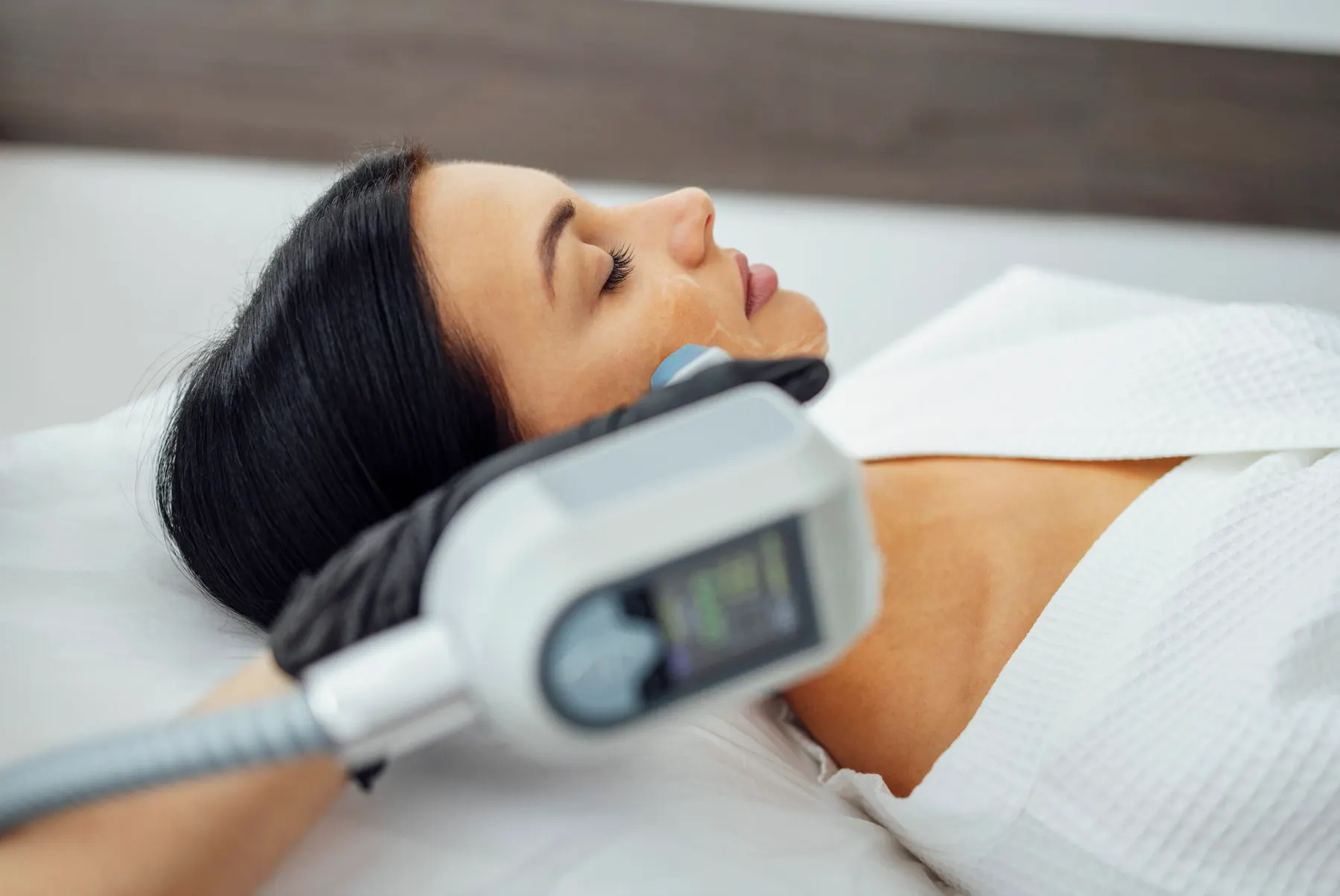
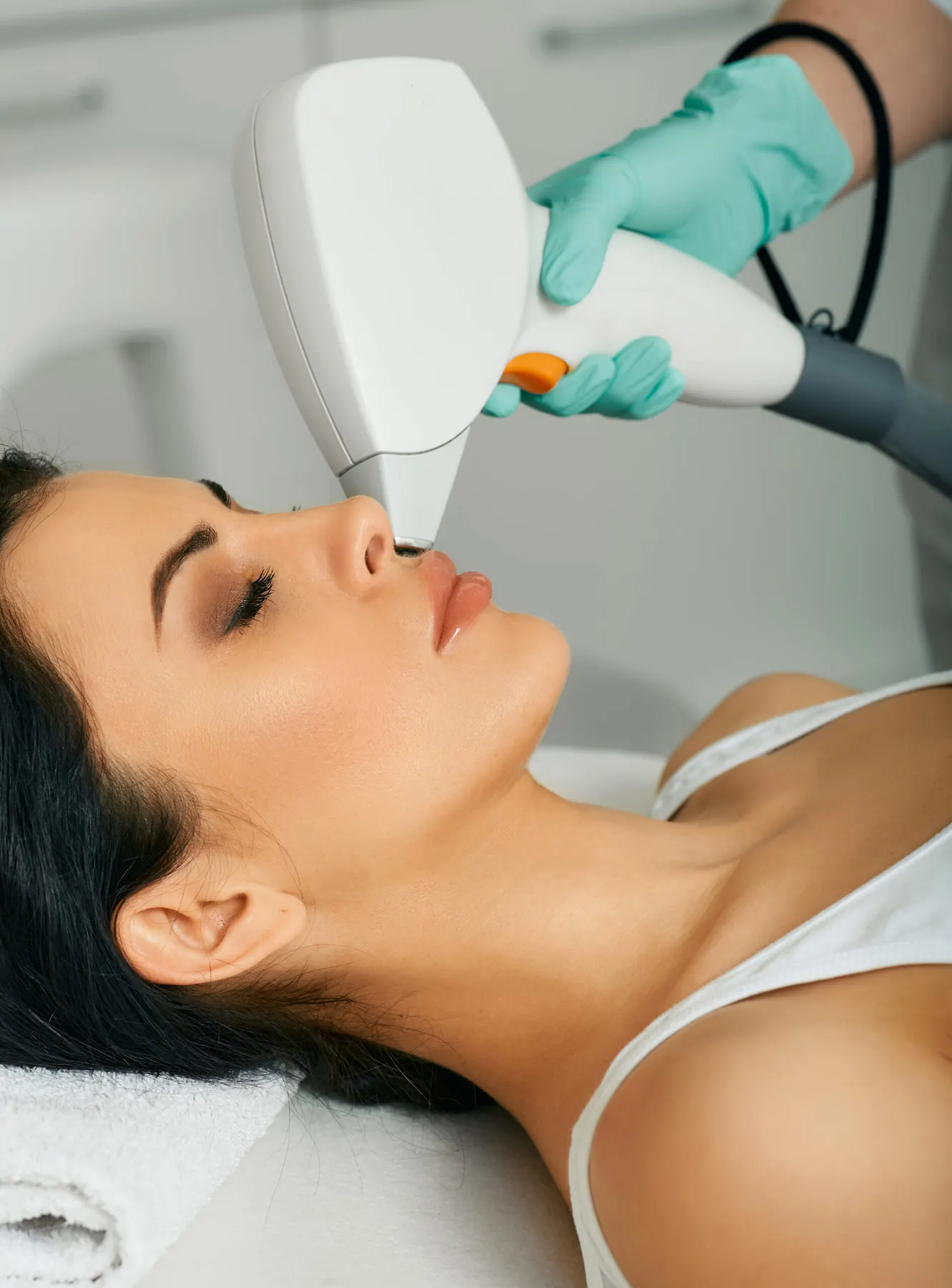
Filtered broadband light that targets the colour in your skin, absorbed by red vessels and brown pigment while leaving surrounding tissue alone.
from $150 About BBL light therapy →

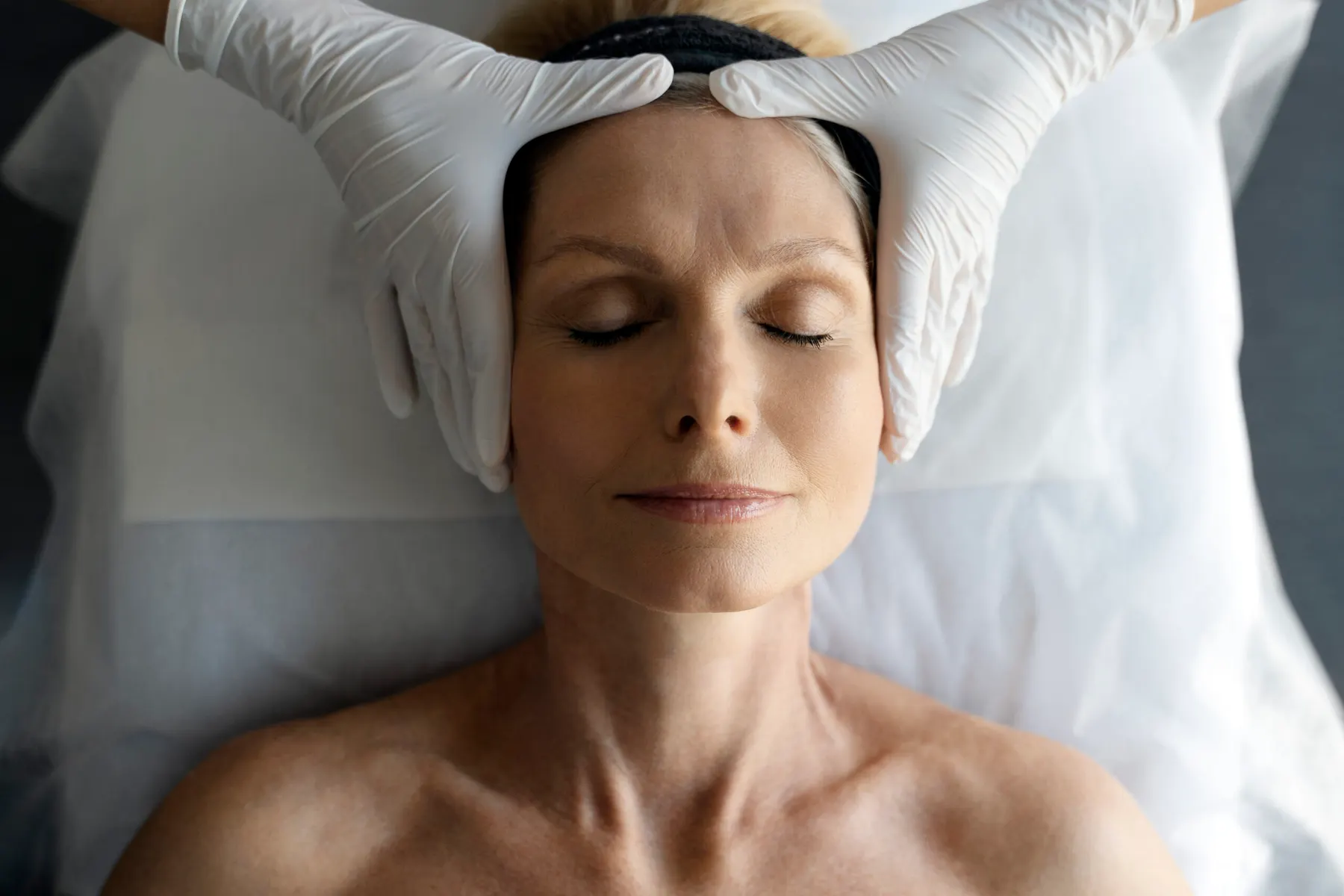
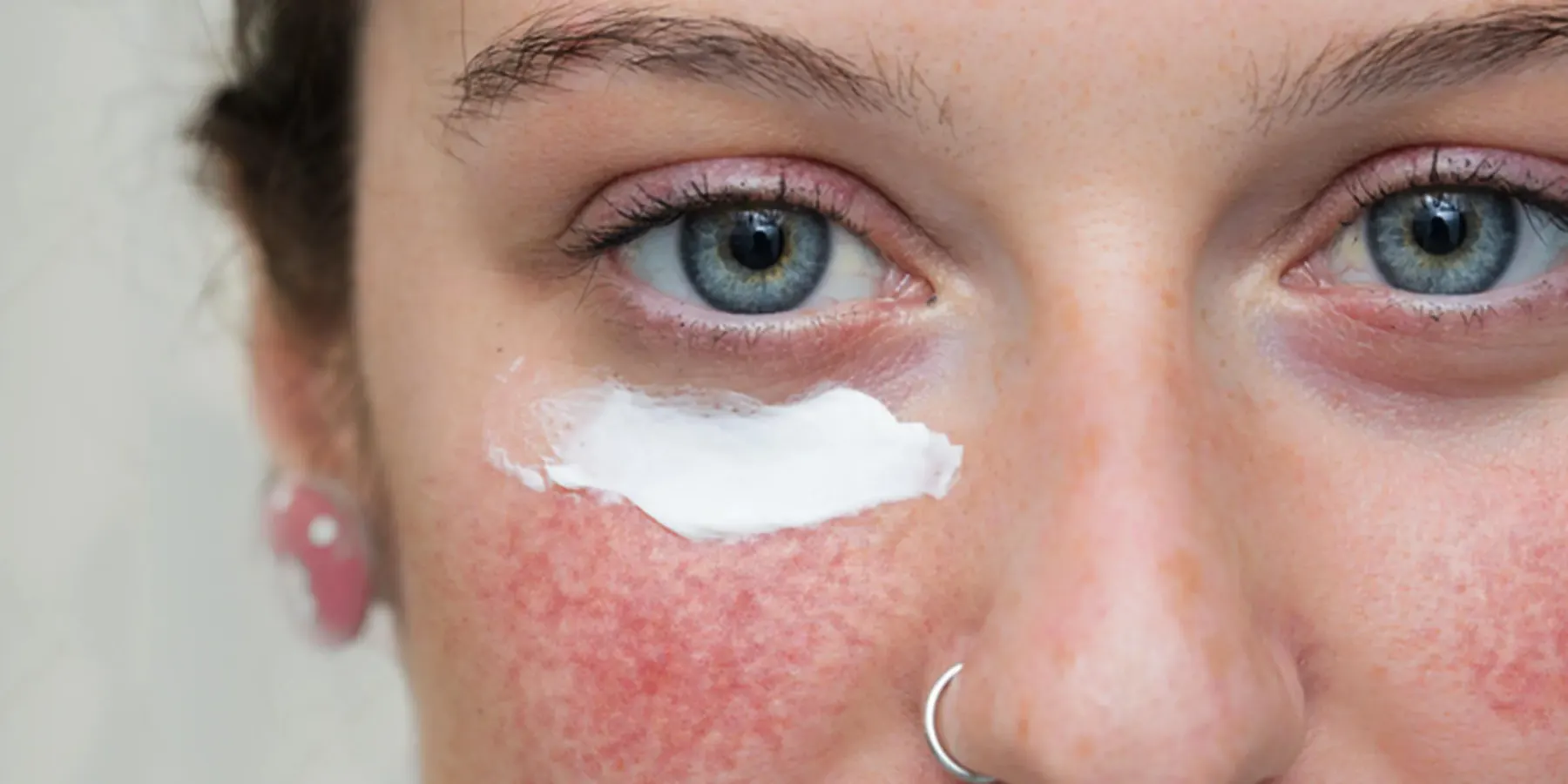
Rosacea is a chronic inflammatory skin condition of the central face that causes persistent redness, episodic flushing, visible blood vessels and sometimes acne-like bumps; it is a long-term condition that is managed and kept quiet rather than cured.
02 · The honest version
Persistent facial redness, flushing and visible vessels, and the treatments that calm reactive skin without irritating it further.
Every face is different. This page is the general picture. What is actually happening on your skin is something a nurse should look at up close, in clinic light, before anyone recommends a treatment.
Does it get worse? That depends on the concern and on you. It is a reason to start early, not a reason to panic - and we will tell you plainly where you are rather than where a treatment plan would be easiest to sell.
Rosacea is a chronic inflammatory condition that affects the central part of the face: the cheeks, nose, chin and forehead. Underneath, two systems are behaving unusually. The small blood vessels in facial skin dilate too readily and are slow to return to normal, which produces flushing that becomes persistent redness. At the same time, the skin’s innate immune response is set too sensitively, so ordinary things such as heat, sunlight, or a change of skincare can provoke inflammation.
It usually begins subtly. People often describe years of blushing easily before they realise the redness has simply stopped going away.
Rosacea does not look the same on everyone, and one person can have more than one pattern at once.
Erythematotelangiectatic rosacea is the flushing-and-redness form, with persistent central facial redness and often fine visible vessels. Skin tends to feel hot, tight or stinging.
Papulopustular rosacea adds inflamed red bumps and pustules. This is the form most often mistaken for acne, but it appears without blackheads and against a red background.
Phymatous rosacea involves thickening of the skin, most often on the nose. It is much more common in men and needs a different approach altogether.
Ocular rosacea affects the eyes and eyelids, causing dryness, grittiness and irritation. It can appear on its own, and it needs proper medical assessment rather than skincare.
This is the part worth reading twice. Rosacea-prone skin has a weakened barrier and an easily provoked inflammatory response. A routine built around strong acids, gritty scrubs, alcohol-heavy toners or aggressive heat-based devices does not simply fail on rosacea, it actively drives it. A great many people arrive here having made their skin considerably worse by treating it as though it were oily, resilient, acne-prone skin.
So the first move is usually subtraction: strip the routine back, restore the barrier, remove the irritants, and see what the skin looks like once it is not being provoked daily. Only then does it make sense to add anything.
BBL broadband light is our main tool for the vascular side of rosacea. It delivers filtered light that is absorbed by haemoglobin in the dilated vessels, which reduces both the background redness and individual visible vessels. Because rosacea skin is reactive, we work conservatively and build up rather than going in hard on a first visit.
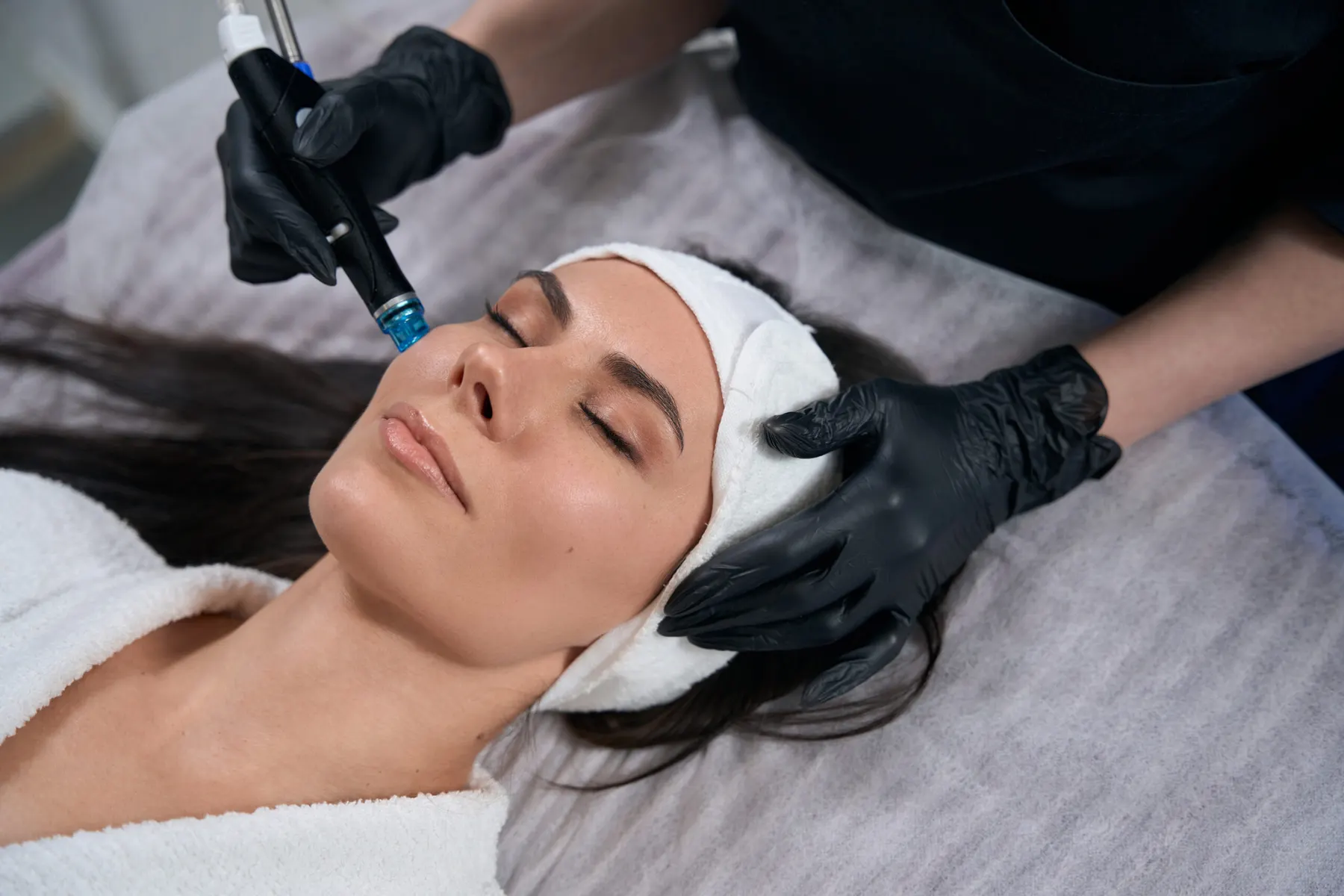
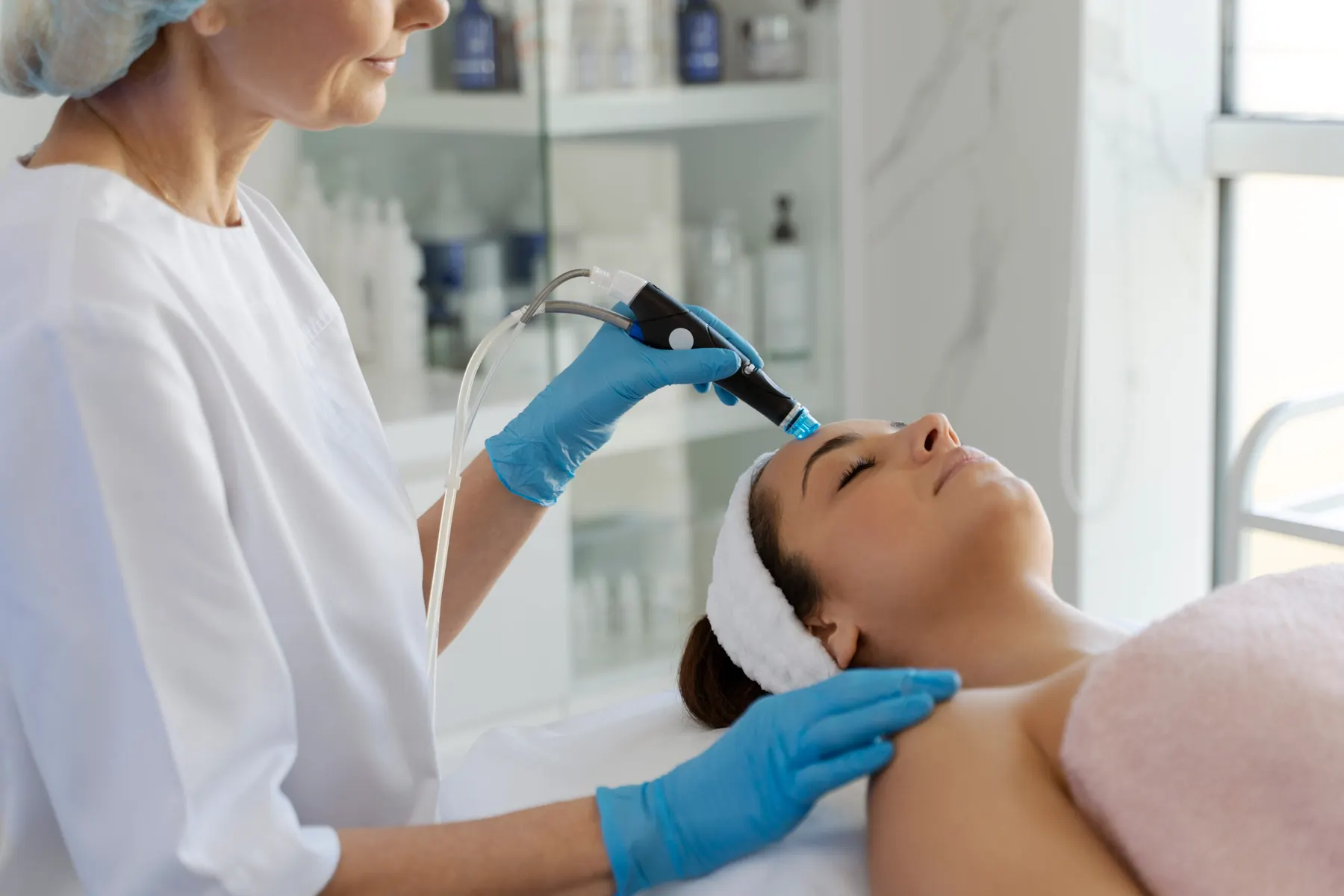
HydraFacial can be used in a gentle configuration to hydrate and support the barrier without mechanical irritation, which suits skin that reacts badly to most things.
Medical-grade peels, chosen carefully and at appropriate strengths, have a role for some people, particularly where there is a papulopustular element. They are not right for everyone with rosacea, and we would rather say no than provoke a flare.
Alongside the in-clinic work, we will spend real time on trigger mapping and on rebuilding a routine your skin can tolerate. That part is unglamorous and it is often where the biggest change comes from.
Rosacea can also warrant prescription treatment. Our Medical Director, Alex Dinovich, FNP-PHC, is a Nurse Practitioner and an authorised prescriber, so that discussion can take place here as part of your assessment rather than being a separate journey.
Rosacea is managed over time rather than treated once, which makes the drive worth thinking about before you start. We see people from Aurora, Newmarket, Barrie and Bradford itself. Each town page has the route, the parking and the evening hours, and a rosacea plan is usually built around appointments spaced several weeks apart.
04 · What we actually offer
These are the ones we use for rosacea. Not every face needs all of them, and we will say so. The goal in every case is the same: treat the cause, not the photograph.
Skin & laser
Filtered broadband light that targets the colour in your skin, absorbed by red vessels and brown pigment while leaving surrounding tissue alone.
Skin & laser
A device-led facial that cleanses, exfoliates, extracts with suction and infuses serums in one pass, with no recovery period afterwards.
Skin & laser
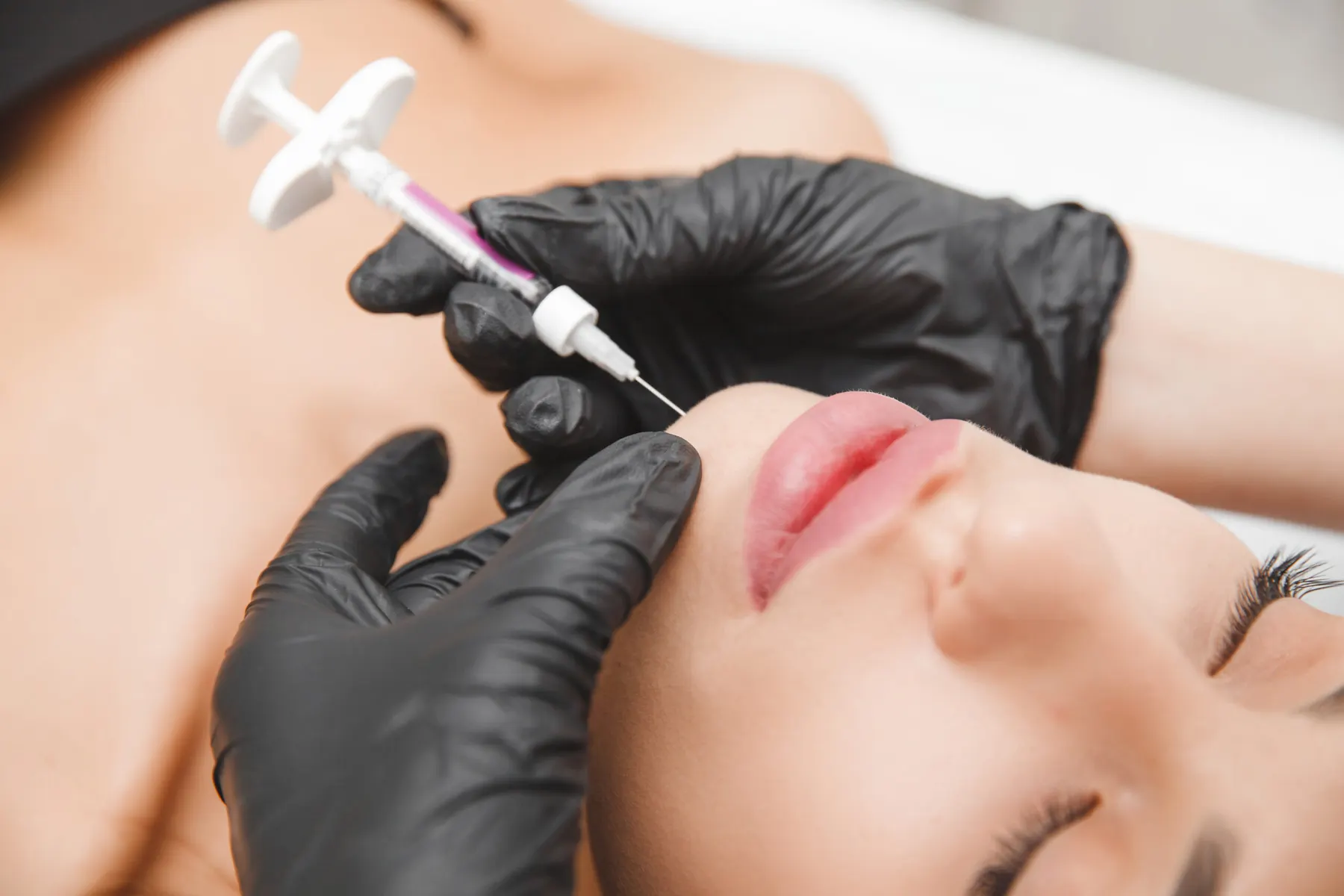
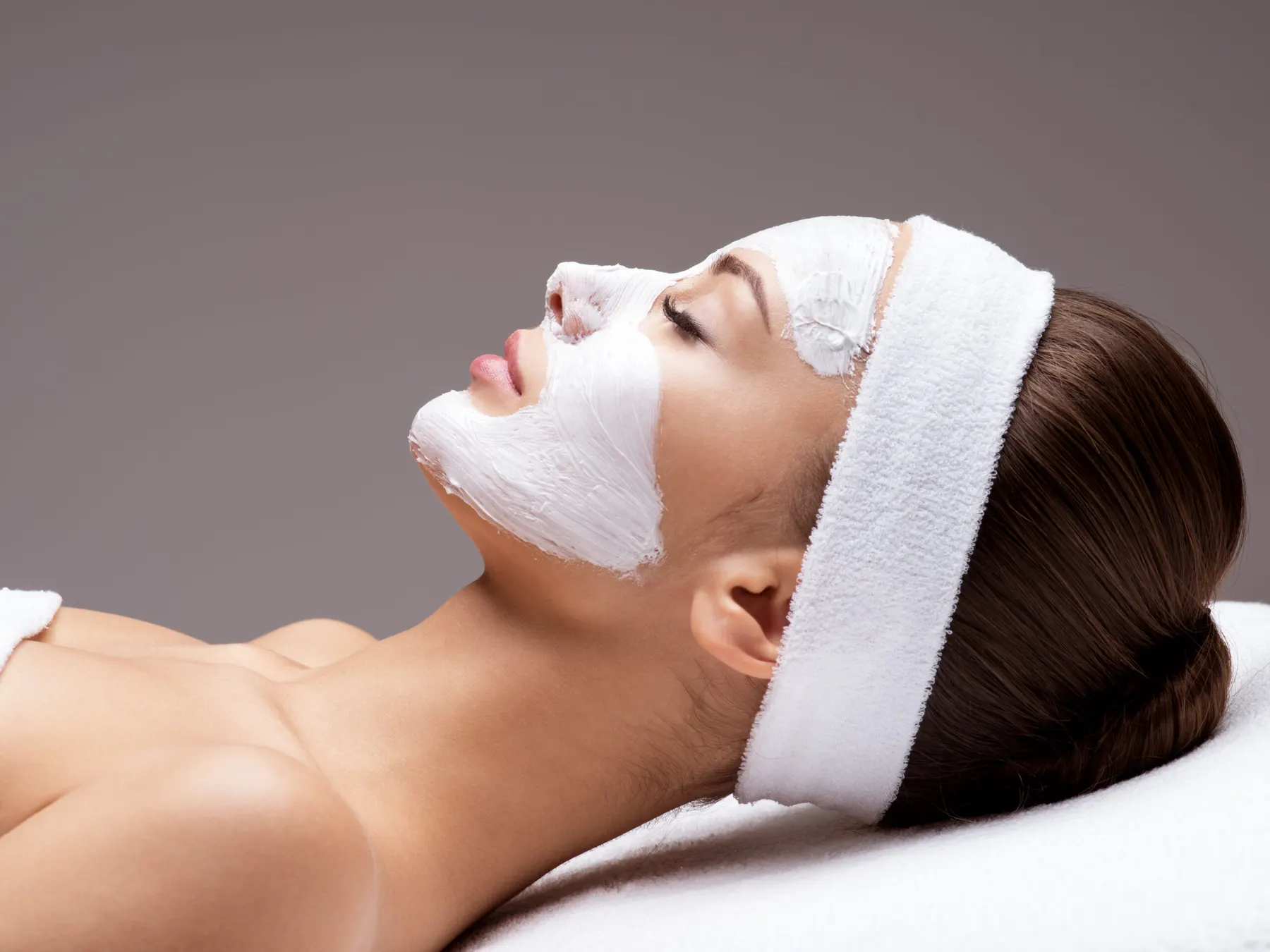
Chemical solutions applied at a controlled strength and depth to shed damaged skin, chosen for your concern rather than sold as a single signature peel.
Every plan is personalised. Which of these you need, in what order and how often, is decided after a nurse has looked at your skin - not before. We will also tell you when a treatment is wrong for you, and we say it before you book.
05 · What actually happens
If you have been putting this off, this section is for you. A consultation costs you nothing and commits you to nothing - you are allowed to walk out having booked absolutely nothing.
She is the one who answers the phone and the texts, so you will already have spoken to her. No clipboard interrogation in the waiting room.
In clinic light, up close, with your makeup off if you are wearing any. This is the part people dread and it takes about a minute.
When it happens, what you had noticed before it happened, what you have already tried and what made it worse. Bring your current products if it is easy.
What we would do, in what order, and what it costs - including the option of doing nothing yet. If a treatment is wrong for you, we say so here, not after.
Nothing is booked in the room unless you want it booked. No deposit, no pressure, no offer that expires on Friday.
Always so kind and personal. Took the extra time to make sure I was comfortable.
06 · Straight answers
The questions people actually ask us on the phone, answered the way we answer them on the phone.
No. Rosacea is a long-term condition that is managed rather than cured, and anyone promising to cure it is not being straight with you. What is genuinely achievable is far less baseline redness, fewer and shorter flares, fewer visible vessels and skin that stops stinging every time you put something on it. For many people that is a very large quality-of-life difference.
No, although they are frequently confused and can look similar at a glance. The papulopustular form of rosacea produces red bumps and pustules, but it does not produce blackheads and whiteheads, and it sits on a background of persistent redness and flushing that acne does not have. The distinction matters because several standard acne treatments are too aggressive for rosacea-prone skin and will make it worse.
The cause is not fully understood, and it is almost certainly not a single thing. It involves an over-reactive blood vessel and immune response in the facial skin, and there is a recognised genetic component. What is well established is that it flares in response to identifiable triggers, which is why trigger mapping is a real part of managing it rather than a consolation prize.
Used appropriately, BBL broadband light is one of the better-evidenced options for the vascular redness and visible vessels of rosacea, because it targets haemoglobin in the dilated vessels. That said, rosacea skin is reactive, so settings are chosen conservatively, a test area is normal practice, and your clinician will discuss what to expect. If your rosacea is actively inflamed, we may calm it before using any light-based device.
Rosacea is associated with a compromised skin barrier and heightened sensory nerve reactivity, so ingredients that most people tolerate easily can genuinely sting on rosacea-prone skin. Common offenders include alcohol-based toners, fragrance, menthol, high-strength acids and some physical scrubs. A simplified, barrier-first routine is often the fastest improvement available.
Daily sunscreen helps, because ultraviolet exposure is one of the most consistently reported rosacea triggers. Many people with rosacea find mineral sunscreens based on zinc oxide or titanium dioxide more comfortable than chemical filters, and fragrance-free formulations are generally better tolerated. We can talk through specific options at your consultation.
It can be. Ocular rosacea affects the eyelids and eye surface and can cause dryness, grittiness, redness and irritation, sometimes before the skin changes are obvious. It is a genuine medical issue rather than a cosmetic one, and we will refer you for proper assessment rather than treat around it.
It is one of the most useful things you can do, because rosacea triggers are highly individual and the common lists do not apply to everyone. Noting what you ate, the temperature, your stress level and what you put on your skin in the hours before a flare usually reveals a pattern within a few weeks. Bring it to your appointment; it changes the plan.
Where this comes from
We would rather you did not take our word for any of this. These are the sources behind what is written above, and none of them are ours.
07 · Often confused, often alongside
Concerns are regularly mistaken for one another - and they rarely turn up entirely alone. These are the ones that sit closest to it.
08 · The next step is small
A rosacea consultation costs you nothing and commits you to nothing. You will leave knowing what your skin is doing, what we would do about it, and what it would cost - whether or not you book anything.
Bring three things. Whatever you are currently putting on your face, a rough idea of when it is at its worst, and any questions you have written down. That is genuinely all the preparation we need.
Makeup is fine either way. If it is easier to arrive with it on, arrive with it on - there is a mirror and a cleanser in the room.
We answer during clinic hours, usually within the hour.
647-333-6805 Open messagesOn a desktop? Save the number and text from your phone.