Dermal fillers
Injectable
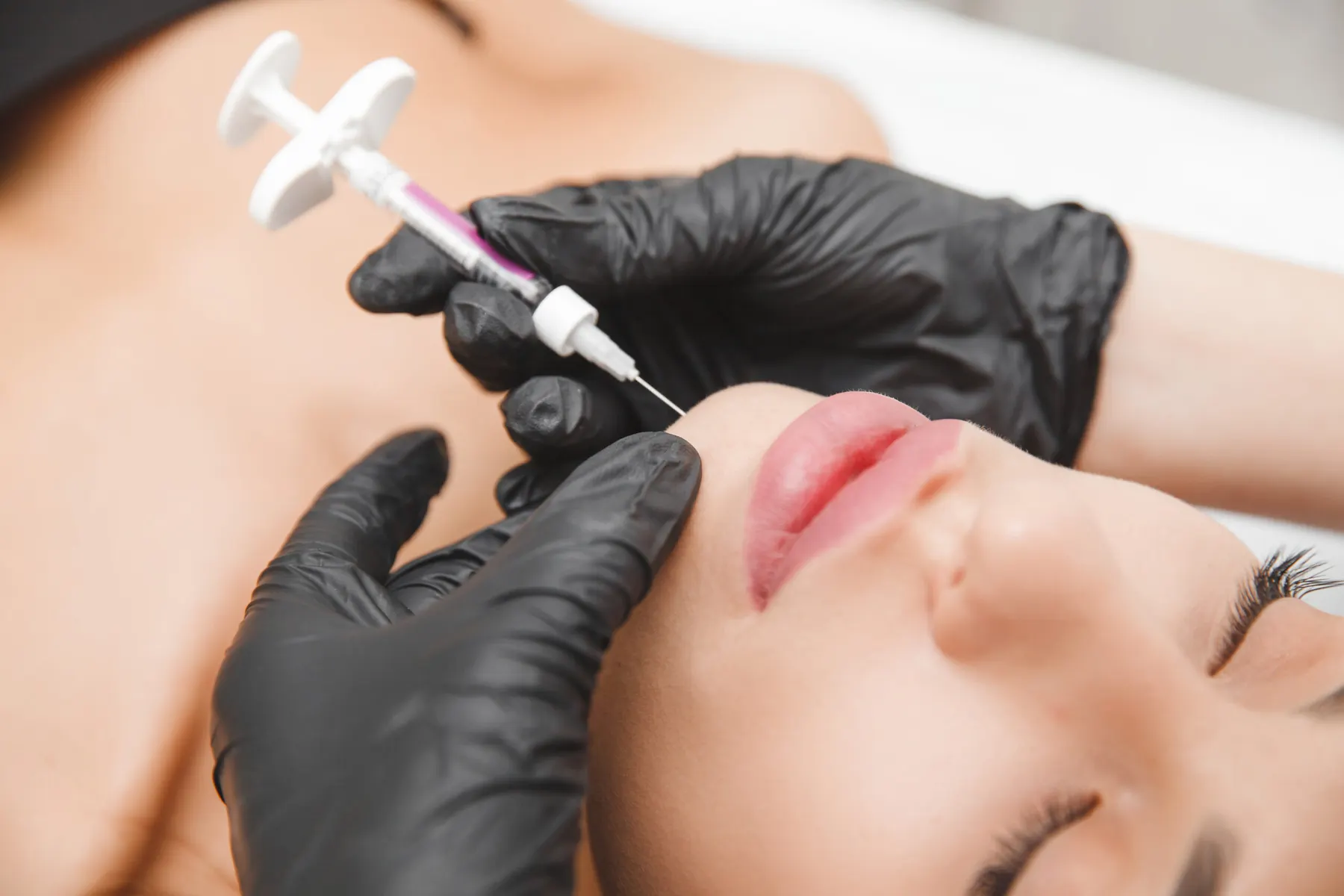
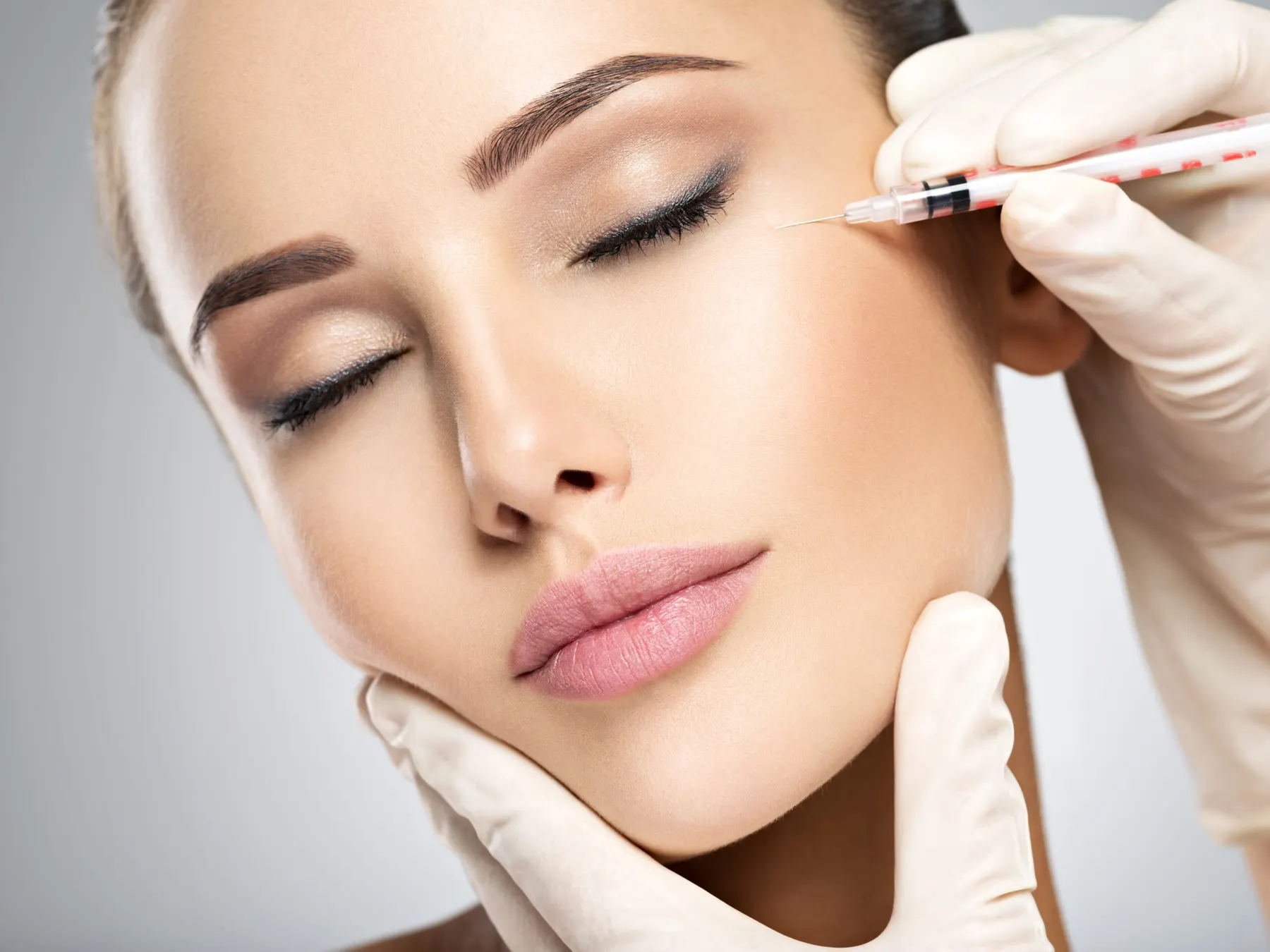
Hyaluronic acid gel placed in specific planes to restore support where the face has lost it, or to change a proportion you have never liked.
from $600 About Dermal fillers →


Facial volume loss is the age-related shrinkage and descent of the fat compartments, muscle and bone that give the face its underlying structure, producing flatter cheeks, hollow temples, deeper folds and a less defined jawline; it can be restored with injectable treatment but is not prevented by skincare.
02 · The honest version
Flattened cheeks, hollow temples and deepening folds caused by the loss of underlying facial structure, and how volume is restored proportionately.
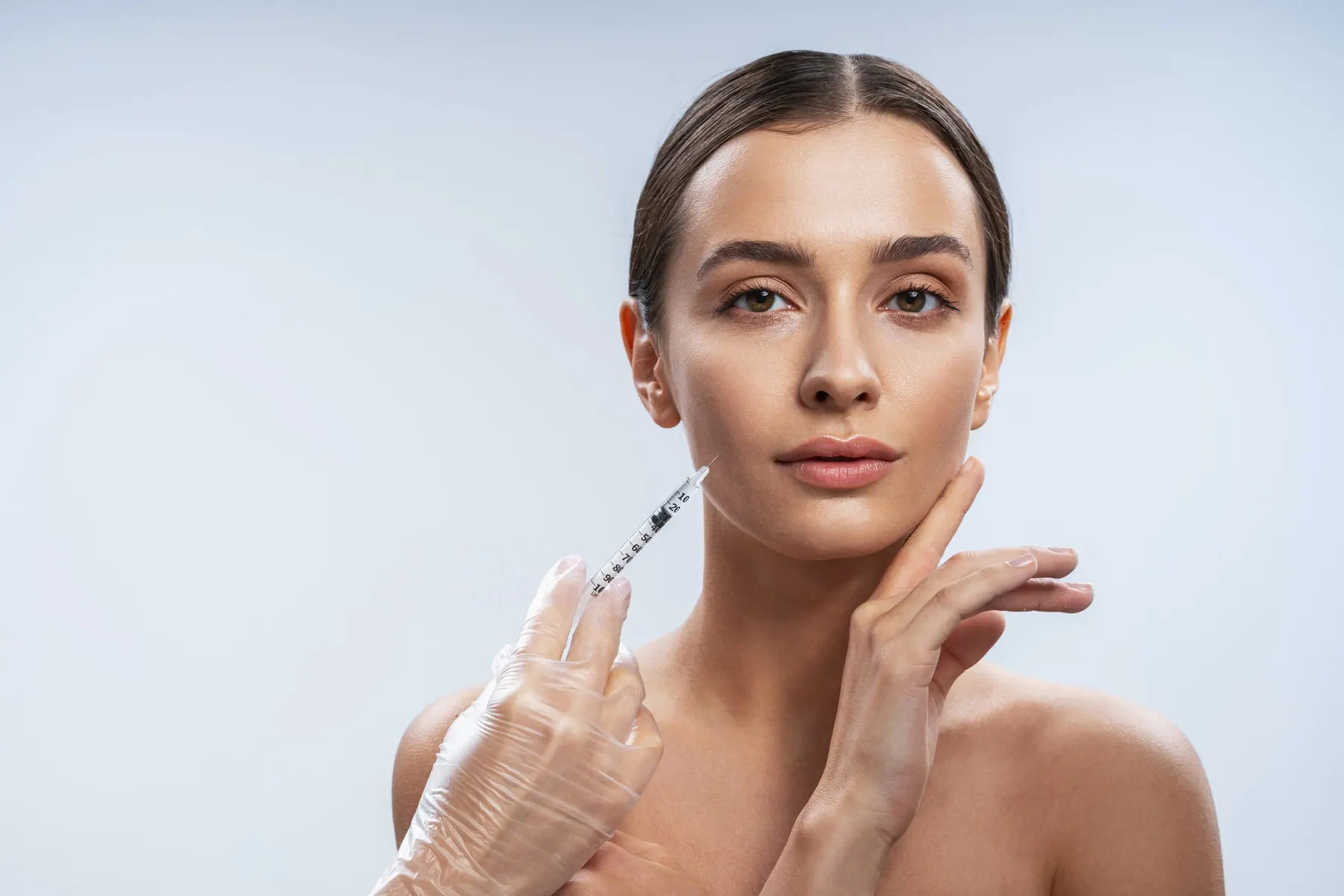
Every face is different. This page is the general picture. What is actually happening on your skin is something a nurse should look at up close, in clinic light, before anyone recommends a treatment.
Does it get worse? That depends on the concern and on you. It is a reason to start early, not a reason to panic - and we will tell you plainly where you are rather than where a treatment plan would be easiest to sell.
When people talk about looking older, they usually describe the skin. In fact the more consequential changes happen underneath it.
The face is supported by bone, which does not simply stay put. The eye sockets widen, the mid-face skeleton recedes, and the jaw loses height and projection over decades. Sitting on that bone are discrete fat compartments, not one continuous layer, each with its own shape and its own timeline. Some shrink. Others slide downward. Because they are separated by connective tissue, the boundaries between a deflated compartment and a fuller one become visible as a line or a shadow.
That is why volume loss looks the way it does. It is not uniform deflation like a balloon losing air. It is a patchwork, which is exactly why the folds and hollows appear where they do.
Flat or dropped cheeks. The midface fat compartments lose volume and descend. The high point of the cheek moves lower and outward, which changes the whole triangular proportion of the face.
Hollow temples. Temporal volume loss narrows the upper face and, subtly, makes the eye area look more skeletal.
Deeper nasolabial folds. These are usually not skin creases at all. They are the visible boundary where descended cheek tissue meets the fixed tissue beside the mouth. Injecting the fold directly is often the wrong answer; restoring the cheek support above it is frequently the right one.
Under-eye hollowing. As the orbital rim becomes more prominent and the fat beneath the eye diminishes, a shadowed trough appears. If this is your main concern, our page on under-eye hollows covers it in detail, including the situations where filler is not the answer.
A softer jawline. Bone resorption at the jaw plus descended tissue above it blurs the line between the face and the neck.
Rapid or substantial weight loss reduces facial fat along with body fat, and the face is often where people notice the change first and like it least. This is increasingly relevant with medically supervised weight loss, and it is one reason we discuss facial support alongside our weight loss programme rather than treating them as unrelated services.
The assessment is structural. We look at where the face has lost support and in what order, rather than at which lines you can see in the mirror. Very often the line that bothers you is a downstream consequence of a hollow somewhere above it, and treating the cause produces a more natural result than treating the symptom.
Dermal fillers are used to restore support at specific points, most often in the midface, temples, chin and jawline. Precision of placement matters more than quantity.
Sculptra and Radiesse stimulate your own collagen production over a period of months, which suits generalised volume loss across a broad area and produces change that builds gradually enough that people around you tend not to identify what has been done.
PDO threads can reposition descended tissue where laxity accompanies volume loss, and they are usually combined with volumising rather than used alone.
We will not add volume to a face that does not need it, and we will not keep adding to a face that has reached its limit. If what you are seeing is primarily skin laxity or primarily skin quality, filler will not fix it and we will point you toward what will. Saying no is part of the job.
03 · What we actually offer
These are the ones we use for sunken cheeks and volume loss. Not every face needs all of them, and we will say so. The goal in every case is the same: treat the cause, not the photograph.
Injectable
Hyaluronic acid gel placed in specific planes to restore support where the face has lost it, or to change a proportion you have never liked.
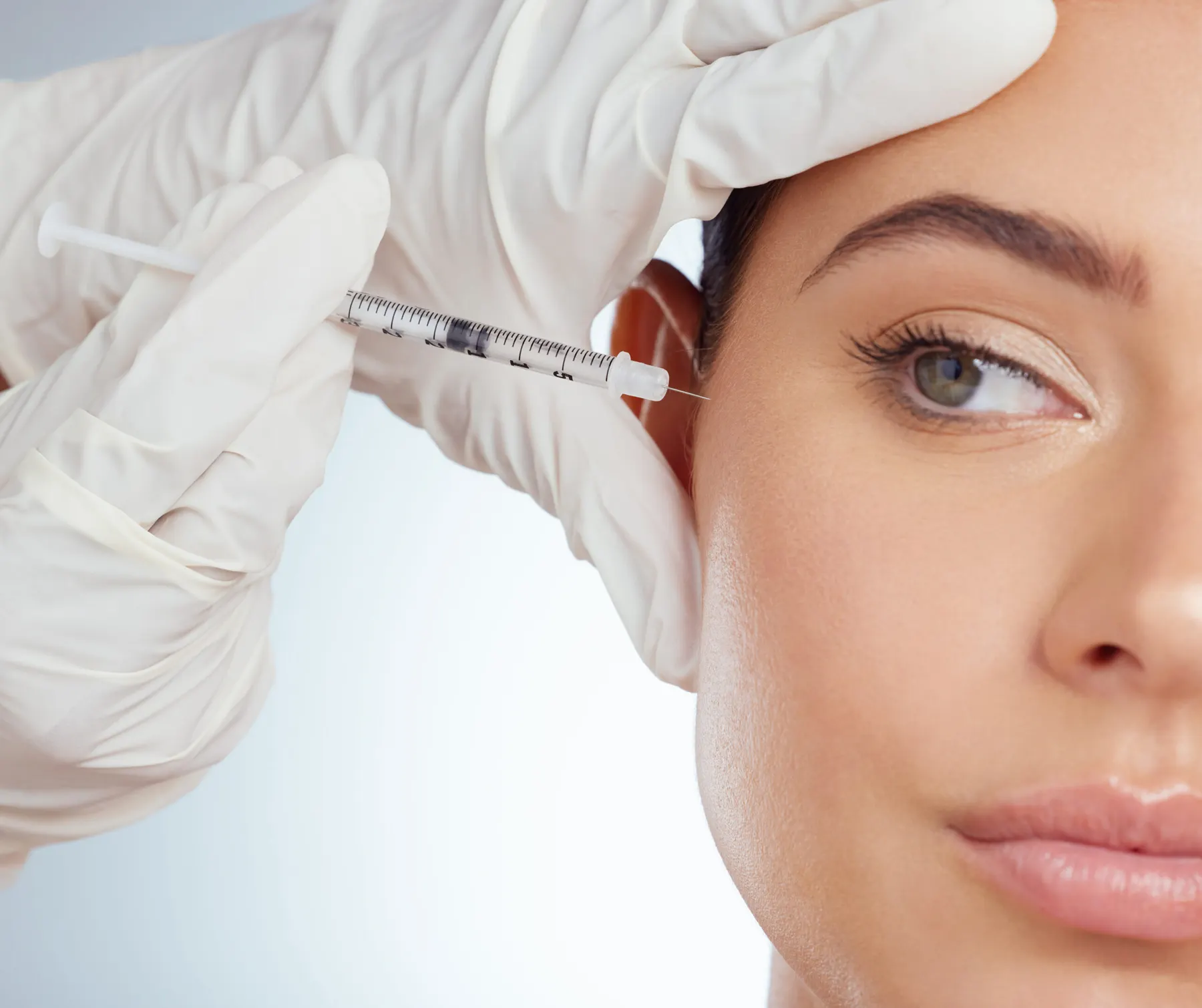
Injectable
Injectables that prompt your own collagen to rebuild over months, for people who want gradual structural change rather than an immediate fill.
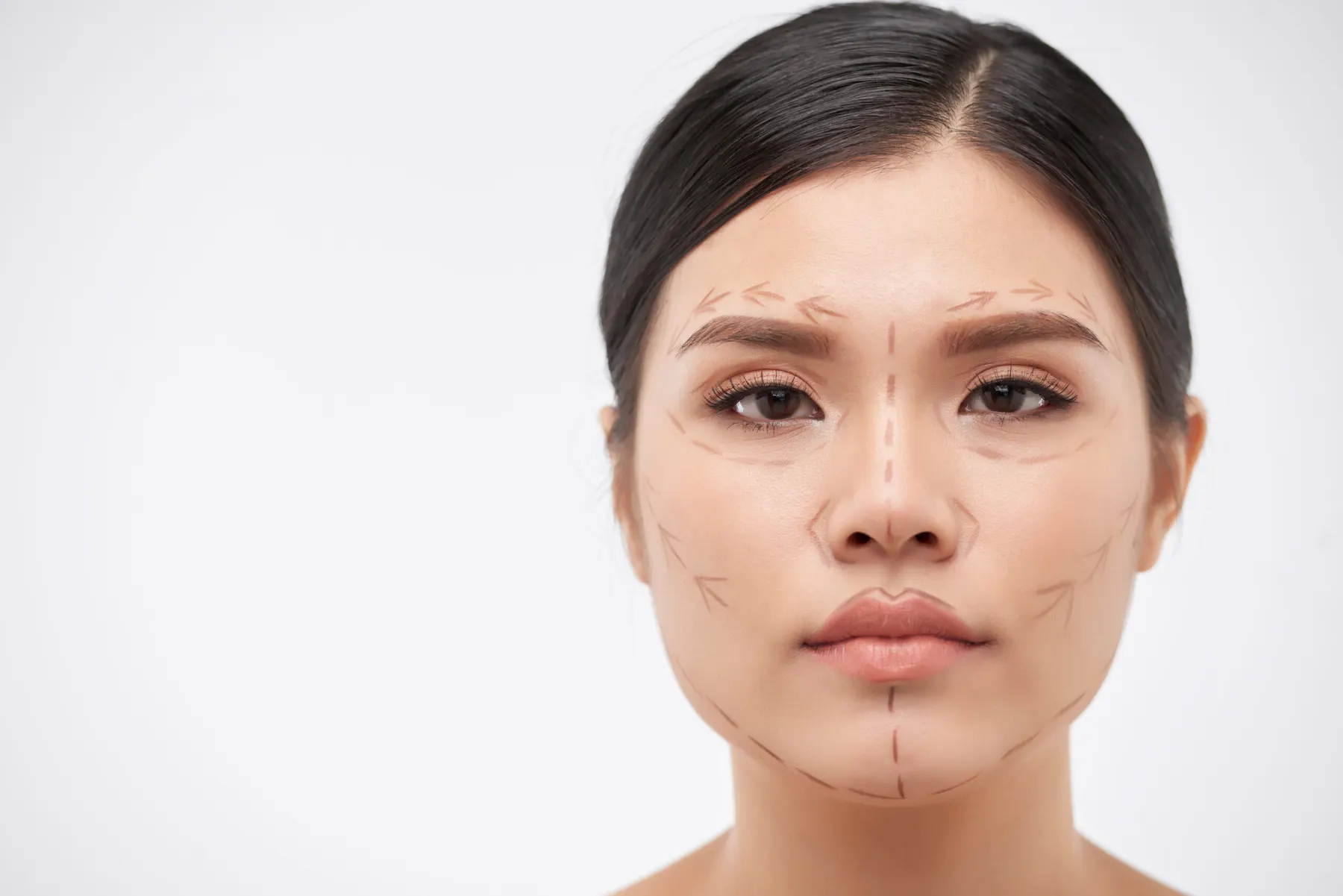
Injectable
Dissolvable sutures placed under the skin to reposition tissue a small amount and leave collagen behind as they break down.
Every plan is personalised. Which of these you need, in what order and how often, is decided after a nurse has looked at your skin - not before. We will also tell you when a treatment is wrong for you, and we say it before you book.
04 · What actually happens
If you have been putting this off, this section is for you. A consultation costs you nothing and commits you to nothing - you are allowed to walk out having booked absolutely nothing.
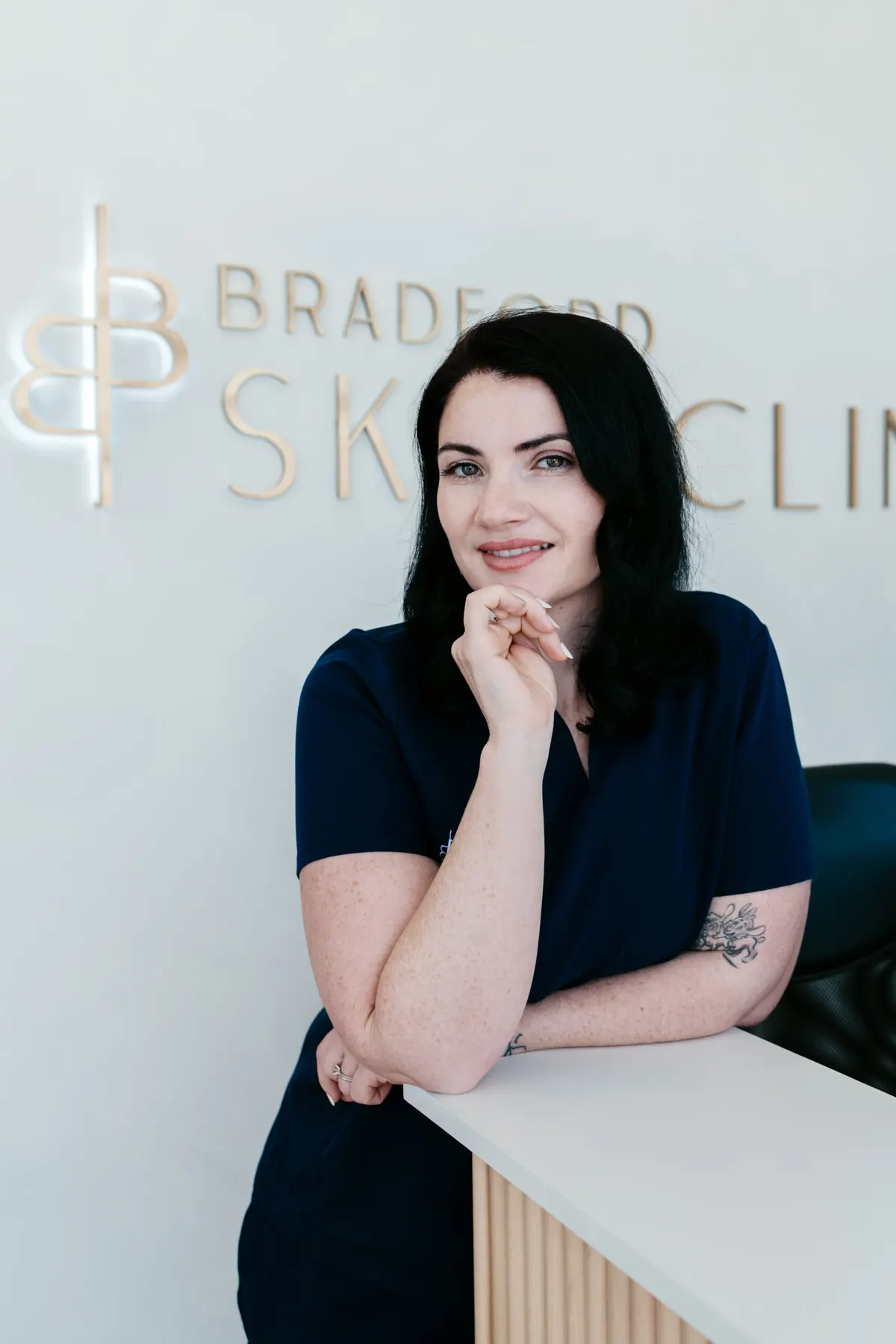
She is the one who answers the phone and the texts, so you will already have spoken to her. No clipboard interrogation in the waiting room.
In clinic light, up close, with your makeup off if you are wearing any. This is the part people dread and it takes about a minute.
When it happens, what you had noticed before it happened, what you have already tried and what made it worse. Bring your current products if it is easy.
What we would do, in what order, and what it costs - including the option of doing nothing yet. If a treatment is wrong for you, we say so here, not after.
Nothing is booked in the room unless you want it booked. No deposit, no pressure, no offer that expires on Friday.
Always so kind and personal. Took the extra time to make sure I was comfortable.
05 · Straight answers
The questions people actually ask us on the phone, answered the way we answer them on the phone.
This is usually about shadow rather than skin. As the fat pads in the midface shrink and descend and the bony support beneath them recedes, light falls on the face differently, creating hollows under the eyes and flattening across the cheek. The face reads as tired because those shadow patterns are the ones we all unconsciously associate with fatigue. Restoring support changes how light sits on the face rather than changing your expression.
It can if it is placed without a plan or if volume is added faster than the face can carry. The approach that avoids this is treating structure rather than chasing lines, working in stages, and being willing to stop. Our injectors will map your face and explain where volume has actually gone before recommending anything, and a conservative first treatment with a review is always an option.
Hyaluronic acid filler adds volume immediately by occupying space, and it can be dissolved if needed. Sculptra and Radiesse are biostimulators, which means they prompt your own tissue to produce collagen gradually over months, building volume more subtly and more diffusely. Filler is better for precise structural placement; biostimulators are better for generalised loss across a wider area. Many plans use both.
No, though they occur together and are often confused. Volume loss is the reduction of what sits under the skin. Sagging, or laxity, is the loosening of the skin envelope itself. If you tighten a loose envelope over a deflated structure, the result can look tight without looking better. A proper assessment separates the two and treats each appropriately.
No. Skincare works on the epidermis and dermis and can genuinely improve texture, tone and skin thickness, but it cannot replace fat pads or bone. Facial exercise does not rebuild the fat compartments either, and there is a reasonable argument that increased muscle activity can deepen some expression lines. We would rather tell you that than sell you something that will not work.
This is a common worry and the evidence does not support it at appropriate volumes. What does cause problems is repeated overfilling, where the face is progressively loaded beyond what its structure can carry. The protection against that is conservative dosing, honest review appointments, and an injector who is willing to tell you that you do not need more.
It varies by product, placement depth, how much movement the area gets and your own metabolism, so we will give you a realistic range for your specific plan rather than a headline number. Biostimulators build slowly and then decline slowly; hyaluronic acid fillers break down more predictably. Your injector will explain what to expect for each area treated.
Injectable treatments at Bradford Skin Clinic & Medical Spa are performed by regulated nurses, and plans are assessed within a nurse-practitioner-led practice. Our Medical Director is Alex Dinovich, FNP-PHC. In Ontario, estheticians are not permitted to inject, and you are entitled to ask any clinic exactly who will be holding the needle.
Where this comes from
We would rather you did not take our word for any of this. These are the sources behind what is written above, and none of them are ours.
06 · Often confused, often alongside
Concerns are regularly mistaken for one another - and they rarely turn up entirely alone. These are the ones that sit closest to it.
07 · The next step is small
A sunken cheeks and volume loss consultation costs you nothing and commits you to nothing. You will leave knowing what your skin is doing, what we would do about it, and what it would cost - whether or not you book anything.
Bring three things. Whatever you are currently putting on your face, a rough idea of when it is at its worst, and any questions you have written down. That is genuinely all the preparation we need.
Makeup is fine either way. If it is easier to arrive with it on, arrive with it on - there is a mirror and a cleanser in the room.
We answer during clinic hours, usually within the hour.
647-333-6805 Open messagesOn a desktop? Save the number and text from your phone.