Skin guides
How Aging Really Affects Your Body, and What to Do About It
Ageing is not one thing happening to your skin. It is four layers changing at once, on different schedules, and knowing which one is causing what you see in the mirror is the difference between a treatment that works and one that disappoints.
 Alex Dinovich, FNP-PHC, Nurse Practitioner and Medical DirectorClinically reviewed
Almost every conversation about ageing that happens in a clinic room starts in the wrong place. Somebody points at a line, or a fold, or a jawline, and asks what will get rid of it.
It is a reasonable question and it usually has the wrong shape, because what you can see in the mirror is the surface of something happening underneath it. Ageing is not one process. It is four, running at once, on different schedules, and the treatment that helps depends entirely on which of them is producing the thing you do not like.
This is what actually changes, in what order, and what each layer responds to.
The four layers, from the inside out
Bone. The facial skeleton is not fixed. The eye sockets widen, the mid-face loses projection, and the jaw loses height and definition over decades. This is why a face can look different in a way that has nothing to do with skin quality, and why some changes cannot be addressed by anything applied to the surface.
Deep fat. Facial fat is not a single layer. It sits in discrete compartments, and they do not empty at the same rate. Some deflate, some descend, and the boundaries between them become visible as folds and hollows. Most of what people describe as “sagging” is a combination of a compartment losing volume above and another sitting lower than it did.
Muscle. Repeated expression folds the skin over the same lines thousands of times. Early on the fold releases completely when the muscle relaxes. Over time the skin above it develops a fixed crease, which is the difference between a dynamic line and a static one, and it is the single most useful distinction in this whole subject.
Skin. Collagen and elastin decline, cell turnover slows, and the barrier holds less water. The visible results are fine lines, roughness, dullness, enlarged-looking pores and pigment that arrives and does not leave.
They interact. Skin laxity looks worse over a deflated compartment. A static line sets faster in thinner skin. Which is why treating one layer and expecting the whole face to respond is the most common disappointment in this industry.
What tends to happen, and roughly when
Ages here are approximate and individual variation is enormous. Genetics, sun exposure, smoking and sleep move these by a decade in either direction.
Twenties. Collagen production has already begun its slow decline, at a rate usually quoted at around one percent a year, but nothing looks different yet because everything else is intact. The damage being done in this decade is almost entirely photodamage, and it is invisible until much later.
Thirties. The first thing most people notice is that recovery is slower. Skin takes longer to look rested. Expression lines that used to vanish completely now leave a faint trace. Pigment from earlier sun exposure begins surfacing.
Forties. Structural changes become visible. The mid-face flattens slightly, under-eye hollows deepen, and the jawline softens. This is often when someone says they look tired when they feel fine, which is usually volume rather than skin.
Fifties. For women, menopause concentrates several years of change into a short period. Oestrogen supports collagen, skin thickness and hydration, and its decline shows quickly. Skin that was stable for twenty years can change noticeably within two or three.
Sixties and beyond. Skin quality and laxity dominate. Expectations should shift too: this is the range where non-surgical treatment maintains and improves rather than reverses, and where a clinic being honest with you matters more than a clinic being encouraging.
The part nobody wants to hear
The largest single contributor to how aged a face looks is sun exposure, and the majority of visible facial ageing is photoageing rather than the passage of time.
That is genuinely good news, because it is the part you can still change. It is also the least commercially interesting thing anybody can tell you, which is precisely why it is worth saying in a clinic that sells treatments. Daily broad-spectrum sun protection outperforms every treatment on our price list, and it costs a fraction of any of them.
Sleep, smoking and blood sugar all appear repeatedly in the research on skin ageing too. None of them is as dramatic as sun exposure, and all of them are real.
What actually addresses what
The useful question is not “what is the best anti-ageing treatment”. It is “which layer is producing the thing I do not like”.
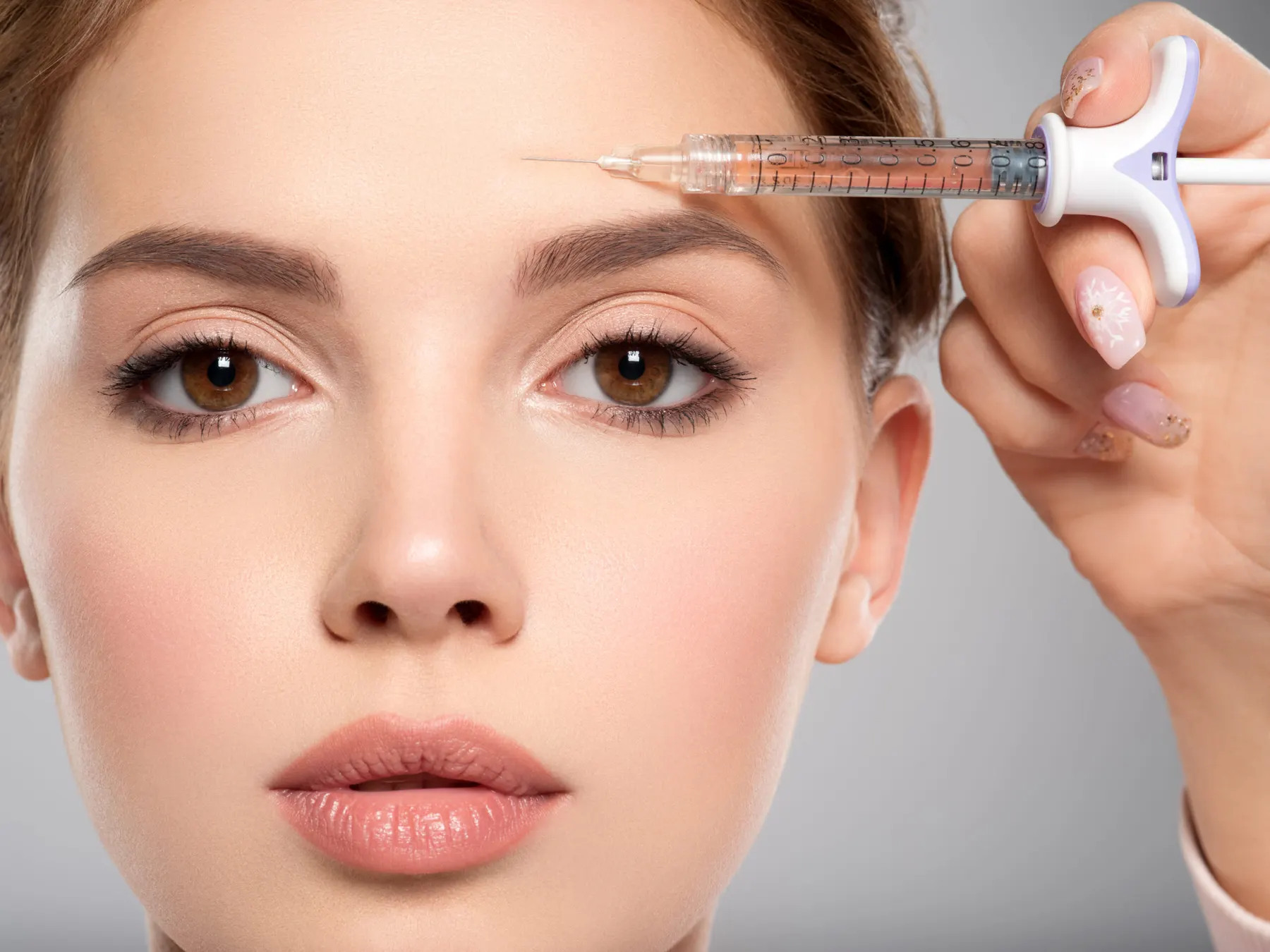
Dynamic lines, the ones that appear when you move, respond to anti-wrinkle injections. Botox, Dysport and Xeomin all relax the muscle doing the folding. They do very little for a line that is already sitting in the skin at rest.
Lost volume responds to replacement. Dermal fillers restore contour where a compartment has emptied. Collagen biostimulators such as Sculptra and Radiesse work differently, prompting your own collagen over months rather than occupying space today.
Skin quality, meaning texture, tone and fine lines, responds to resurfacing and remodelling. CO2 laser resurfacing, Morpheus8 and microneedling all work by controlled injury that prompts repair, at different depths and with different recovery.
Pigment and redness respond to light. BBL broadband light targets colour specifically, and does nothing for texture or laxity.
Laxity is the hardest, and the one where honesty matters most. Energy devices can tighten to a point. Past that point the honest answer is that a non-surgical treatment will not achieve what a surgical one would, and you deserve to be told that rather than sold six sessions of something.
Where we will tell you to do less
If you are in your thirties and asking about filler for a line that only appears when you smile, the answer is usually not filler.
If your face changed after significant weight loss, including on a GLP-1 medication, the problem is usually volume rather than skin, and treating the surface will disappoint you. We wrote about that specifically in facial volume loss after weight loss.
And if what is actually bothering you is that you look tired, it is worth ruling out the things that make people look tired: sleep, iron, thyroid and stress. A consultation here will raise those before it raises a syringe, because a treatment cannot fix a deficiency.
What to do about it, in order
- Protect what you have. Daily broad-spectrum sun protection, every day, including winter and including through glass. Nothing else on this list is as effective.
- Get the layer diagnosed before the treatment chosen. This is what a consultation is for and it is free here.
- Treat the layer that is actually causing it, not the one with the most marketing behind it.
- Expect gradual. The treatments with the best long-term results, collagen stimulation and resurfacing, work over months. Anything promising a dramatic overnight change is either temporary or overstated.
- Reassess annually. What suits you at forty-two is not what suits you at fifty. A plan should change as you do.
Ageing is not a problem to be solved, and any clinic that frames it that way is selling you something. It is a set of changes, some preventable, some treatable, some best accepted. Knowing which is which is most of the work.

03 · Accountability
Written here.
Checked here.
This guide was written by Alex Dinovich, FNP-PHC and clinically reviewed by Alex Dinovich, FNP-PHC, Nurse Practitioner and Medical Director before it was published.
- Published
- Category
- Skin guides
A guide is general and your face is not. Nothing here replaces an assessment in the room, which is free and happens before anything is booked.
04 · From reading to the treatment room
What this looks
like in practice.
Published prices are starting prices, confirmed at your consultation. Where nothing is published, the dose and the plan decide the price rather than a menu.
- Anti-wrinkle injections from $10
- Dermal fillers from $600
- Collagen biostimulators from $795
- CO2 resurfacing from $1,199
- Morpheus8 from $499
Every injectable here is placed by a licensed nurse, and every plan is signed off by our Medical Director. The consultation is free and comes before anything is booked.

 Anti-wrinkle injectionsTreatment
  Dermal fillersTreatment
  Collagen biostimulatorsTreatment
 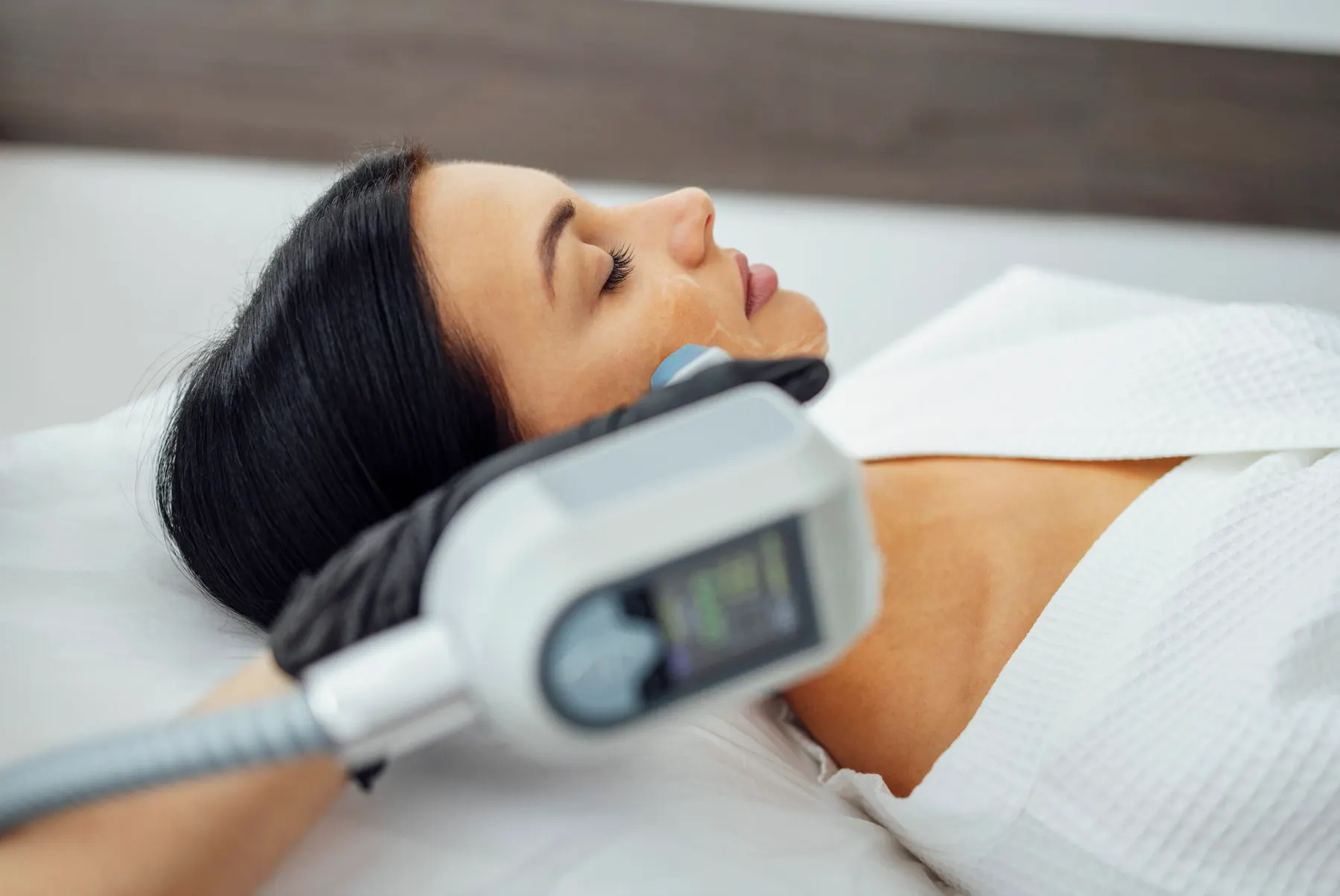 CO2 resurfacingTreatment
 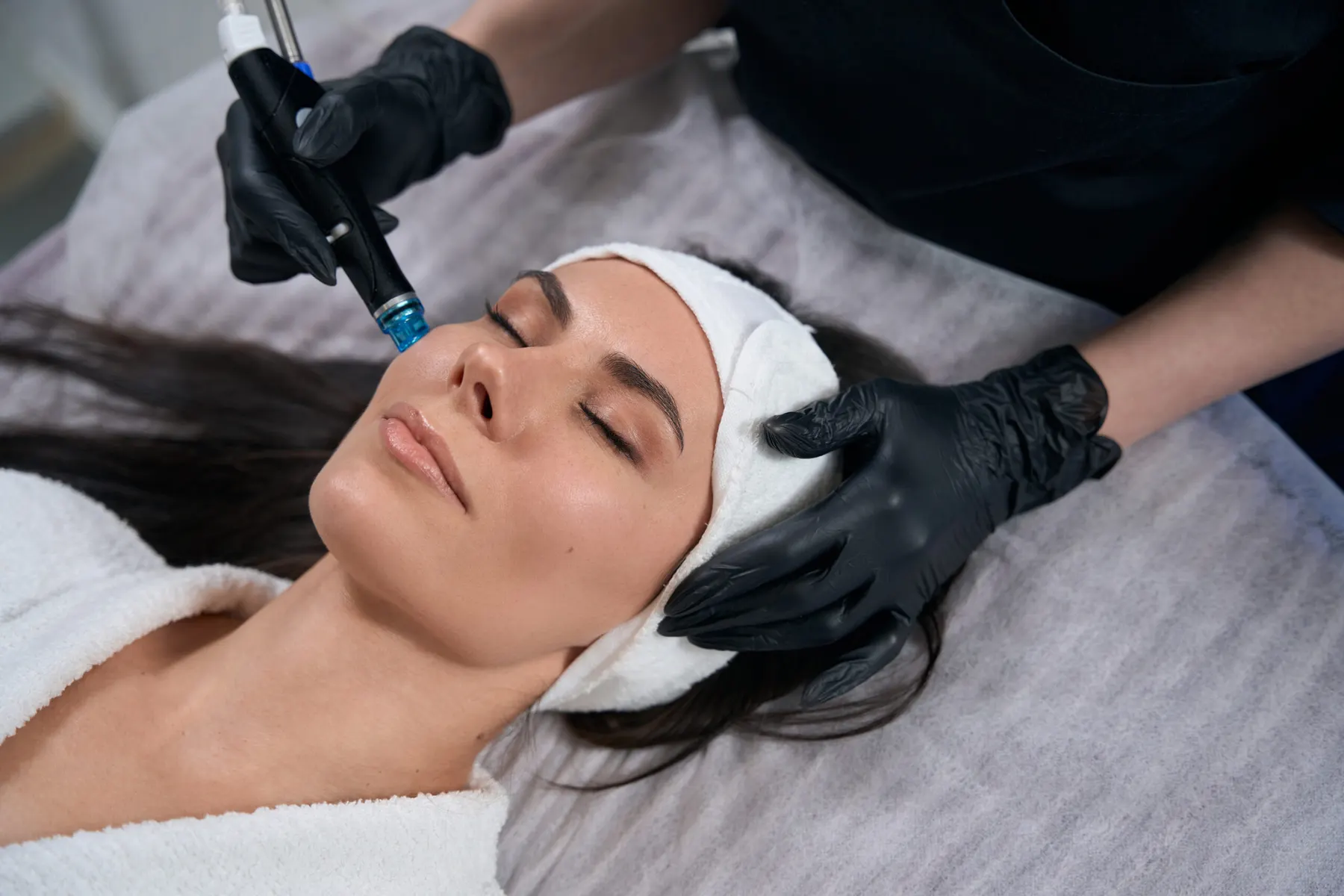 Morpheus8Treatment Lines & WrinklesConcern
 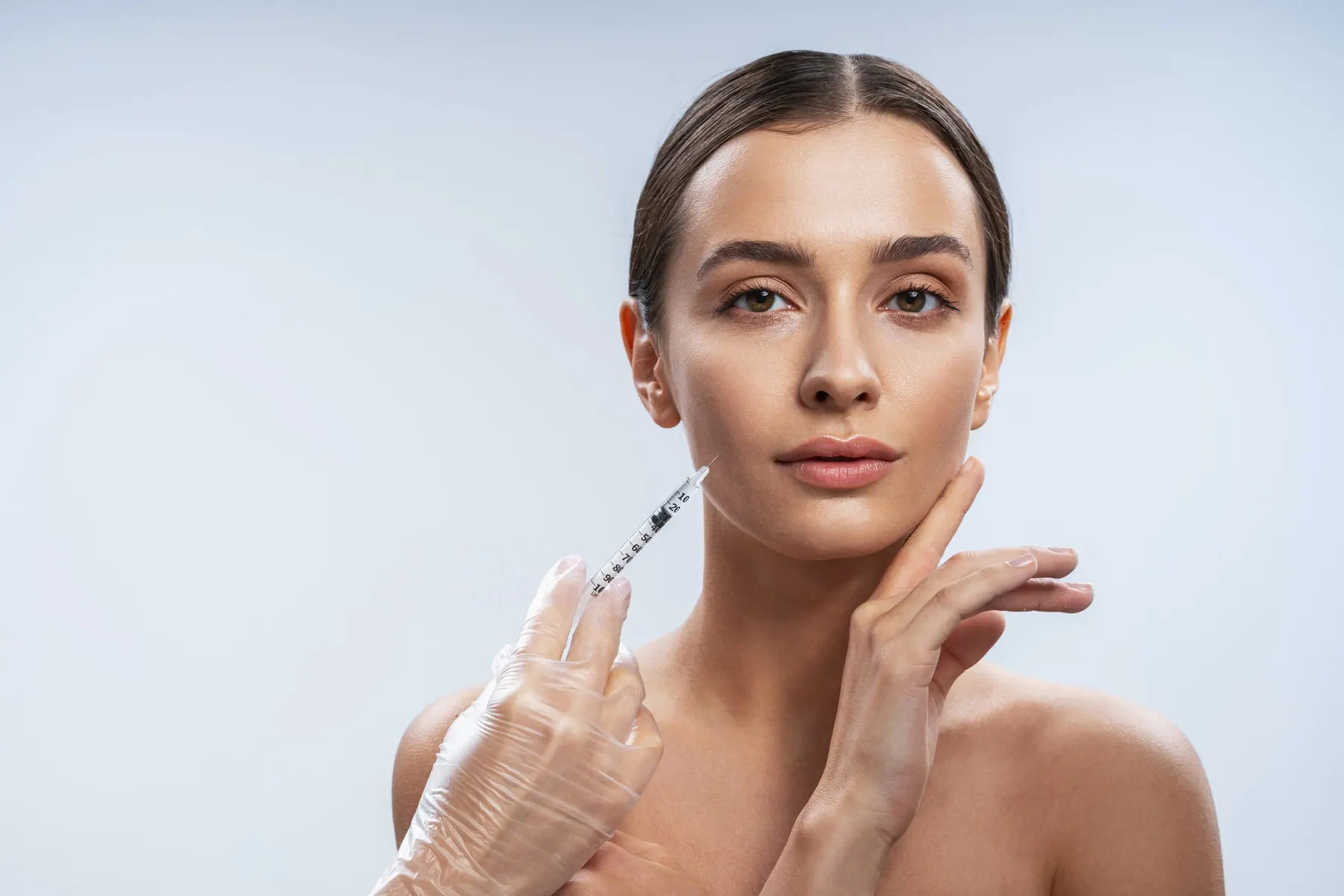 Sunken Cheeks and Volume LossConcern
 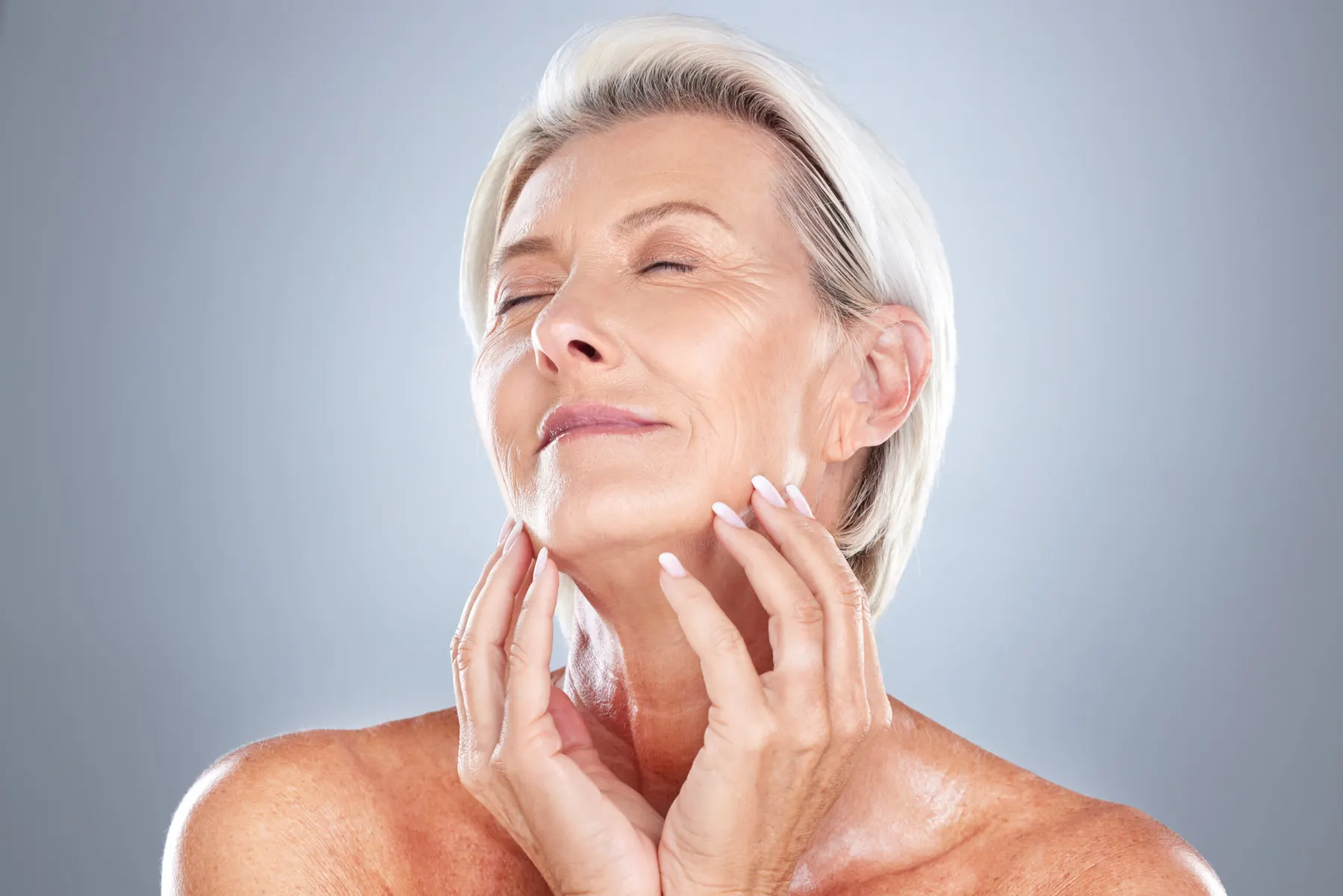 Sagging Skin and LaxityConcern
 05 · Who performs these treatments
The people behind
the writing.
Nobody here injects without a nursing licence. The guides on this site are written by the same people who carry out the treatments they describe.





06 · Asked and answered
The questions
that follow.
At what age does the face actually start to change?
Collagen production begins declining in the twenties, but nobody notices then because the loss is small and the rest of the structure is intact. What people usually notice first is in the mid to late thirties: lines that used to disappear when the expression stopped now stay faintly, and skin takes longer to look rested after a bad night. The structural changes underneath, bone and deep fat, are usually visible from the forties onward.
Is it too late to start?
No, and that framing is worth resisting. Different ages call for different treatments rather than a window closing. In your thirties the work is mostly preventive and about texture. In your forties and fifties it is more often about volume and laxity. In your sixties and beyond it is about skin quality and being realistic about what a non-surgical treatment can do. Every one of those has something worth doing.
What is the single most effective thing?
Sun protection, and it is not close. Photoageing accounts for the majority of visible facial ageing, and it is the part that is preventable rather than inevitable. No injectable, laser or serum outperforms not accumulating the damage in the first place. That is a genuinely unglamorous answer and it is still the true one.
Why does my face look different after losing weight?
Facial fat sits in compartments, and they empty before the deeper structural ones do. Significant or rapid weight loss, including on a GLP-1 medication, can leave the face looking hollow and older even when the result elsewhere is exactly what somebody wanted. It is common enough to have its own name, and it is treatable, usually with volume replacement rather than with anything applied to the surface.
Does menopause change my skin?
Yes, and more sharply than the years either side of it would suggest. Oestrogen supports collagen, skin thickness and hydration, and its decline is the reason skin can change noticeably over a short period around menopause when it was stable for two decades before. It is not your imagination and it is not something you did.
Which treatment should I start with?
That depends on which layer is causing what you see, which is the whole argument of this article and the reason a consultation exists. Someone whose complaint is texture and someone whose complaint is a heavier jawline need different treatments, and a clinic that recommends the same one to both is selling rather than assessing.