Bradford Skin Clinic in Bradford, Ontario runs shadowing and hands-on days for nurses, separate from its courses. A shadowing day is a day in a working clinic watching real appointments with real clients. A hands-on day is supervised injecting. Neither is a course, and neither replaces one.
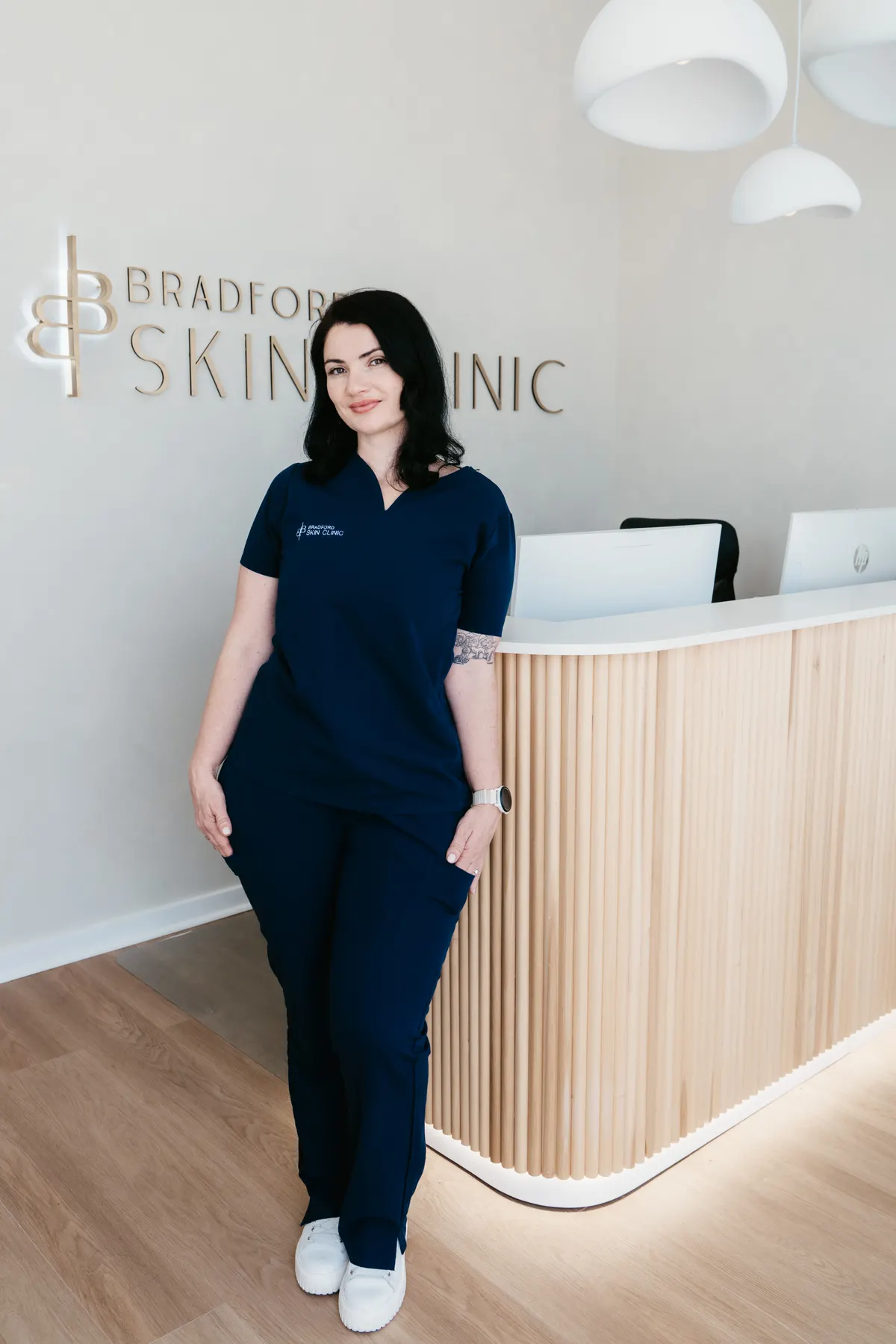
Written and reviewed by Alex Dinovich, NP, Nurse Practitioner and Medical Director at Bradford Skin Clinic & Medical Spa.
College of Nurses of Ontario registration 13564840, verifiable on the
public Find a Nurse register.
Last reviewed .
At a glance
The short version.
InvestmentConfirmed when you enquire
FormatIn person, in our Bradford treatment rooms
Who it is forCurrent registration with the College of Nurses of Ontario as an RN, RPN or NP
What the course includes
Placeholder. This list is stand-in copy while the
clinic confirms the detail. Anything in square brackets is an open question.
Included in the course fee
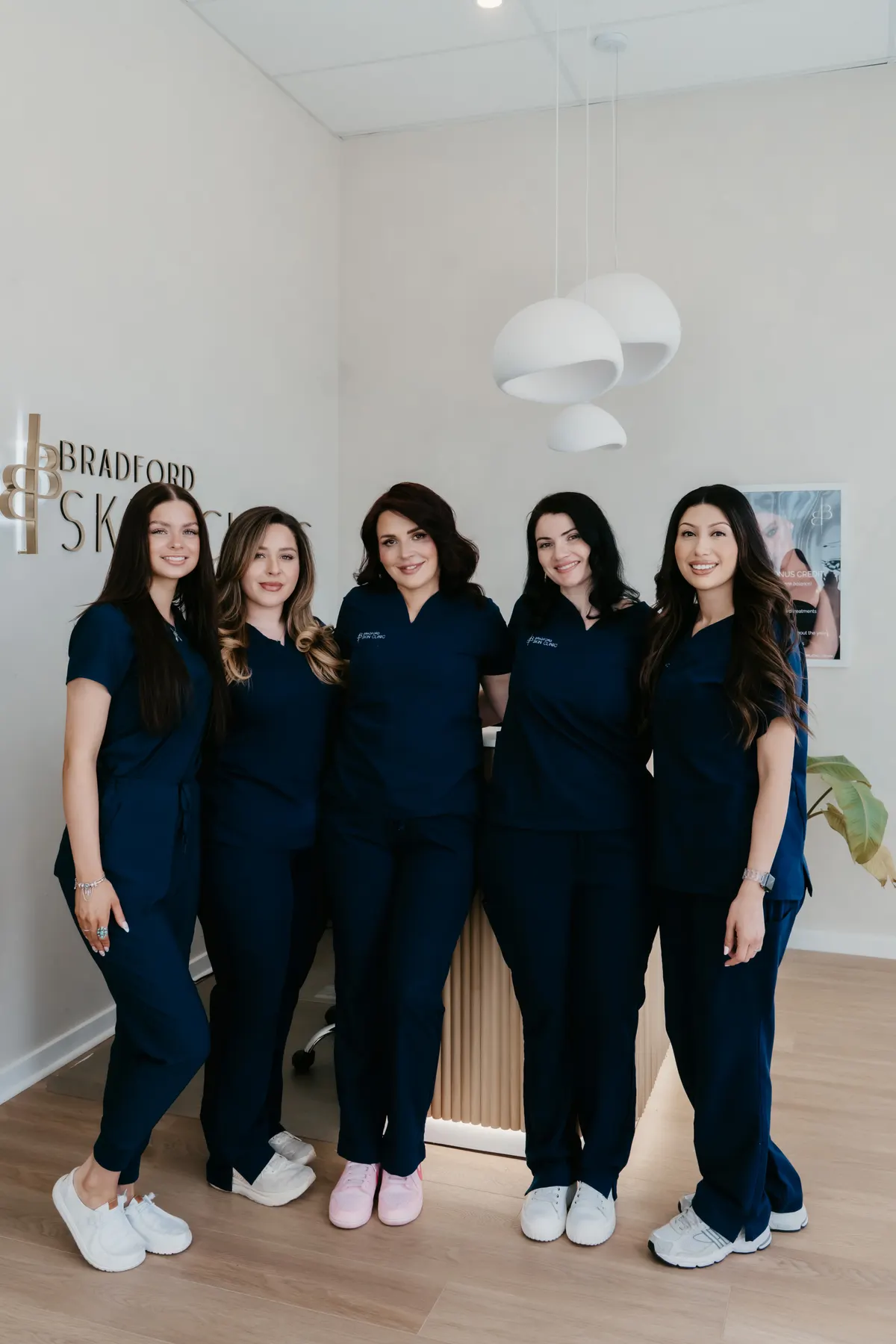
A full clinic day alongside the team
Observation of assessment, consent and treatment
Time with Alex to ask what you cannot ask in a classroom
[To confirm with Alex: how many days, the fee, how many nurses per day]
Not included: an authorising mechanism. The course gives you competence. Authority is a separate thing, and it comes from an authorised provider.
What a day looks like
How the work is actually done.
Every client is asked in advance and agrees. Consent is theirs to give and to withdraw on the day.
How a consultation is run.How a plan is explained.How somebody is told no.
What the course gives you
Technique, on real anatomy.
Assessment, consent and documentation.
Competence you can demonstrate.
What you still need
Current registration with the College of Nurses of Ontario.
An authorising mechanism from an authorised provider.
A directive or a direct order that covers what you actually do.
Competence is not authority.
Ontario issues no injector licence, and no course grants legal authority to inject.
We can author the mechanism. You are not obliged to use us for it.
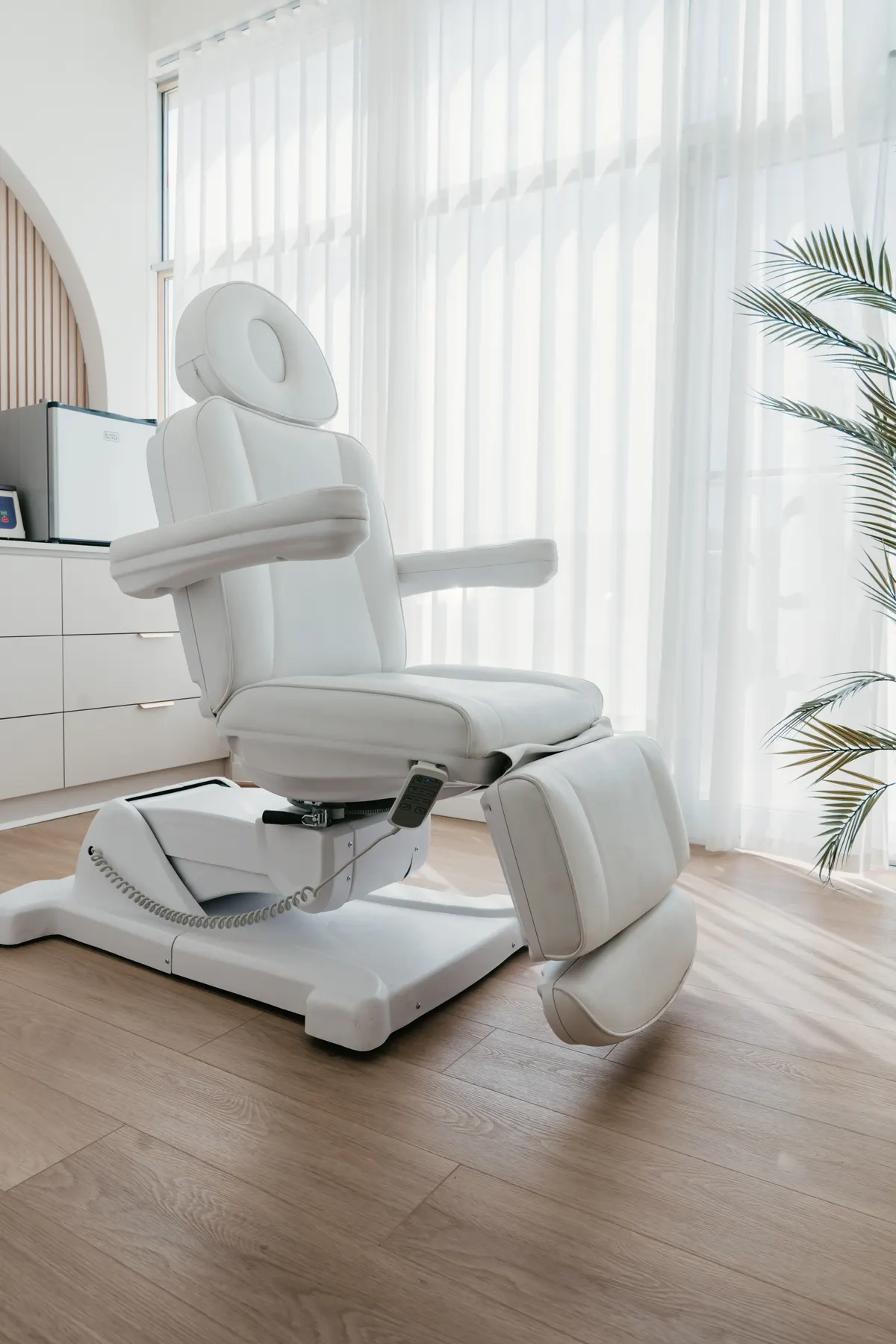
Taught on real anatomy, in a working treatment room.
A day is not a course, and we will not sell it as one
There are two things a nurse can buy from a clinic, and they get muddled constantly.
The first is training: a structured course that takes you through anatomy, product, assessment, consent, technique and complications, and assesses whether you can do it. The second is time in a working clinic. Watching how a real consultation runs. Seeing what a client actually asks. Watching somebody be told, politely, that the thing they came in for is not the thing they need.
Both are useful. They are not interchangeable, and a day of shadowing does not shorten a course.
What a shadowing day looks like
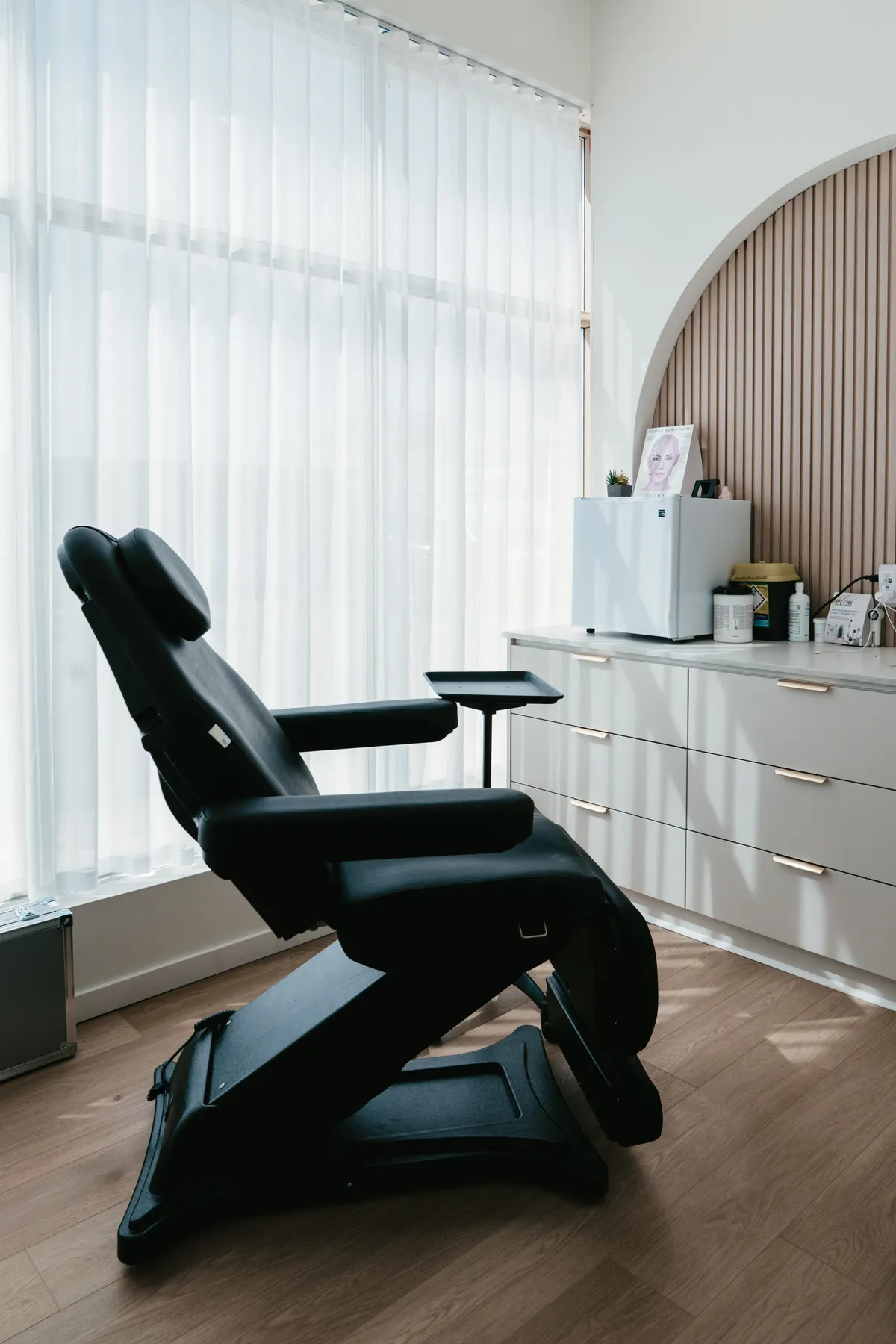
You arrive when the clinic opens and you stay for the working day. You sit in on consultations and treatments where the client has agreed in advance to your being there. Between appointments you ask whatever you like, and the honest answers are the point of the day.
What tends to surprise people is how little of the day is injecting. Most of it is assessment, explanation, and managing what somebody expected against what is achievable. That ratio is the single most useful thing to see before you decide this is the career you want.
What a hands-on day looks like
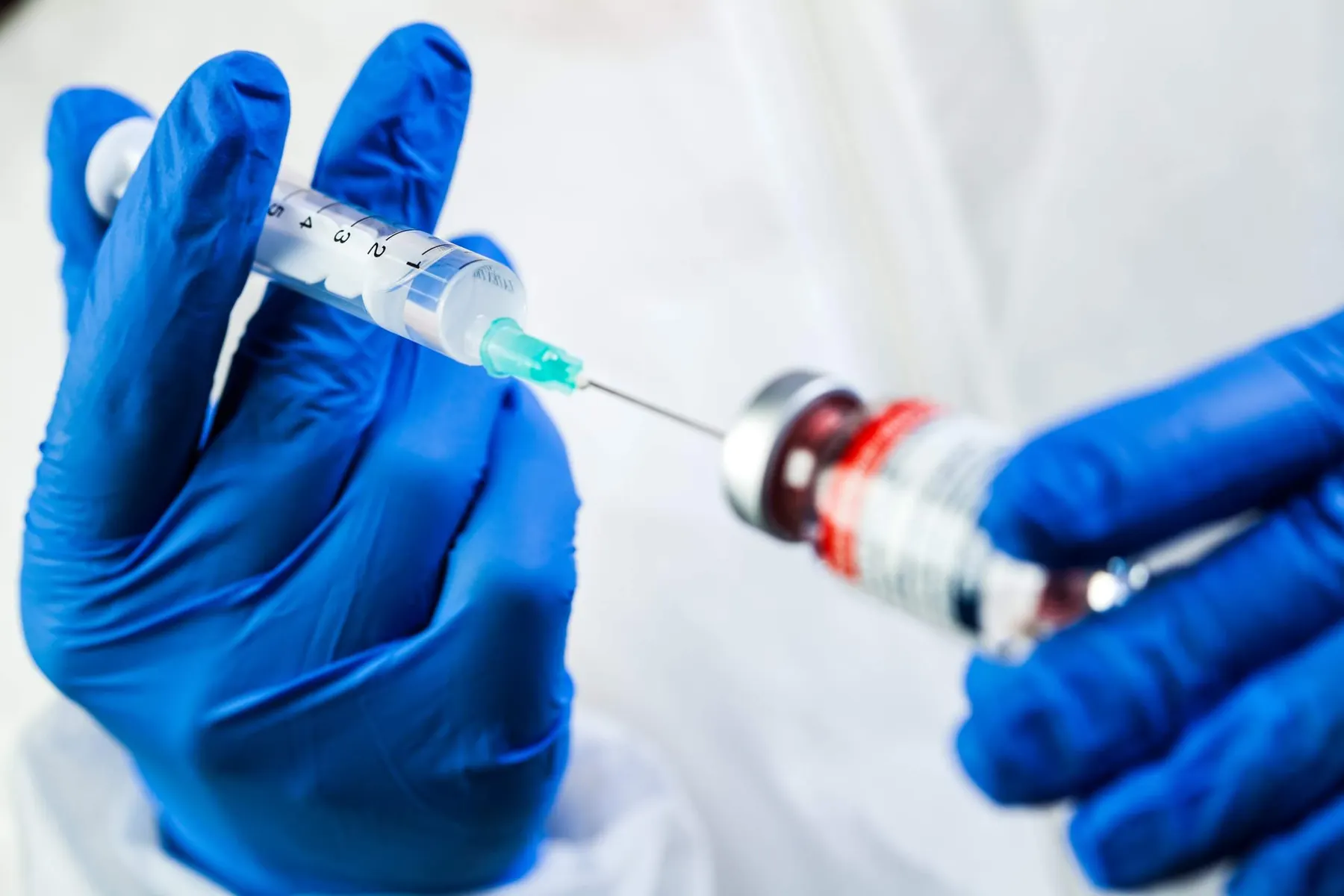
You inject, under direct supervision, on clients who have consented to a supervised treatment. Your supervisor is in the room for every injection and the treatment plan is agreed before you touch anybody.
This is for nurses who have already trained, here or elsewhere, and who need volume and feedback rather than instruction. If you have done a two-day course and then not injected for six months, this is usually what you actually need.
Who a day suits
A nurse considering aesthetics who wants to find out what the work is before spending on a course.
A nurse who has completed training and has not yet injected outside a classroom.
A nurse who trained a while ago and wants supervised practice before starting independently.
A nurse who is about to set up on their own and wants to see how a clinic day is actually run.
Who it does not suit
Anyone not currently registered with the College of Nurses of Ontario. This is not observation for the general public.
Anyone expecting to leave with authority to inject. A day gives you neither an authorising mechanism nor evidence of competence.
Anyone who wants a certificate for the wall. There is a real conversation to be had about what a day does and does not evidence, and we would rather have it before you book.
The part people find out too late
Neither a shadowing day nor a hands-on day makes injecting lawful for you.
In Ontario, injecting a neuromodulator or a dermal filler involves two controlled acts: administering a substance by injection, and performing a prescribed procedure below the dermis. A Registered Nurse or Registered Practical Nurse cannot initiate either one. You need an authorising mechanism, a direct order or a directive, from an authorised provider.
That is a separate arrangement, from a separate person, and it is worth understanding before you spend anything at all. We do that side too, and we would tell you the same thing if you were buying it from somebody else.
Booking a day
Dates, numbers and what a day costs are confirmed when you enquire, because they depend on the clinic’s own list on the day and on which of the two you need. Tell us where you are up to, and we will tell you honestly which day is worth your time, including when the answer is neither yet.
Asked by nurses
Asked and answered.
What is the difference between a shadowing day and a course?
A course teaches you a technique from the beginning, with theory, assessment and structured practice. A shadowing day teaches you what the work is actually like. You watch real appointments in a working clinic: how the consultation is run, how a plan is explained, how somebody is told no. It is the part that no classroom can reproduce, and it is not a substitute for the course.
What is the difference between shadowing and a hands-on day?
On a shadowing day you watch. On a hands-on day you inject, under direct supervision, on consenting clients. Which one is right depends on your training so far and on your registration class, and we would rather work that out with you before you book than have you turn up to the wrong one.
Do I need to have completed a course first?
For a hands-on day, yes, or the equivalent training elsewhere. For a shadowing day, no. Shadowing before you commit to any course is a sensible way to find out whether you actually want to do this work, and we would far rather you discovered that on our floor than after you had paid several thousand dollars.
Does a shadowing day mean I can inject afterwards?
No. Nothing in a day of watching gives you authority to perform a controlled act. Injecting a neuromodulator or a dermal filler needs an authorising mechanism from an authorised provider, and it needs demonstrated competence. A day with us is evidence of neither on its own.
Will there be real clients?
Yes, and every one of them will have been asked in advance and will have agreed. Anybody who would rather not have an observer present says so, and that appointment is not one you sit in on. Consent is theirs to give and to withdraw on the day.
How many people are in the room?
Kept deliberately small, because a treatment room is a treatment room and not a lecture theatre. Numbers, dates and what a day costs are confirmed when you enquire.
Sources
Where this comes from.
Everything on this page is drawn from the regulator, not from a
competitor's marketing. Read the originals rather than taking our word for any of it.
General information about Ontario regulatory requirements. Not
legal or regulatory advice. Nurses remain accountable to the College of Nurses of Ontario
for their own practice decisions.
Talk to us
Ask before you commit to anything.
Leave four details and Alex will come back to you directly. If what
you need is not something we do, we will say so and point you at whoever does.

 Written and reviewed by Alex Dinovich, NP, Nurse Practitioner and Medical Director at Bradford Skin Clinic & Medical Spa.
College of Nurses of Ontario registration 13564840, verifiable on the
public Find a Nurse register.
Last reviewed .
Written and reviewed by Alex Dinovich, NP, Nurse Practitioner and Medical Director at Bradford Skin Clinic & Medical Spa.
College of Nurses of Ontario registration 13564840, verifiable on the
public Find a Nurse register.
Last reviewed .