BBL light therapy
Skin & laser
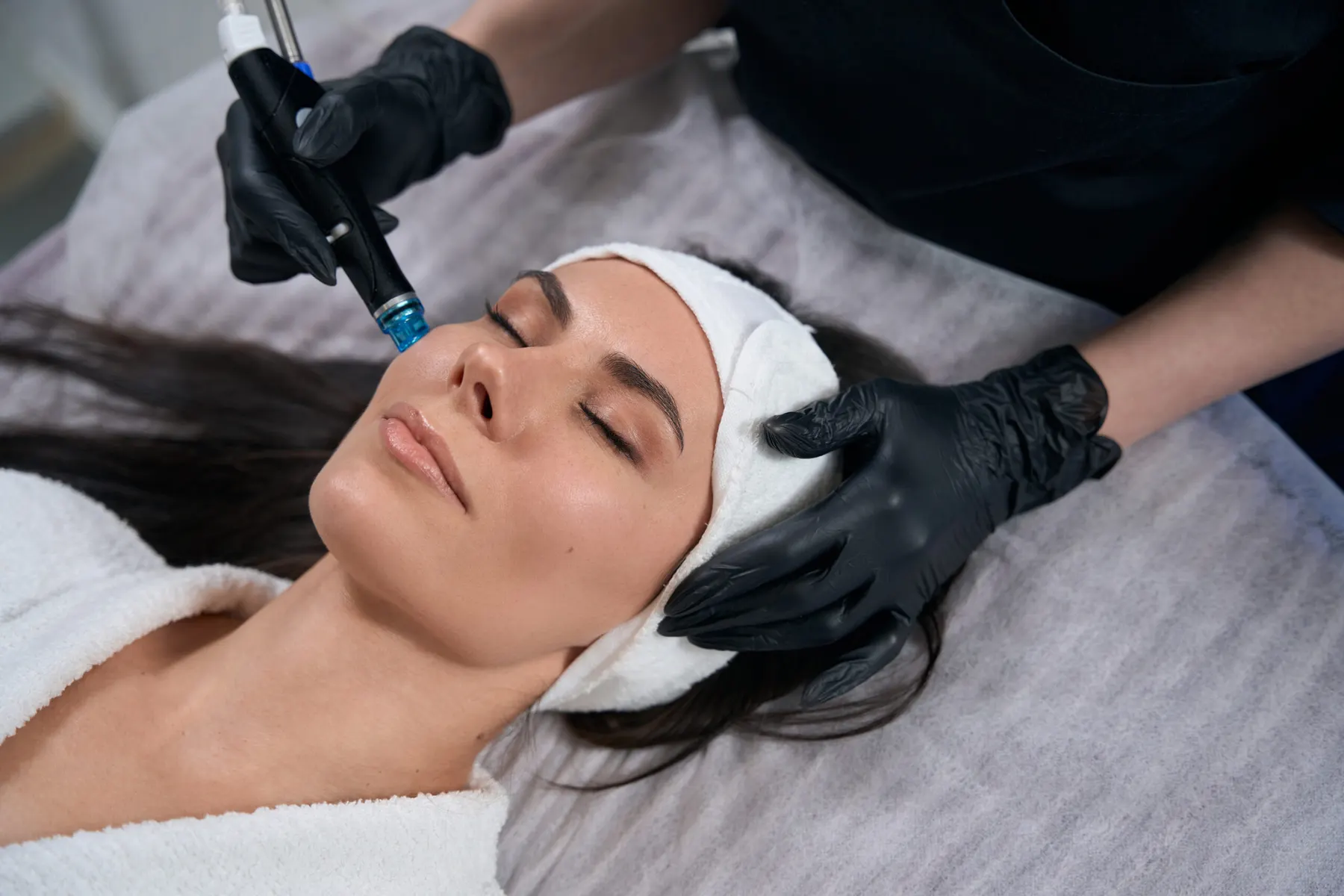
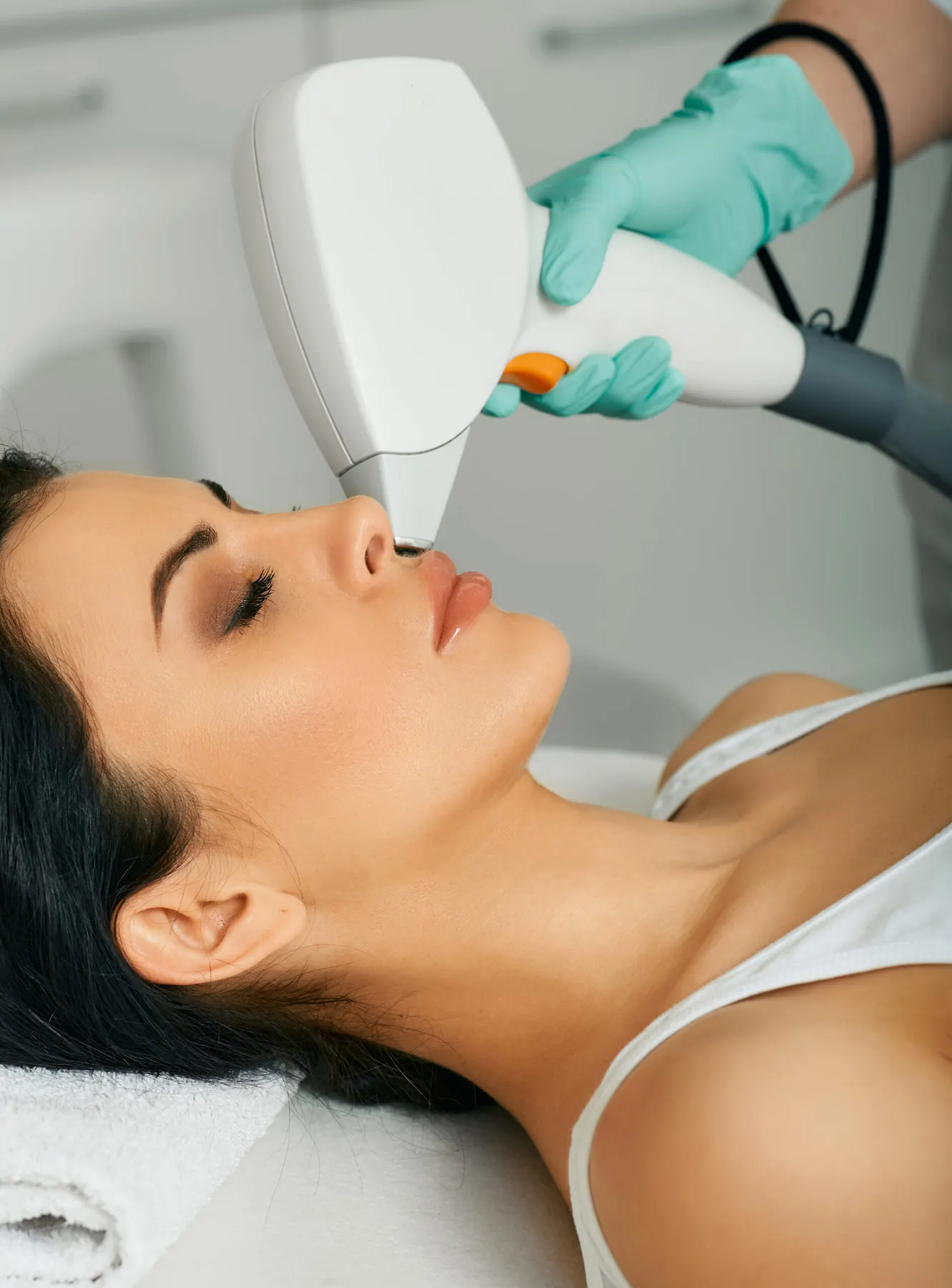
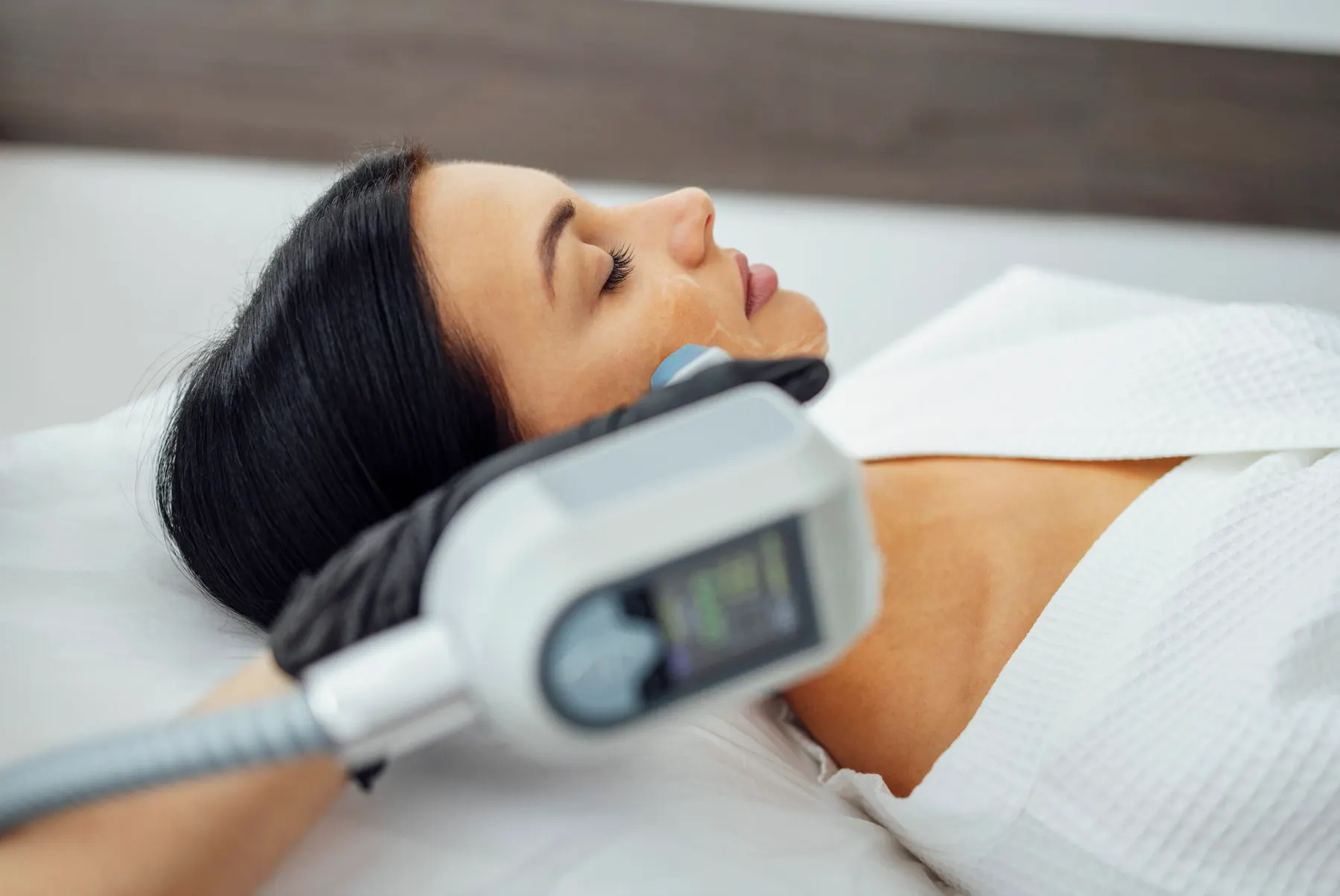
Filtered broadband light that targets the colour in your skin, absorbed by red vessels and brown pigment while leaving surrounding tissue alone.
from $150 About BBL light therapy →

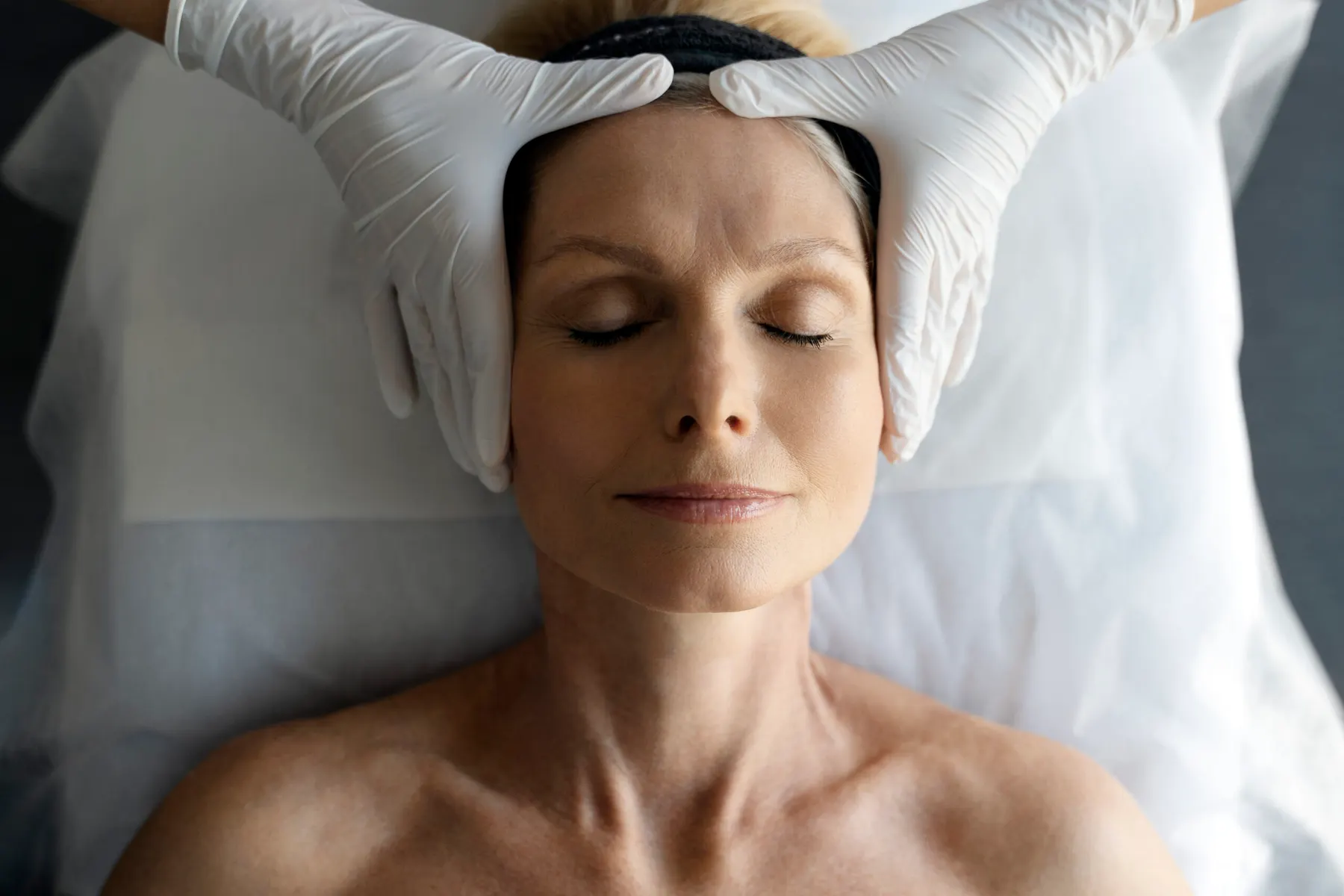
Pigmentation is the appearance of darker patches or spots on the skin caused by excess melanin production or deposition, arising from sun exposure, inflammation, hormones or injury; most types can be lightened and evened out significantly, though pigment-prone skin usually needs ongoing protection to hold the result.
02 · The honest version
Dark spots, patches and uneven skin tone, why identifying the type matters more than picking a treatment, and what we can do about it.
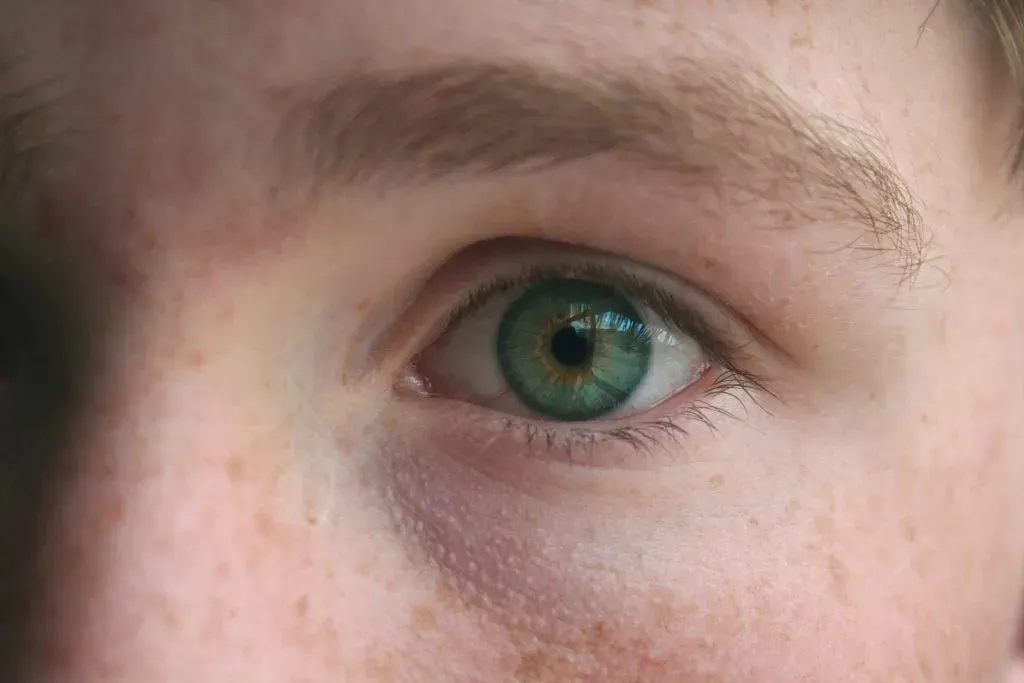
Every face is different. This page is the general picture. What is actually happening on your skin is something a nurse should look at up close, in clinic light, before anyone recommends a treatment.
Does it get worse? That depends on the concern and on you. It is a reason to start early, not a reason to panic - and we will tell you plainly where you are rather than where a treatment plan would be easiest to sell.
Pigmentation is one of the few skin concerns where getting the diagnosis wrong does not just waste money, it can actively make things worse. Two brown patches on two cheeks can look almost identical and need opposite approaches. So before anything else, this page is about telling them apart.
All pigmentation comes down to melanin, the pigment made by melanocytes in the base of the epidermis. Melanin exists to absorb ultraviolet radiation and protect the cells beneath. The problem is not that your skin makes melanin, it is that it makes it unevenly, in the wrong places, or in response to things that should not provoke it.
Solar lentigines (sun spots or age spots) are discrete, flat, well-defined brown marks that appear on the areas that get the most sun: the cheeks, the backs of the hands, the chest and shoulders. They are the result of cumulative ultraviolet exposure, they sit relatively superficially, and they generally respond well to light-based treatment.
Post-inflammatory hyperpigmentation is the flat brown or grey mark left behind after the skin has been inflamed. Acne is the most common cause, but eczema, a burn, a scratch, waxing or an over-aggressive treatment can all do it. It fades on its own, but slowly, and it can be accelerated. It is much more common and more persistent in richer skin tones.
Melasma is a symmetrical, patchy pigmentation typically across the cheeks, forehead and upper lip that is influenced by hormones and by heat as well as ultraviolet light. It behaves differently from everything else here and can be worsened by exactly the treatments that clear sun spots. We give it its own page for that reason.
Freckles (ephelides) are genetically determined, darken with sun exposure and fade in winter. They are entirely benign, and treating them is a personal preference rather than a clinical need.
Ultraviolet exposure is the dominant factor for most people, and it accumulates from ordinary daily life rather than from beach holidays. Visible light and infrared heat also contribute, particularly for deeper pigment. Inflammation of any kind can trigger pigment deposition, which is why picking at a spot reliably leaves a mark that outlasts the spot by months. Hormonal change is a major driver for some people, and certain medications increase how reactive your skin is to light.
The assessment comes first: what type of pigmentation this is, how deep it sits, what your skin type is, what your history of pigment response looks like, and whether anything about a specific lesion needs medical review before we touch it. That last check is not optional.
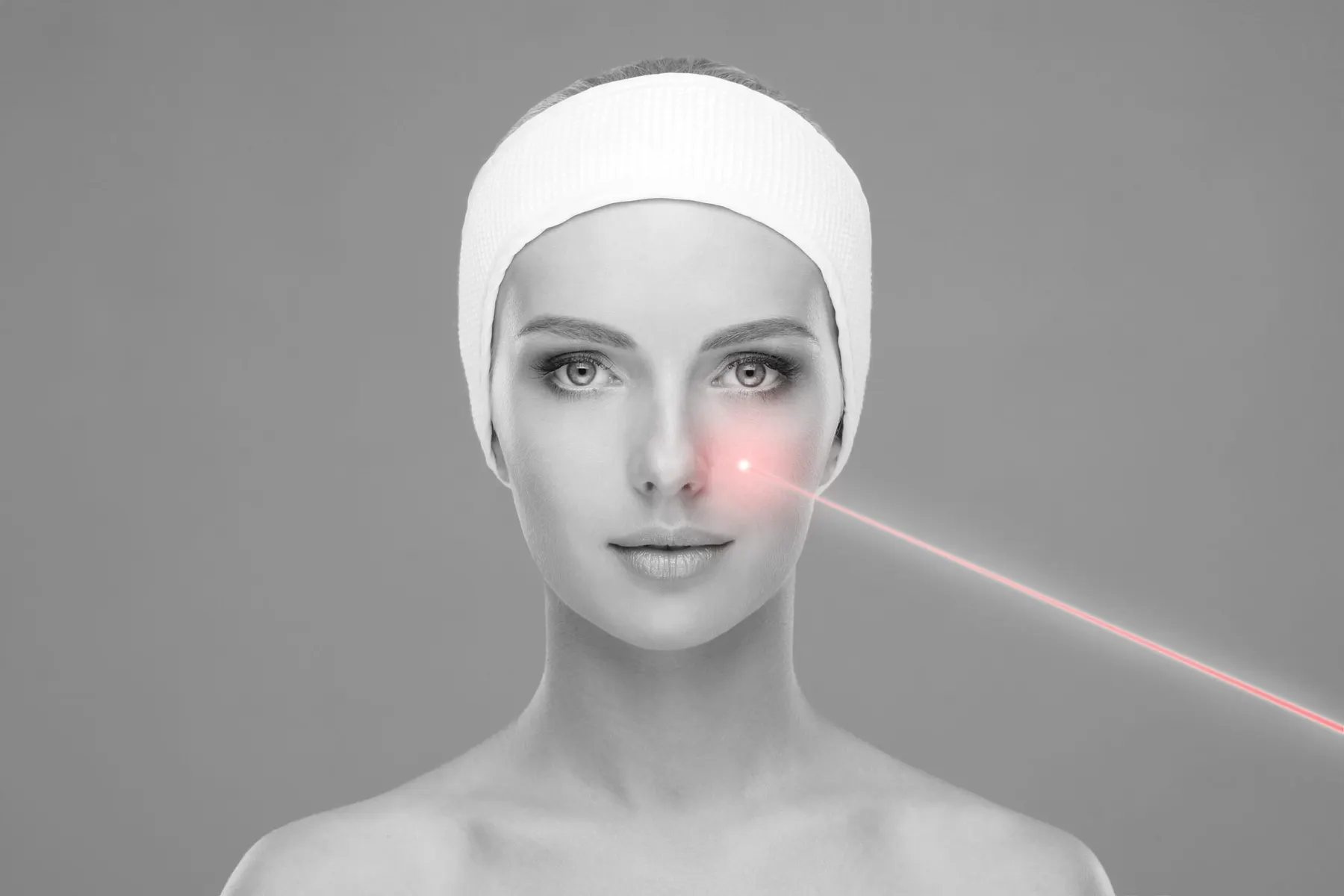
BBL broadband light is our primary tool for sun-induced pigmentation. The light is absorbed by melanin in the pigmented areas, which are then cleared by the skin over the following days.
Medical-grade peels work by accelerating turnover of pigmented cells and, depending on the formulation, by interrupting melanin production. They are useful across several pigmentation types and are often the safer first choice in richly pigmented skin.
Microneedling improves overall tone and, importantly, helps deliver topical actives more effectively.
CO2 laser resurfacing is the most intensive option and is reserved for cases where pigmentation sits alongside significant texture and sun damage.
Hollywood Carbon Peel suits congested, uneven skin where tone and texture are both concerns.
Whichever route we take, the maintenance conversation is part of the treatment rather than an afterthought. Pigment-prone skin that is not protected daily will simply repigment, and we would rather be honest about that before you spend anything.
04 · What we actually offer
These are the ones we use for pigmentation. Not every face needs all of them, and we will say so. The goal in every case is the same: treat the cause, not the photograph.
Skin & laser
Filtered broadband light that targets the colour in your skin, absorbed by red vessels and brown pigment while leaving surrounding tissue alone.
Skin & laser
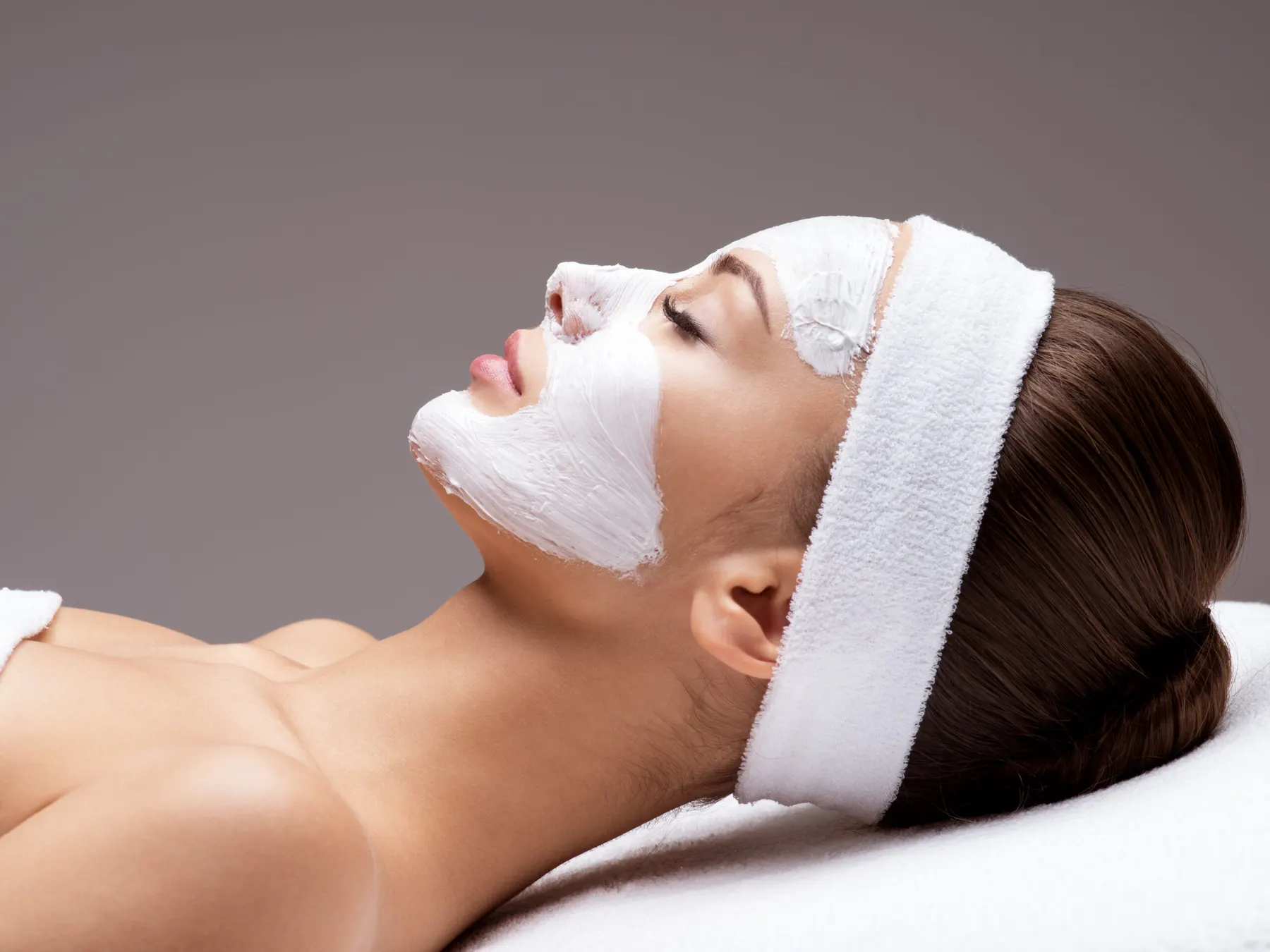
Chemical solutions applied at a controlled strength and depth to shed damaged skin, chosen for your concern rather than sold as a single signature peel.
Skin & laser
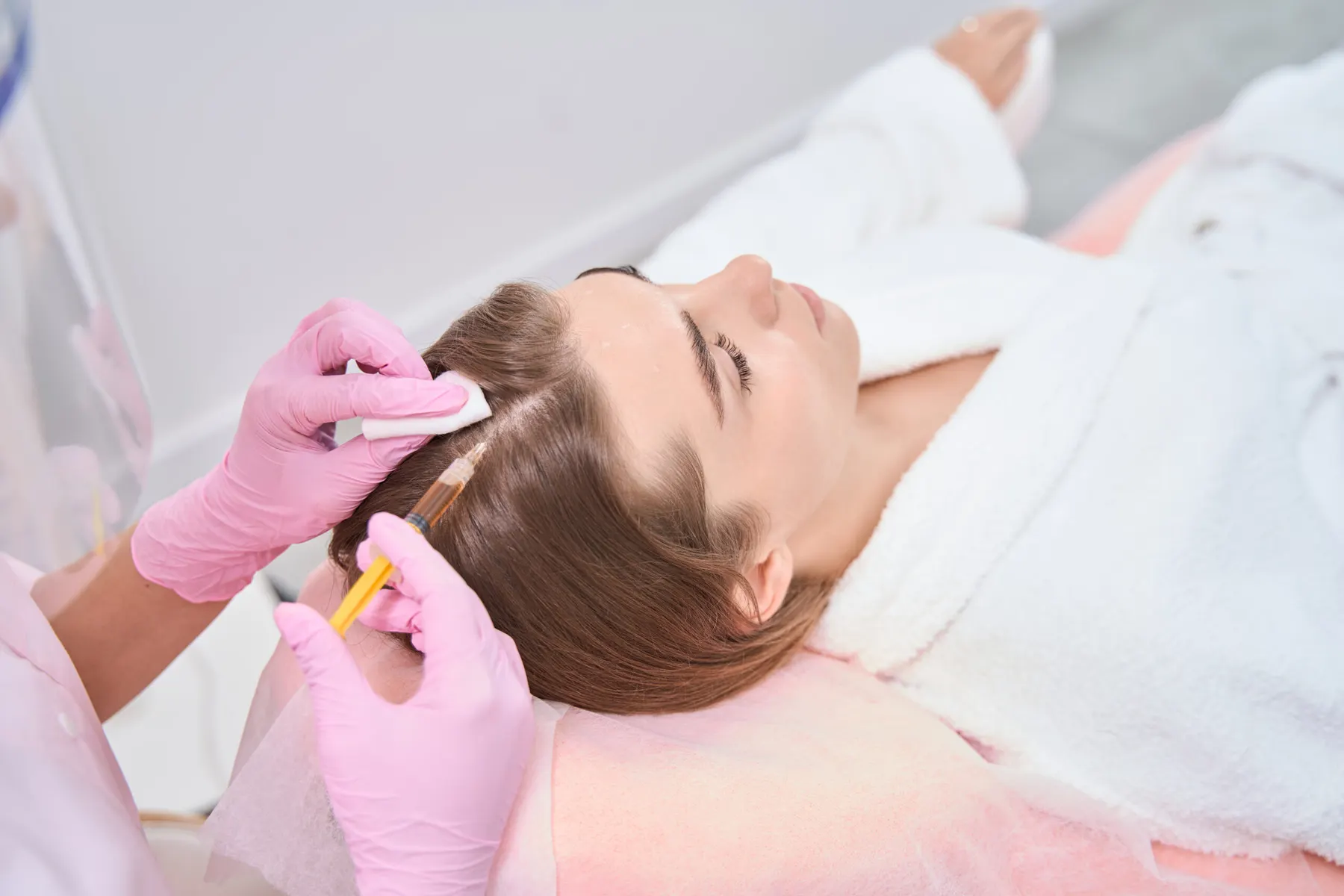
Sterile needles creating thousands of controlled micro-channels so the skin repairs itself with new collagen, at a depth chosen for your concern.
Skin & laser
An ablative fractional laser that removes columns of damaged skin so the surrounding tissue heals into something smoother and firmer.
Skin & laser
A layer of carbon lotion applied to the skin then targeted with laser, lifting oil and debris out of the pores and refining the surface.
Every plan is personalised. Which of these you need, in what order and how often, is decided after a nurse has looked at your skin - not before. We will also tell you when a treatment is wrong for you, and we say it before you book.
05 · What actually happens
If you have been putting this off, this section is for you. A consultation costs you nothing and commits you to nothing - you are allowed to walk out having booked absolutely nothing.
She is the one who answers the phone and the texts, so you will already have spoken to her. No clipboard interrogation in the waiting room.
In clinic light, up close, with your makeup off if you are wearing any. This is the part people dread and it takes about a minute.
When it happens, what you had noticed before it happened, what you have already tried and what made it worse. Bring your current products if it is easy.
What we would do, in what order, and what it costs - including the option of doing nothing yet. If a treatment is wrong for you, we say so here, not after.
Nothing is booked in the room unless you want it booked. No deposit, no pressure, no offer that expires on Friday.
Always so kind and personal. Took the extra time to make sure I was comfortable.
06 · Straight answers
The questions people actually ask us on the phone, answered the way we answer them on the phone.
Hyperpigmentation is the umbrella term for any excess pigment in the skin, and melasma and sun spots are two specific types under it. Sun spots, also called solar lentigines, are discrete flat brown marks caused by cumulative ultraviolet damage and generally respond well to light-based treatment. Melasma is a hormone- and heat-influenced patchy pigmentation that behaves very differently and can be made worse by aggressive light or heat, which is why we treat it as a separate condition on its own page.
Because the pigment-producing cells in the treated area are still there and still responsive to ultraviolet light. Treatment clears the pigment that has already been deposited, but it does not change how your skin responds to future sun exposure. Daily broad-spectrum SPF is not an upsell here, it is the thing that determines whether your result holds.
Individual sun spots can often be cleared very effectively and may not return in the same place if the skin is protected. Diffuse and hormonally influenced pigmentation is better described as managed, because the underlying tendency remains. We would rather set that expectation at the start than have you feel let down at month six.
It can be, but device selection and settings matter enormously, and some light-based treatments carry a genuine risk of post-inflammatory hyperpigmentation in richly pigmented skin. Your clinician will assess your skin type and history before recommending anything, and in some cases the safer sequence is to start with peels and topical work rather than a device. If we do not think a treatment is safe for your skin, we will say so.
It should not if the peel is appropriate for your skin type and applied correctly, but an overly aggressive peel on pigment-prone skin can cause inflammation that leaves more pigment behind than it removed. This is exactly why depth and formulation are chosen individually, and why a patch test and a conservative first treatment are standard practice for us.
They have a real role, particularly for maintaining a result and for preventing new pigment forming. Ingredients that interrupt melanin production or accelerate cell turnover can meaningfully improve tone over time. They generally work best combined with in-clinic treatment rather than instead of it, and some active ingredients are prescription-only.
Yes, and this matters. A pigmented lesion that is new, changing, irregular in shape or colour, itching or bleeding needs medical assessment before anyone treats it cosmetically. We assess every pigmented area before treatment and will refer you to a physician or dermatologist if anything about a lesion is not clearly benign.
It depends on the type of pigmentation, how deep it sits and which treatment is used, so we will not quote you a timeline we cannot guarantee. What we will do is photograph the area under consistent conditions and review it with you, because pigment change is gradual and genuinely hard to judge from memory.
Where this comes from
We would rather you did not take our word for any of this. These are the sources behind what is written above, and none of them are ours.
07 · Often confused, often alongside
Concerns are regularly mistaken for one another - and they rarely turn up entirely alone. These are the ones that sit closest to it.
08 · The next step is small
A pigmentation consultation costs you nothing and commits you to nothing. You will leave knowing what your skin is doing, what we would do about it, and what it would cost - whether or not you book anything.
Bring three things. Whatever you are currently putting on your face, a rough idea of when it is at its worst, and any questions you have written down. That is genuinely all the preparation we need.
Makeup is fine either way. If it is easier to arrive with it on, arrive with it on - there is a mirror and a cleanser in the room.
We answer during clinic hours, usually within the hour.
647-333-6805 Open messagesOn a desktop? Save the number and text from your phone.