Skin guides
How to choose a medical aesthetics clinic in Ontario
Ten questions worth asking before anyone injects your face, the answers that should worry you, and how to verify a clinician's registration yourself in about two minutes.
 Alex Dinovich, FNP-PHCClinically reviewed
Choose a medical aesthetics clinic on who will be treating you, what their registration is, and what the clinic does when something goes wrong. Price, decor and follower count tell you almost nothing about any of those three. This page is a checklist you can use anywhere, including here, and we have tried to write it so that it would still be useful if you decided to book somewhere else.
Start with who is legally allowed to treat you in Ontario
Injectables in Ontario are administered by regulated health professionals: physicians, nurse practitioners, and registered nurses or registered practical nurses working within the appropriate authorising framework. Estheticians may not inject in Ontario. Neuromodulators are prescription drugs. Dermal fillers are regulated as medical devices rather than drugs, but injecting either one is a controlled act in Ontario, which means it must be assessed and authorised by a provider with the authority to do so. If you cannot establish who prescribed your treatment and who is injecting it, you have found the most important problem before you have found any of the others.
Ask for the name and title of the person holding the syringe, then verify it
You are entitled to know the full name and professional title of the person treating you, and you can check it yourself. Nursing registration is publicly searchable on the College of Nurses of Ontario register, and physician registration on the College of Physicians and Surgeons of Ontario register. It takes about two minutes. Under Ontario nursing standards, nurses should be identified by name and protected title in service descriptions, so a clinic whose website refers only to “our expert team” without naming anyone has made a choice worth noticing.
The question most people forget: what happens if something goes wrong
Ask whether the clinic stocks hyaluronidase, what its protocol is for a suspected vascular occlusion, and how you reach a clinician outside opening hours. Vascular occlusion, where filler interrupts blood supply, is uncommon and is a genuine emergency in which time matters. A clinic that has planned for it will answer this immediately and without defensiveness. A clinic that has not will change the subject. This one question separates more clinics than any other on this page.
Judge the consultation, not the treatment room
A proper consultation includes a medical history covering medications, allergies, previous treatments and relevant conditions, an assessment of your face at rest and in movement, a plan you understand, a total price before treatment, and written consent with time to read it. It also includes being told what a treatment will not do. If you were assessed for less time than it takes to make a coffee, or if the plan was decided before anyone looked at you properly, the aesthetics of the reception area are not relevant.
Watch for pressure, urgency and packages sold at the first visit
Discounting is normal in this industry and is not itself a red flag. Time pressure is. Be cautious about a price that is only available today, about being moved from a consultation directly into a treatment you had not planned, and about being asked to buy a multi-session package before anyone has seen how your skin responds to one session. Booking a single treatment first and buying the package afterwards costs slightly more and is almost always the better decision.
Read before-and-after photos properly
Compare the lighting, camera angle, distance, expression and makeup between the two images. Genuine clinical photography controls for all of those, because otherwise you cannot tell what changed. Under Ontario standards for regulated nursing professionals, before and after imagery must not be misleading and results must not be guaranteed. If the “after” has better lighting, a different expression and visible makeup, you are looking at photography rather than a result.
Superiority claims are a signal, not a selling point
“Best injector in Ontario”, “Canada’s number one clinic”, “you will not find better” are unverifiable superiority claims, and they are not permitted in advertising by regulated nursing professionals in Ontario. A clinic making them has either not read the standard or has decided not to follow it. Specific, checkable statements are more persuasive anyway: a named clinician, a licence number, a real review count, a named regulator.
Ask what the clinic will not do
The most useful thing a clinic can tell you is where its limits are. We do not treat cellulite, because nothing on our menu treats it in a defensible sense. We treat facial broken capillaries with broadband light and do not offer sclerotherapy for leg veins. We refer suspicious or changing pigmented lesions for physician assessment rather than removing them cosmetically. We are not a surgical clinic and do not perform facelifts or surgical eyelid surgery. Ask any clinic you are considering the same question. The ones with a clear answer have thought about scope; the ones who say they can help with everything have not.
Ten questions to take with you
Who will assess me, and who will inject me? What are their names, titles and registration numbers? Who is the prescriber? Which product and how much? Is that the total price, and does it include HST? What is your review and adjustment policy? Do you stock hyaluronidase and what is your complication protocol? How do I reach a clinician after hours? What will this treatment not do for me? What happens to unused sessions if I buy a package? Any clinic worth your money can answer all ten in one conversation.
Where we stand, stated plainly
Bradford Skin Clinic & Medical Spa is nurse-practitioner-led. Alex Dinovich, FNP-PHC, is our Nurse Practitioner, Medical Director and authorised prescriber, licence #13564840, registered with the College of Nurses of Ontario. Our injectors are Registered Practical Nurses: Kaitlyn Meli, Ashley Bravo and Yuliya Leonov. We hold 4.9 stars from 460 Google reviews, which you can read and count yourself. We have one location, at 444 Holland St W, Unit #2, Bradford, Ontario, and we do not operate any others. Every one of those statements is checkable, which is the point of making them.
Written at Bradford Skin Clinic & Medical Spa, Bradford, Ontario. Clinically reviewed by Alex Dinovich, FNP-PHC, Nurse Practitioner and Medical Director.

03 · Accountability
Written here.
Checked here.
This guide was written by Bradford Skin Clinic and clinically reviewed by Alex Dinovich, FNP-PHC before it was published.
- Published
- Last updated
- Category
- Skin guides
A guide is general and your face is not. Nothing here replaces an assessment in the room, which is free and happens before anything is booked.
04 · From reading to the treatment room
What this looks
like in practice.
Published prices are starting prices, confirmed at your consultation. Where nothing is published, the dose and the plan decide the price rather than a menu.
- Anti-wrinkle injections from $10
- Dermal fillers from $600
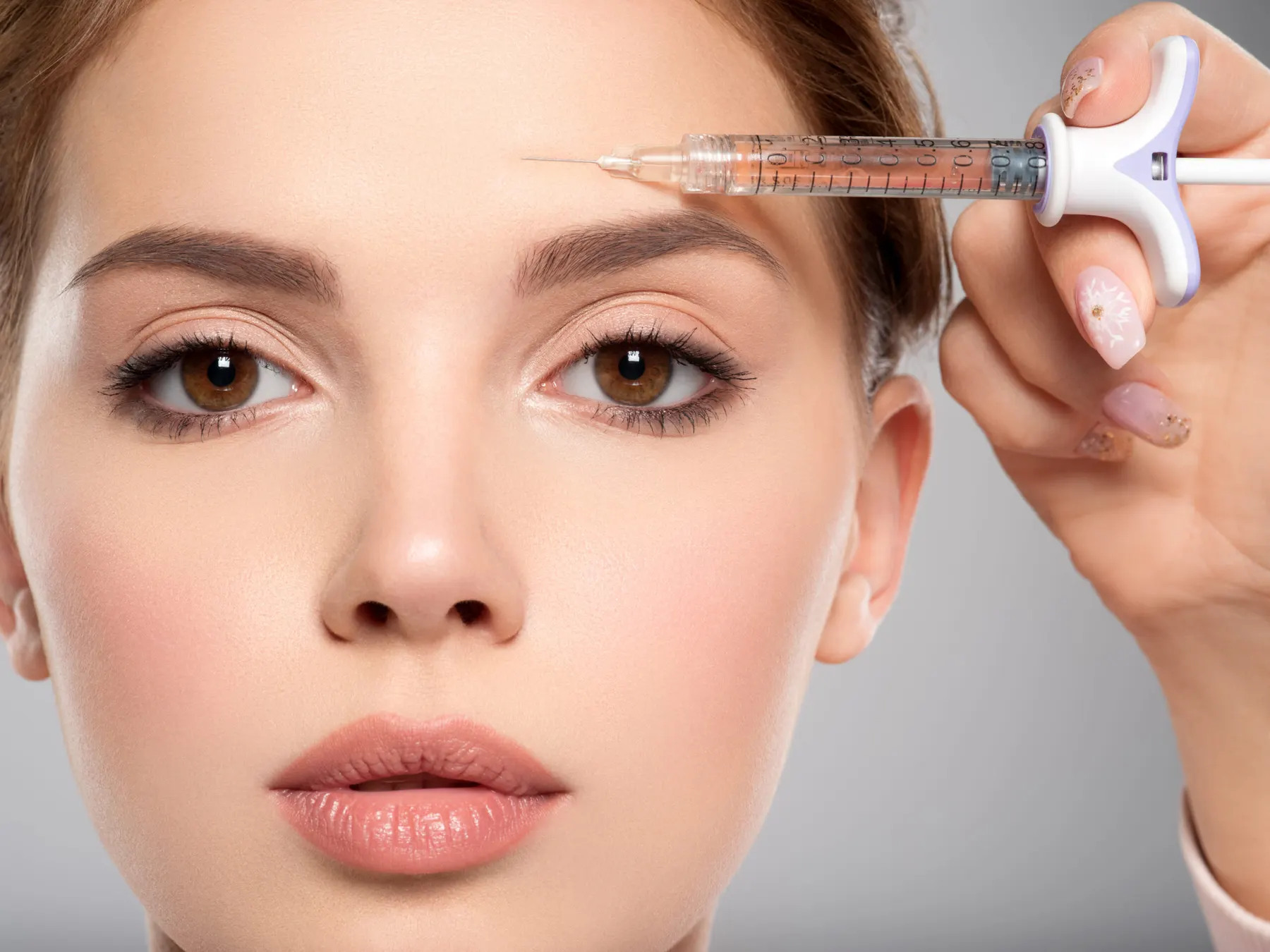
Every injectable here is placed by a licensed nurse, and every plan is signed off by our Medical Director. The consultation is free and comes before anything is booked.


05 · Who performs these treatments
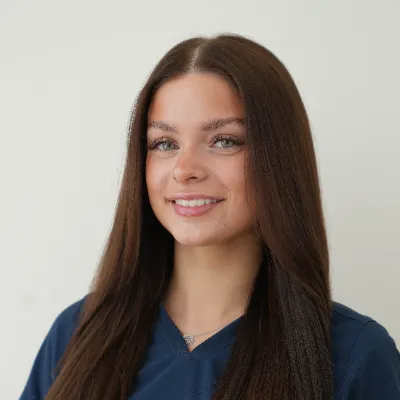
The people behind
the writing.
Nobody here injects without a nursing licence. The guides on this site are written by the same people who carry out the treatments they describe.






06 · Asked and answered
The questions
that follow.
Who is legally allowed to inject in Ontario?
Injectables in Ontario are administered by regulated health professionals: physicians, nurse practitioners, and registered nurses or registered practical nurses working within the appropriate authorising framework. Estheticians may not inject in Ontario.
Should I see a nurse practitioner or a doctor for injectables?
Either can be appropriate. A nurse practitioner in Ontario is an authorised prescriber and can assess you, prescribe and treat. What matters more than the profession is the individual's training and experience in aesthetics, their volume of the specific treatment you want, and the clinic's arrangements for handling complications.
How do I verify someone's registration?
Nursing registration is publicly searchable on the College of Nurses of Ontario register, and physician registration on the College of Physicians and Surgeons of Ontario register. You need the person's full name, which they should give you without hesitation.
What is the single most important question to ask?
Ask what happens if something goes wrong: whether the clinic stocks hyaluronidase for filler emergencies, what the complication protocol is, and how you contact a clinician outside opening hours. Clinics that have thought about this answer immediately.
Are cheap injectables ever fine?
A promotional price from an established clinic with regulated staff can be genuine. A price far below everyone else in the region, particularly on prescription products, usually reflects dilution, product sourcing or who is holding the syringe, and those are not savings.
Should I be suspicious of before and after photos?
Look at whether the lighting, angle, expression and makeup match between the two images. Under Ontario standards for regulated nursing professionals, before and after imagery must not be misleading and results must not be guaranteed. Inconsistent photographs are a genuine signal.
What about claims like best injector in Ontario?
Unverifiable superiority claims are not permitted in advertising by regulated nursing professionals in Ontario. A clinic that makes them is either unaware of the standard or unconcerned by it, and both are informative.
Is a bad first consultation a reason to leave?
Yes. If you felt rushed, pressured, or that you were being sold to rather than assessed, that is enough on its own. There is no shortage of clinics and no obligation to proceed because you booked.