Comparisons
HydraFacial vs chemical peel: maintenance or change?
One is a very good clean. The other is a controlled injury. Both are useful, but only one of them will change your pigmentation, and choosing the wrong one wastes months.
 Alex Dinovich, FNP-PHCClinically reviewed
| Aspect | HydraFacial | Chemical peel |
|---|---|---|
| What it does | Cleans, exfoliates, extracts and infuses in one pass | Applies a controlled acid so the skin sheds and rebuilds |
| Choose it for | Maintenance, congestion, and looking photograph-ready | Changing something about the skin over months |
| Active acne | Helps with congestion | Usually the stronger tool, because the acids work into the follicle |
| Result shows | The same day | Over weeks, as the skin rebuilds |
| Deeper skin tones | Straightforward | Safe, but agent, depth and preparation all have to change |
| Often confused with | Nothing | The Hollywood Carbon Peel, which is a laser treatment and not an acid peel at all |
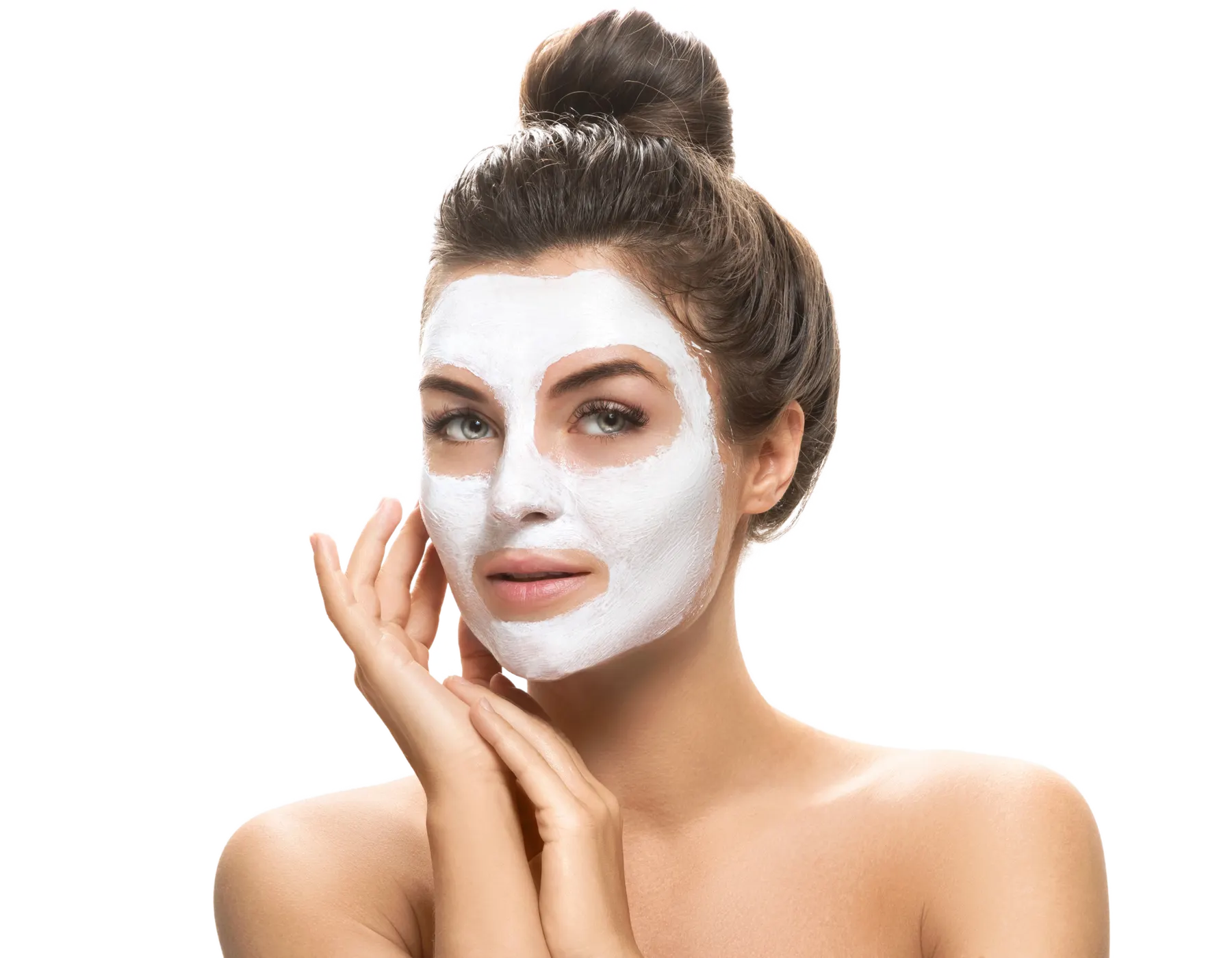
A HydraFacial is a device-based cleaning and hydrating treatment with essentially no downtime. A chemical peel is a controlled chemical injury designed to make your skin shed and rebuild, and it costs you recovery time in exchange for a bigger change. If your goal is to look good on Saturday, that is a HydraFacial question. If your goal is to shift pigmentation, texture or persistent acne, that is a peel question.
We offer both at our Bradford clinic, and the most common mistake we see is someone booking a course of facials for a problem that needed a peel, then concluding after four months that nothing works.
A HydraFacial cleans, exfoliates, extracts and infuses in one pass
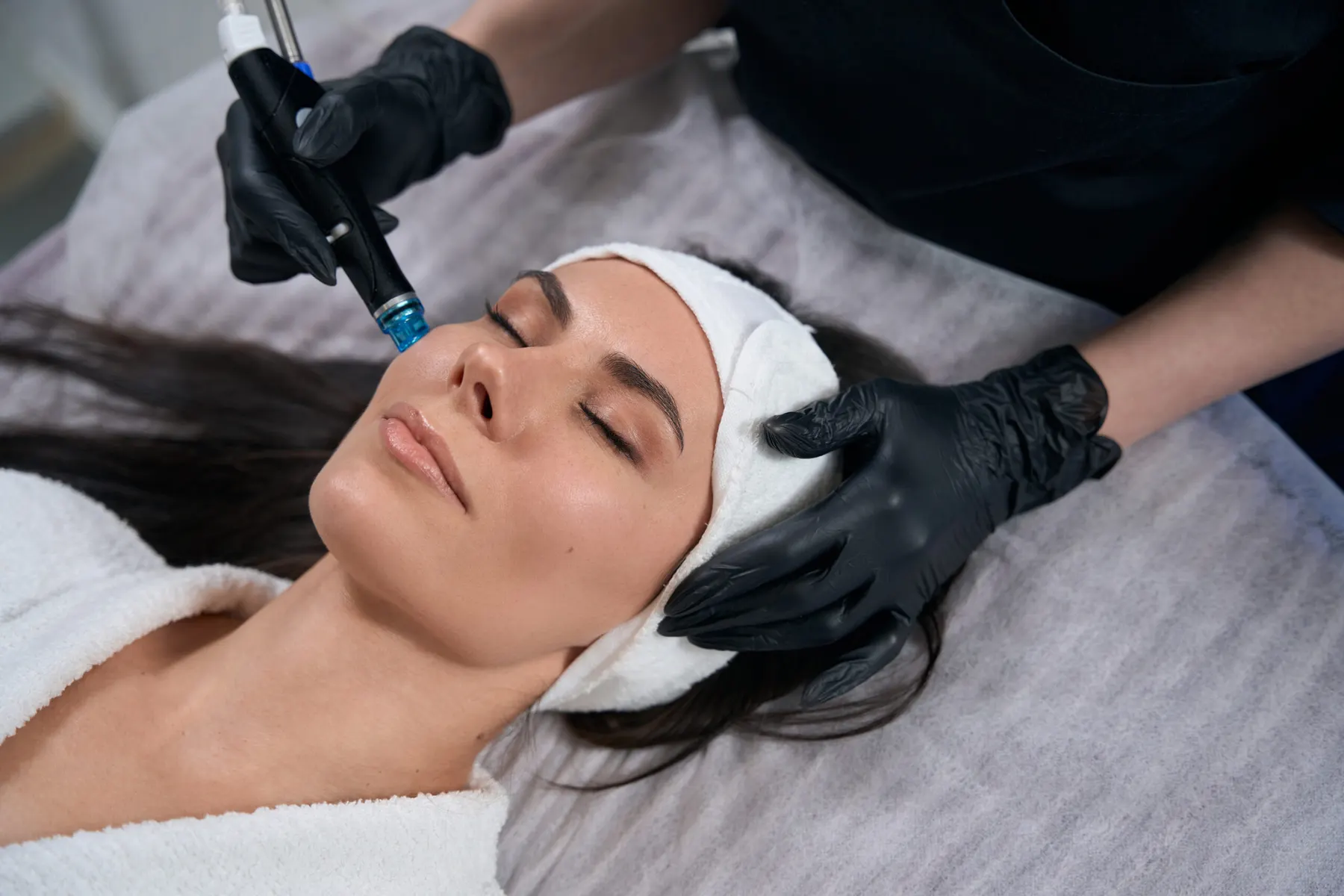
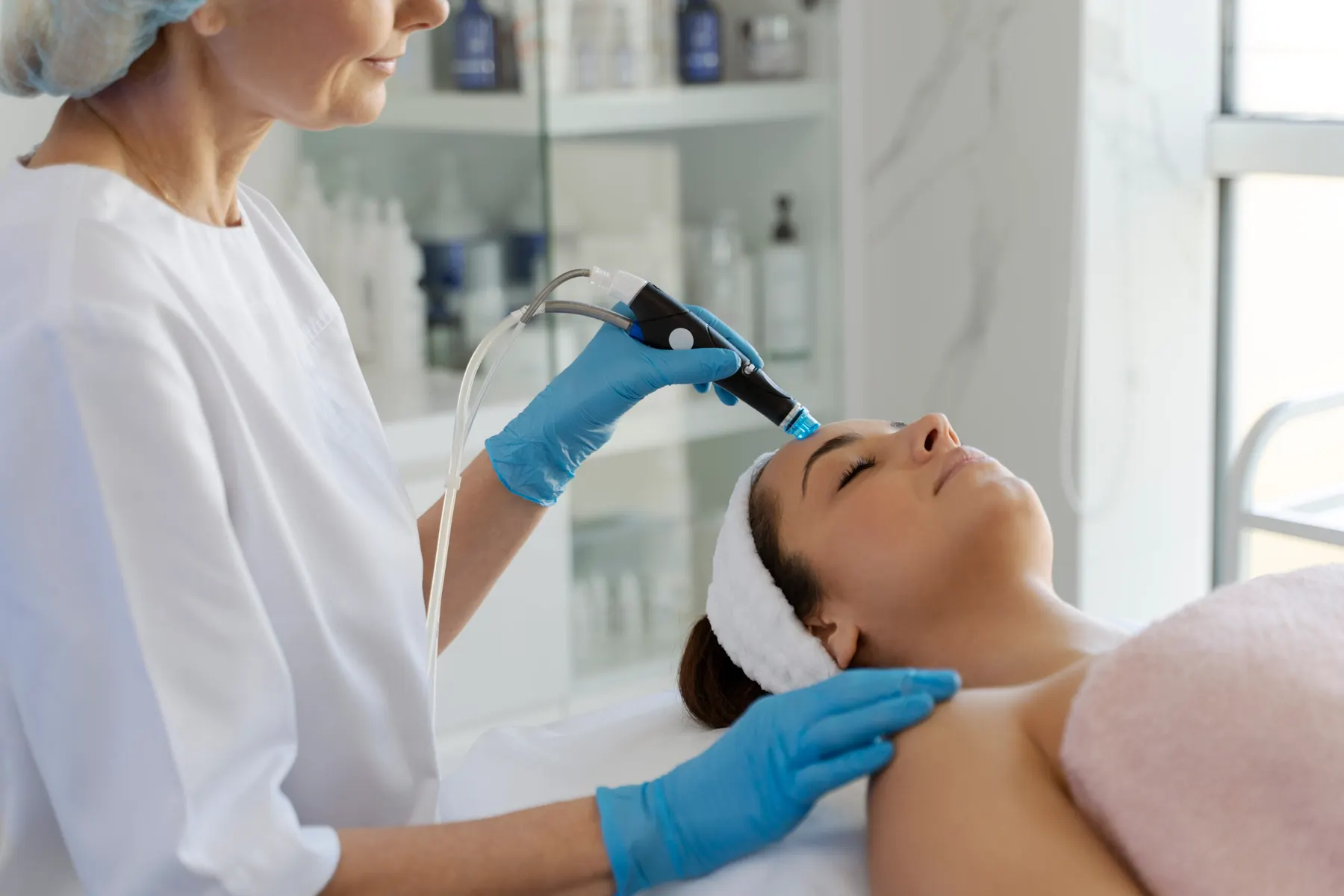
The HydraFacial is a branded device treatment that combines gentle exfoliation, a mild acid step, suction-based extraction of pore contents, and infusion of hydrating serums, all through a handpiece drawn across the skin. It is genuinely good at what it does: it removes surface build-up, clears congested pores, and leaves skin hydrated and reflective. It is not a peel, though it includes a light acid step, and it does not aim to injure the skin. The trade-off is that its effect is largely on the surface and is not cumulative in the way a peel course is.
A chemical peel applies an acid to make the skin shed and rebuild
A medical-grade chemical peel applies a controlled concentration of an acid such as glycolic, salicylic, lactic or trichloroacetic acid to the skin for a controlled time, causing the treated layers to separate and shed so that new skin replaces them. The depth is the variable that matters most: superficial peels work within the epidermis, medium-depth peels reach into the upper dermis, and the deeper you go the more you can change and the more recovery you owe. This is the mechanism by which peels address pigmentation, textural change and stubborn acne, and it is also why they are not a treatment to have on a whim two days before a wedding.
Choose a HydraFacial for maintenance and congestion, a peel for change
If your skin is basically behaving and you want it clean, hydrated and photograph-ready, a HydraFacial is the correct choice. If you want something about your skin to be different in three months than it is today, a peel course is the correct choice. Pigmentation, uneven tone, rough texture, and acne that keeps coming back all sit in the second category. Blackheads, dullness, congestion and dehydration sit comfortably in the first. It is not that a HydraFacial does nothing for tone; it is that expecting one to resolve pigmentation is expecting the wrong treatment to do a different treatment’s job.
For active acne, a peel is usually the stronger tool
For inflammatory acne, a medical-grade peel is generally more effective than a HydraFacial, because salicylic acid and similar agents are oil-soluble and work into the follicle where acne actually starts. Extraction during a HydraFacial helps with comedonal congestion, but it does not change the environment inside the pore. In practice, a plan for active acne usually combines an in-clinic peel course with a prescribed or medical-grade home routine, and being nurse-practitioner-led means we can prescribe as part of that plan rather than only recommending. Our Clear Skin Start Program is $500 and exists for exactly this reason.
The Hollywood Carbon Peel is not a chemical peel, despite the name
The Hollywood Carbon Peel is a laser treatment, not an acid peel. A carbon lotion is applied to the skin, settles into pores, and a laser is then passed over the area so the energy is absorbed by the carbon. The mechanism has nothing in common with an acid peel and the aftercare is different. We mention it here because the name causes real confusion when people are comparing quotes between clinics. Ours starts at $399.
Skin tone changes how a peel should be planned
Chemical peels can be performed safely on all skin tones, but the risk of post-inflammatory hyperpigmentation is higher in deeper skin tones, which means agent choice, depth, pre-treatment and sun protection all need to be more conservative. A clinic that treats a Fitzpatrick V patient with the same peel protocol it uses on a Fitzpatrick II patient is not doing the job properly. If you have melasma specifically, be aware that not every peel is appropriate and that heat and light exposure can worsen it, so tell your clinician if you have ever been told you have melasma rather than general pigmentation.
What we would recommend
For most people who are not sure, the sensible sequence is to book a consultation and describe the outcome rather than the treatment. If the answer is that your skin is healthy and you want it to look its best regularly, a HydraFacial on a maintenance rhythm is a good use of money and asks nothing of your calendar. If the answer is that something specific bothers you and you want it gone, a planned course of medical-grade peels will do more, and you should budget the recovery days honestly rather than hoping they will not happen. Many of our clients end up doing both: peels to make the change, HydraFacials to hold it.
Written at Bradford Skin Clinic & Medical Spa, Bradford, Ontario, where HydraFacial, medical-grade peels and the Hollywood Carbon Peel are all performed in-house. Clinically reviewed by Alex Dinovich, FNP-PHC, Nurse Practitioner and Medical Director.
03 · Accountability
Written here.
Checked here.
This guide was written by Bradford Skin Clinic and clinically reviewed by Alex Dinovich, FNP-PHC before it was published.
- Published
- Last updated
- Category
- Comparisons
A guide is general and your face is not. Nothing here replaces an assessment in the room, which is free and happens before anything is booked.
04 · From reading to the treatment room
What this looks
like in practice.
Published prices are starting prices, confirmed at your consultation. Where nothing is published, the dose and the plan decide the price rather than a menu.
- HydraFacial from $225
- Medical-grade peels from $99
- Carbon laser peel from $399
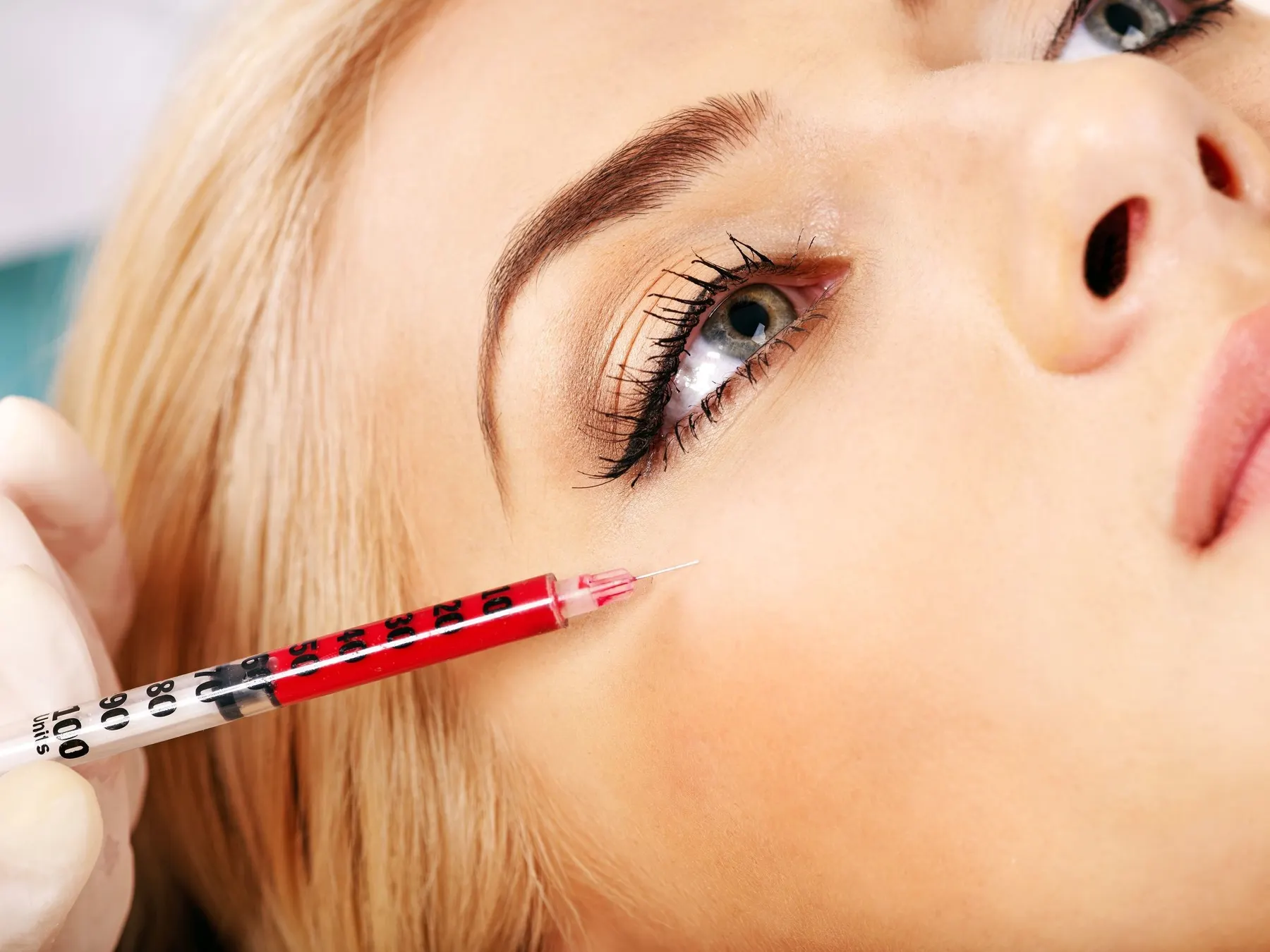
Every injectable here is placed by a licensed nurse, and every plan is signed off by our Medical Director. The consultation is free and comes before anything is booked.
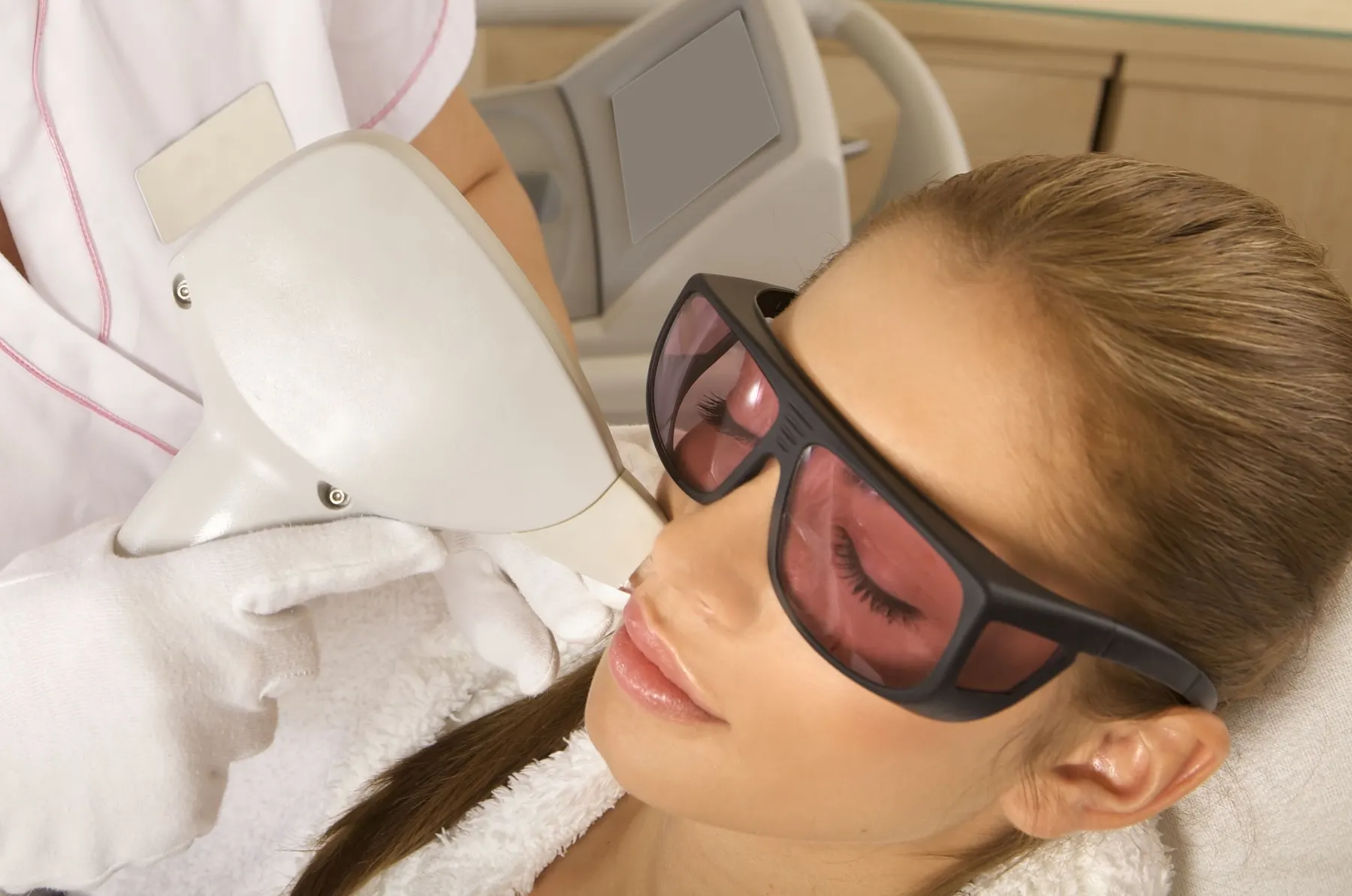 HydraFacialTreatment
 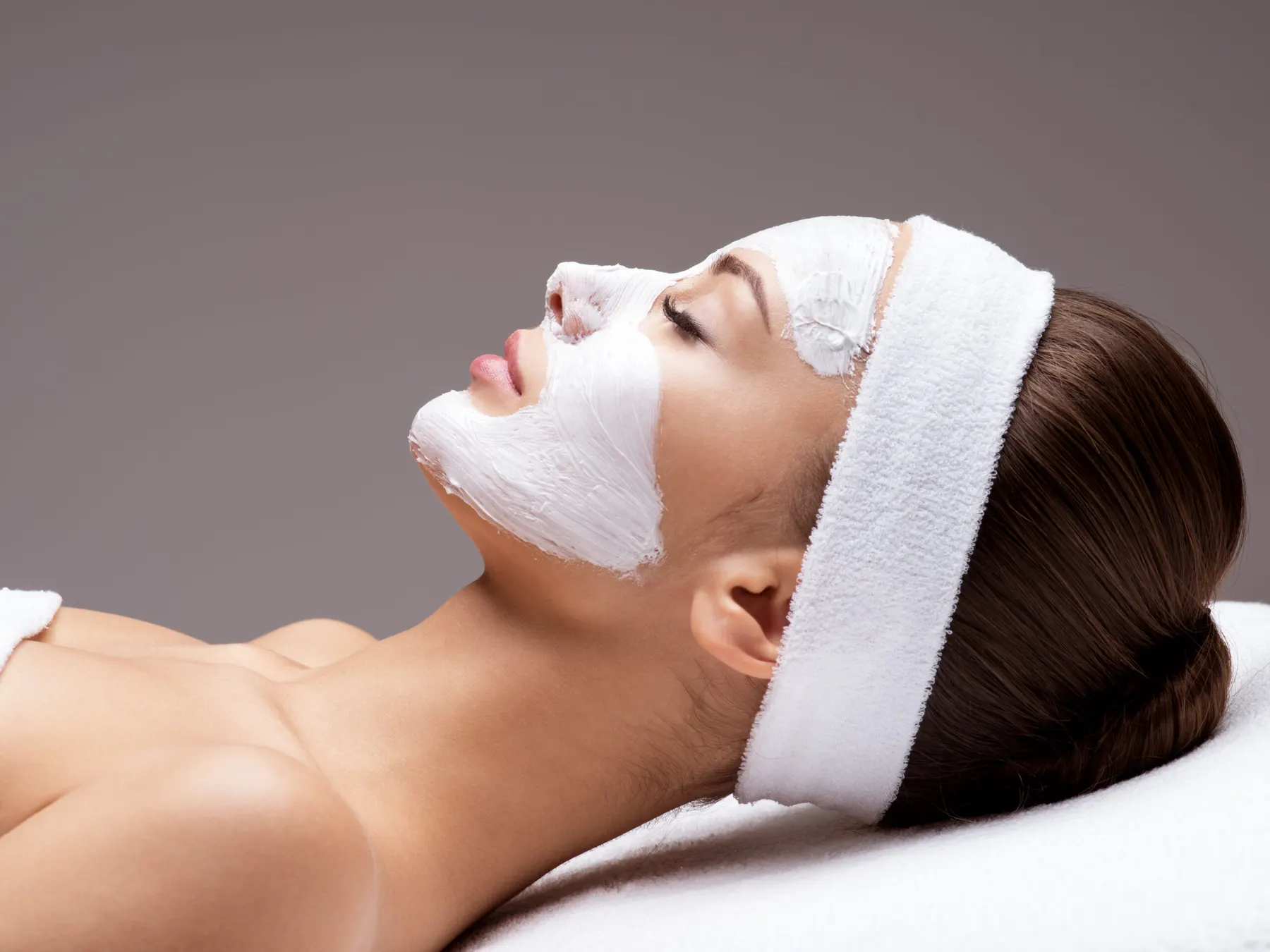 Medical-grade peelsTreatment
 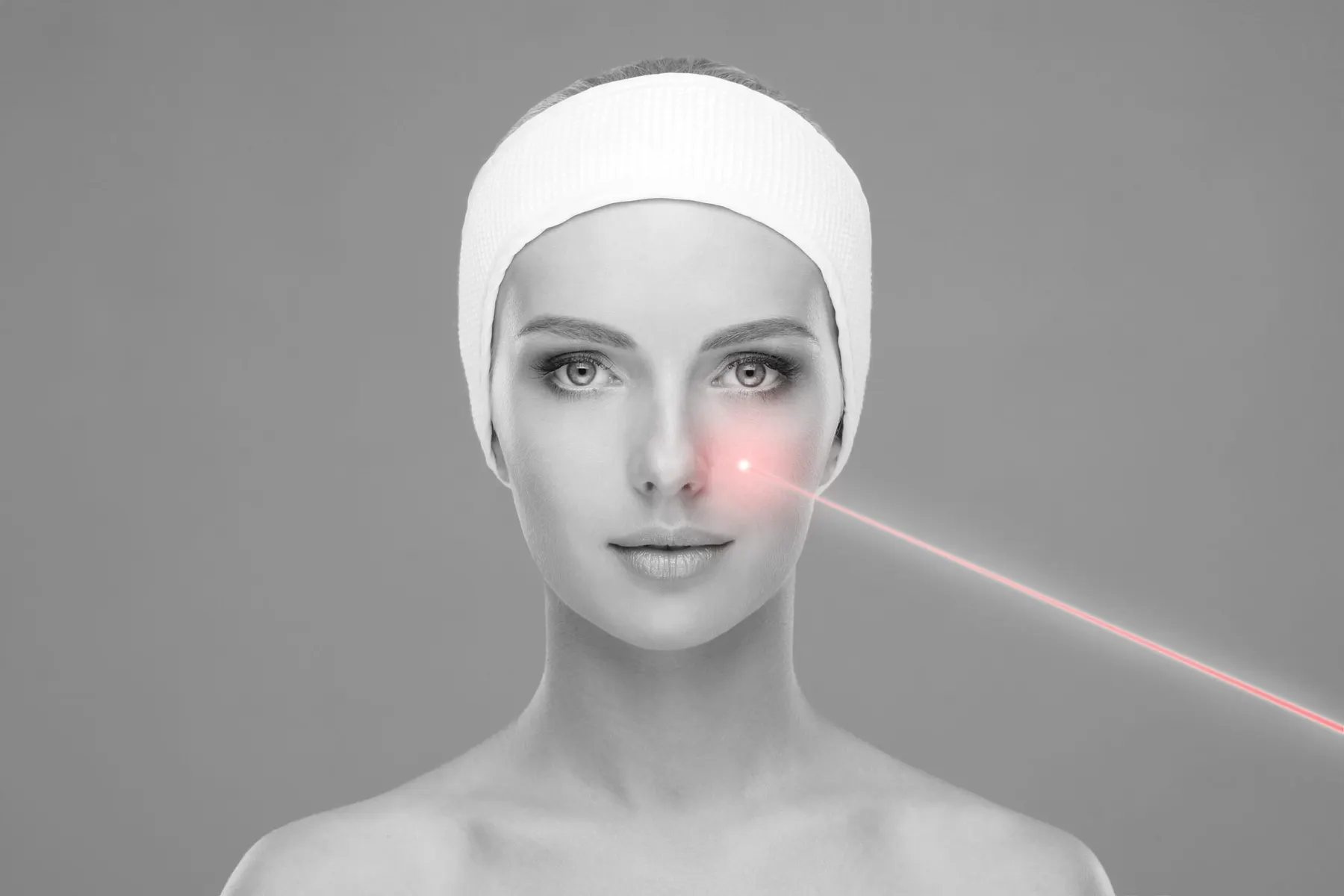 Carbon laser peelTreatment Clogged PoresConcern
 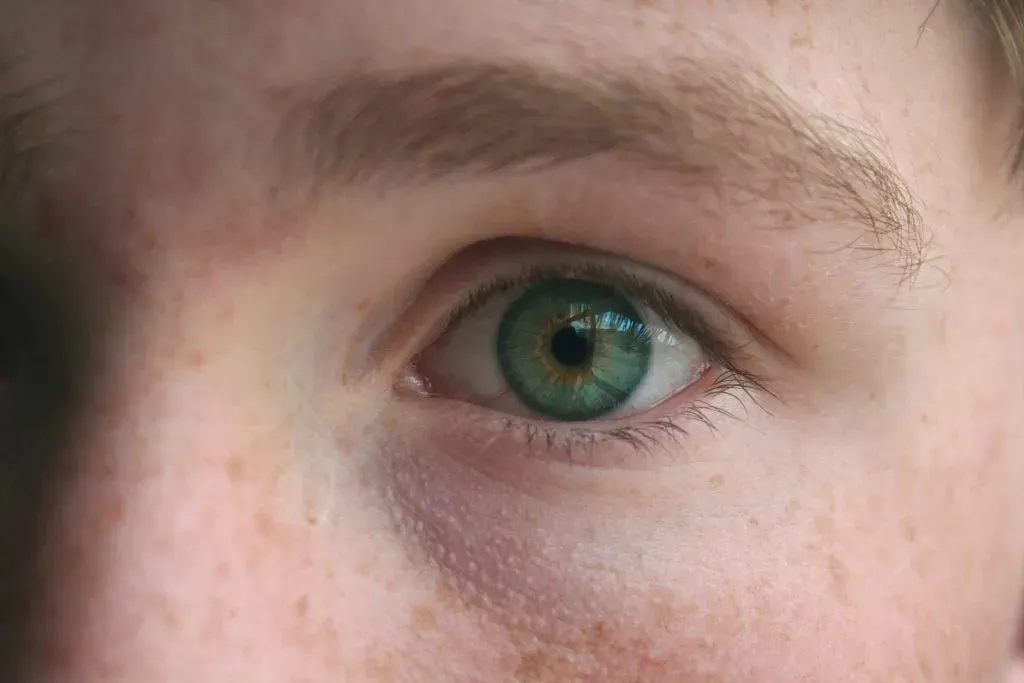 PigmentationConcern
 05 · Who performs these treatments
The people behind
the writing.
Nobody here injects without a nursing licence. The guides on this site are written by the same people who carry out the treatments they describe.







06 · Asked and answered
The questions
that follow.
Which is better for acne, a HydraFacial or a chemical peel?
For active inflammatory acne, a medical-grade peel is usually the more effective choice because it works deeper into the follicle. A HydraFacial is better suited to congestion, blackheads and clogged pores in skin that is not actively inflamed.
Does a HydraFacial have downtime?
No meaningful downtime. Most people leave with slight flushing that settles within a few hours, which is the main reason it is booked before events.
Will a chemical peel make me peel visibly?
Superficial peels often produce light flaking rather than dramatic shedding, while medium-depth peels produce visible peeling. Your clinician should tell you which depth you are having and what to expect before you book anything social.
Is the Hollywood Carbon Peel a chemical peel?
No. Despite the name, the Hollywood Carbon Peel is a laser treatment. A carbon lotion is applied to the skin and a laser is passed over it, which is a completely different mechanism from an acid peel. It starts at $399.
Can I have a HydraFacial and a peel?
Yes, and combining them across a treatment plan is common. They are done as separate appointments, with the peel doing the structural work and the HydraFacial used for maintenance between peels.
Are chemical peels safe for darker skin tones?
Yes, with appropriate choice of agent and depth, but the risk of post-inflammatory hyperpigmentation is higher in deeper skin tones and needs to be managed with a conservative approach and proper aftercare. This is a conversation to have at consultation rather than a box to tick.
How often can I have either one?
HydraFacials are typically repeated on a maintenance schedule and peels are planned as a course with recovery time between sessions. The specific interval depends on the peel depth and your skin, and your clinician will set it.