
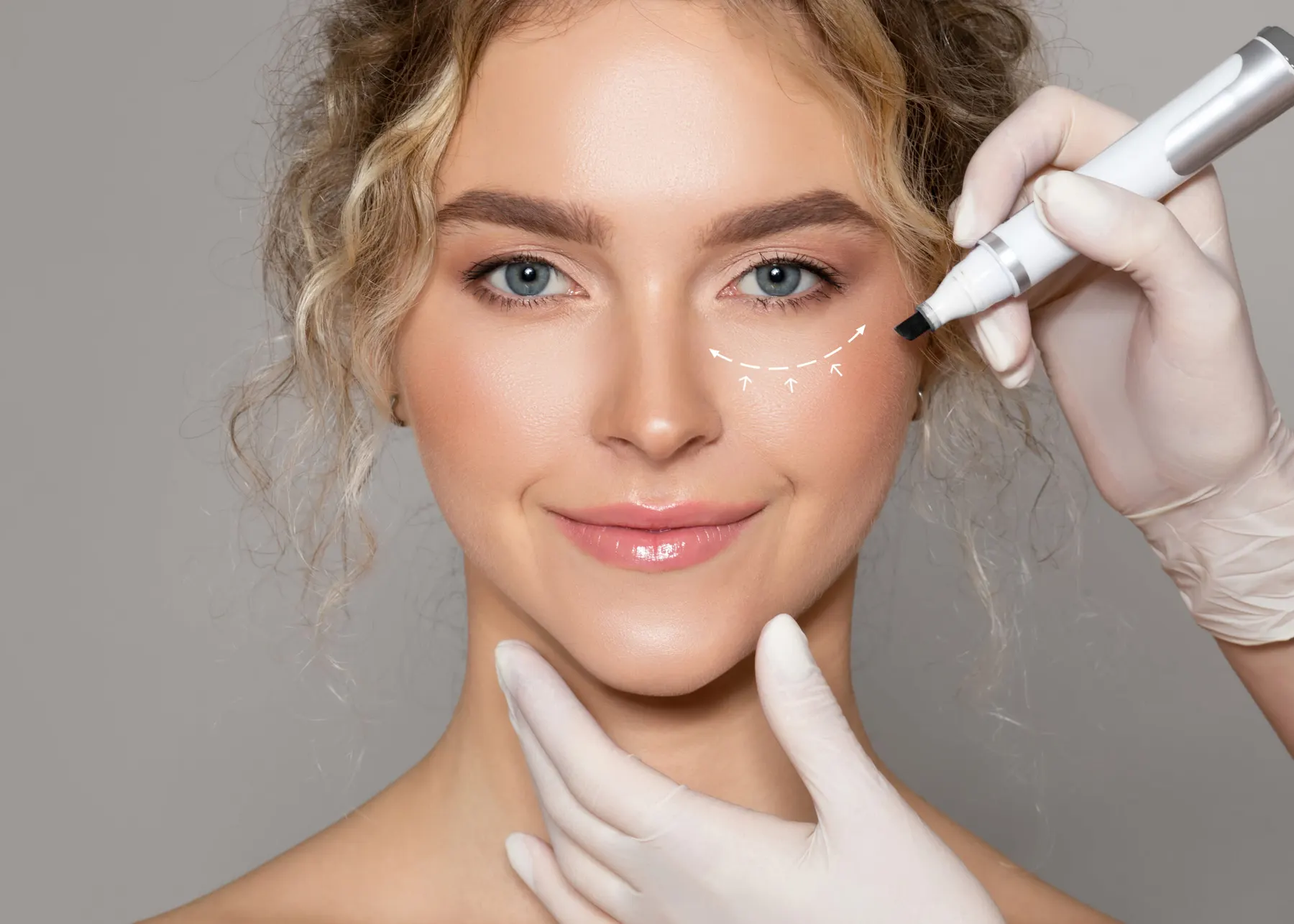
Non-surgical eyelid lift
Non-SurgicalBlepharoplasty.
Tightening loose upper eyelid skin with plasma treatment instead of surgery, for people with excess skin but no significant fat or muscle problem.
At a glance
- Performed by
- Trained clinician, treatment plan signed off by our Medical Director
- Price
- from $799 Upper or lower eyelid $799. Upper and lower together $1,400.
- Consultation
- Free
What it is
What non-surgical eyelid lift
actually does.
The treatment people actually search for
Almost nobody searches for the name of the device. What people type is some version of how to fix a heavy, hooded upper eyelid without having an operation. This page is about that problem; the device page covers the technology itself in more detail.
The treatment tightens loose upper eyelid skin using plasma energy. A grid of very small points is treated across the excess skin. At each point a microscopic amount of tissue is sublimated, and the skin between the points contracts toward them. Repeat that across the area, and skin that was draping over the lid crease sits tighter.
First, we work out what is actually causing the hood
This is where most of the value of the consultation sits, because upper eyelid heaviness has more than one cause, and only one of them is treated here.
It may be excess eyelid skin, dermatochalasis, which is what this treats.
It may be a descended eyebrow, where the brow has dropped and pushed skin down onto the lid. The lid itself is fine. Treating it will not help, and a neuromodulator brow lift may.
It may be fat prolapse, where the fat pads behind the orbital septum have pushed forward and created fullness. Tightening skin does not address fat, and this is a surgical problem.
It may be ptosis, where the muscle that lifts the lid is weak and the lid margin itself sits low. That is a medical issue and needs an ophthalmologist or oculoplastic surgeon.
We will tell you which of these you have, including when the answer means we cannot help you.
Who this suits
Mild to moderate excess upper eyelid skin, with reasonable skin quality, in someone who does not want surgery, understands the size of the result, and can take a week where the treated area is visibly healing.
Who it does not suit
Heavy hooding that rests on the lashes or interferes with your field of vision. Significant fat prolapse. Ptosis. A brow that has descended. Anyone who cannot avoid the sun during healing, anyone with a history of keloid scarring without a careful discussion, and anyone who is pregnant or breastfeeding.
If your vision is affected, we will tell you to see a physician. That assessment matters more than any cosmetic treatment, and in some cases the surgical route is covered differently than a cosmetic procedure would be.
At the appointment
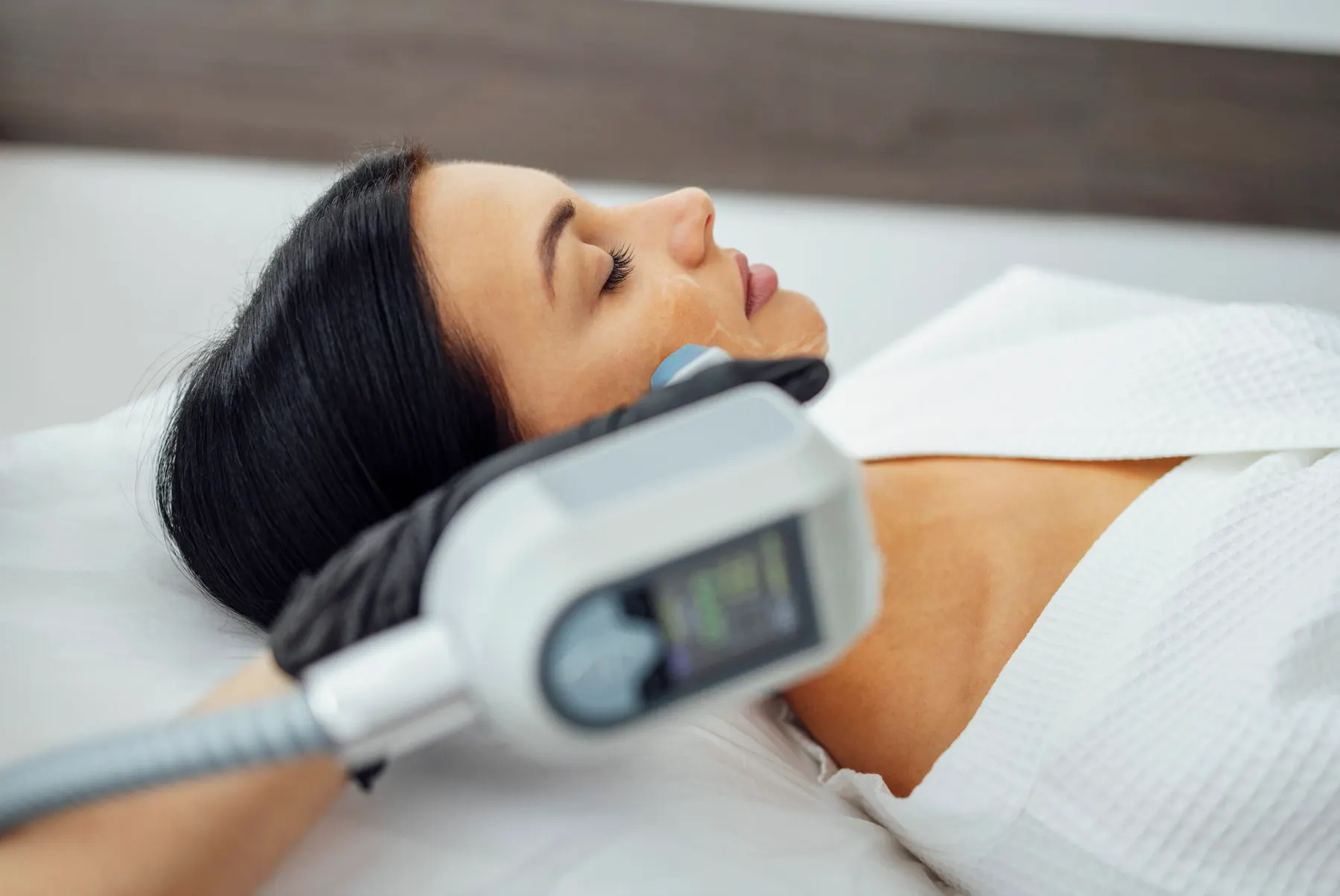
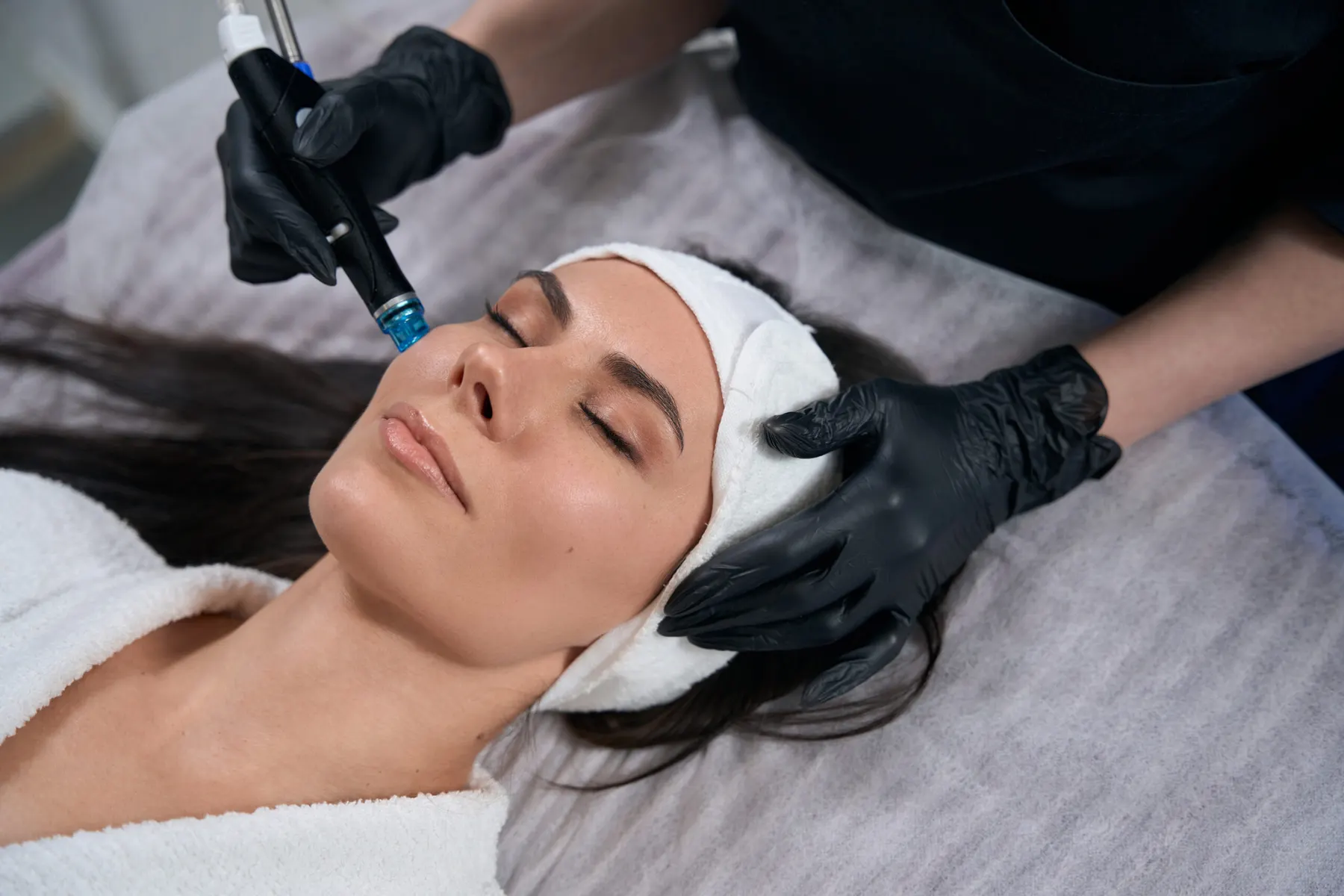
Your eyes are assessed open and closed, and with your brow held in its natural position, because that is the only way to separate lid from brow honestly. The area is photographed, marked and consented. Topical anaesthetic is applied and given proper time.
Your clinician then works methodically across the marked area, placing treatment points at a planned density. Eye protection is used throughout.
Afterwards
Expect swelling, and expect it to look worse before it looks better. Small dark crusts form at each treated point and remain for several days before separating naturally. Do not pick them, do not exfoliate them and do not cover them in makeup until you are told you can.
You will be given detailed written aftercare, and we will book a review. The final result is only assessable once the skin has fully settled, which is also when we decide together whether a further staged treatment is worthwhile.
If it is wrong for you, we say so before you book again. A nurse-practitioner-led clinic has a licence at stake. That is the whole reason we are careful - and the reason the honest answer sometimes is "not this, and not yet".
Concerns
What it treats.
Every concern below is one we would consider non-surgical eyelid lift for. Open any of them for the honest version: what actually causes it, and what we would and would not do.
Being straight with you
When we would
tell you no.
Every clinic lists who a treatment suits. This is the other half. If any of these is you, say so at the consultation and we will talk about what else might work, or about waiting.
- Your eyelid skin rests on your lashes or affects your vision. See a physician first.
- Your hood comes from a descended brow rather than the lid. Treating the lid will not help.
- You have fat prolapse or ptosis. Those are surgical and medical problems respectively.
- You cannot spend a week with visible dark crusts around your eyes.
- You are pregnant or breastfeeding. We will see you afterwards.
- You expect what surgery delivers. This does less, and we would rather say so now.
Who performs it
A nurse runs
the room.
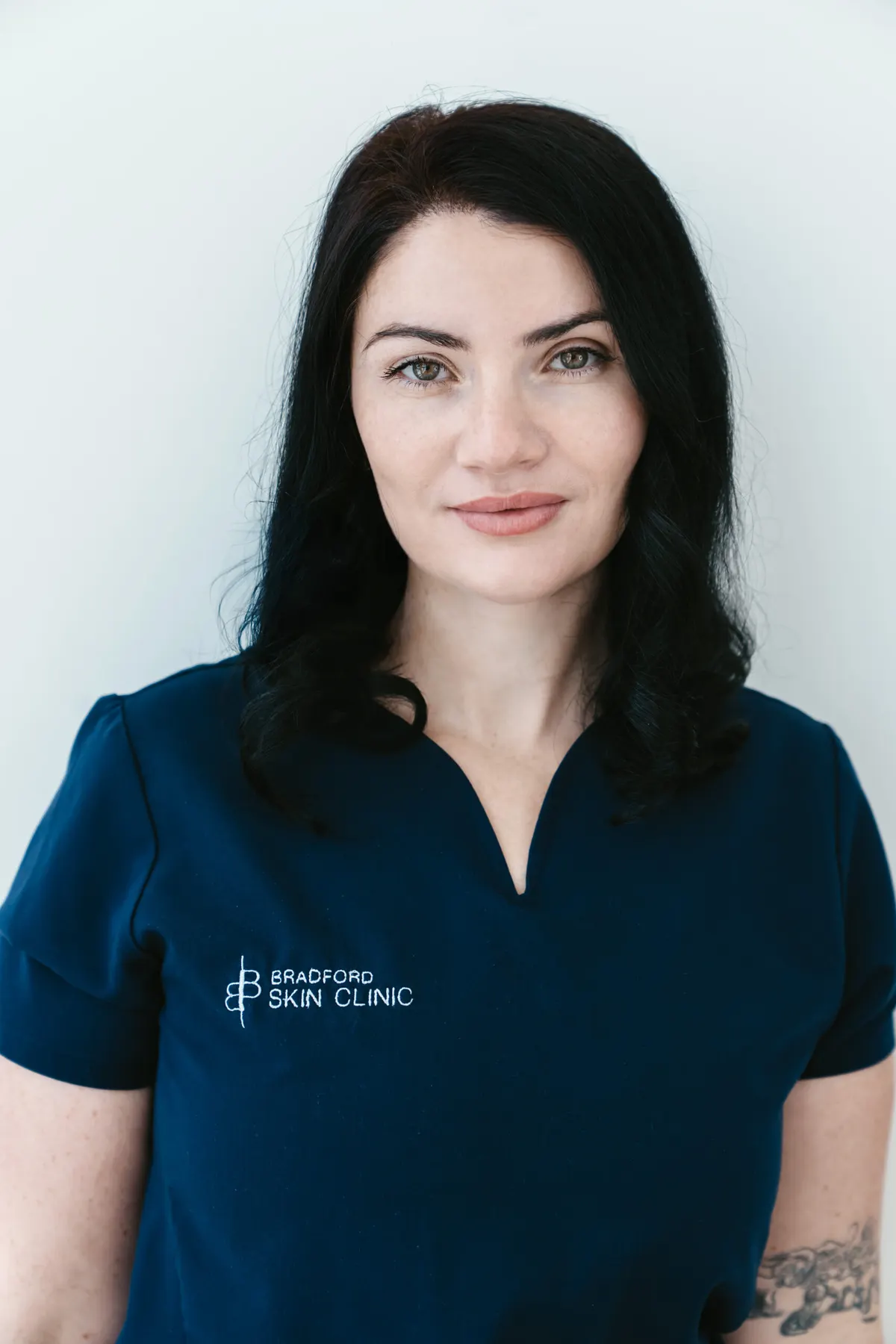
Every treatment in this clinic is carried out by a licensed clinician - never a technician, never someone on a weekend certificate. Your treatment plan is then signed off by Alex Dinovich, FNP-PHC, our Nurse Practitioner & Medical Director, who has more than eight years in injectables, skin health and laser.
- Performed by Kaitlyn Meli, RPN · Ashley Bravo, RPN · Yuliya Leonov, RPN
- Signed off byAlex Dinovich, FNP-PHC - Nurse Practitioner & Medical Director
- Licence#13564840
- Experience8+ years in injectables, skin health and laser.
How it works
Four appointments'
worth of care.
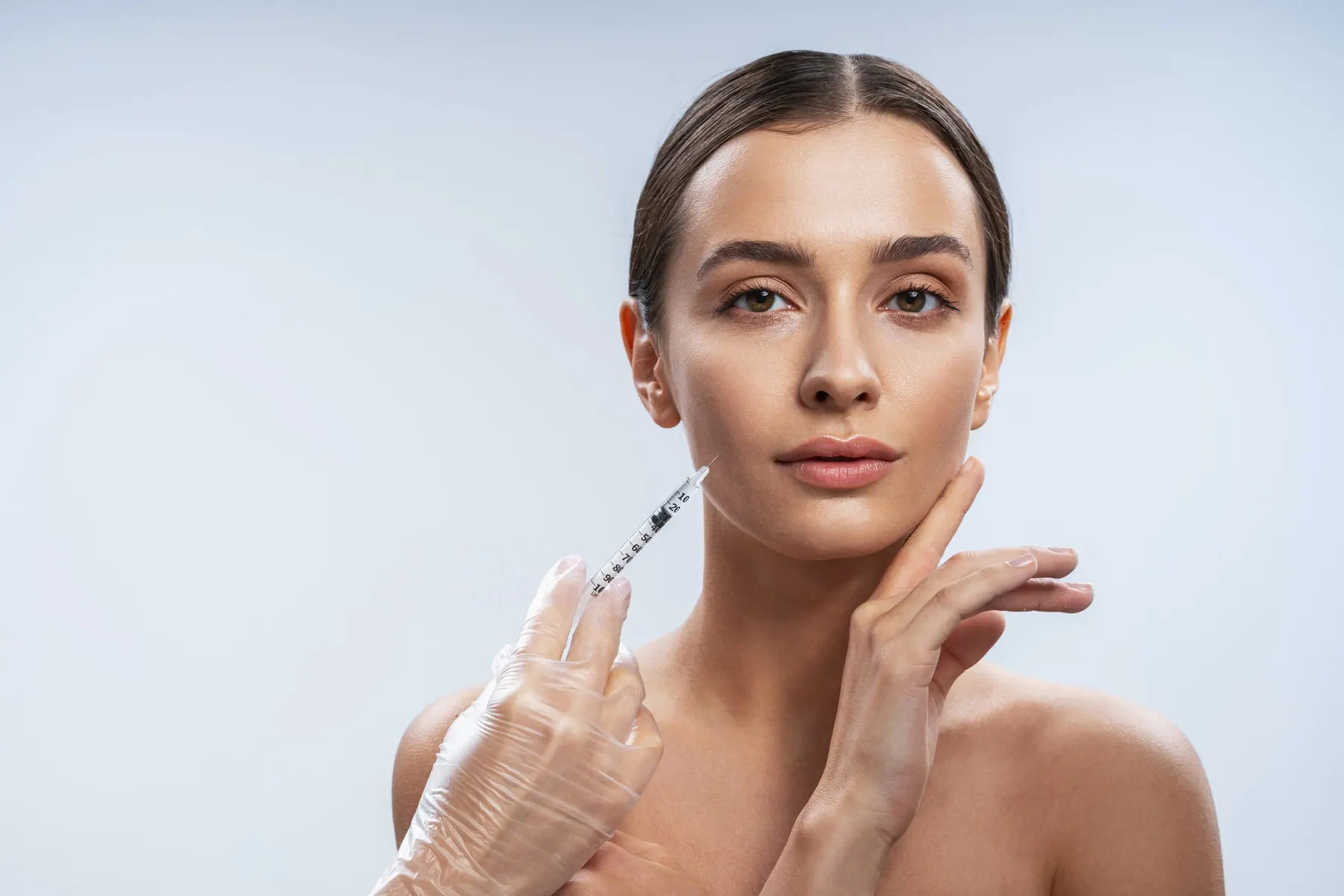
Nothing here happens on the same visit you first walk in, unless you want it to and it is right for you. This is the order we work in.
- 01
Consult
We look at what is actually bothering you, ask what you have tried, and tell you honestly whether this is the right treatment. Costs nothing and commits you to nothing.
- 02
Plan
Your clinician maps the plan with you and agrees it before you commit to anything. The plan is signed off by our Medical Director before treatment begins.
- 03
Treatment
Your clinician carries out the plan exactly as it was agreed. You are told what is happening, where and why, before it starts - and the quoted price does not change on the chair.
- 04
Review
We see you again to check the result and adjust the plan for next time. The first appointment is the start of the plan, not the whole of it.
What it costs
Where this
treatment starts.
Non-Surgical Blepharoplasty starts at from $799. That is where it starts, not a figure everybody pays: your plan is confirmed in person before anything is booked.
The consultation is free, and the number you are given at it is the number you pay. It does not change once you are in the chair.
- ConsultationFree
- Non-surgical eyelid liftfrom $799
- Plexr eyelid treatment from $499
- Anti-wrinkle injections from $10 per unit
- CO2 resurfacing from $1,199
Published prices
| Area or option | Single |
|---|---|
| Upper eyelid | $799 |
| Lower eyelid | $799 |
| Upper and lower eyelids | $1,400 |
Prices are in Canadian dollars and subject to applicable taxes. Pricing may be updated from time to time. Your booked package price is always honoured. Guide updated June 2026.
Questions people actually ask
Straight answers.
What is a non-surgical blepharoplasty?
It is a treatment that tightens loose upper eyelid skin using plasma energy rather than surgery. A grid of microscopic points is treated across the excess skin, each point removing a tiny amount of tissue, and the skin between them contracts. No incision is made, no skin is cut away, and there are no stitches.
Is it as good as surgical eyelid surgery?
No, and we will say so at your consultation rather than after you have paid. Surgical blepharoplasty removes a measured strip of skin and can address fat pads and muscle; this cannot. What it can do is produce a worthwhile improvement in the right candidate, with no incision and no operating theatre. If your lids need surgery, the honest answer is a referral, not a discount.
How do I know whether I need surgery instead?
It comes down to how much excess skin there is, whether the skin rests on your lashes or affects your vision, and whether there is fat prolapse or brow descent contributing. Heavy hooding, obscured vision and significant fat pads are surgical problems. Mild to moderate crepey excess with good tissue quality is where non-surgical treatment works. We assess that specifically.
Is my problem my eyelid or my eyebrow?
This is the question most often missed, and it changes the treatment entirely. A brow that has descended pushes skin down onto the lid and looks exactly like an eyelid problem. Treating the lid in that case will not fix it. Where the brow is the cause, a neuromodulator brow lift or another approach is the right answer, and we would rather redirect you than treat the wrong structure.
What does the recovery look like?
The eye area swells, often quite noticeably, in the first day or two, and each treated point forms a small dark crust that stays for several days before falling away on its own. During that period it is obvious that you have had something done. Plan it around your calendar; do not book it the week of an event.
Will I need more than one session?
Often yes, and staging is deliberate rather than a way of selling more. Treating an eyelid conservatively across more than one session is safer than trying to achieve everything at once in an area with skin this delicate. We will tell you at consultation what we think is realistic in one treatment.
Is it painful?
Topical anaesthetic is applied and given proper time to work, and most people describe the treatment itself as a series of hot pinpricks. The eye area is sensitive, so it is not the most comfortable treatment we offer, but it is short and it is well tolerated by most people.
Who should not have it?
We do not treat during pregnancy or breastfeeding, over active infection or an active eye condition, or in anyone with a history of keloid scarring without careful discussion. Recent isotretinoin use requires an interval, and recent tanning means postponing. Anyone whose vision is affected by their eyelids should be assessed by a physician first, and we will say so.
Related treatments
Often considered
alongside.
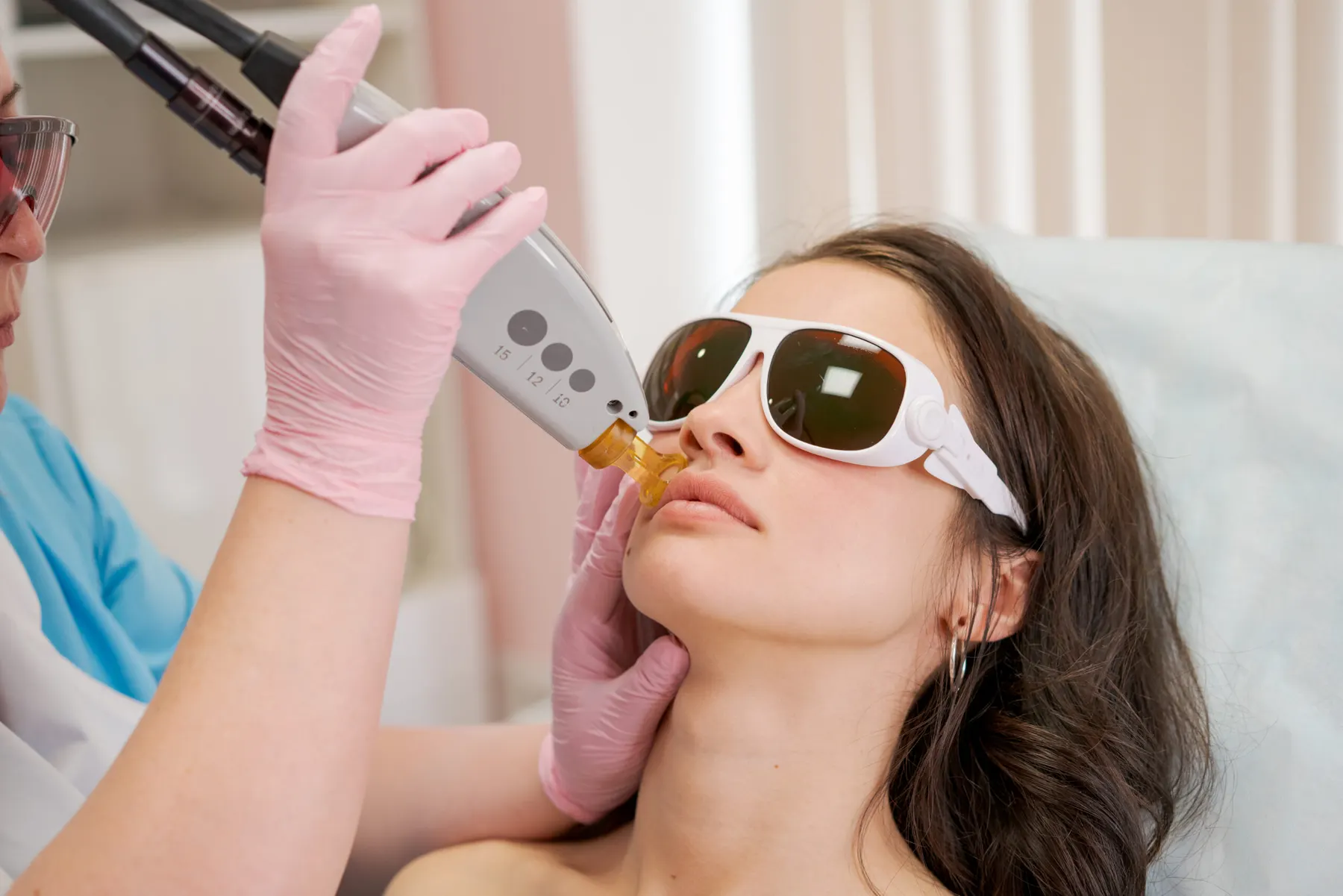
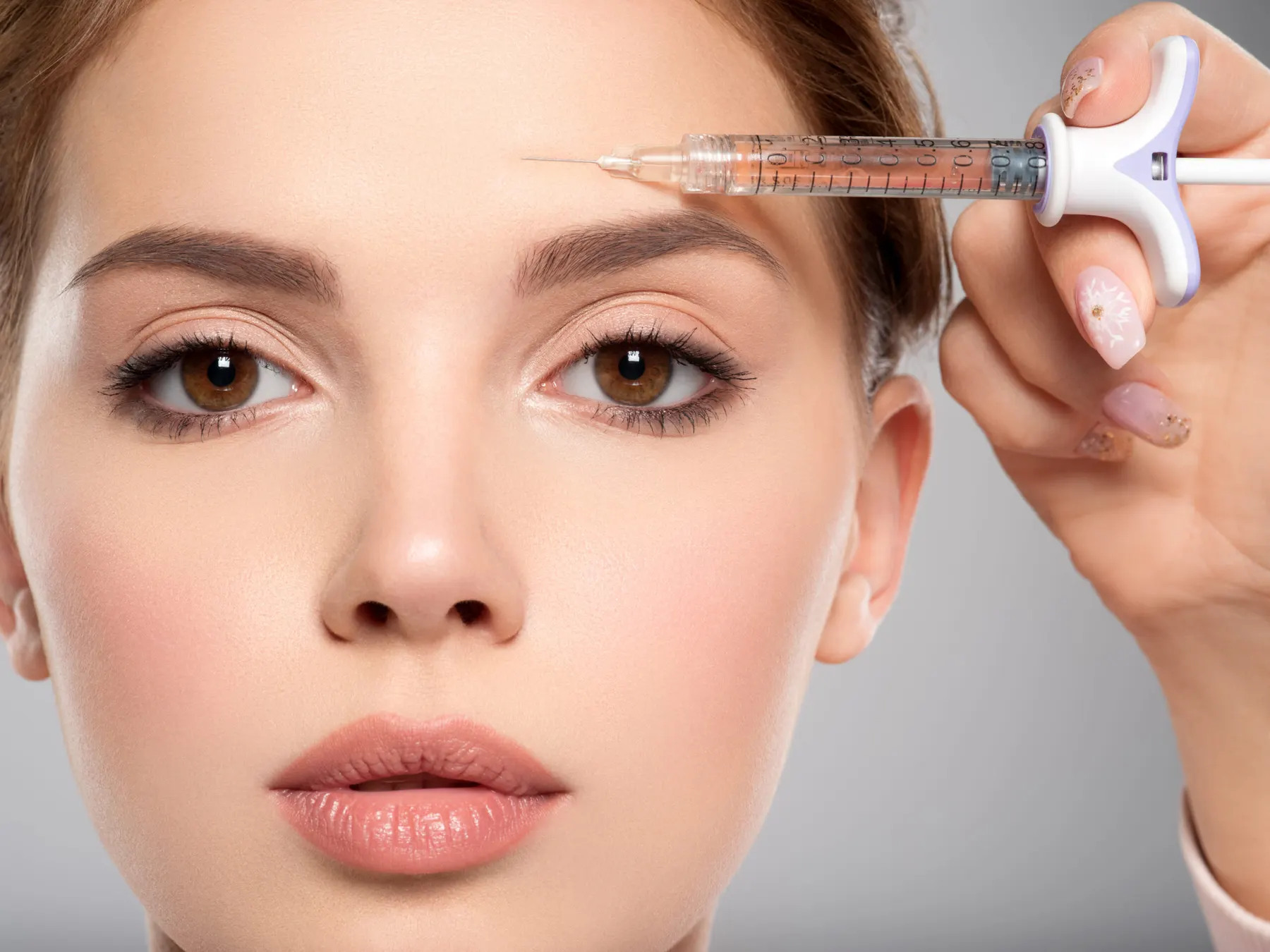
If this is not the whole answer for your face, one of these usually is. Every one of them is planned by the same nurses, in the same room.
Come and see us
Get the real
number first.
The consultation is free, takes one appointment, and ends with a written plan and a price - whether or not you go ahead. If a form is not your thing, text us instead and a real person will answer.
- Clinic444 Holland St W, Unit #2
Bradford, ON L3Z 0G1 - Phone647-333-6805
- HoursMon, Tue, Thu 9am-7pm
Wed 9am-5pm
Fri, Sat 9am-4pm
Sun Closed