Non-surgical eyelid lift
Skin & laser
Tightening loose upper eyelid skin with plasma treatment instead of surgery, for people with excess skin but no significant fat or muscle problem.
from $799 About Non-surgical eyelid lift →

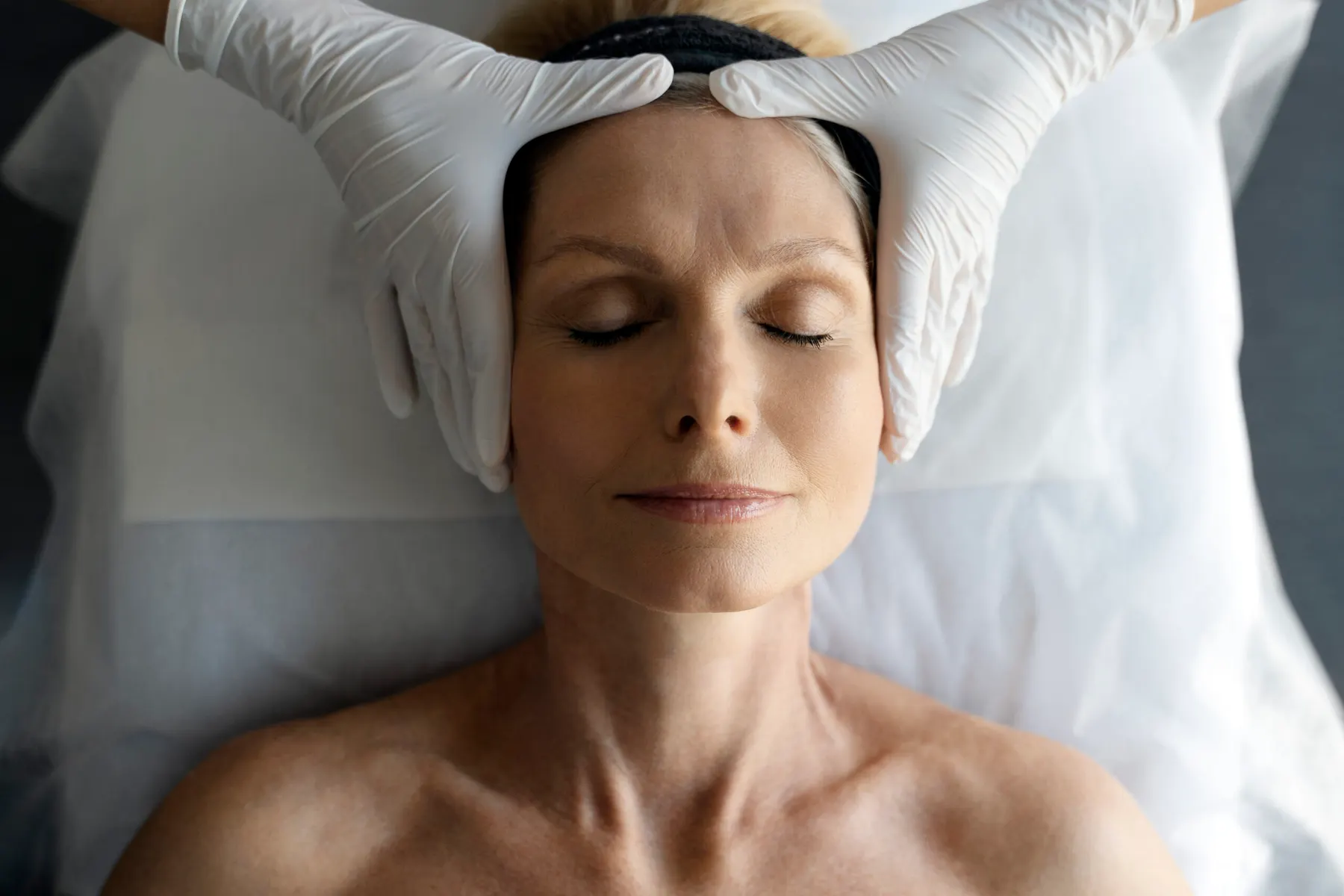
Hooded Eyelids describe excess or lax skin of the upper eyelid that folds downward and rests over the crease or lash line, caused by a combination of inherited anatomy, skin laxity with age and descent of the brow; it can be improved non-surgically in mild to moderate cases, though significant hooding is a surgical problem.
02 · The honest version
Loose upper eyelid skin that folds over the lash line, what causes it, and the non-surgical options that can lift and tighten it.
Every face is different. This page is the general picture. What is actually happening on your skin is something a nurse should look at up close, in clinic light, before anyone recommends a treatment.
Does it get worse? That depends on the concern and on you. It is a reason to start early, not a reason to panic - and we will tell you plainly where you are rather than where a treatment plan would be easiest to sell.
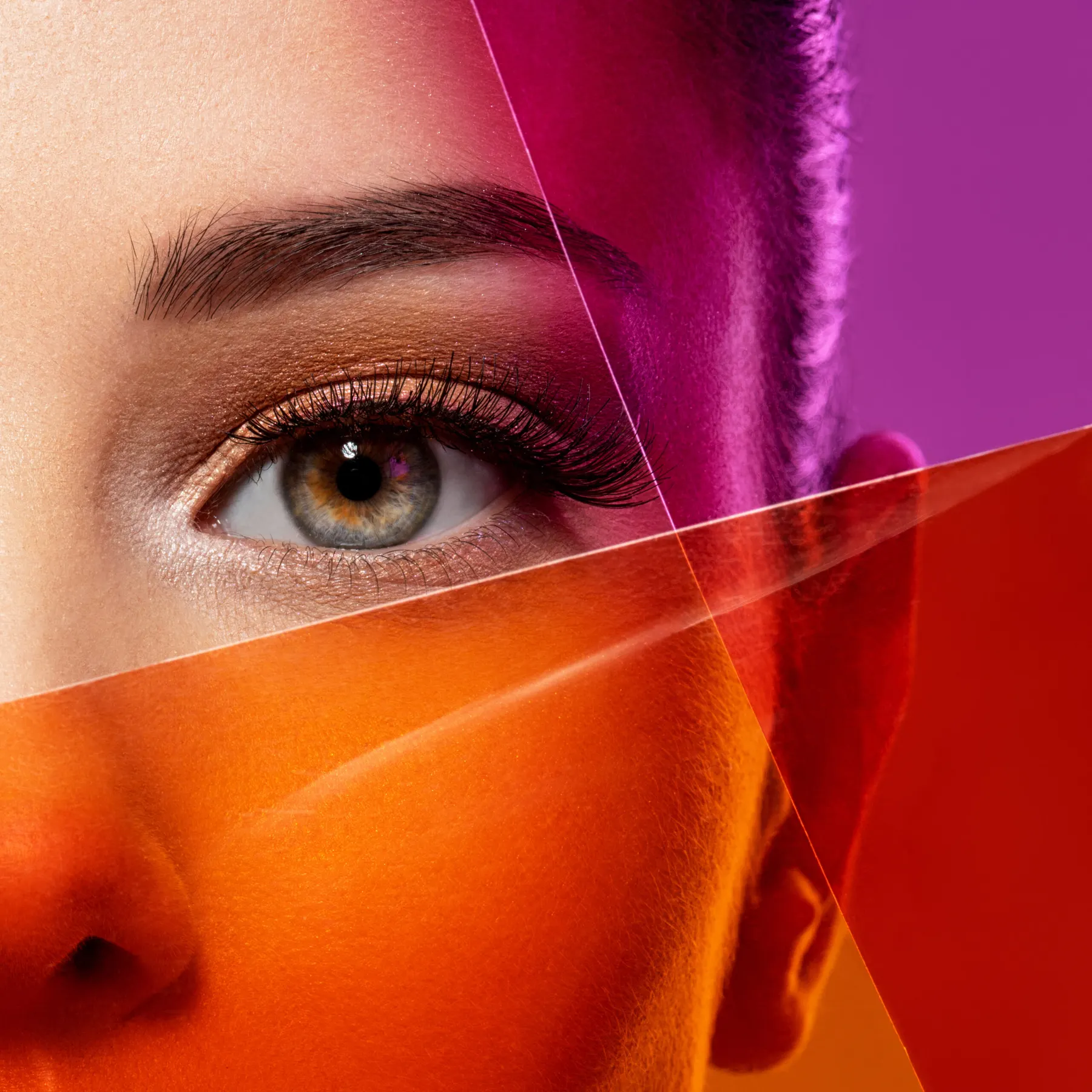
A hooded eyelid is one where skin from the upper lid folds downward and rests over the crease, sometimes reaching or covering the lash line. It can be something you have had your whole life, or something that has developed gradually and that you noticed one day in a photograph.
Both versions are common, and they are not the same problem.
Inherited anatomy. Some people simply have a lower-set brow, a fuller upper lid, or a crease that sits closer to the lash line. This is a normal variation in eyelid shape, present from young adulthood, and it is not a sign of anything having gone wrong.
Eyelid skin laxity. Upper eyelid skin is the thinnest on the body, and it loses elasticity earlier and more visibly than skin elsewhere. As collagen and elastin decline, the skin stretches, and the excess has nowhere to go but downward.
Brow descent. This is the one people miss. The forehead and brow drift downward over time, and as they do, they push forehead skin into the upper eyelid space. The result looks like an eyelid problem, but the tissue has come from above.
Distinguishing these is the entire point of an assessment. Treating lid skin in someone whose issue is brow position, or attempting a brow lift in someone with genuinely excess lid skin, are both ways to spend money and be disappointed.
Many people with hooding unconsciously use their forehead muscle to hold the brows up, all day, every day. This does two things: it deepens horizontal forehead lines over time, and it means that relaxing that muscle with a neuromodulator has to be done carefully, because removing the compensation can make the hooding look worse rather than better.
This is a real technical consideration and it is why forehead treatment in someone with heavy hooding needs an injector who has looked at the whole picture rather than just the lines.
Non-surgical blepharoplasty using Plexr. A plasma device is used to create a controlled pattern of tiny superficial points on the excess upper lid skin. As those points heal, the skin contracts and the amount of loose skin is reduced. It suits mild to moderate hooding in people who want to avoid surgery and who can accommodate genuine downtime, which includes visible small crusts and swelling in the days afterwards.
Botox, Dysport or Xeomin brow lift. Relaxing the muscles that pull the brow down allows the elevating muscles to act with less resistance, producing a modest lift of the brow and, with it, a small opening of the upper lid space. It is subtle, it is temporary, and it works best where brow descent is the main contributor.
PDO threads can be used to reposition brow tissue in appropriately selected cases.
If you have significant excess upper lid skin that rests on or over the lash line, or hooding that is affecting your field of vision, non-surgical treatment will not give you the result you are picturing. Surgical upper blepharoplasty removes skin; nothing we offer does.
We will tell you if that is what we see. Referring you to a surgeon costs us a booking, and it is a much better outcome than a course of treatments that was never going to be enough. If your vision is affected, please raise it with a physician, because that is a functional issue rather than a cosmetic one.
03 · What we actually offer
These are the ones we use for hooded eyelids. Not every face needs all of them, and we will say so. The goal in every case is the same: treat the cause, not the photograph.
Skin & laser
Tightening loose upper eyelid skin with plasma treatment instead of surgery, for people with excess skin but no significant fat or muscle problem.
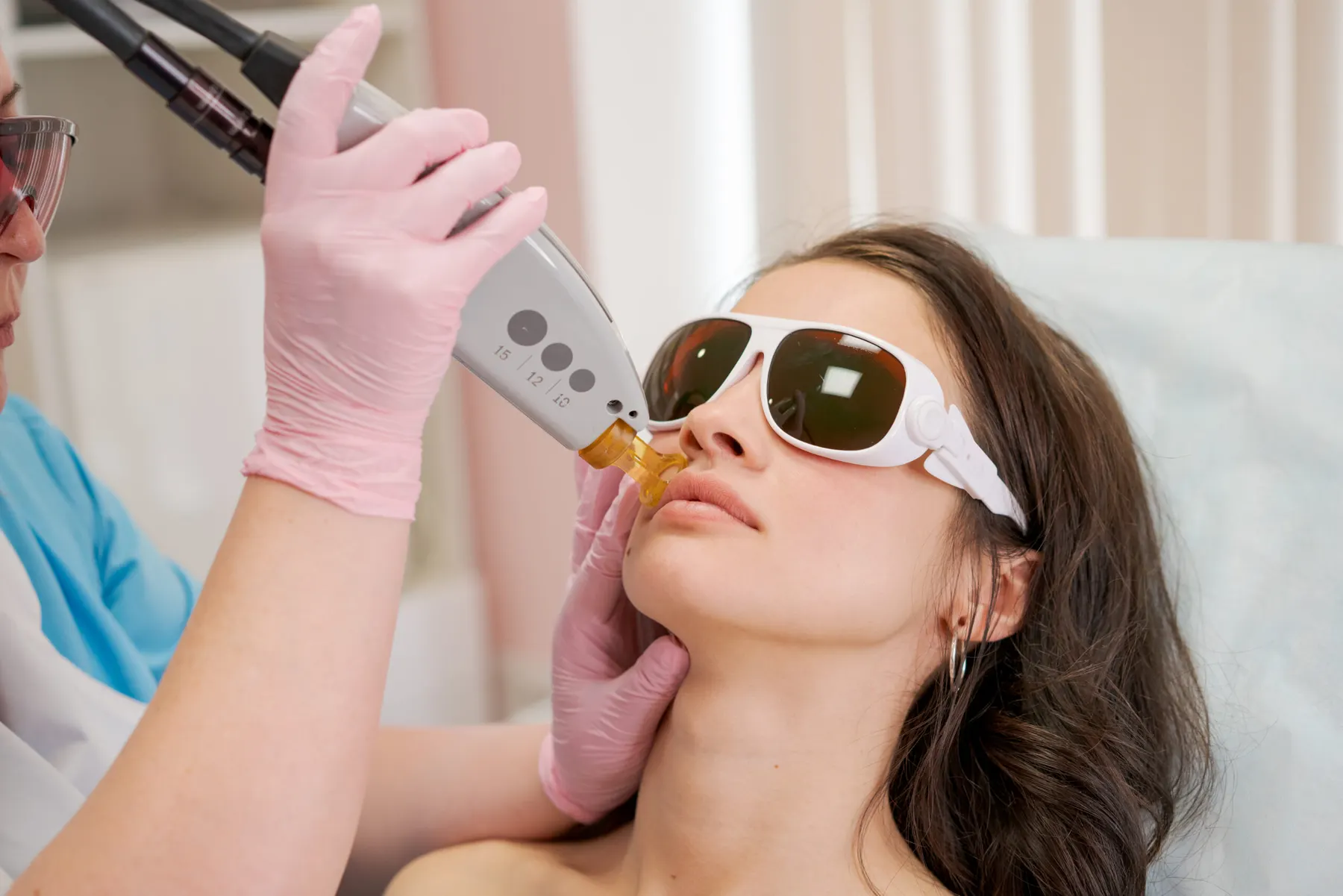
Skin & laser
A plasma device used on loose eyelid skin, removing microscopic points of tissue so the skin between them contracts and the lid sits tighter.
Injectable
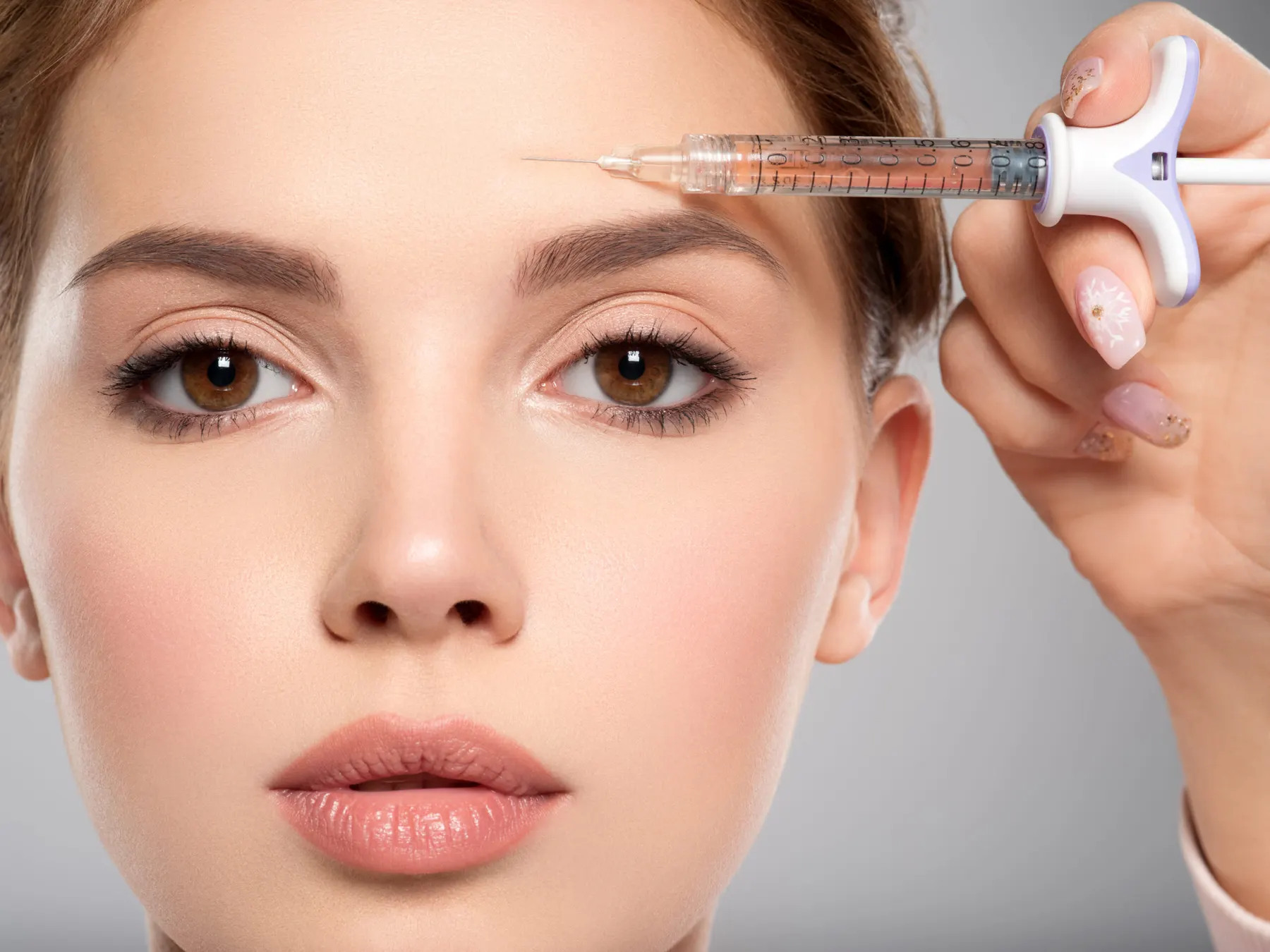
Prescription neuromodulators that soften the lines your expressions carve into your skin, dosed to your own muscle pattern rather than a template.
Injectable
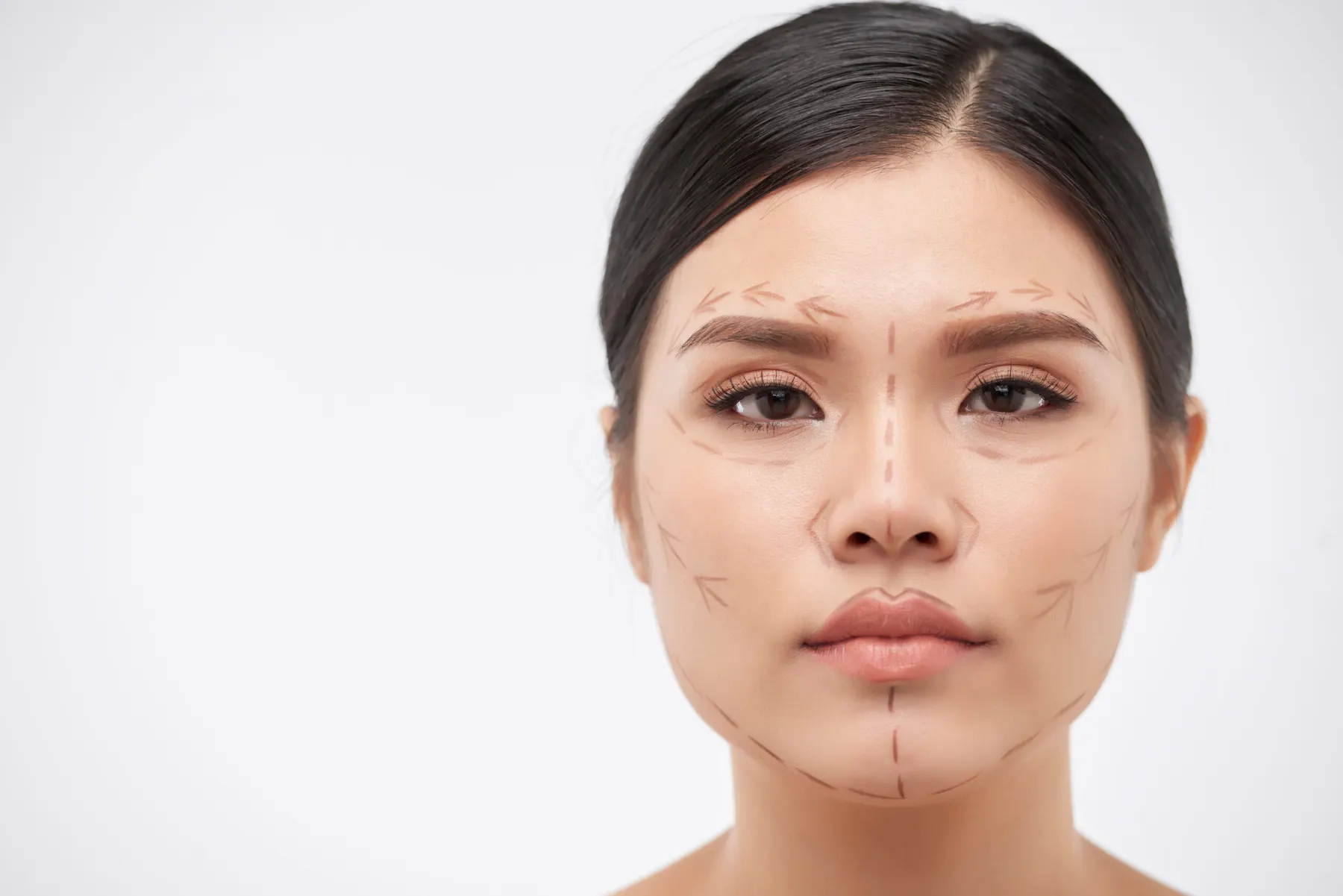
Dissolvable sutures placed under the skin to reposition tissue a small amount and leave collagen behind as they break down.
Every plan is personalised. Which of these you need, in what order and how often, is decided after a nurse has looked at your skin - not before. We will also tell you when a treatment is wrong for you, and we say it before you book.
04 · What actually happens
If you have been putting this off, this section is for you. A consultation costs you nothing and commits you to nothing - you are allowed to walk out having booked absolutely nothing.
She is the one who answers the phone and the texts, so you will already have spoken to her. No clipboard interrogation in the waiting room.
In clinic light, up close, with your makeup off if you are wearing any. This is the part people dread and it takes about a minute.
When it happens, what you had noticed before it happened, what you have already tried and what made it worse. Bring your current products if it is easy.
What we would do, in what order, and what it costs - including the option of doing nothing yet. If a treatment is wrong for you, we say so here, not after.
Nothing is booked in the room unless you want it booked. No deposit, no pressure, no offer that expires on Friday.
Always so kind and personal. Took the extra time to make sure I was comfortable.
05 · Straight answers
The questions people actually ask us on the phone, answered the way we answer them on the phone.
Very often it is the brow, and this is the most important distinction in assessing hooded eyes. As the forehead and brow descend with age, they push skin downward into the upper lid space, creating hooding even when the eyelid skin itself is not especially lax. Treating the lid when the problem is brow position produces a disappointing result, so the assessment starts by looking at where the tissue is actually coming from.
It is a technique that tightens excess upper eyelid skin without cutting or stitching, using a plasma device such as Plexr to create a controlled series of tiny superficial points on the skin surface. As those points heal, the skin contracts, which reduces the amount of loose skin in the area. It is not the same procedure as surgical blepharoplasty and it does not achieve the same magnitude of change.
Botox can produce a modest brow lift by relaxing the muscles that pull the brow downward, which allows the muscles that lift it to act with less opposition. Where hooding is largely caused by a descended brow, that can make a visible difference. Where the hooding is caused by genuinely excess lid skin, a brow lift with neuromodulator will not remove it, and we will tell you that at the consultation.
The usual indicators are the amount of excess skin, whether it rests on or past the lash line, and whether it affects your field of vision. Significant hooding, particularly where skin overhangs the lashes, is a surgical problem, and non-surgical treatment will underdeliver. If that is what we see, we will say so rather than sell you a course of treatments.
It can. Where upper lid skin obstructs the upper part of your visual field, that becomes a functional rather than a cosmetic issue and is a matter for a physician or an ophthalmologist. If you are noticing a genuine change in your field of vision, please get it assessed medically rather than treating it as an appearance concern.
It is a procedure carried out in a delicate area and it requires appropriate training and careful patient selection. At our clinic it is performed by trained clinicians within a nurse-practitioner-led practice, with the eye itself protected throughout. As with any procedure that affects the skin surface, there are risks including prolonged redness, swelling and pigment change, and these will be explained to you individually before you agree to anything.
Plasma-based eyelid tightening involves visible small crusts on the treated skin and swelling around the eyes that is often most pronounced in the first days. This is genuine downtime, not a lunchtime treatment, and you should plan around it. Your clinician will give you a specific picture of what to expect for your treatment and detailed aftercare.
No. Hooded eyelids are an extremely common inherited feature, and plenty of people have them lifelong without any change occurring. If they do not bother you, there is nothing to treat. This page exists for people who have noticed a change or who find it affects how they feel, not to suggest a normal eyelid shape is a problem.
Where this comes from
We would rather you did not take our word for any of this. These are the sources behind what is written above, and none of them are ours.
06 · Often confused, often alongside
Concerns are regularly mistaken for one another - and they rarely turn up entirely alone. These are the ones that sit closest to it.
07 · The next step is small
A hooded eyelids consultation costs you nothing and commits you to nothing. You will leave knowing what your skin is doing, what we would do about it, and what it would cost - whether or not you book anything.
Bring three things. Whatever you are currently putting on your face, a rough idea of when it is at its worst, and any questions you have written down. That is genuinely all the preparation we need.
Makeup is fine either way. If it is easier to arrive with it on, arrive with it on - there is a mirror and a cleanser in the room.
We answer during clinic hours, usually within the hour.
647-333-6805 Open messagesOn a desktop? Save the number and text from your phone.