
Treatments
Targeted products for a specific concern, used alongside a routine rather than instead of one. Most of them are weekly, not daily.
What sits in this category
Everything here does one specific thing and then stops. These are not the products that carry a routine, they are the ones added to it for a reason: an exfoliation once or twice a week, a mask when the skin is dehydrated or congested, a cream for an area the face routine does not cover properly.
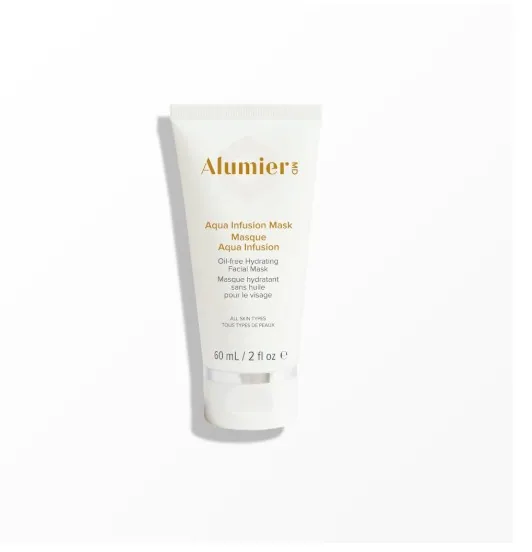
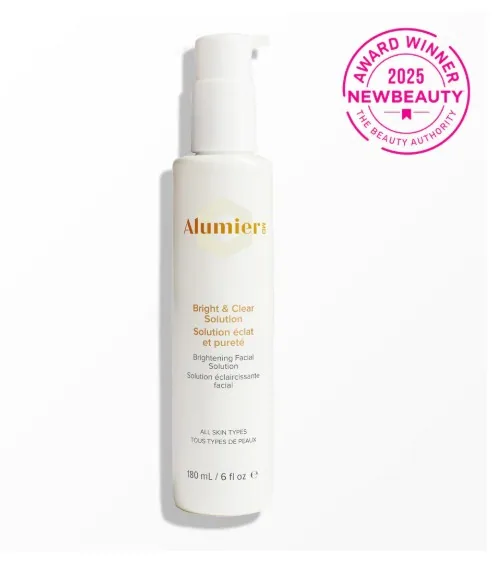
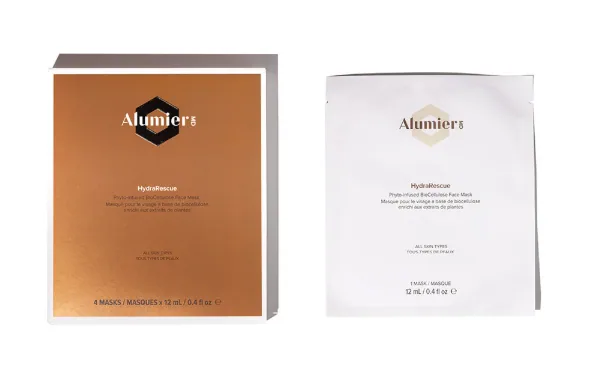
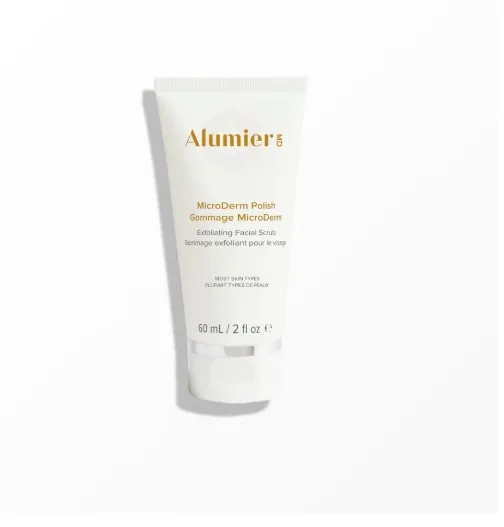
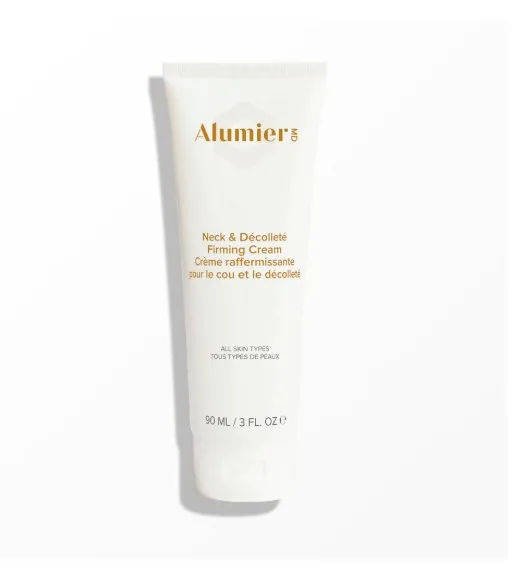
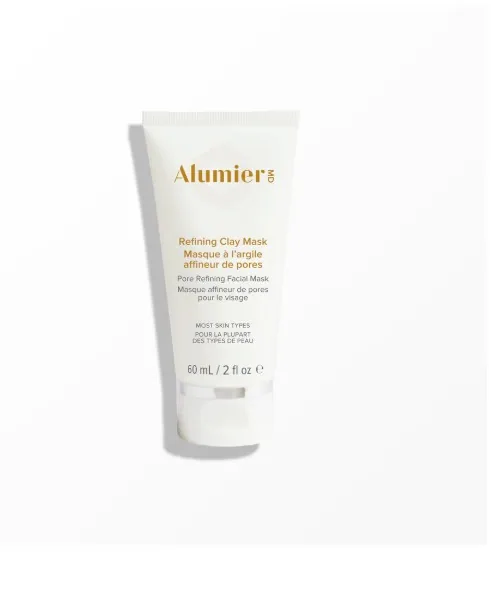
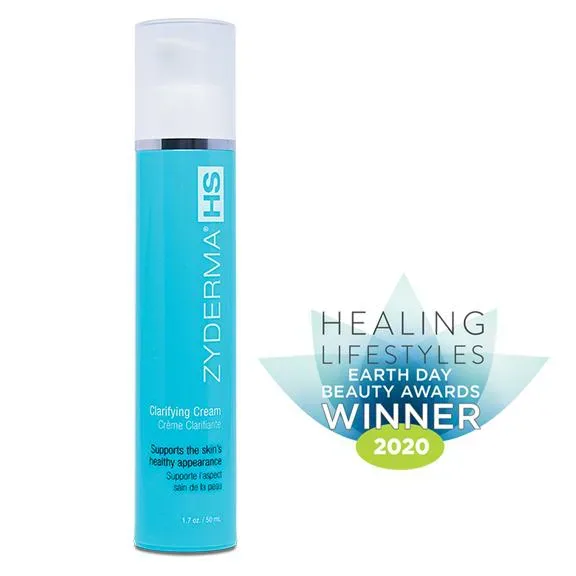
They fall into three groups. Exfoliants: the Enzymatic Peel with 10% lactic acid and fruit enzymes, the Bright & Clear Solution built on lactic acid, salicylic acid and a natural source of vitamin C, and the MicroDerm Polish, which is mechanical rather than chemical. Masks: Refining Clay for oil and congestion, Aqua Infusion for dehydration, and HydraRescue, which its maker positions for post-procedure and sensitive skin. And two specialists: the Neck and Decollete Firming Cream, which carries microencapsulated retinol for an area people forget, and the Zyderma Clarifying Cream, built around micronized silver.
The treatments we stock
At-home exfoliation, masks, and two products made for a particular area or skin state.
How to choose between the ones above
Work out first whether you need an exfoliant at all. If your serum is a retinol or an AHA, you already have exfoliation in the routine, and adding a weekly peel on top of it is how people end up with a compromised barrier. If your routine is gentle and your complaint is dullness or roughness, this is the category that helps.
For masks the question is easier, because a mask is a short intervention rather than a commitment. Clay for shine and congestion, Aqua Infusion for skin that feels tight, HydraRescue for skin that has just been through something.
How this relates to what we do in clinic
An at-home peel and a medical-grade peel are not the same thing, and we would rather say so than let the word do the work. Our peels page defines the difference precisely: the concentration of the acid, the pH of the solution and the depth it is allowed to reach. A medical-grade peel requires assessment, consent and a clinical judgement about when to stop, which is why it happens in a clinic. An Enzymatic Peel at home is a good product doing a smaller job.
Where at-home treatments earn their place is between appointments. A HydraFacial is a maintenance treatment with no recovery, and a clay mask on a congested week is the same idea at a fraction of the effort.
The mistake people make with it
Exfoliating twice without noticing. A polish on Sunday, an acid serum on Tuesday, exfoliating pads most mornings, and no single one of those is the problem. Count your exfoliating steps before you add another one.
The other is timing one of these next to an in-clinic treatment. HydraRescue tells you on its own label to consult a skincare professional before using it after an in-clinic treatment, and that instruction is there for a reason.
Ask us before you start, if
You are looking at the Neck and Decollete Firming Cream, or anything else here carrying retinol. The same advice applies as in the serums: the concentration should match your tolerance, and that is a conversation rather than a guess.
You have microneedling, a peel or resurfacing booked or recently done. Do not restart acids or retinoids until you are told to, and that includes the ones in this category.
Your concern is acne scarring or textural change. Nothing in this category remodels skin. That is what the treatment menu is for, and we will tell you plainly which of these is worth your money and which is not.