CO2 resurfacing
Skin & laser
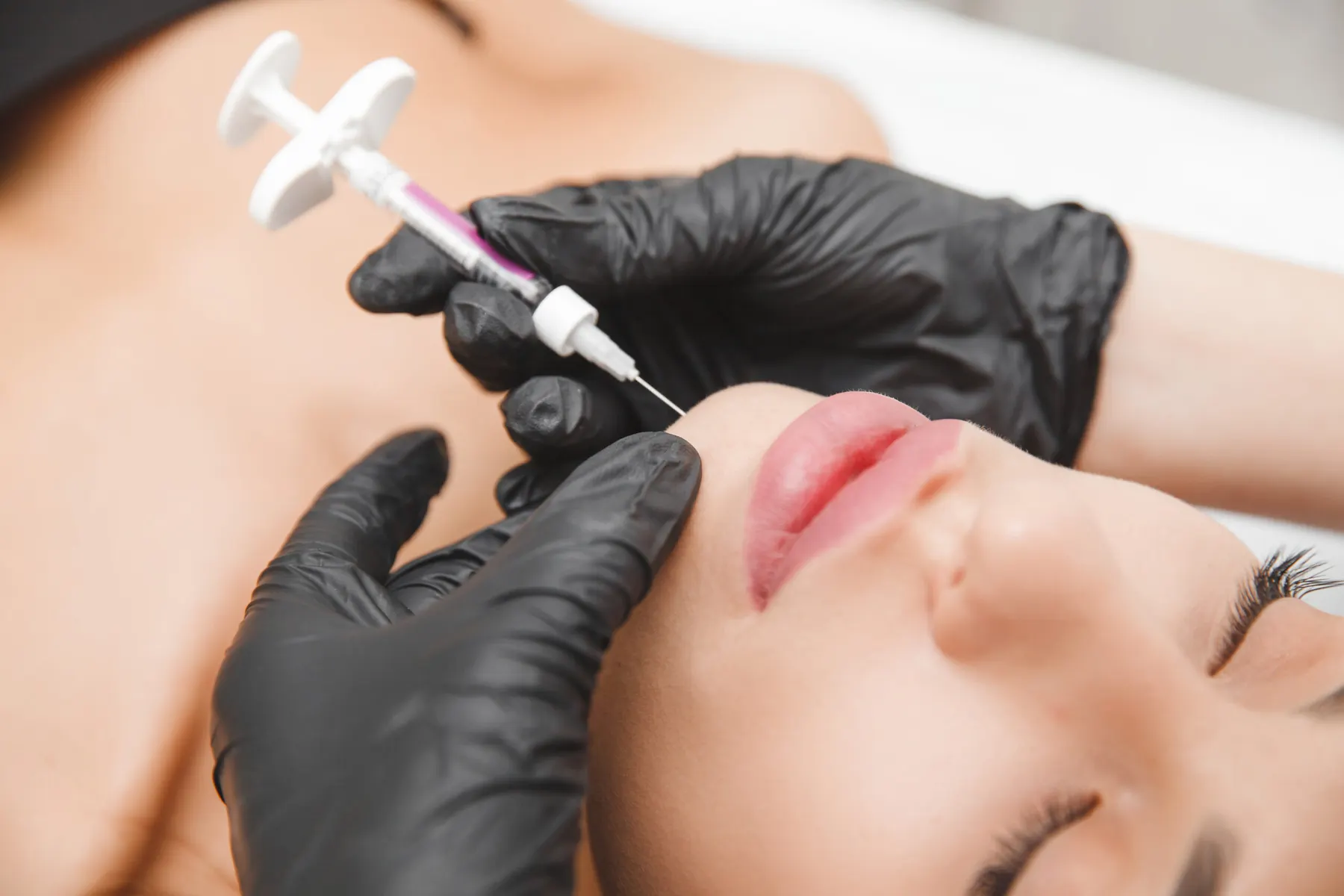
An ablative fractional laser that removes columns of damaged skin so the surrounding tissue heals into something smoother and firmer.
from $1,199 About CO2 resurfacing →

Acne Scarring is permanent textural change in the skin caused by inflammation destroying collagen during acne, producing indented atrophic scars, raised hypertrophic scars, or a combination; scars can be substantially improved through resurfacing and collagen remodelling, but they are reduced rather than erased.
02 · The honest version
Indented, raised and pigmented marks left behind by acne, how the scar type decides the treatment, and what improvement realistically looks like.
Every face is different. This page is the general picture. What is actually happening on your skin is something a nurse should look at up close, in clinic light, before anyone recommends a treatment.
Does it get worse? That depends on the concern and on you. It is a reason to start early, not a reason to panic - and we will tell you plainly where you are rather than where a treatment plan would be easiest to sell.
During inflammatory acne, the immune response that clears the blockage and bacteria also damages the surrounding tissue. Enzymes released in that process break down collagen in the dermis. When the inflammation resolves, the skin repairs itself, but the repair is imperfect.
If too little collagen is replaced, the skin surface sits lower than the tissue around it and you get an indented, or atrophic, scar. If too much is produced, you get a raised hypertrophic or keloid scar. Either way, the change is structural and permanent, which is what separates a scar from a mark.
This is the single most useful thing to know about acne scarring, because it explains the two things people most want to understand: why creams do not fix it, and why treating acne early matters so much.
A great many people arrive convinced they have scarring when what they have is a colour change in structurally intact skin.
Post-inflammatory hyperpigmentation is the flat brown mark left after a spot heals. It is pigment, not texture. It fades over months, and treatment can accelerate that.
Post-inflammatory erythema is the flat red or purple mark, common in lighter skin, caused by dilated capillaries rather than pigment. It also fades over time.
True scarring is a change in the surface of the skin. The reliable test is light: run a light source across your face from the side. Colour changes stay flat. Scars cast shadows.
The distinction matters because it changes both the treatment and the timeline entirely.
Ice pick scars are narrow, deep and steep-sided, like a puncture. Because they extend deep into the dermis over a very small surface area, resurfacing the surface reaches only the top of them. They are the most treatment-resistant type.
Boxcar scars are wider, round or oval depressions with sharply defined vertical walls. They respond reasonably well to resurfacing, which softens the abrupt edge that makes them so visible.
Rolling scars are broad, shallow undulations that give the skin a wavy appearance. They are caused by fibrous bands tethering the skin down from beneath rather than by tissue loss at the surface, which is why they respond better to treatments that work at depth.
Most people have a mixture, in different proportions on different parts of the face. This is why a single treatment applied uniformly rarely produces the result someone was hoping for, and why the assessment matters more than the device.
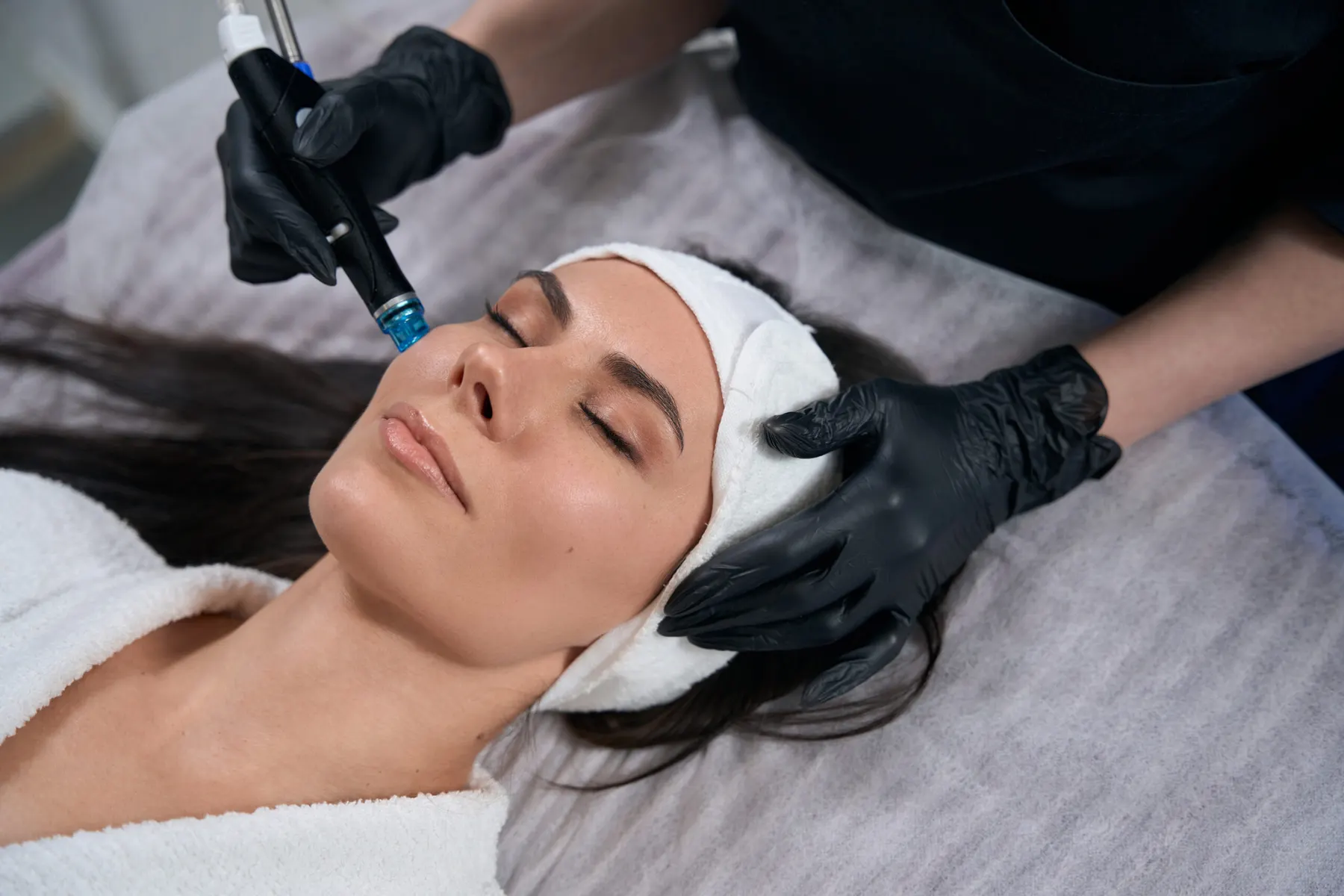
CO2 laser resurfacing is our most powerful tool for acne scarring. It ablates columns of damaged tissue in a fractional pattern and stimulates a strong collagen remodelling response, which is particularly effective at softening the sharp margins of boxcar scars and improving overall surface texture. It involves genuine downtime, and we will describe that honestly before you book.
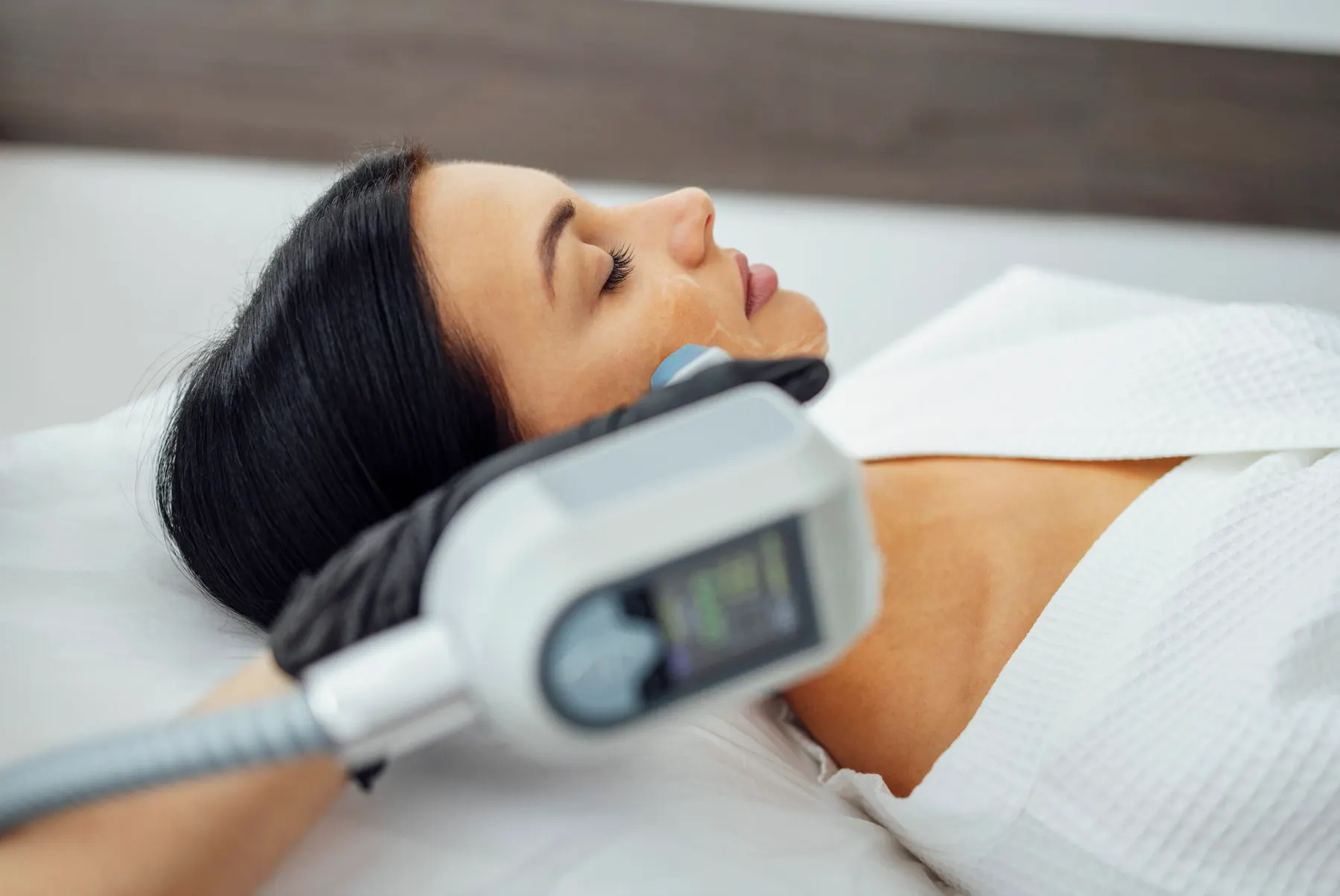
Morpheus8 delivers radiofrequency energy below the surface through microneedles, remodelling collagen at depth. It is well suited to rolling scars and to skin where deeper structural change is the priority.
Microneedling stimulates collagen production through controlled micro-injury, with far less downtime than ablative resurfacing. It suits shallower scarring and is often used in a course.
PRP, applied with microneedling, uses growth factors concentrated from your own blood to support the healing and remodelling response.
Medical-grade peels improve surface texture and are particularly useful for the pigmented marks that frequently accompany scarring.
Two things determine whether you will be happy with the outcome.
The first is treating active acne before treating scars. Repairing damage while new damage is forming is not a plan, and several of these treatments are inappropriate on actively inflamed skin. If your acne is not controlled, start with our acne page.
The second is a realistic target. Acne scarring is improved, sometimes dramatically, but it is not erased. We photograph consistently under the same lighting so that progress can be judged properly, because textural change is genuinely difficult to assess from memory or from a phone mirror.
04 · What we actually offer
These are the ones we use for acne scarring. Not every face needs all of them, and we will say so. The goal in every case is the same: treat the cause, not the photograph.
Skin & laser
An ablative fractional laser that removes columns of damaged skin so the surrounding tissue heals into something smoother and firmer.
Skin & laser
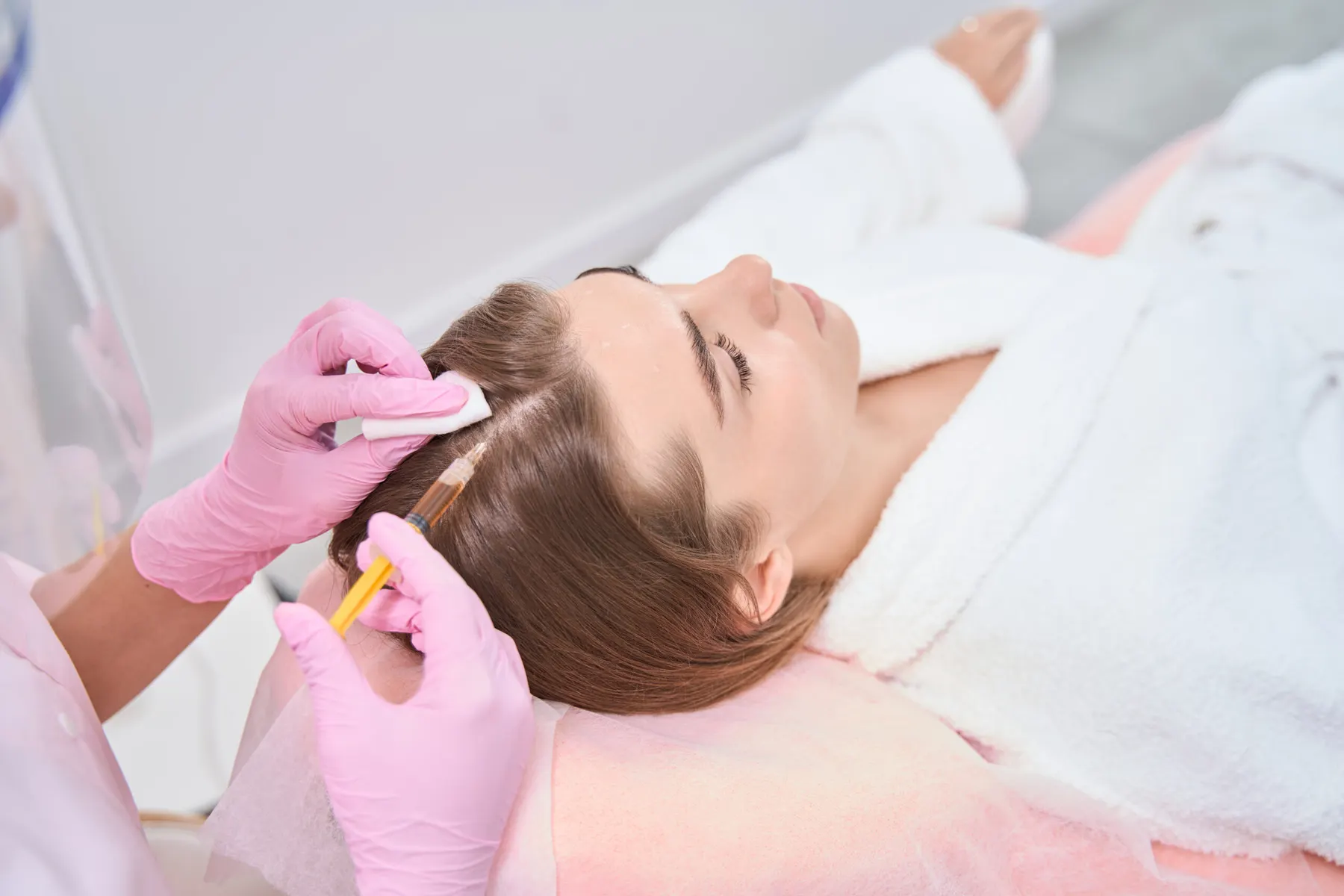
Microneedling combined with radiofrequency energy delivered at depth, aimed at laxity and contour rather than at the skin surface.
Skin & laser
Sterile needles creating thousands of controlled micro-channels so the skin repairs itself with new collagen, at a depth chosen for your concern.
Skin & laser
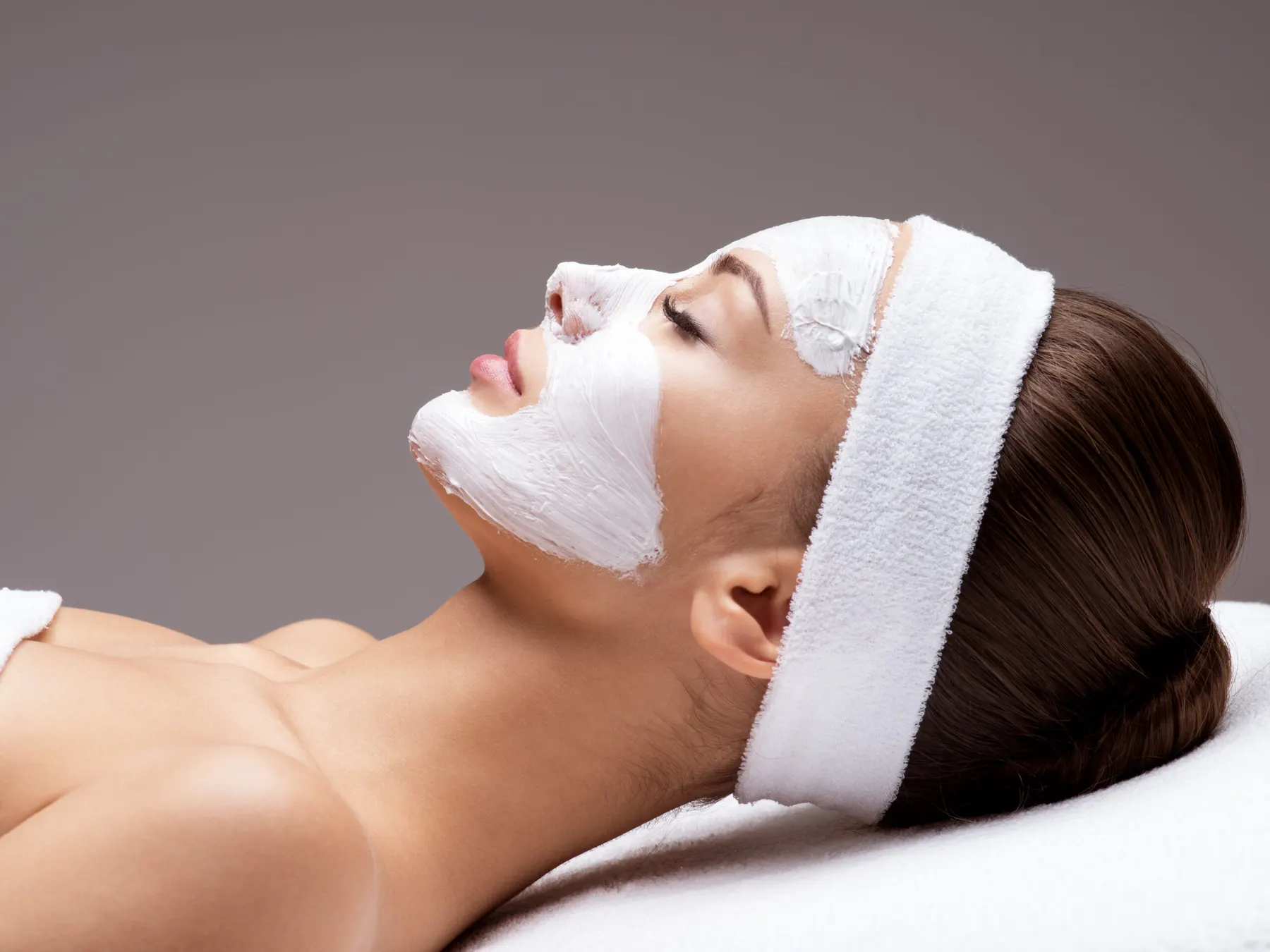
Chemical solutions applied at a controlled strength and depth to shed damaged skin, chosen for your concern rather than sold as a single signature peel.
Injectable
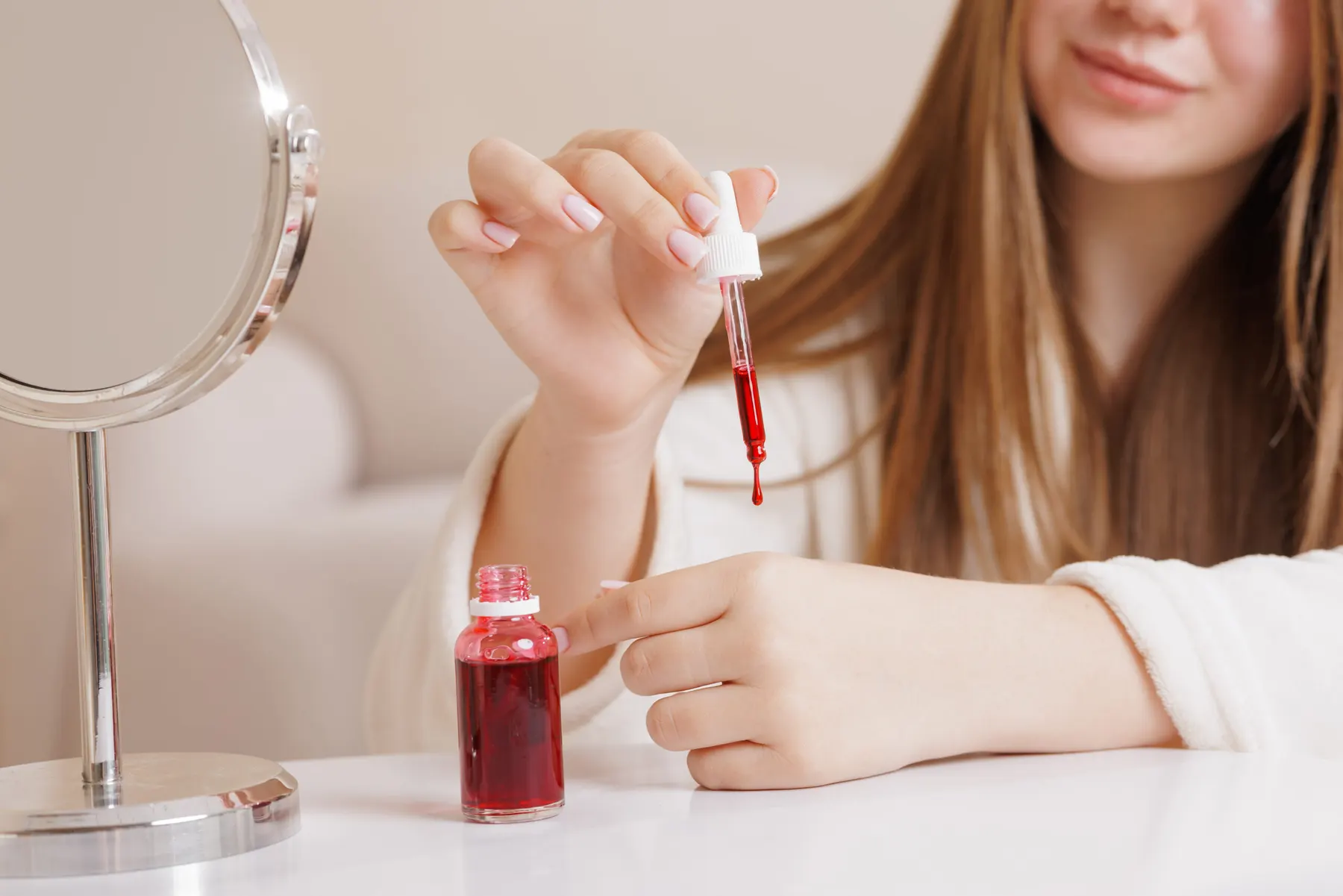
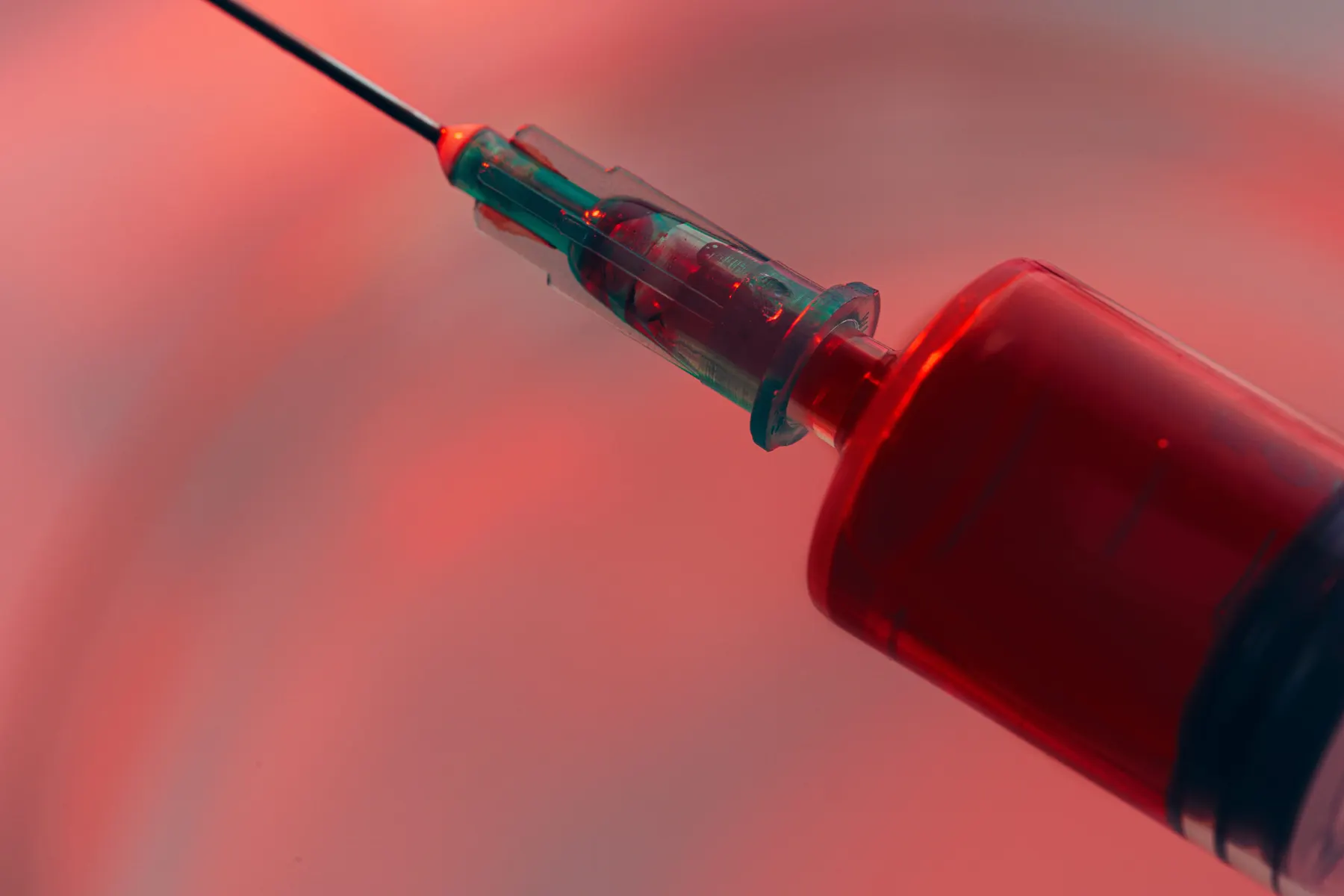
Microneedling combined with platelet-rich plasma taken from your own blood on the day, used to push the skin's repair response further.
Every plan is personalised. Which of these you need, in what order and how often, is decided after a nurse has looked at your skin - not before. We will also tell you when a treatment is wrong for you, and we say it before you book.
05 · What actually happens
If you have been putting this off, this section is for you. A consultation costs you nothing and commits you to nothing - you are allowed to walk out having booked absolutely nothing.
She is the one who answers the phone and the texts, so you will already have spoken to her. No clipboard interrogation in the waiting room.
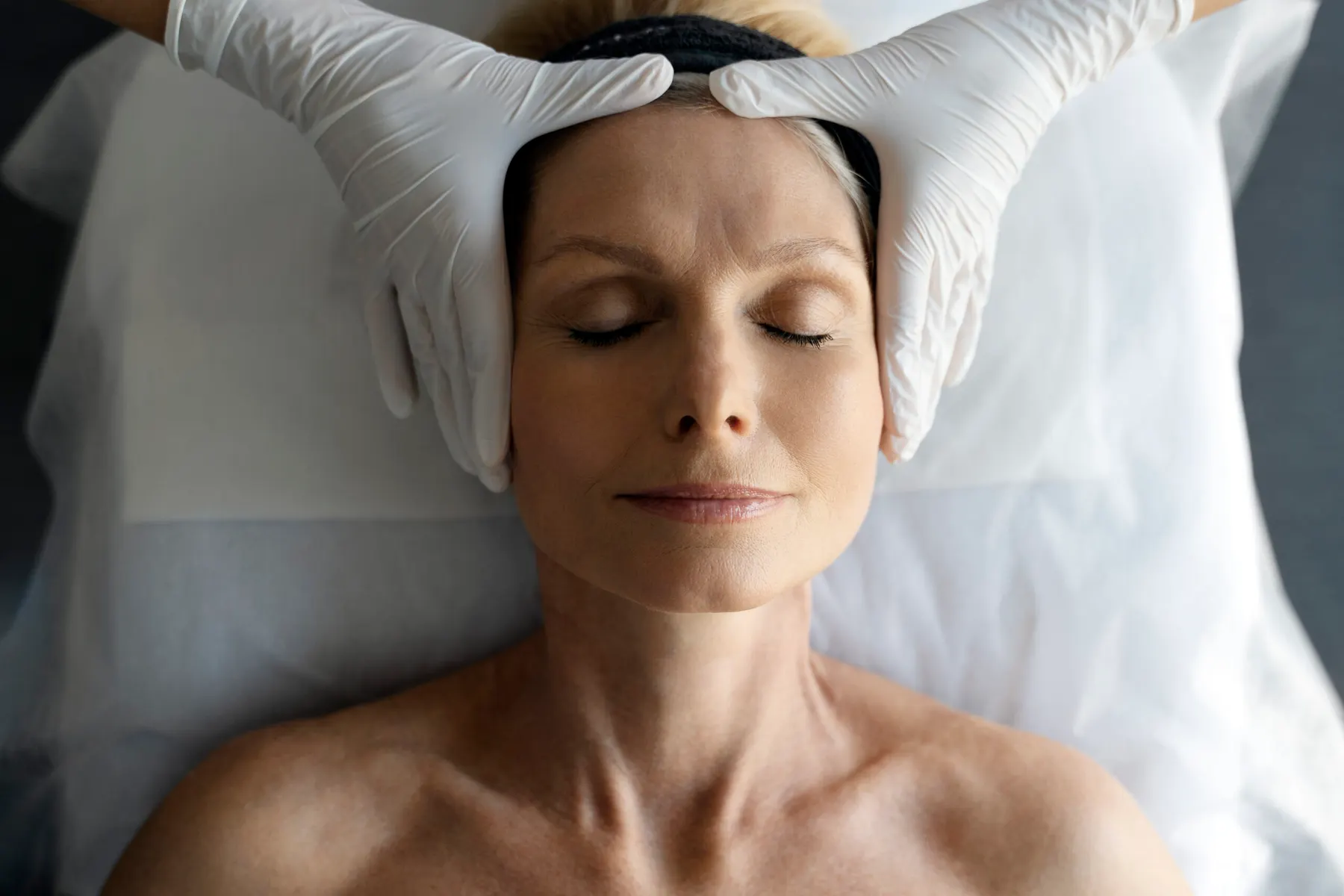
In clinic light, up close, with your makeup off if you are wearing any. This is the part people dread and it takes about a minute.
When it happens, what you had noticed before it happened, what you have already tried and what made it worse. Bring your current products if it is easy.
What we would do, in what order, and what it costs - including the option of doing nothing yet. If a treatment is wrong for you, we say so here, not after.
Nothing is booked in the room unless you want it booked. No deposit, no pressure, no offer that expires on Friday.
Always so kind and personal. Took the extra time to make sure I was comfortable.
06 · Straight answers
The questions people actually ask us on the phone, answered the way we answer them on the phone.
Usually not. Flat red or brown marks with no change in texture are post-inflammatory erythema and post-inflammatory hyperpigmentation, which are colour changes in skin that has healed structurally intact. They fade over months and can be accelerated with peels and light-based treatment. True acne scars involve a change you can feel as well as see, because collagen has been lost or overproduced.
Atrophic scars are indented and are the most common. They are subdivided into ice pick scars, which are narrow and deep; boxcar scars, which are wider with defined vertical edges; and rolling scars, which are broad shallow undulations tethered from below. Hypertrophic and keloid scars are raised rather than indented and occur more often on the chest, back and jawline. Most people have more than one type, which is why single-treatment plans often disappoint.
No, and we will not tell you otherwise. What is genuinely achievable with a well-designed plan is substantial improvement in depth, edge definition and how much the scarring catches the light, which for most people is the difference between scarring that dominates their face and scarring they stop thinking about. Complete erasure is not on the table with any technology currently available.
It depends on which types you have. Rolling scars respond well to collagen stimulation with microneedling, radiofrequency microneedling or biostimulation. Boxcar scars usually need resurfacing to soften their sharp edges. Ice pick scars are the most resistant to surface treatments because they are narrow and deep. An assessment in appropriate lighting is how we work out the mix, and most plans combine approaches.
Yes, in almost all cases. Treating scarring while acne is still actively inflaming the skin means you are repairing damage while new damage is being created, and several scar treatments are not appropriate on actively inflamed skin. Getting acne under control first is not a delay tactic, it is the sequence that produces a better and more durable result.
It has a genuine role, particularly for rolling and shallower boxcar scars, by creating controlled micro-injury that stimulates new collagen in the scarred area. It is generally less powerful than ablative resurfacing but involves considerably less downtime, which makes it a practical option for many people. Adding PRP is sometimes used to support the healing response.
CO2 laser resurfacing removes damaged tissue from the surface in a fractional pattern and drives strong collagen remodelling, which makes it particularly effective at softening sharp scar edges. Morpheus8 delivers radiofrequency energy beneath the surface through microneedles, remodelling deeper tissue with less impact on the epidermis. CO2 generally offers more surface change with more downtime; Morpheus8 works deeper with a different recovery profile. Some plans use both, staged.
It can be, with careful device and setting selection, but ablative resurfacing carries a real risk of post-inflammatory hyperpigmentation in richly pigmented skin, and that risk has to be discussed honestly rather than glossed over. In some cases the safer plan starts with needling and peels rather than ablative laser. If we do not think a treatment is appropriate for your skin, we will tell you.
Where this comes from
We would rather you did not take our word for any of this. These are the sources behind what is written above, and none of them are ours.
07 · Often confused, often alongside
Concerns are regularly mistaken for one another - and they rarely turn up entirely alone. These are the ones that sit closest to it.
08 · The next step is small
A acne scarring consultation costs you nothing and commits you to nothing. You will leave knowing what your skin is doing, what we would do about it, and what it would cost - whether or not you book anything.
Bring three things. Whatever you are currently putting on your face, a rough idea of when it is at its worst, and any questions you have written down. That is genuinely all the preparation we need.
Makeup is fine either way. If it is easier to arrive with it on, arrive with it on - there is a mirror and a cleanser in the room.
We answer during clinic hours, usually within the hour.
647-333-6805 Open messagesOn a desktop? Save the number and text from your phone.