
Treatments
Dissolving filler: when it is the right call
Filler regret is common and fixable, and almost nobody writes about it honestly. Here is what dissolving actually involves, when it is the right call, and when it is not.
 Alex Dinovich, FNP-PHCClinically reviewed
Filler regret is one of the most common things people arrive with, and one of the least written about. Most clinic websites are keen to tell you what filler can add and quiet about what happens when you want it gone. This is the other half of that conversation.
Hyaluronic acid filler can be dissolved, and most other injectables cannot
The reversibility of hyaluronic acid filler is its single most underrated feature. An enzyme injected into the area breaks the gel down, and the tissue clears the fragments over the following days. That is a genuine safety net, and it is the reason hyaluronic acid is the sensible choice in areas that move, in areas that are hard to judge, and for anybody having filler for the first time.
Poly-L-lactic acid, which stimulates your own collagen, and calcium hydroxylapatite have no equivalent reversal agent. Neither does permanent filler, which we do not use. So before anything else, the useful question is not “can this be dissolved” but “what was actually injected”.
The three reasons people ask, and they are not equally urgent
Most requests fall into one of three groups. The first is aesthetic: too much product, product in the wrong plane, migration, or the gradual accumulation that happens when small top-ups are added to a face that never fully cleared the last round. This is elective and there is no hurry.
The second is functional. Filler placed under the eyes can hold water and puff, filler can weigh down tissue it was meant to support, and lumps can sit visibly under thin skin. Still not urgent, but it usually has a clear answer.
The third is a complication, and it is not elective at all. If filler compresses or blocks a blood vessel, dissolving is an emergency treatment and the timeline is hours, not weeks. That is a separate conversation from this article, and it is the reason we ask every patient to contact us immediately about sudden severe pain, blanching or vision changes rather than waiting to see whether it settles.
Under the eyes is where dissolving is most often the right answer
The tear trough is the area we most often end up correcting, and it is worth understanding why. The skin there is thin, the anatomy is unforgiving, and hyaluronic acid attracts water. Filler that looked reasonable at two weeks can look puffy at two years, particularly in the morning, and adding more rarely fixes it.
Very often the original problem was not a hollow at all. Dark circles are frequently a skin quality and pigment issue rather than a volume one, and filler placed to correct a shadow that was never a hollow will not help. That is a case where dissolving and starting again with a different approach is the honest recommendation.
What the appointment actually involves
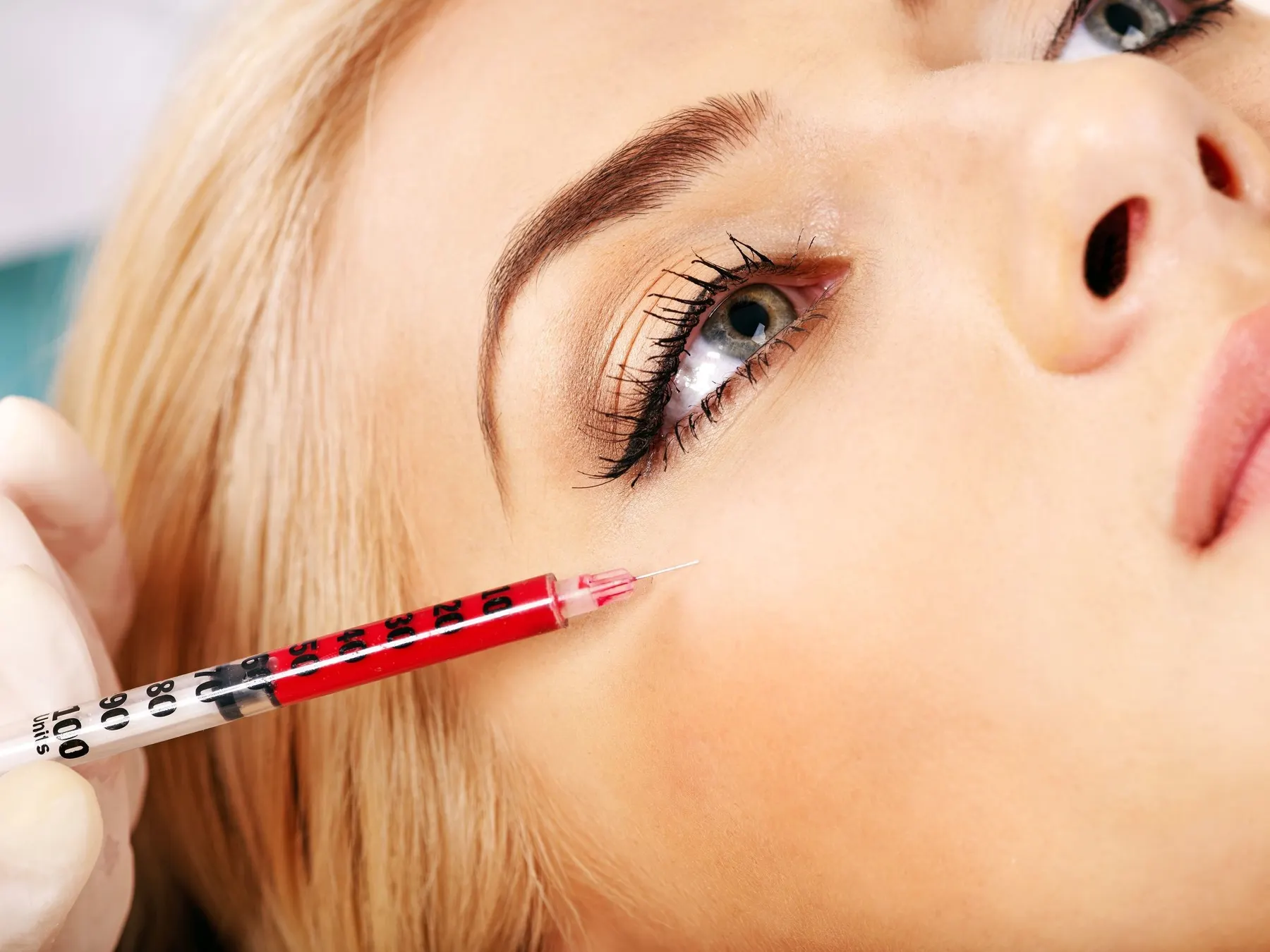
It is quick, and it is less comfortable than having filler placed. The area is assessed and mapped, the enzyme is injected into the product itself rather than broadly into the tissue, and you go home. Swelling afterwards is normal and can be pronounced for a day or two.
The result is not instant. Some breakdown happens quickly, but the picture takes days to settle, and the sensible point to judge it is at two weeks rather than on the evening of the appointment. Large volumes, older product and firmly integrated filler frequently need a second session.
The honest limitations
Dissolving is targeted, not surgical, and it is not always complete in one pass. It cannot restore skin that has been stretched over years by too much product, and it does not undo the effects of ageing that happened while the filler was in place. Some people are surprised by how they look afterwards, not because the treatment failed, but because they have not seen their own face without filler for a long time.
There is also a small risk that the enzyme affects your own hyaluronic acid in the area. It is temporary, but it is real, and it is a reason to dissolve only what needs dissolving.
Who should not be dissolving anything
If you are two weeks out from a wedding, an event or a photograph, this is not the moment. If you have had filler in the last few weeks and it is still settling, you may be reacting to swelling rather than to the result. If you are being told by somebody that all of your filler must come out before they will treat you, get a second opinion, because that is occasionally clinically right and frequently a sales position.
What we do at the consultation
We ask what was injected, when, where and how much, and we look at what the tissue is actually doing rather than at what you have been told. If dissolving is the right answer we will say so, and we will give you a realistic expectation of how many sessions it may take and what your face is likely to look like afterwards.
If it is not the right answer, we will say that too. Sometimes the correct advice is to wait, because hyaluronic acid does break down on its own, and a face that is a little overfilled today will not be in a year.

03 · Accountability
Written here.
Checked here.
This guide was written by Bradford Skin Clinic and clinically reviewed by Alex Dinovich, FNP-PHC before it was published.
- Published
- Last updated
- Category
- Treatments
A guide is general and your face is not. Nothing here replaces an assessment in the room, which is free and happens before anything is booked.

04 · From reading to the treatment room
What this looks
like in practice.
Published prices are starting prices, confirmed at your consultation. Where nothing is published, the dose and the plan decide the price rather than a menu.
- Dermal fillers from $600
- Skinboosters from $595
Every injectable here is placed by a licensed nurse, and every plan is signed off by our Medical Director. The consultation is free and comes before anything is booked.


 Dermal fillersTreatment
  SkinboostersTreatment
  Dark Circles and Under-Eye HollowsConcern
  Sunken Cheeks and Volume LossConcern
 05 · Who performs these treatments
The people behind
the writing.
Nobody here injects without a nursing licence. The guides on this site are written by the same people who carry out the treatments they describe.







06 · Asked and answered
The questions
that follow.
Can all filler be dissolved?
Hyaluronic acid filler can be broken down with an enzyme. Poly-L-lactic acid and calcium hydroxylapatite cannot, because there is no reversal agent for either. That is why the question of which product was used matters before anything else, and why we ask what you had and where before we offer an opinion.
Will one appointment be enough?
Sometimes. Older filler, larger volumes and firmly integrated product often need more than one session, and the honest answer at consultation is usually a range rather than a number.
Will my face look worse before it looks better?
Swelling immediately afterwards is normal and can be significant, so the area often looks fuller before it looks emptier. Judging the result on day one is the most common mistake people make.
Can I have new filler afterwards?
Yes, but not on the same day. The enzyme is still active in the tissue for a period afterwards and would degrade anything placed into it. We would normally wait a couple of weeks, and longer if the area is still settling.
What if I do not know what was injected?
Bring whatever record you have, including receipts, aftercare sheets or the clinic's name. If nothing is available we work from examination and from what the tissue behaves like, and we are more conservative as a result.