Dermal fillers
Injectable
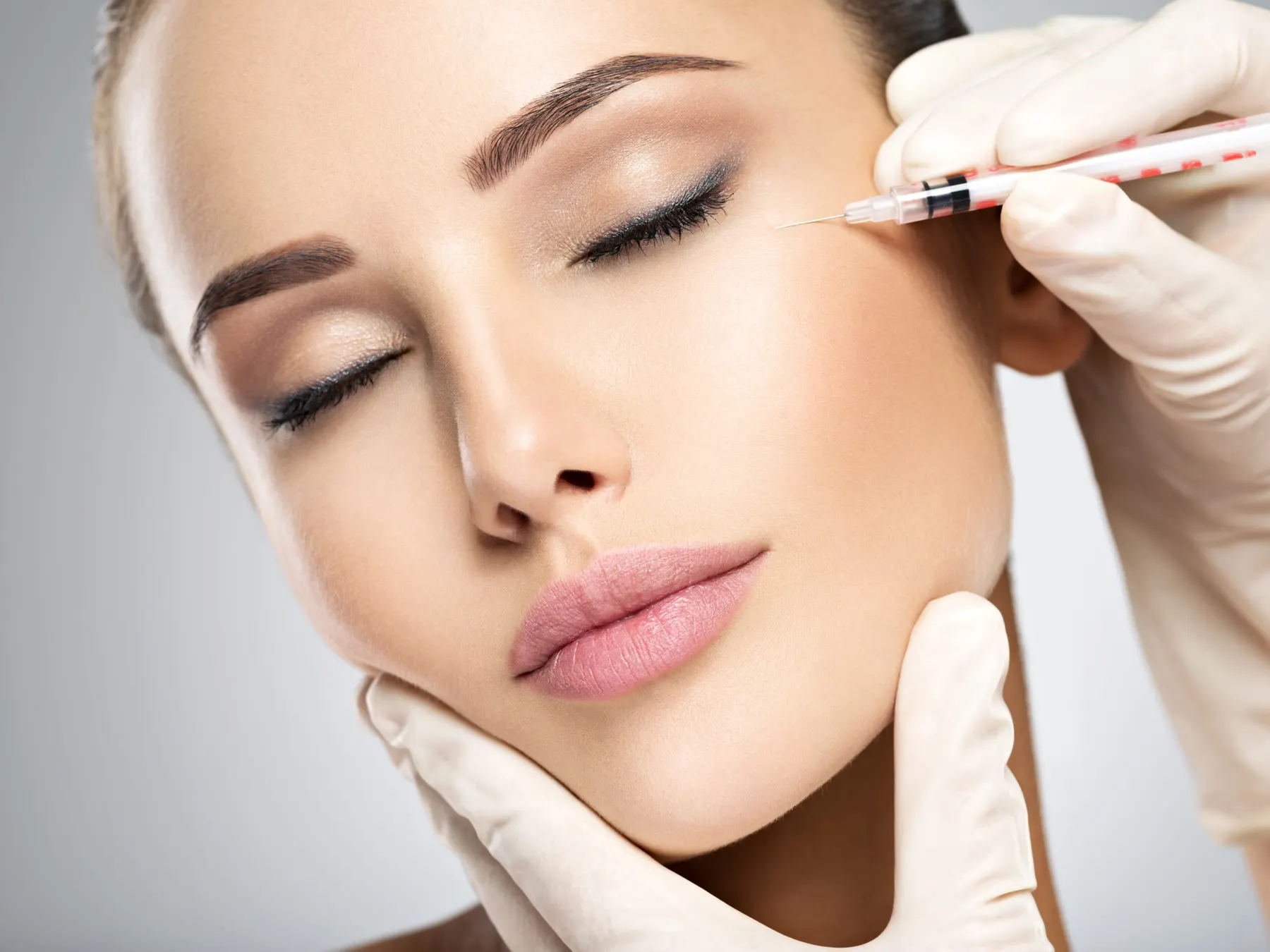
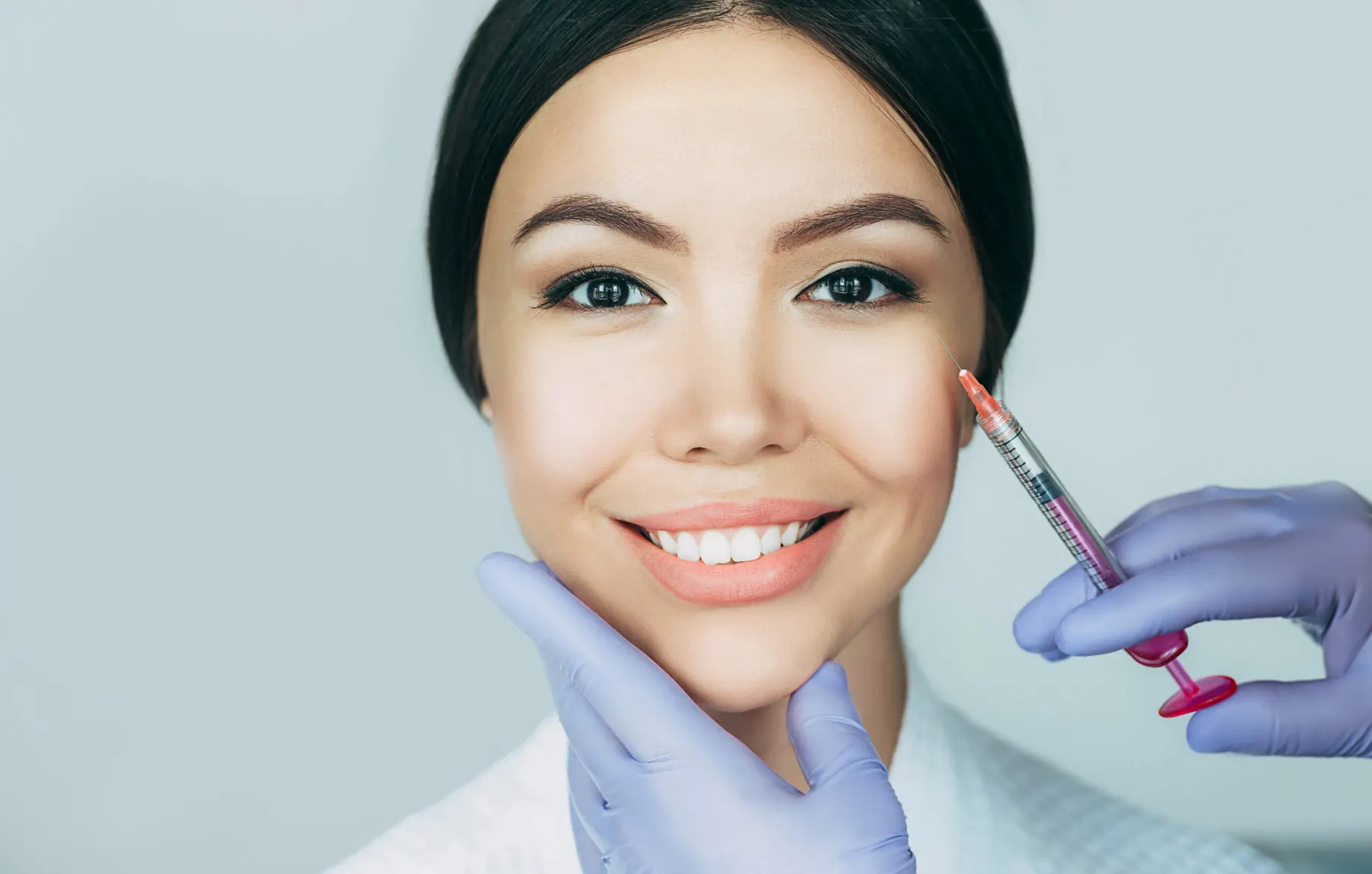
Hyaluronic acid gel placed in specific planes to restore support where the face has lost it, or to change a proportion you have never liked.
from $600 About Dermal fillers →


Under-eye hollows, also called tear troughs, are depressions between the lower eyelid and the cheek caused by loss of volume and increasing prominence of the bony orbital rim, producing a shadow that reads as tiredness; the shadow can be improved when it is structural, but under-eye darkness caused by pigment or thin skin will not respond to filler.

02 · The honest version
Hollows, shadows and dark circles under the eyes, the four different causes behind them, and an honest account of which ones filler can help.

Every face is different. This page is the general picture. What is actually happening on your skin is something a nurse should look at up close, in clinic light, before anyone recommends a treatment.
Does it get worse? That depends on the concern and on you. It is a reason to start early, not a reason to panic - and we will tell you plainly where you are rather than where a treatment plan would be easiest to sell.
The under-eye is the region people most want treated and the region where treatment most often goes wrong. There are good reasons for both.
The skin here is the thinnest on the face. There is very little fat between skin and muscle. The underlying anatomy includes a bony rim, distinct fat compartments and a ligament that tethers the skin down, and it changes shape with age in ways that are highly individual. Everything you place here shows.
So the most valuable part of any under-eye consultation is not the injection. It is working out what is actually causing what you see.
Structural hollowing. As the orbital bone remodels and the fat pads beneath the eye lose volume, a groove develops between the lower lid and the cheek. Light falls into that groove and casts a shadow. This is the cause that responds best to filler, because there is a genuine depression to restore.
Pigmentation. Brown discolouration in the under-eye skin itself, which is more common in richer skin tones and often familial. It is unaffected by lighting angle and completely unaffected by filler. It is addressed with pigment-directed treatment and sun protection.
Vascular visibility. Blue or purple tones from the network of vessels beneath thin, translucent skin. Adding filler under discoloured skin does not remove the discolouration, and in some cases makes the area look greyer. Improving skin thickness is the more logical approach.
Fat prolapse, or bags. Fat pads in the lower lid pushing forward, producing a bulge that in turn deepens the appearance of the groove below it. This is a structural issue that filler cannot correct, and significant prolapse is a surgical question.
Most people have some combination. That is precisely why an honest assessment sometimes concludes that the treatment you came in for is not the one that will help.
Try this before your appointment. Stand in front of a mirror with a lamp positioned above you, then hold the light source below your face and look again.
If the darkness noticeably lightens when the light comes from below, it is shadow, and it is structural. If it looks essentially identical from both angles, it is pigment sitting in the skin, and no amount of volume will change it.
This simple test does more to set realistic expectations than anything else we can tell you.
Dermal filler in the tear trough, placed conservatively and deeply, is appropriate for genuine structural hollowing in someone with reasonable skin quality and without significant lower lid puffiness. Product choice, depth and volume all matter enormously here, and less is consistently better.
PDRN and polynucleotides are used to improve the quality, thickness and hydration of the under-eye skin itself. Where thin, crepey or translucent skin is the problem, this addresses the actual cause rather than working around it.
Skinboosters hydrate and improve skin quality across the area without adding structural volume.
PRP uses growth factors from your own blood to support skin quality in the periorbital region.
We decline under-eye filler more often than any other treatment we offer. The reasons are usually one of these: the darkness is pigmentary rather than structural, there is significant lower lid fat prolapse, the skin quality is not sufficient to hide product, or the expectation is for a result that filler cannot produce.
If any of those apply to you, we will tell you at the consultation and explain what would actually help. A visible bad result in this area is difficult to live with while it settles, and we would rather lose the booking.
Injectable treatments here are performed by regulated nurses within a nurse-practitioner-led practice, and you are entitled to ask who will be treating you and what their experience with this specific area is. Ask us. Ask any clinic.
04 · What we actually offer
These are the ones we use for dark circles and under-eye hollows. Not every face needs all of them, and we will say so. The goal in every case is the same: treat the cause, not the photograph.
Injectable
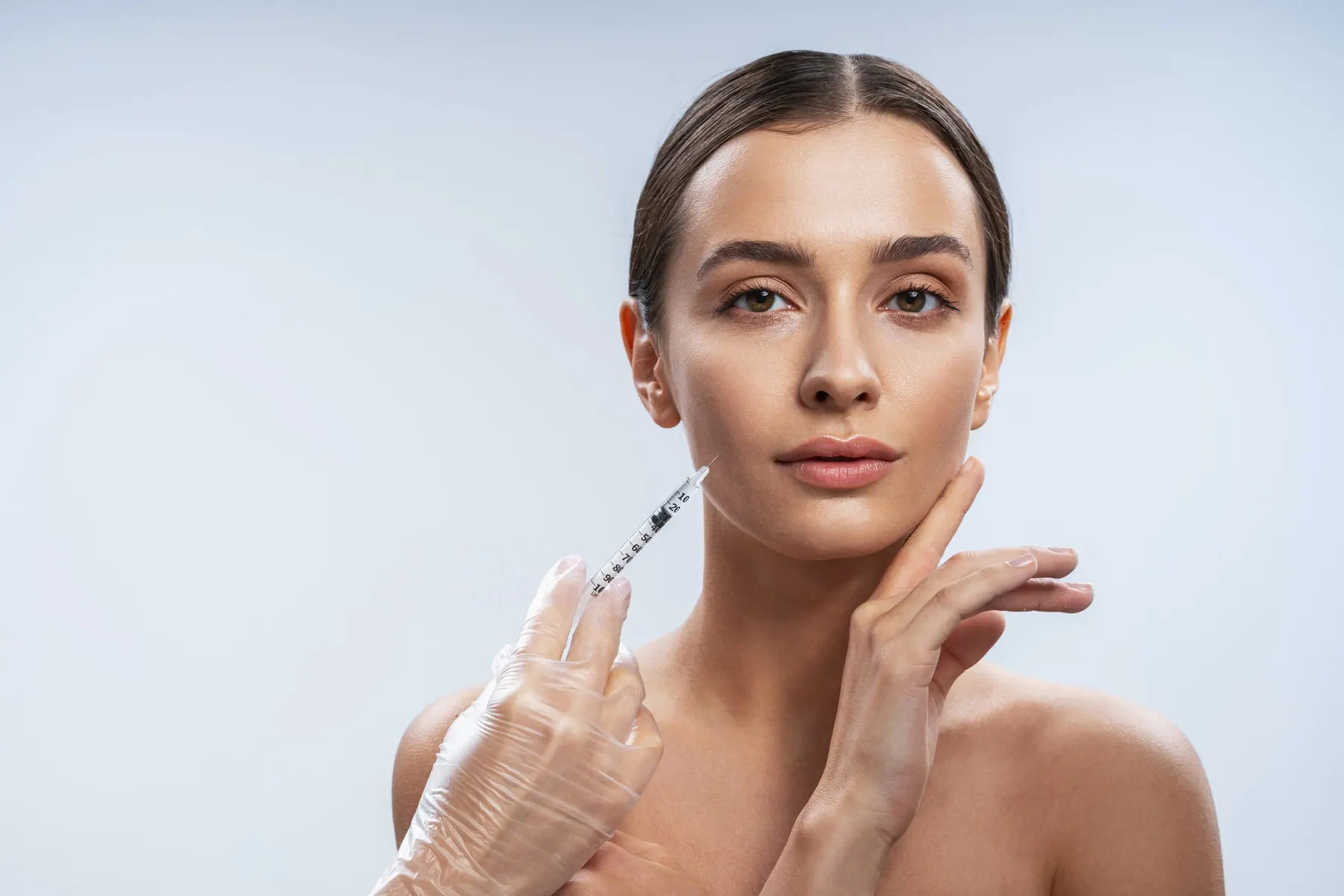
Hyaluronic acid gel placed in specific planes to restore support where the face has lost it, or to change a proportion you have never liked.
Injectable
Purified DNA fragments injected into fragile or damaged skin to support repair, most often used where the tissue is thin and filler would be wrong.
Injectable
Soft hyaluronic acid spread through the skin itself to improve hydration, bounce and light reflection, without changing your shape.
Injectable
Microneedling combined with platelet-rich plasma taken from your own blood on the day, used to push the skin's repair response further.
Every plan is personalised. Which of these you need, in what order and how often, is decided after a nurse has looked at your skin - not before. We will also tell you when a treatment is wrong for you, and we say it before you book.
05 · What actually happens
If you have been putting this off, this section is for you. A consultation costs you nothing and commits you to nothing - you are allowed to walk out having booked absolutely nothing.
She is the one who answers the phone and the texts, so you will already have spoken to her. No clipboard interrogation in the waiting room.
In clinic light, up close, with your makeup off if you are wearing any. This is the part people dread and it takes about a minute.
When it happens, what you had noticed before it happened, what you have already tried and what made it worse. Bring your current products if it is easy.
What we would do, in what order, and what it costs - including the option of doing nothing yet. If a treatment is wrong for you, we say so here, not after.
Nothing is booked in the room unless you want it booked. No deposit, no pressure, no offer that expires on Friday.
Always so kind and personal. Took the extra time to make sure I was comfortable.
06 · Straight answers
The questions people actually ask us on the phone, answered the way we answer them on the phone.
Only if the darkness is caused by a shadow. Under-eye darkness has several distinct causes, and filler addresses exactly one of them. If your darkness is a shadow cast by a hollow, restoring volume can improve it substantially. If it is brown pigmentation in the skin, or blue-purple vessels visible through thin skin, filler will not fix it and may make the area look worse by adding bulk under discoloured skin. Establishing which you have is the whole point of the consultation.
A useful home test is to look in a mirror with a light held below your face rather than above it. Shadow-based darkness lightens or disappears when the light comes from below, because you have removed the shadow. Pigment stays exactly the same regardless of the lighting. Gently stretching the skin can also help: vascular darkness from underlying vessels often becomes more apparent, while pigment does not change.
The under-eye is one of the more technically demanding areas in aesthetics. The skin is very thin, the anatomy is unforgiving, and there are important vascular structures nearby. Complications including lumpiness, prolonged swelling, a bluish discolouration known as the Tyndall effect, and rare but serious vascular events are all recognised. It should be done by an experienced injector who will decline when you are not a good candidate, and the risks should be discussed with you individually beforehand.
Usually because they were not the right candidate, or too much product was placed. Filler in an area with significant lower lid puffiness, poor skin quality or a strong pigmentary component can accentuate exactly what someone was trying to hide. This is why we would rather assess and decline than treat and apologise. Hyaluronic acid filler can be dissolved if a result is not right, which is a genuine safety feature of the product class.
PDRN, or polynucleotides, are injectable fragments derived from DNA that are used to support skin quality rather than to add volume. In the under-eye area the aim is improved skin thickness, hydration and texture rather than filling a hollow. It is often the more appropriate choice where the skin itself is the problem, and it is sometimes used before or instead of filler.
No, and they often occur together which makes it confusing. A hollow is a depression. A bag is a bulge, usually caused by fat pads in the lower lid pushing forward, sometimes with fluid. Filling a hollow beneath a prominent bag can improve the transition between the two, but significant fat prolapse is a surgical issue and no amount of filler will resolve it. We will tell you if that is what we see.
It makes existing darkness look worse rather than creating it from nothing. Fatigue causes fluid retention and mild vasodilation, and it tends to make the whole face look flatter, which deepens shadow. That is why the area looks better after a good week and never fully resolves after one. If your circles persist regardless of sleep, the underlying cause is structural, vascular or pigmentary.
Then we will say so and tell you what would actually help, which might be skin-quality treatment, addressing pigment, or in some cases a surgical referral. The under-eye is the area where we decline most often, and it is not because we do not want the booking. It is because a poor result here is highly visible and much harder to walk back than a poor result elsewhere.
Where this comes from
We would rather you did not take our word for any of this. These are the sources behind what is written above, and none of them are ours.
07 · Often confused, often alongside
Concerns are regularly mistaken for one another - and they rarely turn up entirely alone. These are the ones that sit closest to it.
08 · The next step is small
A dark circles and under-eye hollows consultation costs you nothing and commits you to nothing. You will leave knowing what your skin is doing, what we would do about it, and what it would cost - whether or not you book anything.
Bring three things. Whatever you are currently putting on your face, a rough idea of when it is at its worst, and any questions you have written down. That is genuinely all the preparation we need.
Makeup is fine either way. If it is easier to arrive with it on, arrive with it on - there is a mirror and a cleanser in the room.
We answer during clinic hours, usually within the hour.
647-333-6805 Open messagesOn a desktop? Save the number and text from your phone.