Comparisons
Microneedling vs microneedling with PRP: is the blood draw worth it?
Adding PRP means a blood draw, a centrifuge and a higher price. Here is where the evidence for that addition is strongest, and where plain microneedling is the sensible buy.
 Alex Dinovich, FNP-PHCClinically reviewed
| Aspect | Microneedling | With PRP added |
|---|---|---|
| How it works | Controlled injury, which stimulates repair | The same, plus a concentrate of your own platelets |
| Evidence is strongest for | General texture, tone and a proven workhorse | Acne scarring specifically |
| Worth the extra | Start here for texture, dullness and fine lines | Yes for acne scarring, weaker case elsewhere |
| The appointment | Numbing, then the passes | A blood draw and a wait for the centrifuge first |
| Not suitable if | Standard microneedling contraindications | Pregnant or breastfeeding, clotting disorders, some anticoagulants |
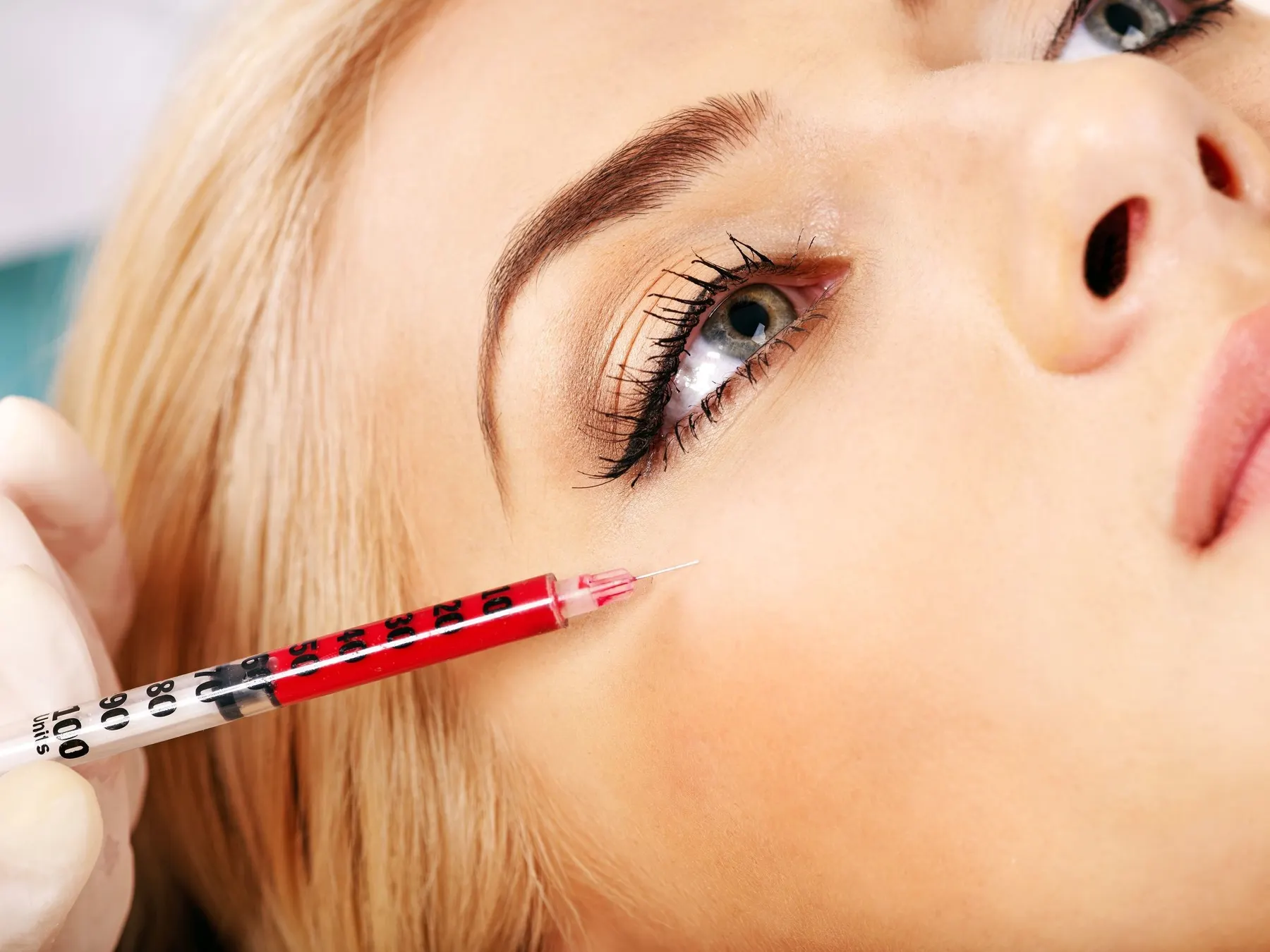
Microneedling creates controlled micro-injuries in the skin to trigger a wound-healing response and collagen production. Adding platelet-rich plasma means drawing your blood, spinning it in a centrifuge to concentrate the platelets, and applying or injecting that concentrate during the same session. The addition is not free, and it is not automatically worth it; whether it earns its cost depends mainly on what you are treating.
Microneedling on its own works by controlled injury and is a proven workhorse
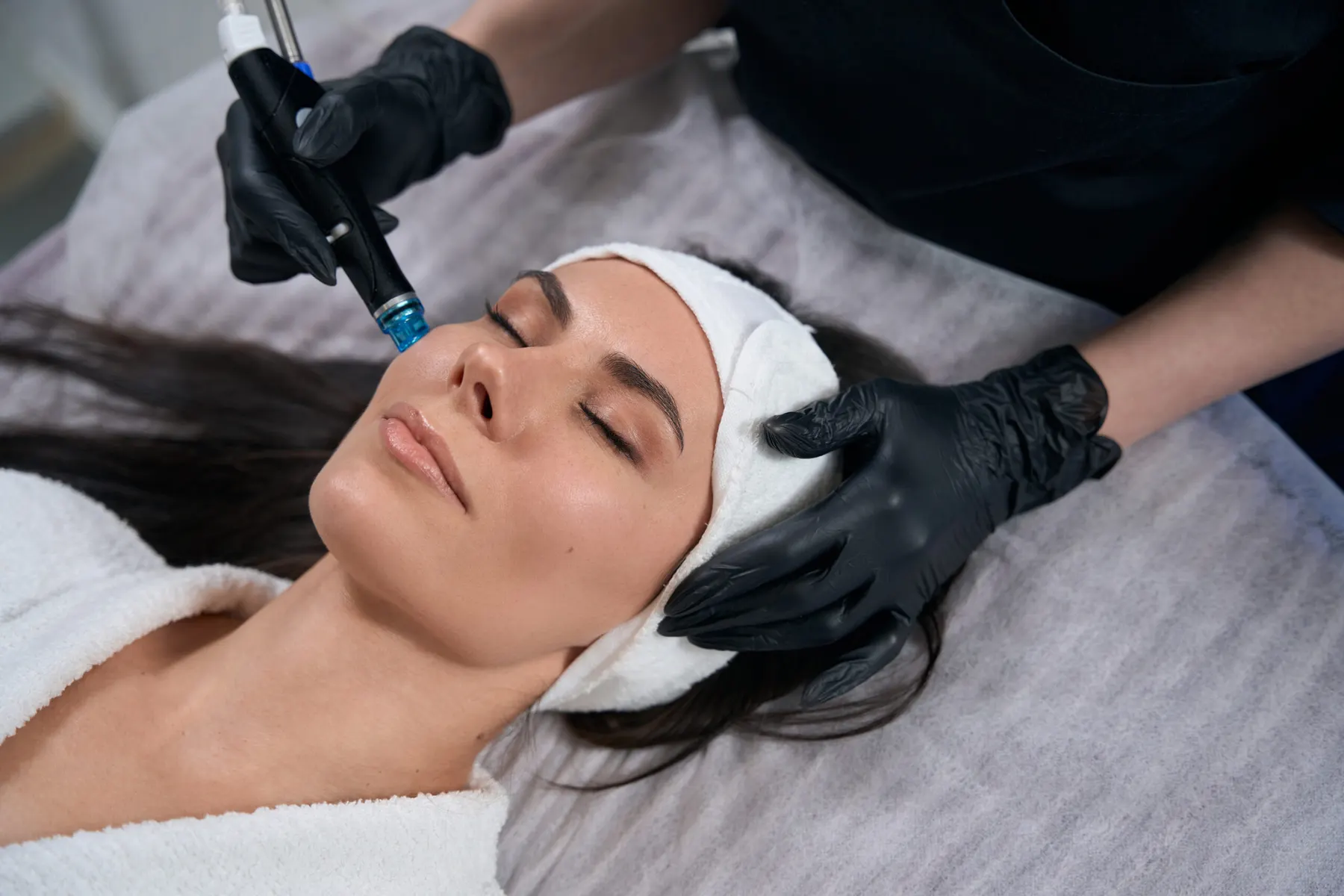
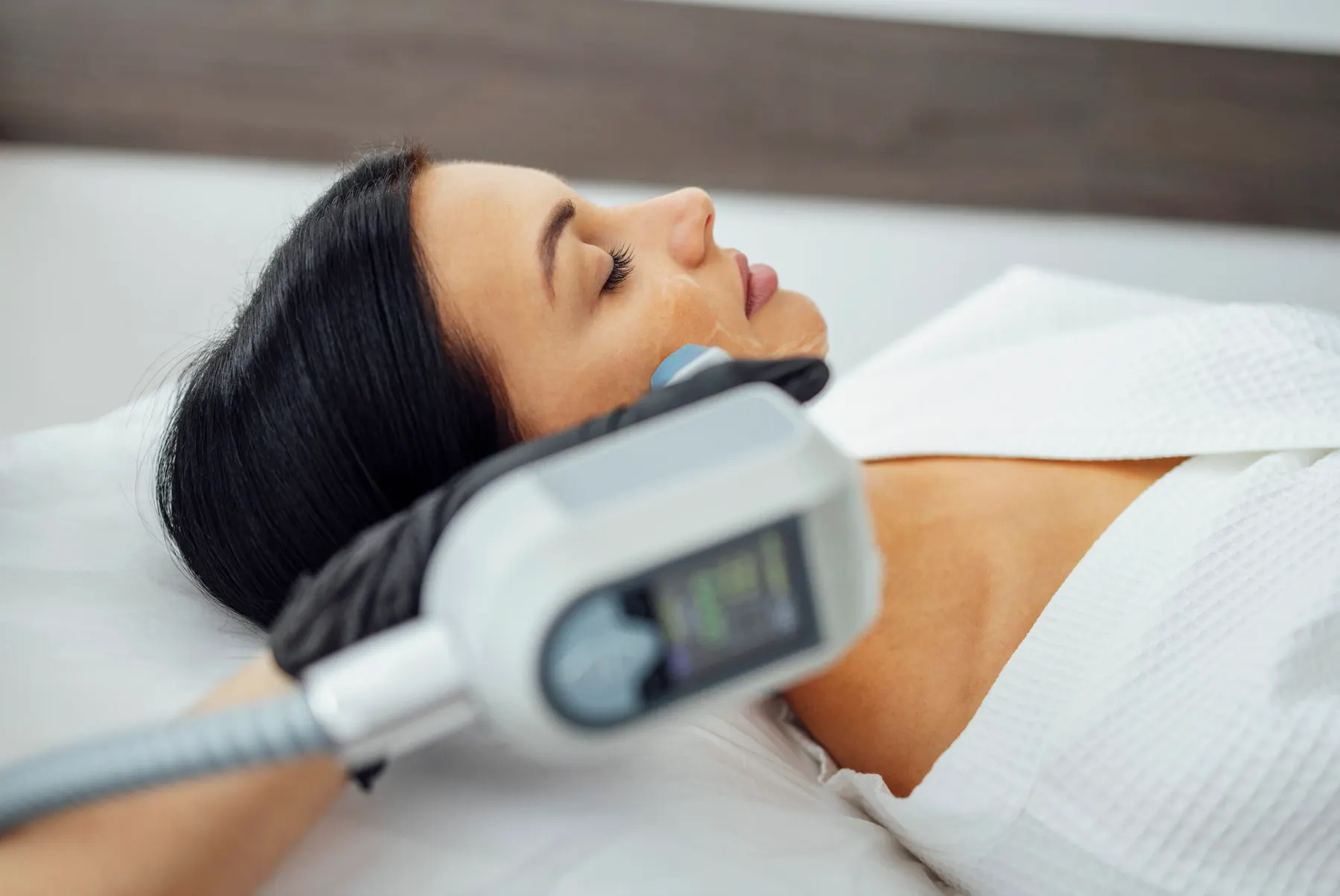
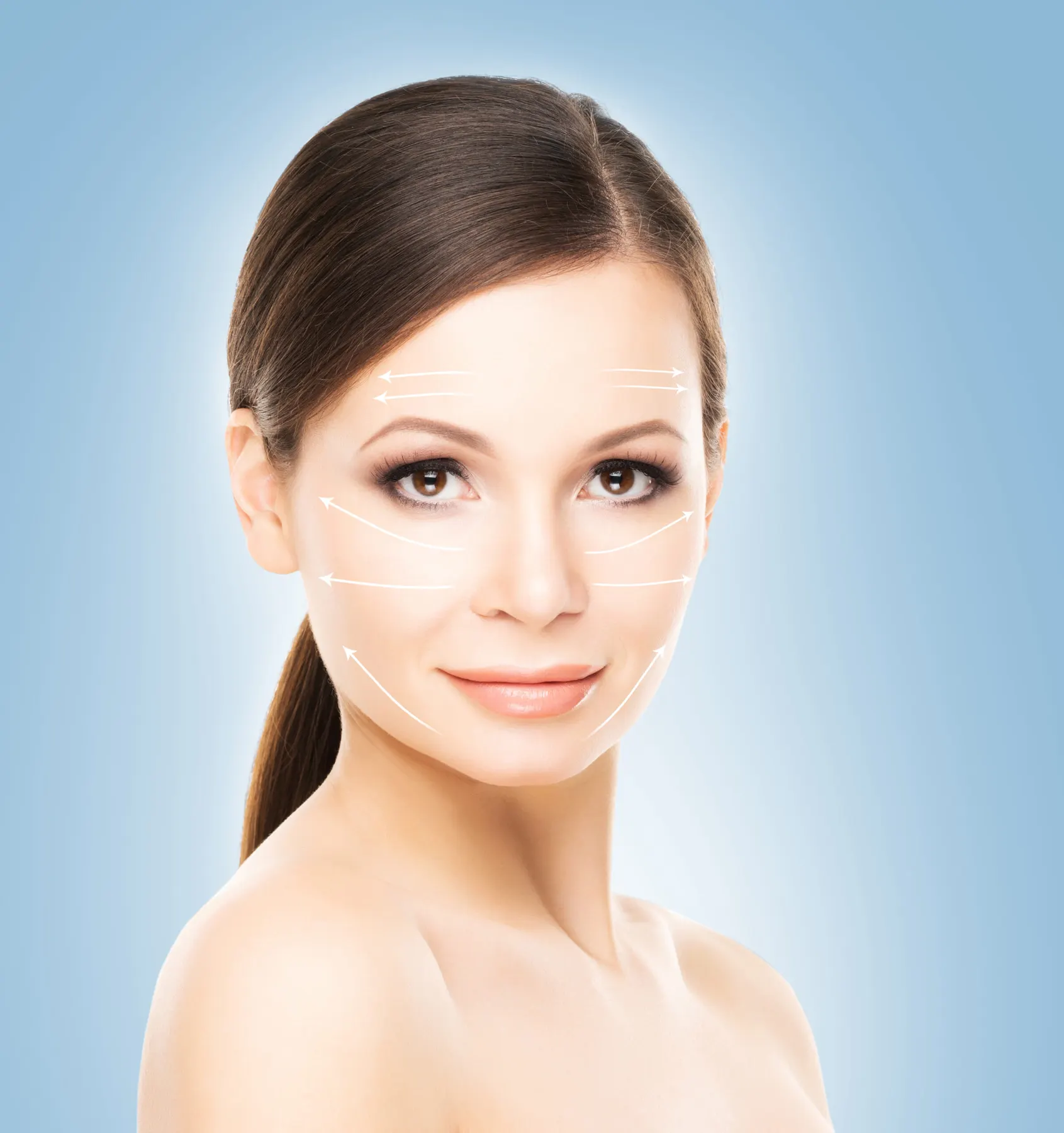
Microneedling passes fine needles into the skin at a set depth, creating thousands of tiny channels that the body responds to by repairing, which stimulates collagen and remodels the tissue over the following weeks. It is used for texture, fine lines, enlarged pores, scarring and general skin quality, it is performed as a series rather than a single session, and it works on all skin tones because it is a mechanical treatment rather than a light-based one. That last point is worth pausing on, because it makes microneedling a useful option for people for whom ablative laser resurfacing carries more pigmentation risk.
PRP adds a concentrate of your own platelets, which carry growth factors
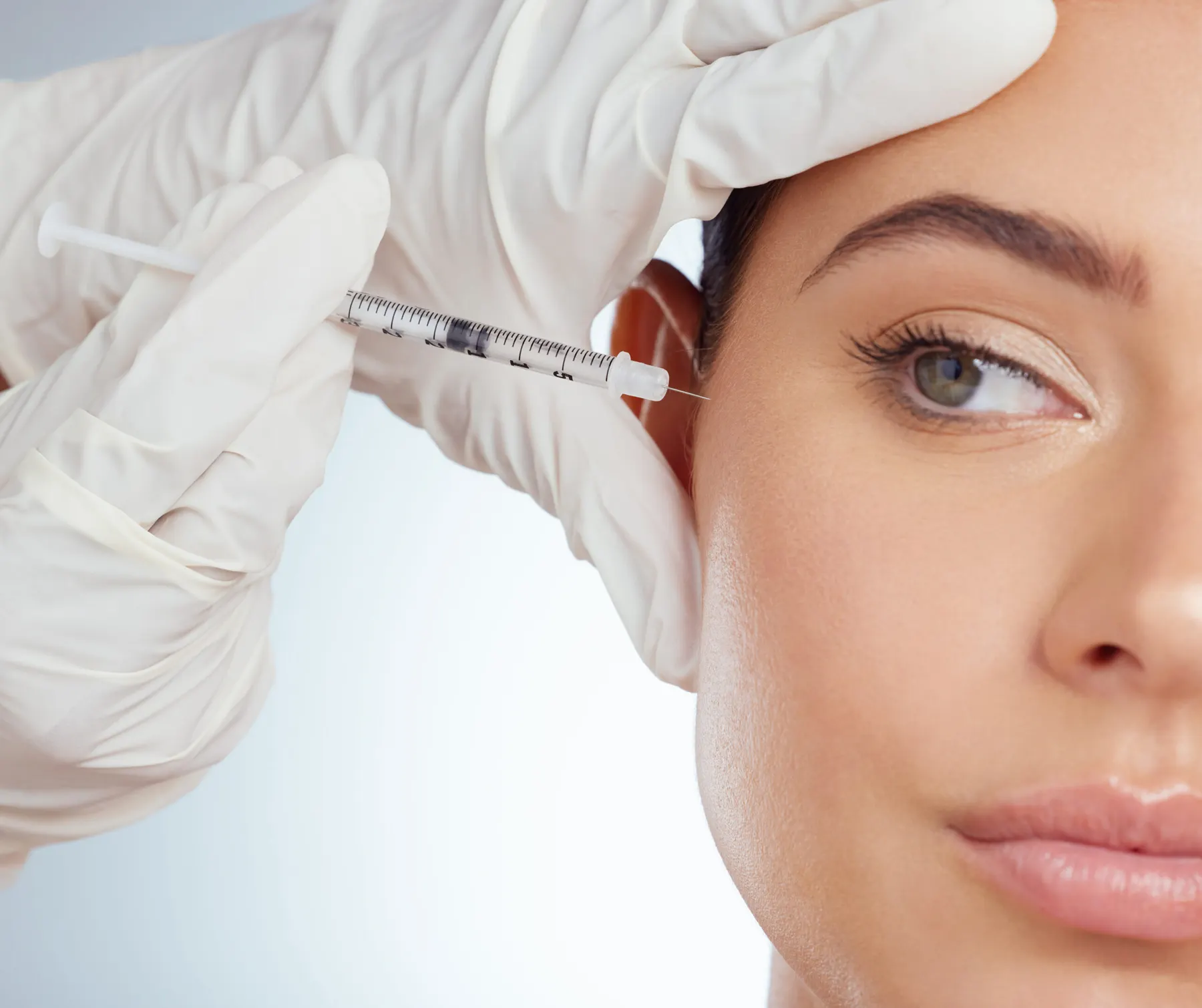
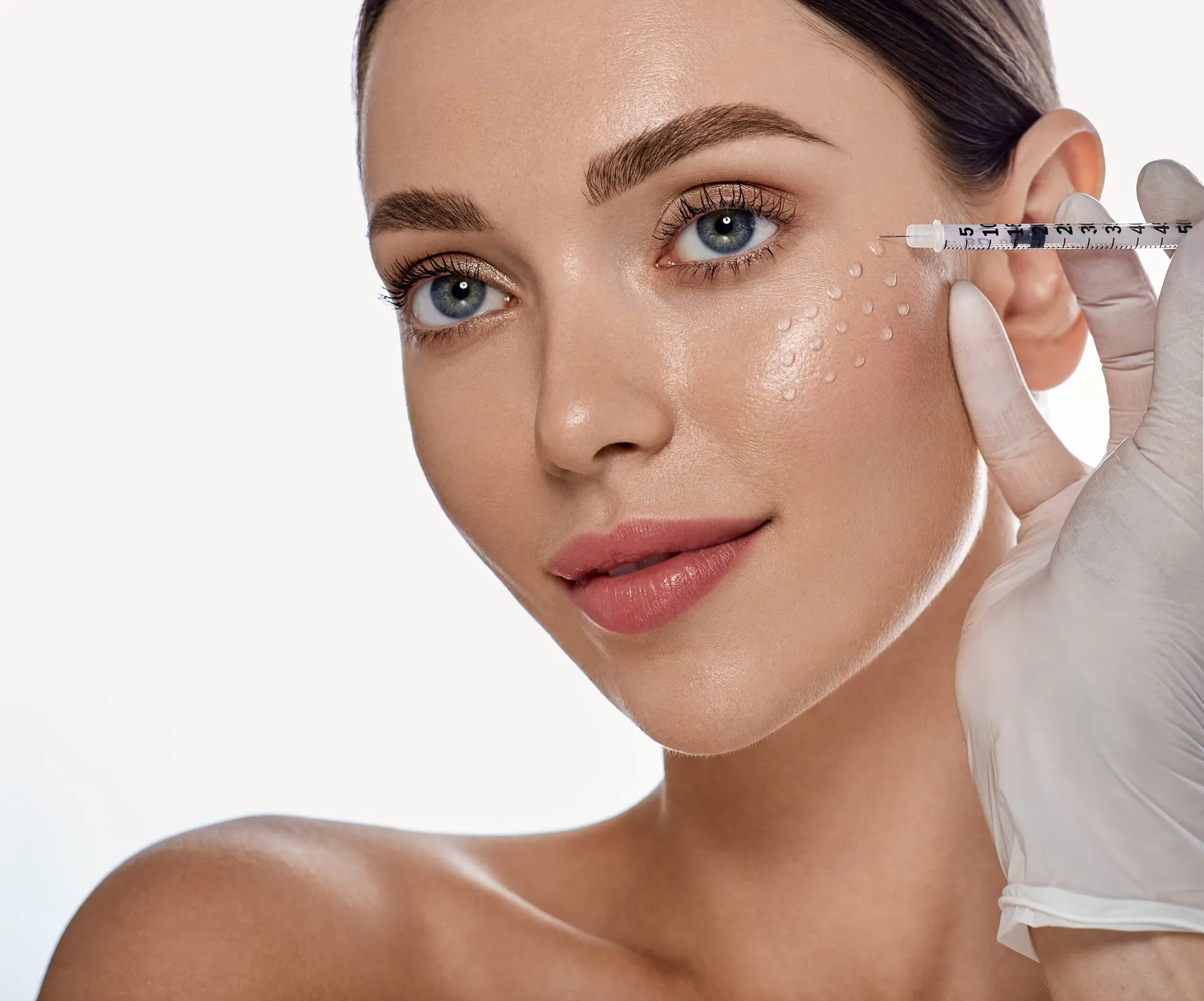
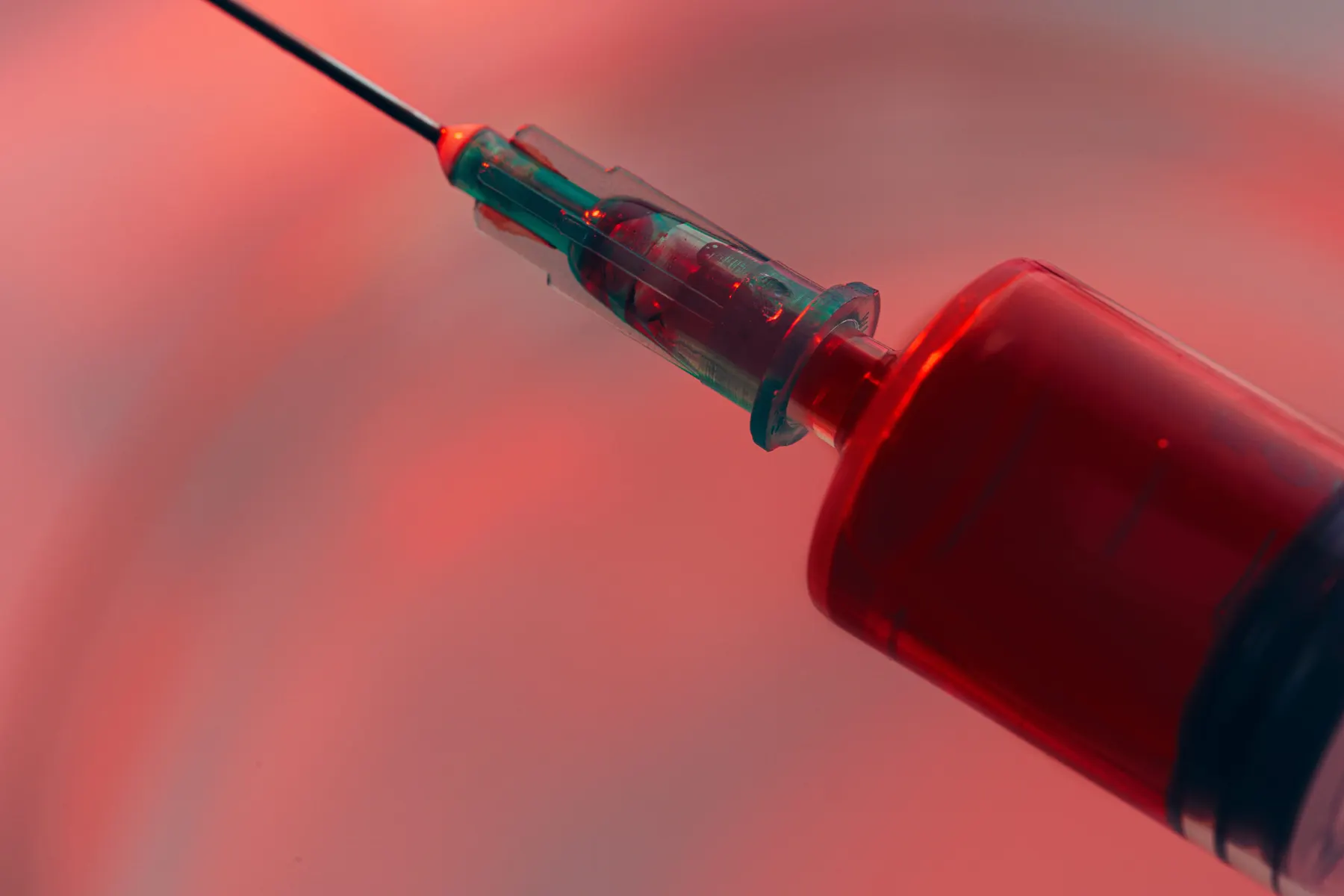
Platelet-rich plasma is prepared by drawing a small volume of your blood and spinning it in a centrifuge so that the platelets, which carry growth factors involved in tissue repair, are concentrated into a smaller volume of plasma. That plasma is then applied to the skin during needling so it enters through the channels, or injected, or both. The rationale is that you are adding your body’s own repair signalling into a wound the treatment has just created. It is a coherent rationale, which is why the treatment has stayed in use, and it is also the reason the addition is autologous and carries no allergy risk to the material.
The evidence is strongest for acne scarring and weaker elsewhere
Adding PRP to microneedling has been studied most in acne scarring, and that is where the supporting evidence is strongest. For general rejuvenation, skin quality and fine lines the case is thinner. There is also an important limitation that clinic pages rarely mention: PRP preparation is not standardised. Spin speed, spin time, the system used and the resulting platelet concentration vary between clinics and between studies, which makes results difficult to compare across the literature and means “PRP” does not describe a single consistent product. Treat any clinic that presents PRP as a settled, uniformly proven addition with some caution.
Choose PRP if you are treating acne scarring, and consider skipping it otherwise
If acne scarring is your main concern, adding PRP to a microneedling series is a defensible use of your money. If your concern is general texture, dullness, pore size or early fine lines, plain microneedling is a reasonable and considerably simpler choice, and the money saved is often better spent on additional sessions or on a proper home routine. If you are already using a prescribed topical retinoid and daily sun protection, that combination does more for most people’s skin quality than adding a blood draw to one treatment.
What the appointment actually involves if you add PRP
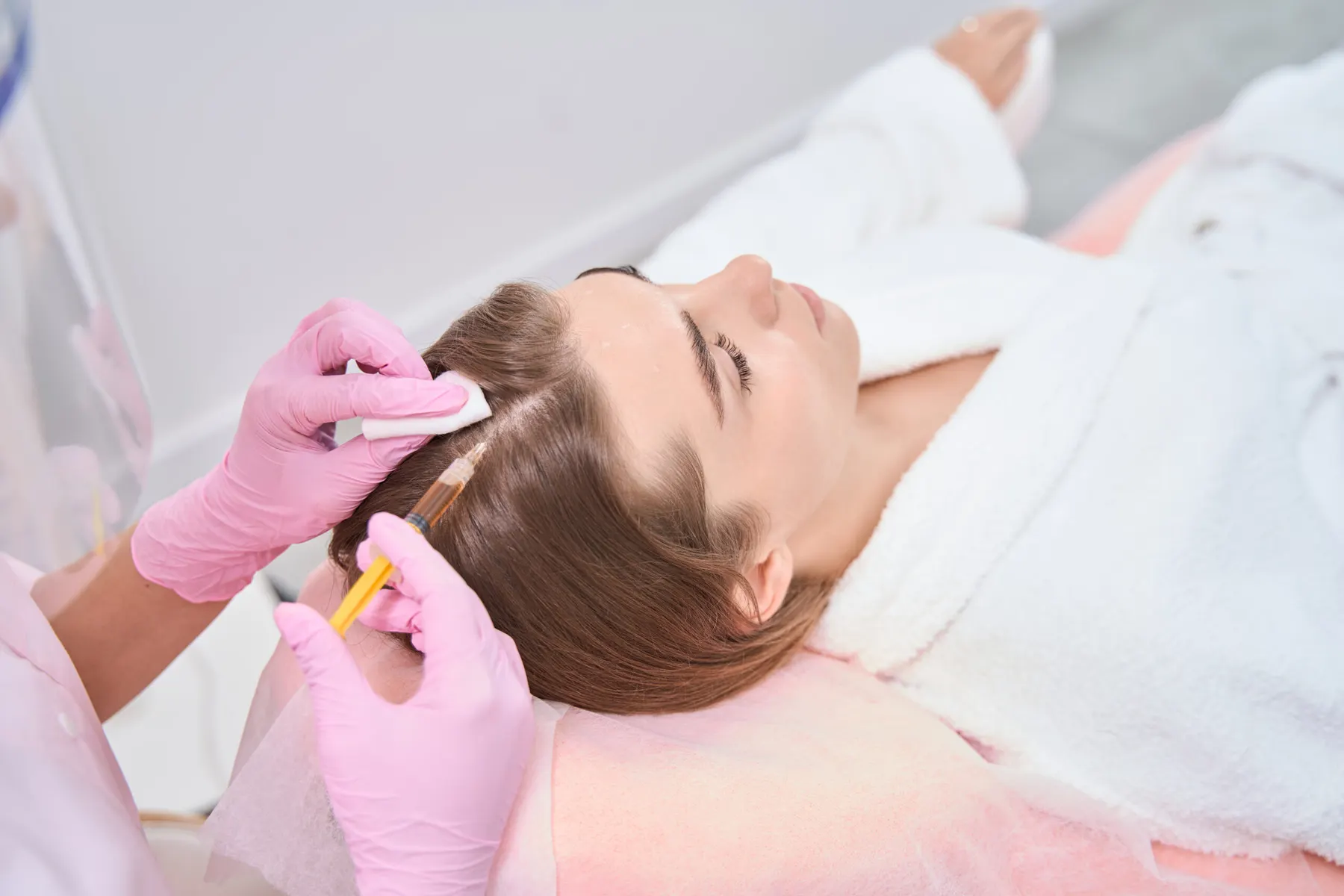
Expect a standard venous blood draw at the start of the appointment, a wait while the sample is centrifuged, then numbing and the microneedling pass with the plasma applied. The whole appointment is longer than plain microneedling for that reason. Afterwards, expect redness resembling sunburn, some tightness, and small pinpoint marks, and expect to leave the plasma on the skin for the period your clinician specifies rather than washing your face on the drive home. Sun protection afterwards is not a suggestion.
Who should not have PRP
PRP is generally avoided in pregnancy and breastfeeding, in people with platelet or clotting disorders, in those on certain anticoagulant regimens, in active infection at the treatment site, and in some blood conditions. Microneedling itself is also avoided over active acne lesions, active cold sores, and areas with a history of keloid scarring without careful discussion. None of this is a formality: it is why the assessment before the treatment matters, and why the person taking your history should be a regulated health professional. In Ontario, estheticians may not inject and may not perform this category of treatment.
What we would recommend
For acne scarring, book a microneedling series with PRP and expect to commit to more than one session. For everything else, start with plain microneedling and a serious conversation about your home routine, and add PRP later if your clinician thinks the response warrants it. Either way, ask for the total plan in writing, including how many sessions and at what interval, before you pay for the first one. We plan both here after an assessment rather than selling a fixed package to skin we have not seen.
Written at Bradford Skin Clinic & Medical Spa, Bradford, Ontario, where microneedling and PRP treatments are performed by regulated nursing staff. Clinically reviewed by Alex Dinovich, FNP-PHC, Nurse Practitioner and Medical Director.
03 · Accountability
Written here.
Checked here.
This guide was written by Bradford Skin Clinic and clinically reviewed by Alex Dinovich, FNP-PHC before it was published.
- Published
- Last updated
- Category
- Comparisons
A guide is general and your face is not. Nothing here replaces an assessment in the room, which is free and happens before anything is booked.
04 · From reading to the treatment room
What this looks
like in practice.
Published prices are starting prices, confirmed at your consultation. Where nothing is published, the dose and the plan decide the price rather than a menu.
- Microneedling from $349
- PRP microneedling from $599
Every injectable here is placed by a licensed nurse, and every plan is signed off by our Medical Director. The consultation is free and comes before anything is booked.

05 · Who performs these treatments
The people behind
the writing.
Nobody here injects without a nursing licence. The guides on this site are written by the same people who carry out the treatments they describe.







06 · Asked and answered
The questions
that follow.
Does PRP make microneedling work better?
The evidence is most supportive for acne scarring, where adding PRP to microneedling has been studied more than in any other indication. For general skin quality and fine lines the case is weaker, and plain microneedling is a reasonable choice.
What is a vampire facial?
A vampire facial is microneedling combined with platelet-rich plasma taken from your own blood. The blood is drawn, spun in a centrifuge to concentrate the platelets, and the plasma is then applied to the skin or injected during the session.
Does the blood draw hurt?
It is a standard venous blood draw of the kind you would have at a lab, so most people find it unremarkable. If you have a history of fainting during blood draws, tell your clinician before the appointment so it can be done lying down.
Can I be allergic to PRP?
No, because PRP is made from your own blood, so there is no allergy risk to the material itself. Risks relate to the needling and the blood draw rather than to a foreign substance.
Who should not have PRP?
PRP is generally avoided in pregnancy and breastfeeding, in people with platelet or clotting disorders, in active skin infection at the treatment site, and in some blood conditions or medication regimens. Your prescriber will review your history before agreeing to the treatment.
How many sessions will I need?
Both microneedling and microneedling with PRP are planned as a series rather than a single session, with the number depending on what you are treating. We set the number after assessing your skin rather than selling a fixed package sight unseen.
Is PRP the same as a skinbooster or PDRN?
No. PRP is concentrated from your own blood. Skinboosters are hyaluronic acid, and PDRN or polynucleotide treatments are a separate category again. They are sometimes discussed together because all three are injected to improve skin quality, but the materials are unrelated.