Comparisons
Morpheus8 vs CO2 laser: tightening or resurfacing?
One tightens from underneath, the other resurfaces the top. They solve different problems, and the honest answer for a lot of people is that they need one of them and not both.
 Alex Dinovich, FNP-PHCClinically reviewed
| Aspect | Morpheus8 | CO2 laser |
|---|---|---|
| What it does | Radiofrequency through insulated needles, heating the deeper layers | Vaporises microscopic columns of surface tissue so the skin resurfaces itself |
| Works on | Laxity and firmness | Surface texture, fine lines and sun damage |
| The surface | Left largely intact | Deliberately injured, then heals |
| Deeper skin tones | Energy is not absorbed by melanin | Higher risk of post-inflammatory pigmentation, so planning changes |
| Downtime | Less. Often the deciding factor | Meaningfully more |
| Using both | Legitimate, and staged as separate sessions rather than stacked | Legitimate, and staged as separate sessions rather than stacked |
| Neither will | Remove excess skin, replace surgery, or erase deep static folds | Remove excess skin, replace surgery, or erase deep static folds |
Morpheus8 and CO2 laser are not competing versions of the same treatment. Morpheus8 is radiofrequency microneedling, which delivers heat below the surface to remodel the deeper layers of the skin. Fractional CO2 laser resurfacing works on the surface itself, removing microscopic columns of tissue so the skin heals with better texture and tone. If your main complaint is that your skin has lost firmness, that points one way. If your main complaint is what your skin looks like in a close-up photograph, that points the other.
We own both devices at our Bradford clinic. Very few clinics in the Simcoe and York corridor do, and that is the only reason we can compare them without an axe to grind.
Morpheus8 heats the deeper layers and leaves the surface largely intact
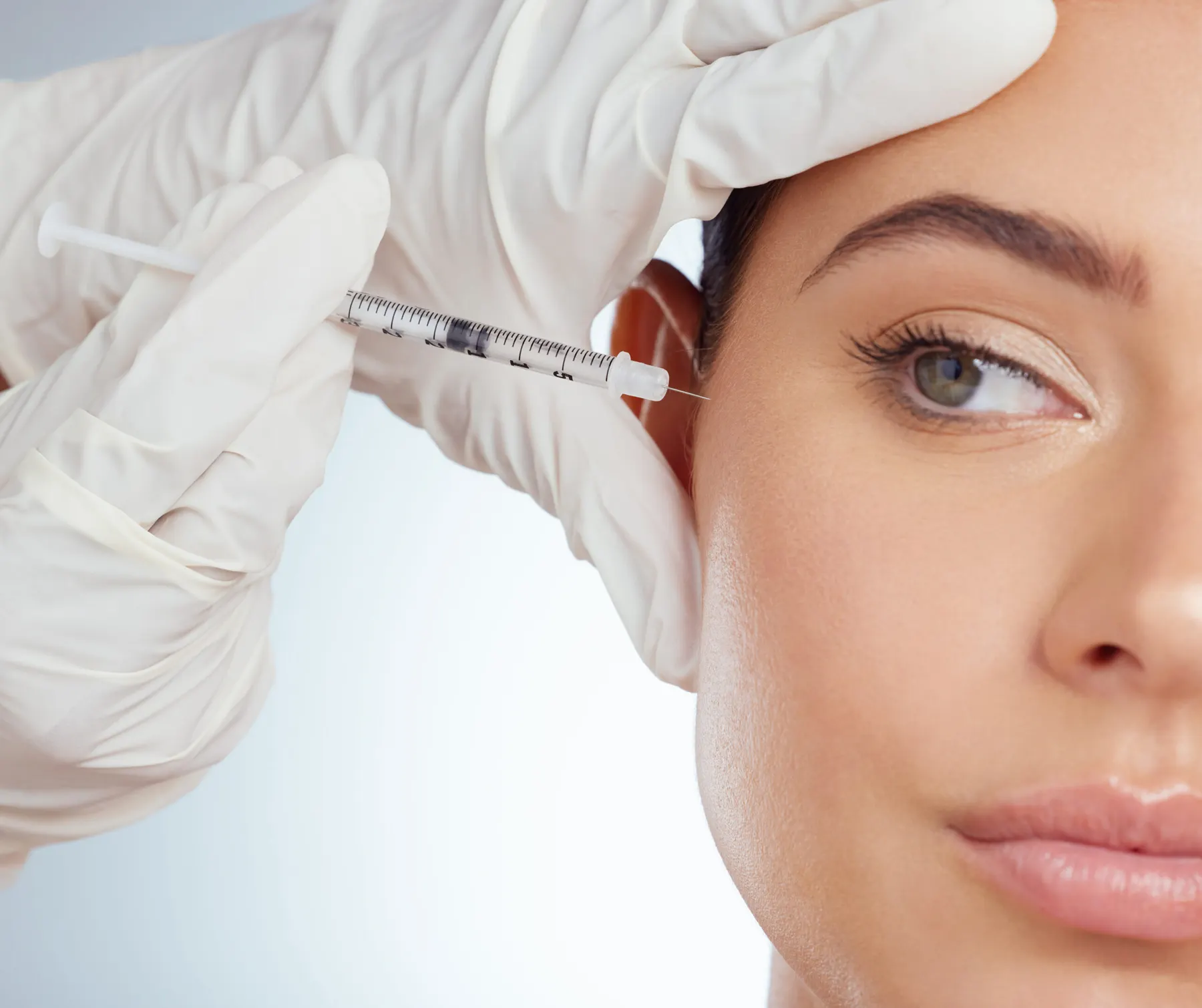
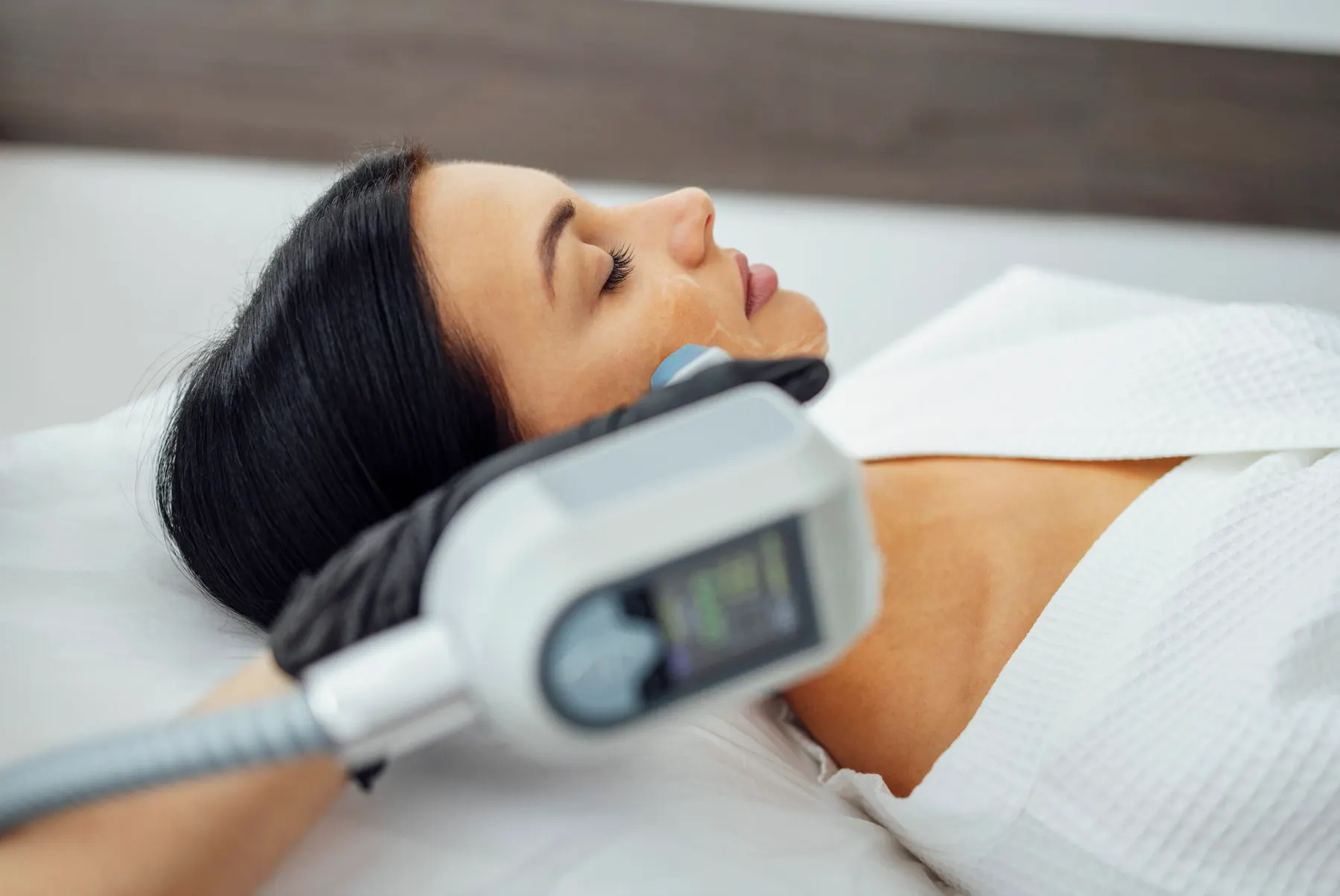
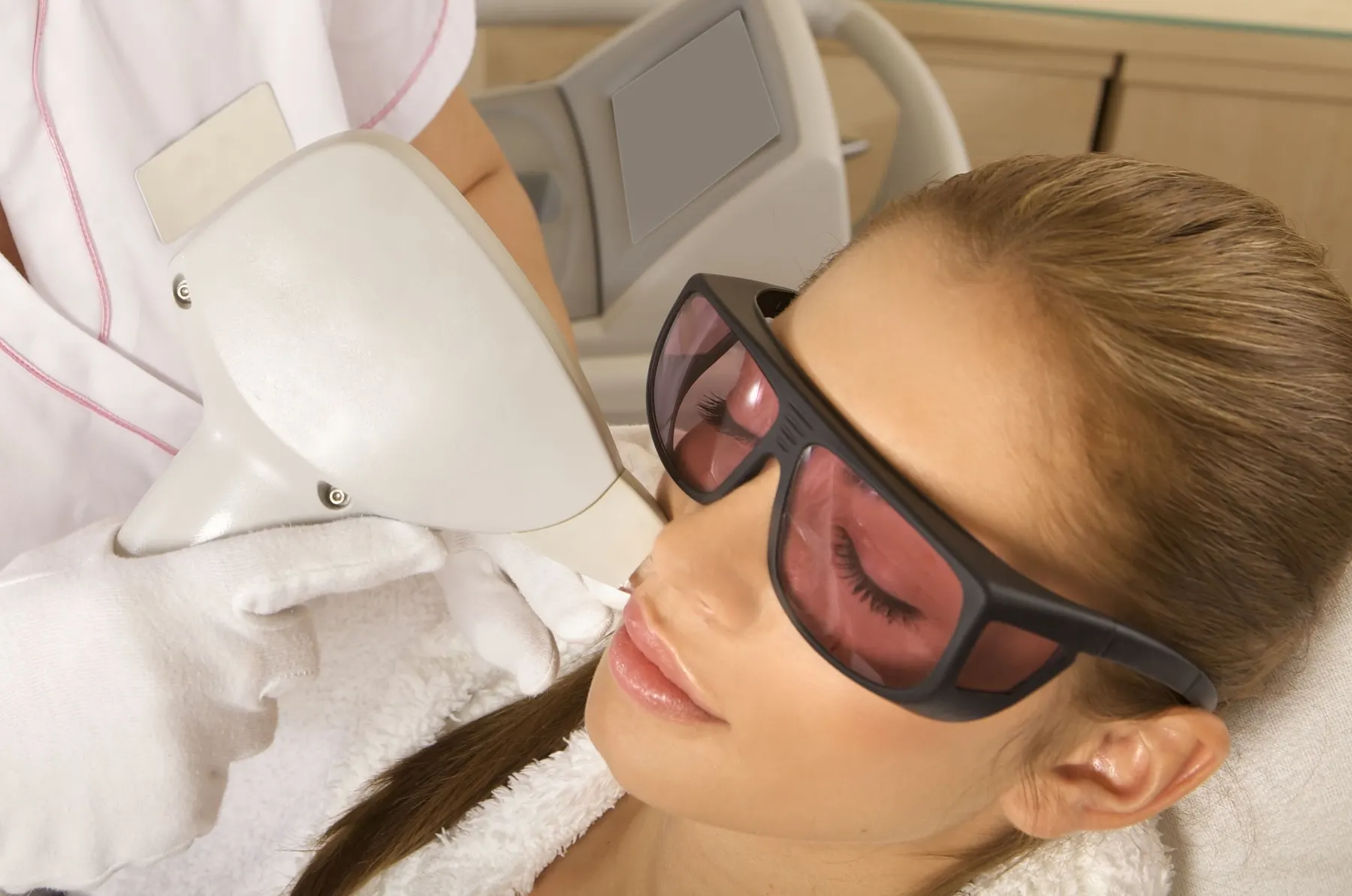
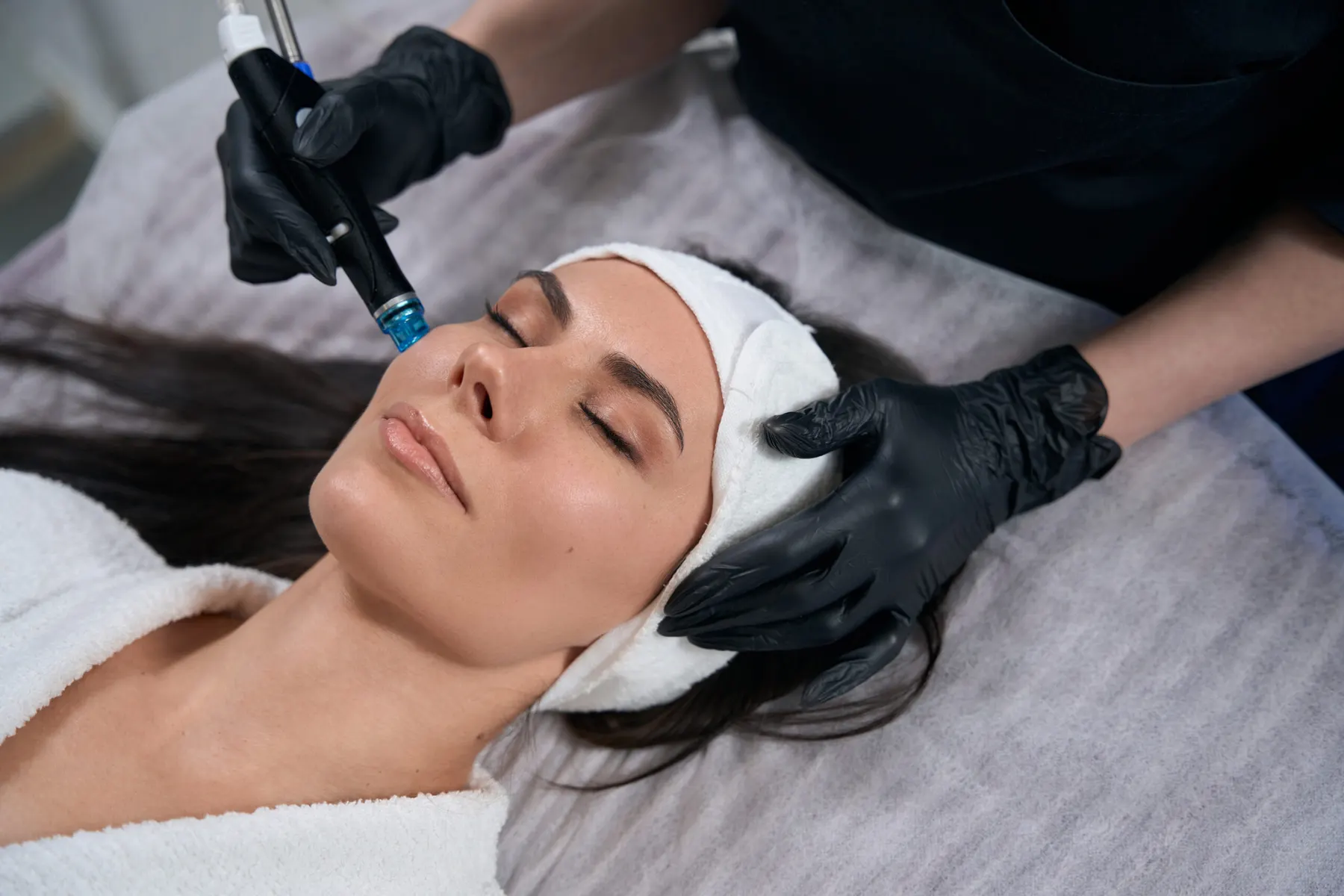
Morpheus8 is a radiofrequency microneedling device: fine insulated needles pass through the surface of the skin and deliver radiofrequency energy at a controlled depth in the dermis and the layer beneath it. Because the needles are insulated along the shaft, the energy is released at the tip rather than along the whole track, which is what keeps the surface of the skin comparatively undisturbed. The controlled heating in the deeper tissue is what drives the remodelling response over the following weeks and months. It can also be used off the face, which matters for the submental area, the abdomen and other body sites.
CO2 laser removes microscopic columns of surface tissue so the skin resurfaces itself
Fractional CO2 laser resurfacing works at a wavelength that is strongly absorbed by water, so it vaporises tiny columns of tissue across a treated area while leaving untreated skin between them to speed healing. That is what makes it an ablative treatment: the top layer is genuinely removed in those columns, and the visible improvement comes from what grows back. This is why CO2 is a strong tool for surface texture, fine lines, sun-damaged tone and certain scars, and why it asks more of you in recovery than a device that leaves the surface alone.
The choice usually comes down to laxity versus texture
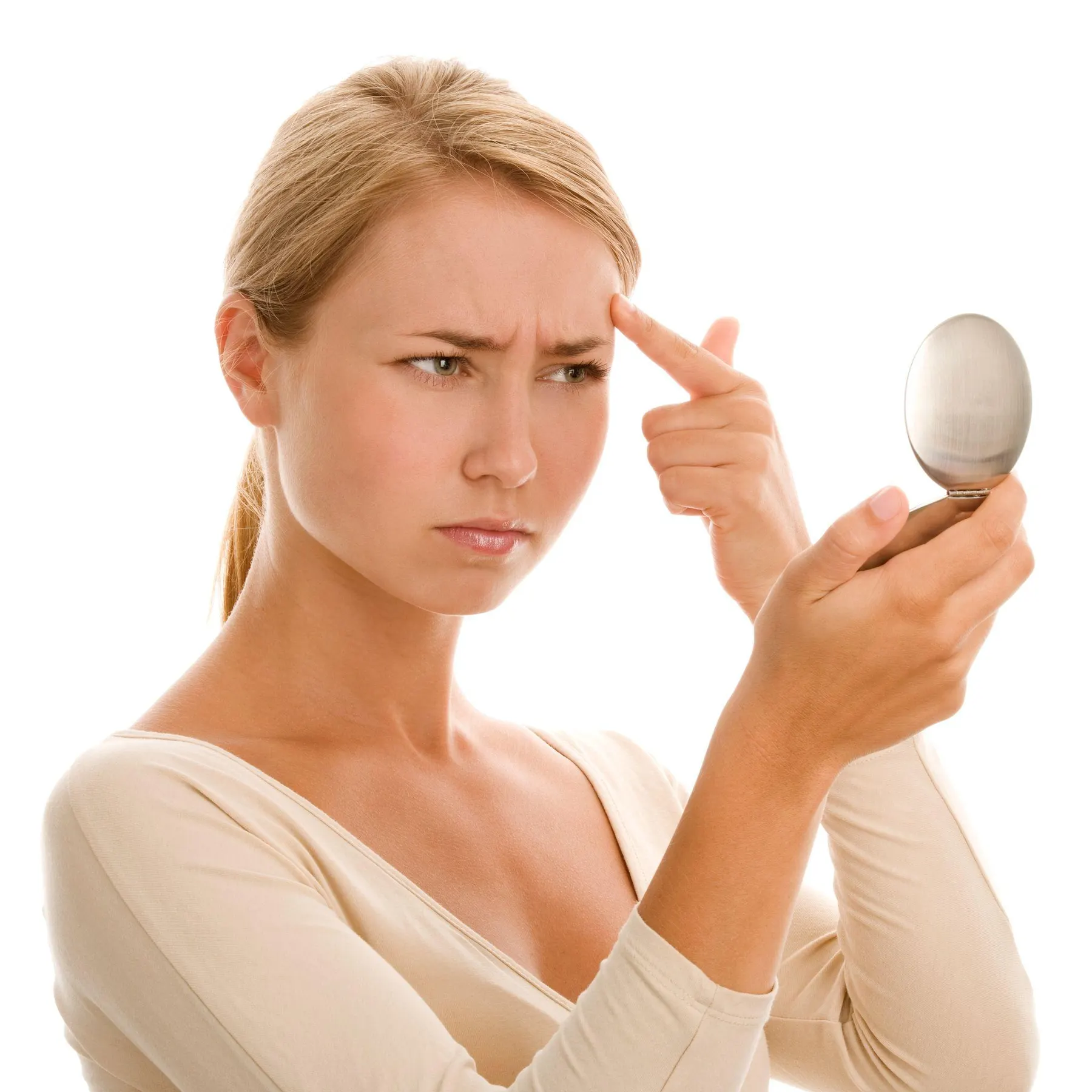
For skin that has lost firmness, Morpheus8 is usually the better first choice; for surface texture, fine lines and sun damage, CO2 usually is. The clean way to work out which you are is to look at yourself in two ways. In a mirror at arm’s length in normal light, are you unhappy because things are sitting lower than they used to? That is a laxity complaint. In a magnifying mirror or a close-up photograph, are you unhappy because the surface looks rough, mottled or uneven? That is a texture complaint. Most people have some of both, and the useful question is which one you would fix first if you could only fix one.
Skin tone changes the risk calculation, and this is the part most pages leave out
Radiofrequency energy is not absorbed by melanin, whereas ablative laser energy interacts with the skin surface in a way that carries a higher risk of post-inflammatory hyperpigmentation in deeper skin tones. That is a real and clinically meaningful difference, and it is the main reason radiofrequency microneedling is often preferred for Fitzpatrick types IV to VI. It does not mean CO2 can never be used on deeper skin tones, and it does not mean Morpheus8 is risk-free on any skin. It means the conversation about settings, pre-treatment and post-treatment care needs to be more careful, and you should expect your clinician to raise it before you do.
Downtime is the practical difference most people actually decide on
CO2 laser resurfacing requires meaningfully more recovery time than Morpheus8, and for many people that is the deciding factor rather than any clinical argument. Ablative resurfacing involves a visible healing phase with peeling and redness that continues to settle afterwards. Radiofrequency microneedling typically involves redness and swelling with small marks where the needles entered, and most people are presentable considerably sooner. We will not publish a number of days here, because the honest answer depends on the settings your skin needs, and a number written by a marketer is worth nothing to you when you are deciding whether to book a wedding two weeks out. Ask for your specific window at consultation and plan around that.
Combining them is common, staged rather than stacked
Because one works on the deeper layers and the other on the surface, using both is a legitimate plan rather than an upsell. In practice they are staged as separate sessions with healing time in between, not performed on the same day. If a clinic offers to do both to your whole face in one visit, ask them to justify it.
What neither device will do
Neither Morpheus8 nor CO2 laser removes excess skin, and neither is a substitute for surgery when laxity is significant. Neither will make deep static folds disappear. Neither is a treatment for melasma, and heat-based and light-based devices can make melasma worse rather than better, which is a conversation to have before you book anything. If you are being told a device will do something that only a scalpel can do, that is a reason to get a second opinion, including from us.
Pricing at our clinic, plainly
Both are published in full, so you can compare them properly rather than on a starting price.
| Single | Package | |
|---|---|---|
| CO2, face | $1,199 | $2,699 for three, saving 25% |
| CO2, face and neck | $1,499 | $3,375 for three |
| Morpheus8, eyes, upper lip or nose | $499 | $1,599 for four |
| Morpheus8, forehead | $599 | $1,919 for four |
| Morpheus8, neck | $799 | $2,559 for four |
| Morpheus8, face and neck | $1,099 | $3,519 for four |
A Morpheus8 test patch is $140, which is worth taking if you are at all unsure. Note that Morpheus8 is sold in packs of four rather than three, because that is the course length it is normally used at.
One correction worth making, because the old version of this page had it wrong: treating smoker’s lines around the mouth is a Plexr treatment at $499, not a CO2 one. Ask us for a written plan with the total before you commit, rather than a per-session figure with the session count left vague.
Assessed at Bradford Skin Clinic & Medical Spa in Bradford, Ontario, where both Morpheus8 and fractional CO2 laser are performed in-house. Clinically reviewed by Alex Dinovich, FNP-PHC, Nurse Practitioner and Medical Director.
03 · Accountability
Written here.
Checked here.
This guide was written by Bradford Skin Clinic and clinically reviewed by Alex Dinovich, FNP-PHC before it was published.
- Published
- Last updated
- Category
- Comparisons
A guide is general and your face is not. Nothing here replaces an assessment in the room, which is free and happens before anything is booked.
04 · From reading to the treatment room
What this looks
like in practice.
Published prices are starting prices, confirmed at your consultation. Where nothing is published, the dose and the plan decide the price rather than a menu.
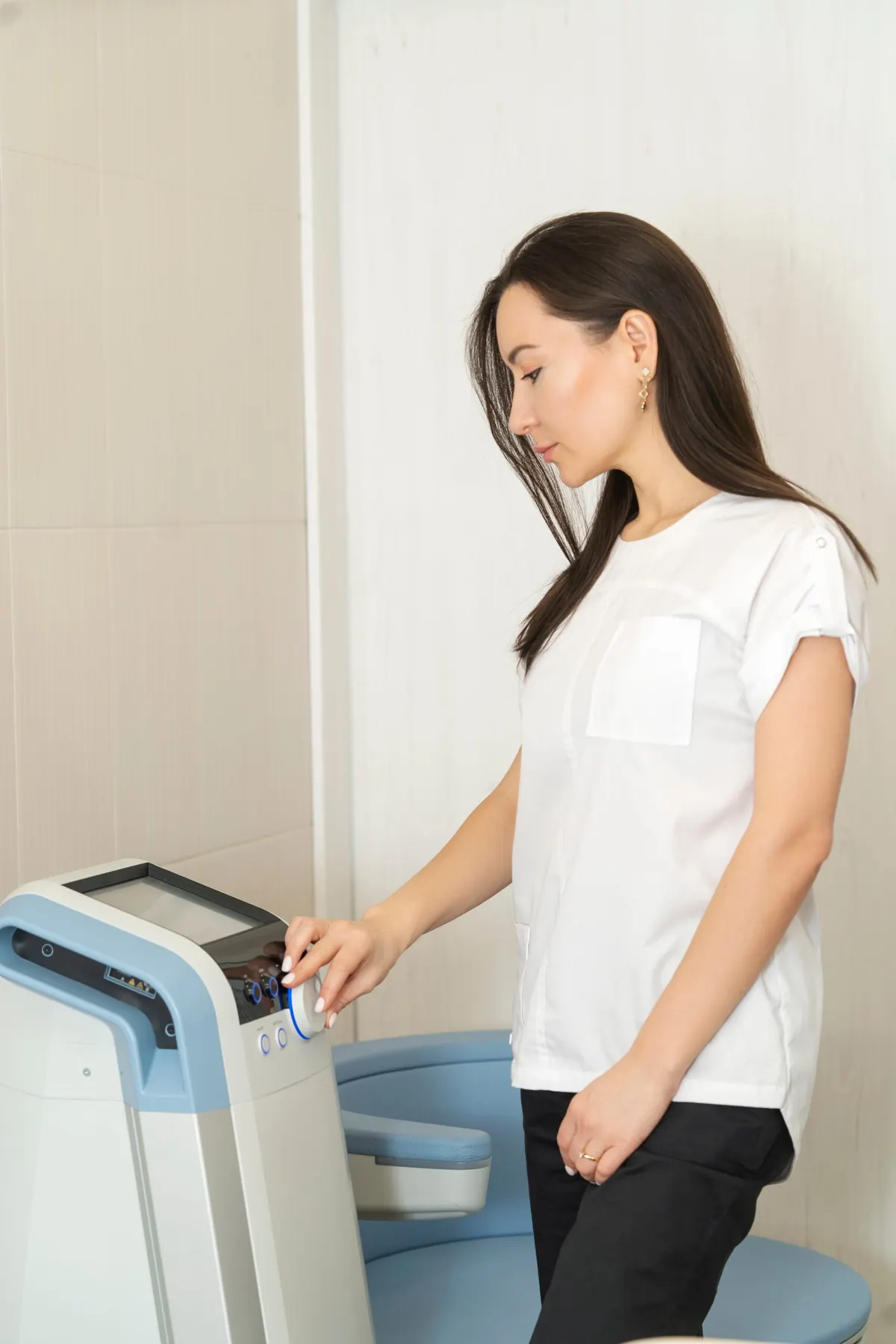
- Morpheus8 from $499
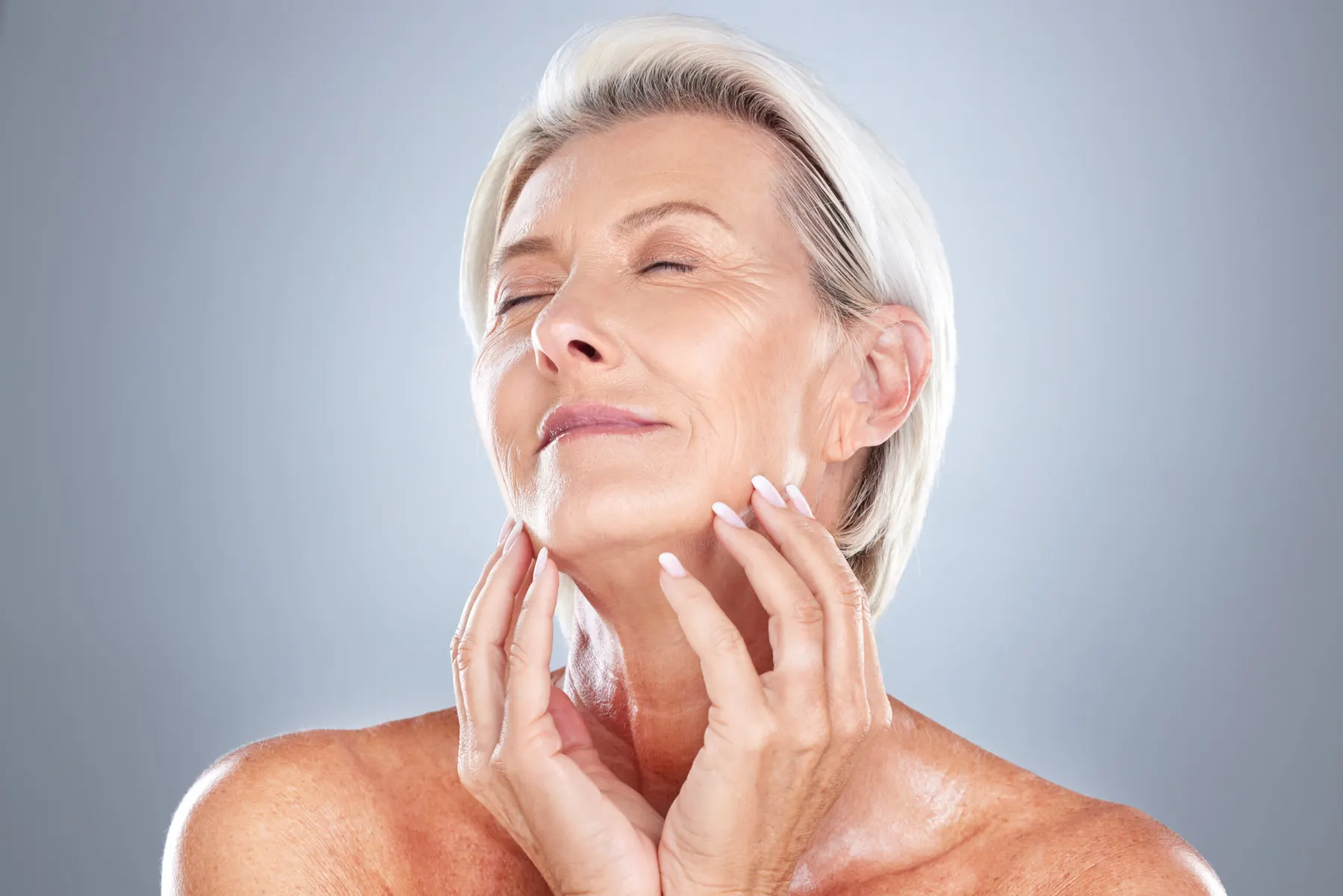
- CO2 resurfacing from $1,199
Every injectable here is placed by a licensed nurse, and every plan is signed off by our Medical Director. The consultation is free and comes before anything is booked.
05 · Who performs these treatments
The people behind
the writing.
Nobody here injects without a nursing licence. The guides on this site are written by the same people who carry out the treatments they describe.





06 · Asked and answered
The questions
that follow.
Which one is better for acne scarring?
Both treat acne scarring and they work on different parts of the problem, so the answer depends on your scar type. Broadly, boxcar and rolling scars with surface irregularity respond well to fractional CO2, while deeper tethered scarring and skin that has lost firmness often does better with radiofrequency microneedling.
Which has more downtime?
CO2 laser resurfacing has substantially more downtime than Morpheus8, because it removes the surface of the skin and Morpheus8 largely does not. Your exact recovery depends on the settings used, and your clinician should give you a specific window before you book time off.
Is Morpheus8 safe for darker skin tones?
Radiofrequency energy does not target melanin, which is why radiofrequency microneedling is generally considered a lower-risk option for deeper skin tones than ablative laser resurfacing. Risk is lower, not zero, and treatment settings still need to be adjusted for your skin.
Can I have both?
Yes, and combining them is common because they address different layers. They are normally staged as separate sessions with healing time in between rather than performed on the same day.
How much is CO2 laser at your clinic?
CO2 resurfacing is $1,199 for the face and $1,499 with the neck, and a three session package saves 25%. Morpheus8 is priced by area: $499 for eyes, upper lip or nose, $599 forehead, $799 neck, $899 neck and decolletage, $999 face with abs, arms or bra line, and $1,099 face and neck. A test patch is $140.
How many sessions will I need?
Session counts differ by device and by goal, and we will not guess yours before assessing your skin. As a general pattern, radiofrequency microneedling is planned as a short series and ablative CO2 resurfacing is often planned as a single treatment with a longer recovery.
Will either one replace a facelift?
No. Neither device removes excess skin, and neither is a substitute for surgery when there is significant laxity. If that is what your skin needs, an honest clinic will tell you so rather than sell you a series.