Skin guides
What actually causes adult acne
Adult acne is not teenage acne that overstayed. Here is the actual mechanism, the triggers that matter, the ones that do not, and when to stop treating it yourself.
 Alex Dinovich, FNP-PHCClinically reviewed
Adult acne is caused by the same four-part process as teenage acne: excess oil production, cells lining the pore failing to shed properly and blocking it, proliferation of the bacteria that live in that environment, and the inflammation that follows. What makes adult acne different is what is driving that process, which in adults is far more often hormonal fluctuation than anything you are doing to your face.
The practical consequence is that adult acne rarely responds to the advice that worked on teenagers, and that scrubbing harder makes it worse.
The mechanism has four parts and they happen in sequence
A spot begins when the sebaceous gland produces more oil than usual and the cells lining the follicle fail to shed normally, so the follicle blocks. Cutibacterium acnes, a bacterium that lives on everyone’s skin, thrives in that blocked, oil-rich environment and multiplies. The immune system responds, and the result is the redness, swelling and pain you recognise as an inflammatory lesion. Every effective acne treatment works by interrupting one or more of those four steps, which is why treatments are often combined: one to reduce oil, one to normalise shedding, one to reduce bacteria, one to reduce inflammation.
In adults, hormones are the usual driver
Androgens increase sebaceous gland activity, so anything that changes your hormonal balance can change your skin. The common adult triggers are starting or stopping hormonal contraception, the years around perimenopause, polycystic ovary syndrome, pregnancy and the period after it, and the fluctuation across a normal menstrual cycle, which is why many women can predict their breakouts to within a few days. This is also why adult female acne often appears along the jawline, chin and neck rather than across the forehead and nose, and why it tends to be deeper and more inflammatory than the surface congestion of adolescence.
Stress is a real aggravator, not a myth and not a root cause
Sustained stress raises cortisol and androgen activity, which increases oil production and dials up the inflammatory response, so skin that was already predisposed breaks out more. It does not create acne in someone who has no tendency to it. Treating stress as a serious contributor is reasonable; treating it as the whole explanation usually means the actual driver goes unaddressed.
The strongest dietary evidence is for high-glycaemic-load foods
Of all the dietary factors studied in acne, high-glycaemic-load diets have the most consistent supporting evidence, meaning diets heavy in foods that raise blood sugar rapidly. The evidence for dairy, and skim milk in particular, is weaker and largely associational. The evidence that chocolate specifically causes acne is poor. We mention this not to prescribe a diet but because people spend a lot of energy on elimination diets that were never well supported, energy that would do more good spent on a consistent topical routine.
Your skincare can be the cause, and over-treatment is the commonest version
Acne is not caused by poor hygiene, and washing more aggressively makes it worse by damaging the skin barrier and provoking further inflammation. The pattern we see most often in adults is not neglect but over-treatment: multiple active ingredients layered daily, a stripping cleanser, an exfoliating toner, a retinoid, a spot treatment, and no moisturiser, on skin that is now red, tight and worse than it started. Comedogenic products, heavy occlusive makeup, and friction or occlusion from helmets, masks, phones and sports equipment are also genuine contributors. Simplify first, then add one thing at a time.
Some medications cause acne, and it is worth checking yours
Corticosteroids, lithium, some progestin-containing contraceptives, anabolic steroids and certain other drugs can cause or worsen acne, sometimes producing an eruption that looks like acne but behaves differently. This is one of the reasons a full medication and supplement list matters at a consultation, including anything you bought without a prescription. Never stop a prescribed medication because of your skin without discussing it with the prescriber who started it.
When to stop self-treating and see a prescriber
See a prescriber if you have deep painful lesions, if you are already developing scarring or lasting marks, if three months of consistent over-the-counter treatment has not improved things, or if your skin is affecting how you live your life. Scarring is the reason not to wait: post-inflammatory marks fade with time and treatment, but true textural scarring is permanent and considerably more expensive to improve than the acne would have been to control. Sudden severe acne alongside irregular periods, unusual hair growth or rapid weight change should be assessed for an underlying hormonal cause.
What a nurse-practitioner-led clinic can do that a facial cannot
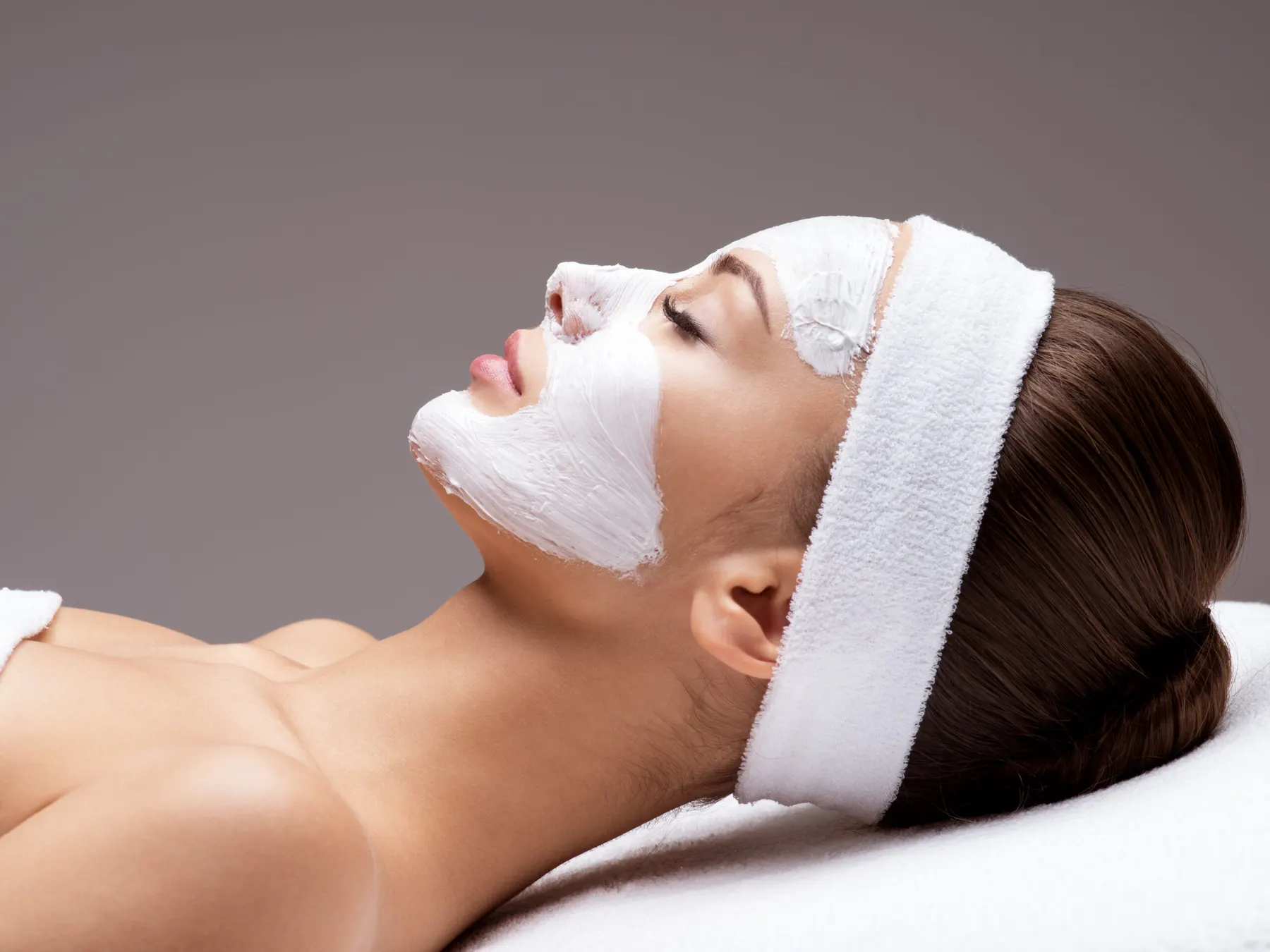
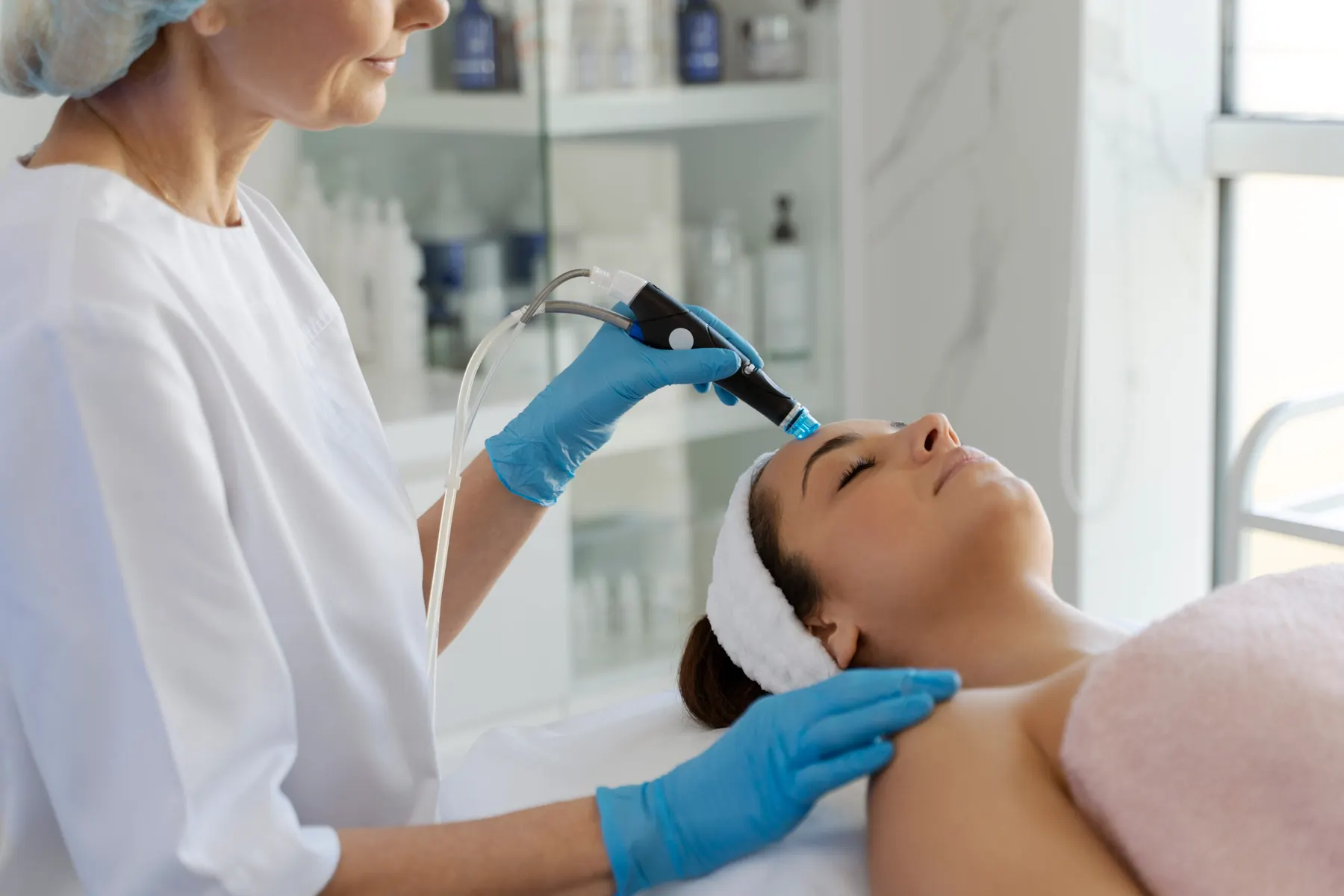
A nurse practitioner is an authorised prescriber in Ontario, which means an acne plan here can include prescription treatment alongside in-clinic work rather than only recommending products you then have to source elsewhere. In-clinic, adult acne is typically addressed with medical-grade peels, HydraFacial for congestion, and BBL for the associated redness, with microneedling reserved for scarring once the acne itself is controlled. Acne is treated here as a staged program rather than a single treatment, and all three stages are published:
| Stage | Program | Over three months |
|---|---|---|
| Mild, congestion and blackheads | Clear Skin Start | $416 a month, $1,249 total |
| Moderate, with early scarring | Clear and Control | $1,233 a month, $3,699 total |
| Severe cystic, with scarring | Clear and Rebuild | $2,066 a month, $6,199 total |
Scarring left behind once the acne itself has settled is a separate program, Scar Revive, at $1,966 a month over three months. Payment plans are interest-free. Where a hormonal or metabolic contributor is suspected, our naturopathic doctor offers an initial consultation at $220, with a complimentary ten minute meet and greet first, which some people use alongside medical treatment rather than instead of it.
Treat the acne first, then the scarring
Resurfacing, laser and needling treatments for acne scarring are planned after the active acne is under control, not during. Treating skin that is still actively inflamed produces disappointing results and can worsen pigmentation. If a clinic offers you a scarring package while your acne is still active, ask them to explain the sequencing, and be prepared not to like the answer.
Written at Bradford Skin Clinic & Medical Spa, Bradford, Ontario. This article is general information and is not a diagnosis. Clinically reviewed by Alex Dinovich, FNP-PHC, Nurse Practitioner and Medical Director.
03 · Accountability
Written here.
Checked here.
This guide was written by Bradford Skin Clinic and clinically reviewed by Alex Dinovich, FNP-PHC before it was published.
- Published
- Last updated
- Category
- Skin guides
A guide is general and your face is not. Nothing here replaces an assessment in the room, which is free and happens before anything is booked.
04 · From reading to the treatment room
What this looks
like in practice.
Published prices are starting prices, confirmed at your consultation. Where nothing is published, the dose and the plan decide the price rather than a menu.
- Medical-grade peels from $99
- HydraFacial from $225
- Microneedling from $349
Every injectable here is placed by a licensed nurse, and every plan is signed off by our Medical Director. The consultation is free and comes before anything is booked.

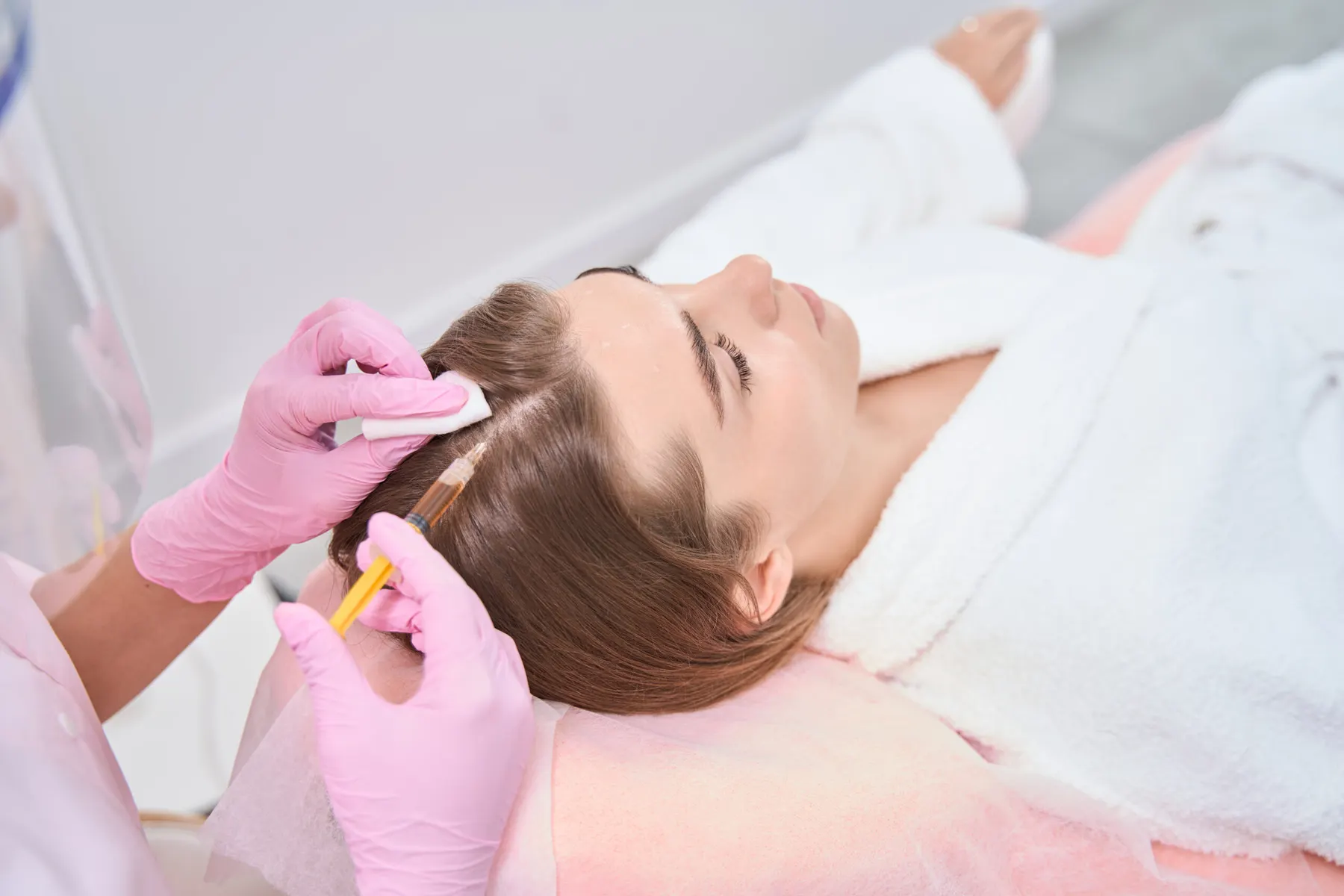
 Medical-grade peelsTreatment
  HydraFacialTreatment
  MicroneedlingTreatment
  AcneConcern
  Acne ScarringConcern
  Clogged PoresConcern
 05 · Who performs these treatments
The people behind
the writing.
Nobody here injects without a nursing licence. The guides on this site are written by the same people who carry out the treatments they describe.






06 · Asked and answered
The questions
that follow.
Why am I getting acne in my thirties when I never had it as a teenager?
Adult-onset acne is common and is usually driven by hormonal fluctuation acting on skin that is otherwise unchanged. Common triggers include starting or stopping hormonal contraception, the perimenopausal transition, polycystic ovary syndrome, and significant sustained stress.
Does diet cause acne?
The strongest dietary signal in the research is for high-glycaemic-load diets, meaning foods that raise blood sugar quickly. The evidence linking dairy, particularly skim milk, is weaker and associational, and the evidence for chocolate specifically is poor.
Is my acne caused by not washing my face enough?
No. Acne is not caused by poor hygiene, and over-washing makes it worse by damaging the skin barrier and provoking more inflammation. Twice daily with a gentle cleanser is enough for almost everyone.
Why is my acne on my jaw and chin?
Lower-face distribution along the jaw, chin and neck is the pattern most often associated with hormonal drivers in adult women. It does not confirm a hormonal cause on its own, but it is a reason to consider one.
Can stress cause acne?
Stress does not create acne out of nothing, but sustained stress raises cortisol and androgen activity, which increases oil production and inflammation in skin that is already predisposed. It is a genuine aggravator rather than a root cause.
When should I see a prescriber rather than treat it myself?
See a prescriber if you have painful deep lesions, if you are already scarring, if it has not improved after about three months of consistent over-the-counter treatment, or if it is affecting how you live. Scarring is the reason not to wait it out.
Could my acne be a sign of something else?
Sudden severe acne alongside irregular periods, unusual hair growth or rapid weight change warrants medical assessment for an underlying hormonal cause such as polycystic ovary syndrome. Some medications also cause acneiform eruptions, so bring your full medication and supplement list.
Do I have to fix the acne before treating the scarring?
Yes, in almost every case. Resurfacing and needling treatments are planned once the active acne is controlled, because treating skin that is still actively breaking out produces poor results and can make things worse.