HydraFacial
Skin & laser
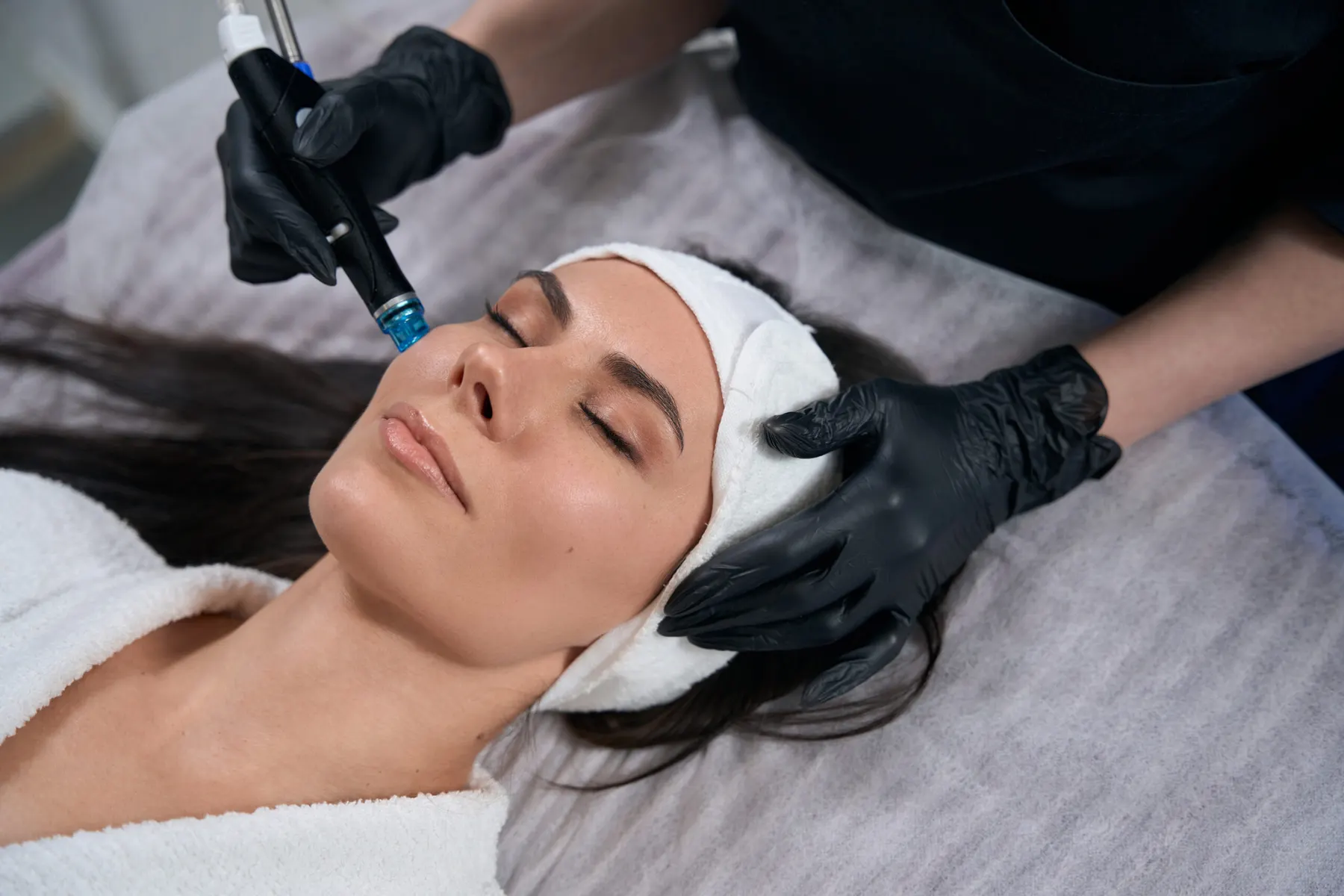
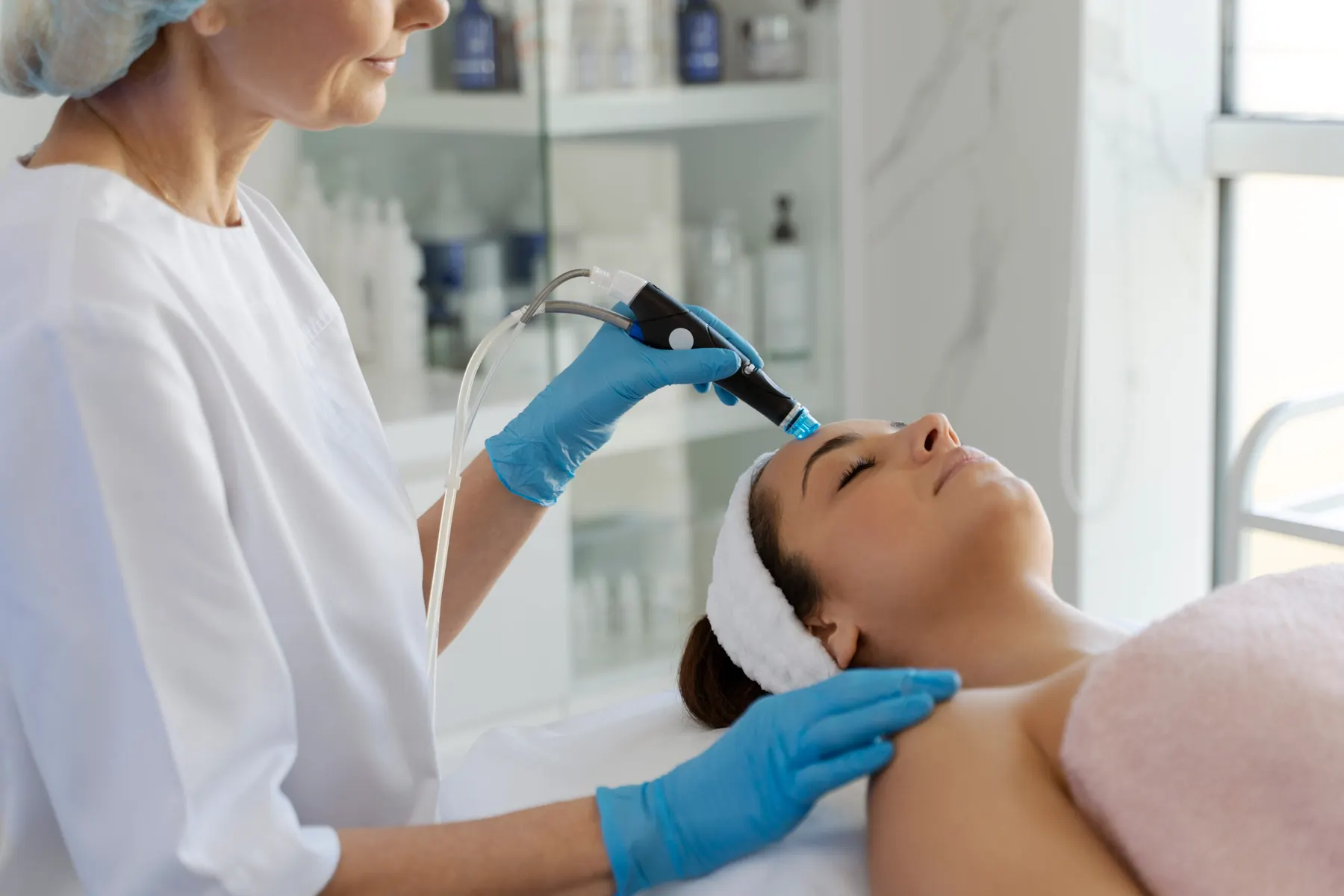
A device-led facial that cleanses, exfoliates, extracts with suction and infuses serums in one pass, with no recovery period afterwards.
from $225 About HydraFacial →

Dry skin is a skin type that produces insufficient oil, while dehydrated skin is a temporary condition in which the skin lacks water, and either can occur in any person at any age; both present as tightness, dullness and roughness, and both are improved by repairing the skin barrier rather than by simply applying more moisturiser.

02 · The honest version
Tight, flaky, dull or uncomfortable skin, the important difference between dry and dehydrated, and the treatments that restore each.
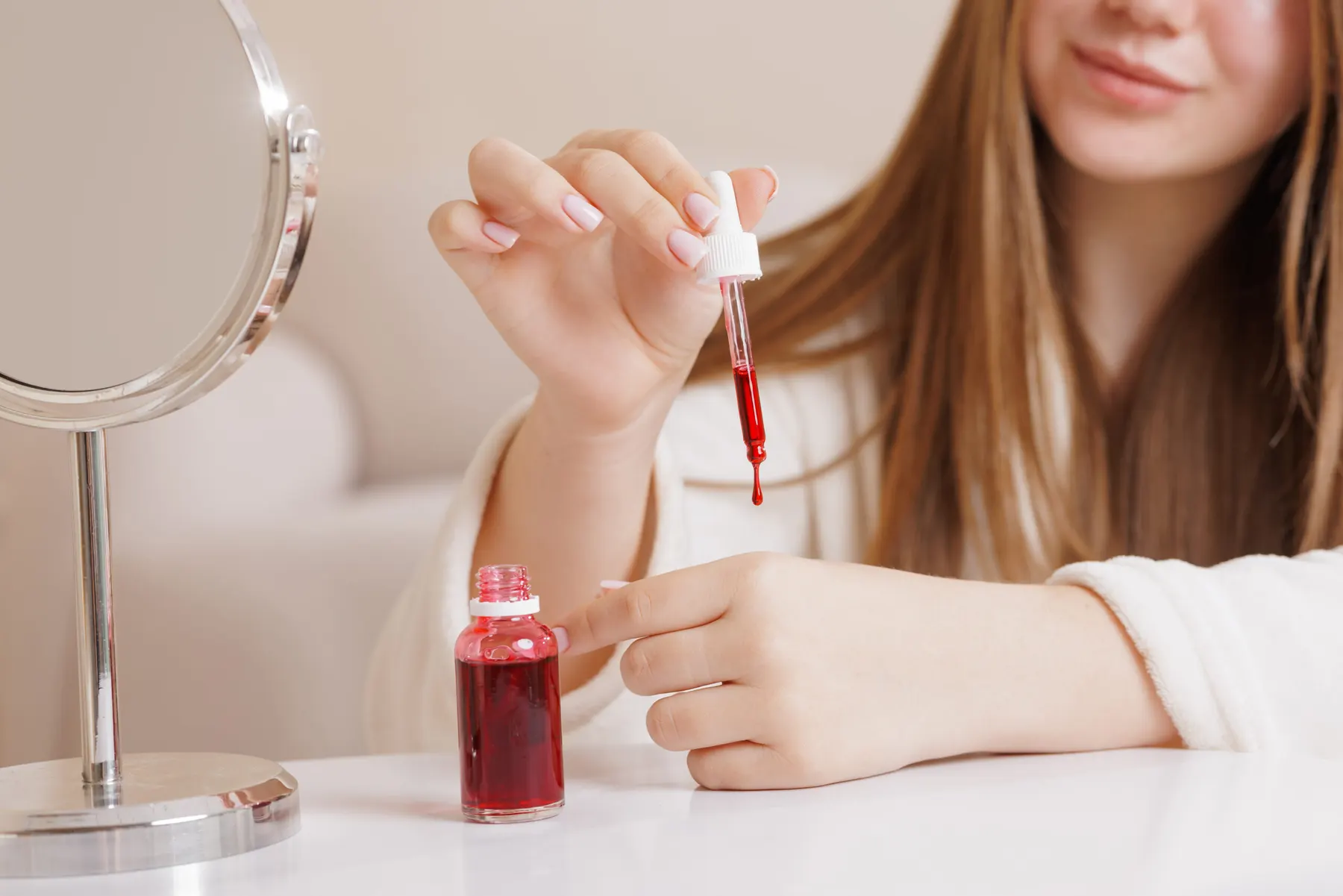
Every face is different. This page is the general picture. What is actually happening on your skin is something a nurse should look at up close, in clinic light, before anyone recommends a treatment.
Does it get worse? That depends on the concern and on you. It is a reason to start early, not a reason to panic - and we will tell you plainly where you are rather than where a treatment plan would be easiest to sell.
Almost everything confusing about dry skin comes from the fact that two separate issues produce nearly identical complaints.
Dry skin is a skin type. The sebaceous glands produce less sebum than average, so the skin has an insufficient oily component in its protective layer. It tends to be lifelong, it is often genetic, it typically affects the whole face and frequently the body too, and it becomes more pronounced with age as sebum production naturally declines.
Dehydrated skin is a condition, not a type. It means the skin lacks water. It is temporary, it can affect anybody including people with oily and acne-prone skin, and it is usually the result of water escaping through a compromised barrier faster than it can be replaced.
The reason this distinction matters practically is that people with dehydrated skin often buy rich creams designed for dry skin, and people with dry skin often buy hydrating serums designed for dehydration, and both wonder why nothing changes.
The outermost layer of your skin is a structure of flattened cells embedded in a lipid matrix made of ceramides, cholesterol and fatty acids. Its job is to hold water in and keep irritants out.
When that matrix is disrupted, water evaporates through the skin faster than normal, a process called transepidermal water loss. Irritants that would normally be excluded get through. The skin becomes reactive, inflamed, tight and dull, and it stings when you apply things that used to be fine.
Almost everything that causes dehydrated skin works through this mechanism: over-cleansing, hot water, over-exfoliation, using several strong actives at once, harsh foaming cleansers, cold dry air, indoor heating.
The uncomfortable implication is that a great many people with dehydrated skin caused it themselves, usually while trying very hard to look after it. That is not a criticism. It is the most common story we hear, and it is also the most fixable.
If your skin is fine in July and miserable in February, you are not imagining it.
Cold air holds very little moisture. Heated indoor air is warm with low relative humidity. You move between the two repeatedly all day, and each transition stresses the barrier. Add hot showers, which are exactly what you want in a Canadian winter and exactly what strips lipids from the skin, and barrier function declines predictably from November onward.
Adjusting your routine seasonally rather than running the same products year-round is one of the most useful and least expensive things you can do.
HydraFacial cleanses and gently exfoliates before infusing hydrating and antioxidant serums into the skin. Crucially, it does this without stripping, which matters when the barrier is already compromised. It is a sensible starting point for most people with dehydrated skin.
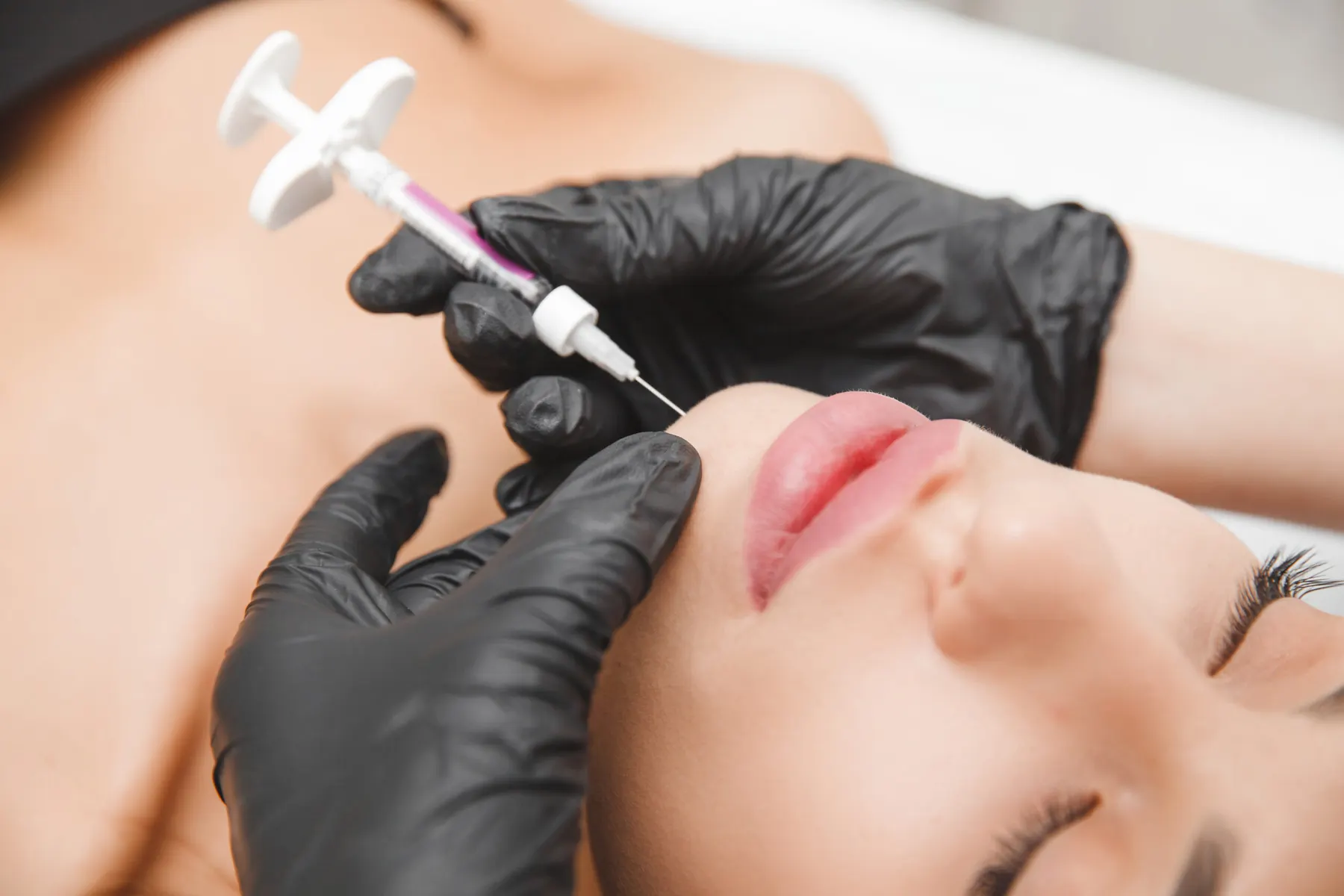
Skinboosters are injectable hyaluronic acid preparations distributed through the dermis to hydrate the skin from within. Hyaluronic acid binds water, so this improves hydration, plumpness and the way skin reflects light at a depth topical products cannot reach. They are not fillers and do not change facial contour.
Mesotherapy delivers a tailored blend of hydrating and nutrient ingredients into the skin through fine superficial injections.
PDRN and polynucleotides support skin quality and hydration by improving the condition of the skin itself rather than by adding water directly, which suits thin, depleted or reactive skin.
Before recommending any of the above, we will look at what you are currently doing. In a substantial proportion of cases, the recommendation is to simplify: fewer actives, a gentler cleanser, cooler water, and a proper barrier-supporting moisturiser used consistently for a few weeks.
If that is what your skin needs, we will tell you, even though it is not a treatment we can bill you for. Selling in-clinic hydration to someone whose barrier is being destroyed at home twice a day would not work anyway.
04 · What we actually offer
These are the ones we use for dry & dehydrated skin. Not every face needs all of them, and we will say so. The goal in every case is the same: treat the cause, not the photograph.
Skin & laser
A device-led facial that cleanses, exfoliates, extracts with suction and infuses serums in one pass, with no recovery period afterwards.
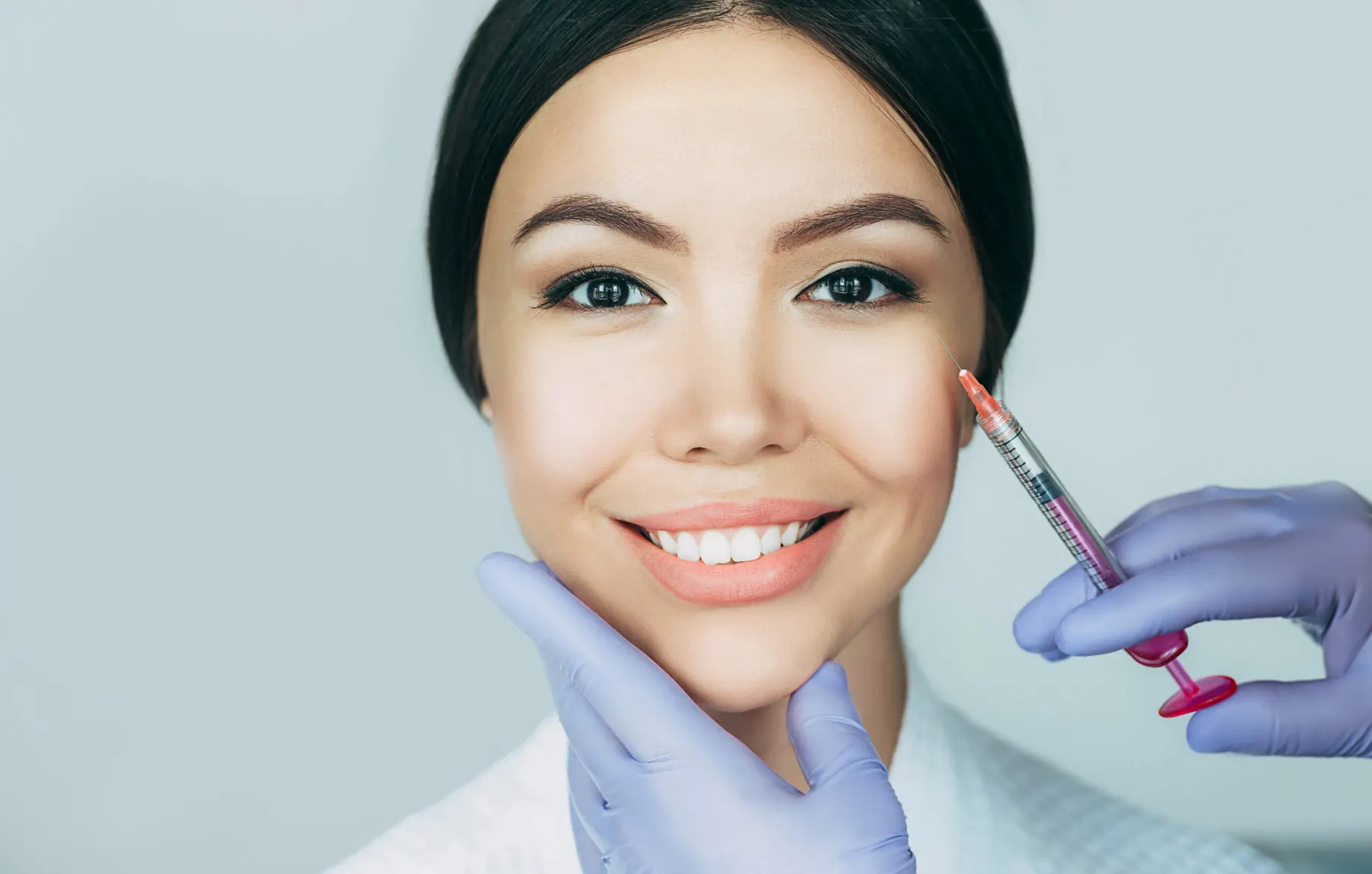
Injectable
Soft hyaluronic acid spread through the skin itself to improve hydration, bounce and light reflection, without changing your shape.
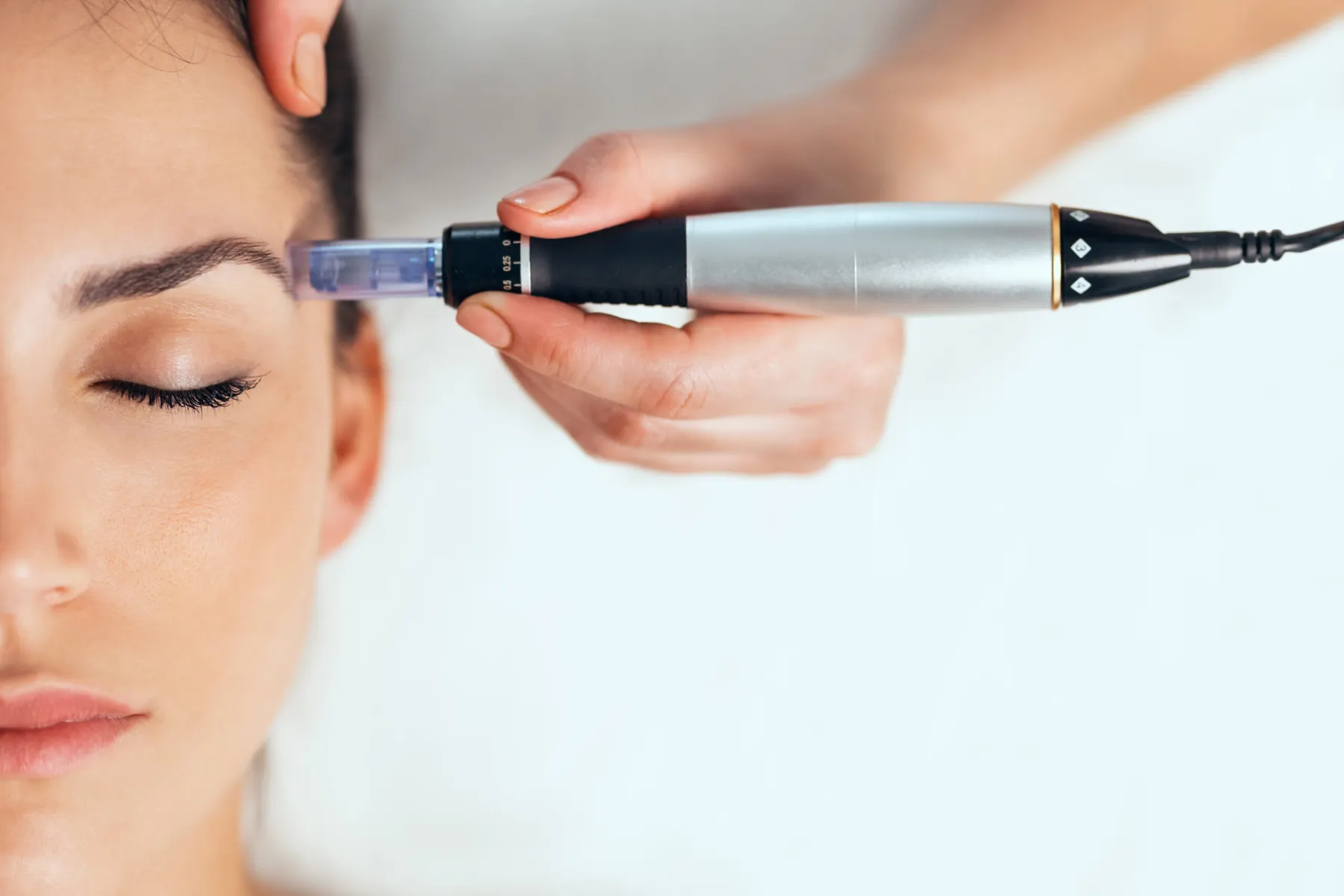
Injectable
A grid of very superficial micro-injections that delivers a tailored cocktail of vitamins, amino acids and hyaluronic acid directly into the skin.

Injectable
Purified DNA fragments injected into fragile or damaged skin to support repair, most often used where the tissue is thin and filler would be wrong.
Every plan is personalised. Which of these you need, in what order and how often, is decided after a nurse has looked at your skin - not before. We will also tell you when a treatment is wrong for you, and we say it before you book.
05 · What actually happens
If you have been putting this off, this section is for you. A consultation costs you nothing and commits you to nothing - you are allowed to walk out having booked absolutely nothing.
She is the one who answers the phone and the texts, so you will already have spoken to her. No clipboard interrogation in the waiting room.
In clinic light, up close, with your makeup off if you are wearing any. This is the part people dread and it takes about a minute.
When it happens, what you had noticed before it happened, what you have already tried and what made it worse. Bring your current products if it is easy.
What we would do, in what order, and what it costs - including the option of doing nothing yet. If a treatment is wrong for you, we say so here, not after.
Nothing is booked in the room unless you want it booked. No deposit, no pressure, no offer that expires on Friday.
Always so kind and personal. Took the extra time to make sure I was comfortable.
06 · Straight answers
The questions people actually ask us on the phone, answered the way we answer them on the phone.
Dry skin lacks oil and dehydrated skin lacks water, and they are not the same thing. Dry is a skin type, meaning your sebaceous glands produce less sebum than average, and it tends to be lifelong. Dehydrated is a temporary condition of the skin's water content, and it can happen to anyone including people with oily skin. This is why someone can have a shiny T-zone and tight, crepey cheeks at the same time.
Yes, and it is extremely common. Oil and water are separate things, and skin can produce plenty of sebum while still losing water through a compromised barrier. It is frequently made worse by treating the oiliness aggressively with stripping cleansers and strong actives, which damages the barrier further and increases water loss. If your skin is shiny but also tight and stinging, this is probably what is happening.
Adequate hydration matters for your health, but drinking more water does not reliably correct dehydrated skin on its own. Skin dehydration is usually a barrier problem: water is escaping through a damaged barrier faster than it is being replaced. The fix is repairing the barrier so that water stays in the skin, which is a topical and treatment-based issue rather than a drinking one.
The barrier is the outermost layer of the skin, made of flattened skin cells held together by a lipid matrix of ceramides, cholesterol and fatty acids. It keeps water in and irritants out. It is damaged by over-cleansing, hot water, over-exfoliation, using too many active ingredients simultaneously, harsh surfactants, and environmental extremes. Once it is damaged, skin loses water faster and becomes reactive and inflamed.
Ontario winters are a genuinely difficult environment for skin. Cold outdoor air holds very little moisture, indoor heating produces warm air with low humidity, and moving repeatedly between the two stresses the barrier. Add hot showers, which strip lipids, and most people lose barrier function over the winter months whether or not they have naturally dry skin.
Skinboosters are injectable hyaluronic acid preparations that are placed into the skin to hydrate it from within rather than to add volume or change contour. Hyaluronic acid binds water, so distributing it through the dermis improves hydration, plumpness and light reflection in a way that topical products cannot match, because topicals sit largely on the surface.
Not necessarily, but if your barrier is compromised, pausing or reducing the frequency of actives while it recovers is often the fastest way forward. Retinoids, acids and vitamin C are all useful ingredients, and all of them are harder on a damaged barrier. We will look at your whole routine at the consultation, and it is fairly common for the recommendation to be using fewer products rather than more.
Barrier repair is generally faster than most skin changes because you are restoring function rather than remodelling structure, but it depends on how damaged it is and how consistently you leave it alone. We will not quote you a timeline, and we will not sell you a course of treatment for something a simplified routine would fix. If that is what we think, we will say so.
Where this comes from
We would rather you did not take our word for any of this. These are the sources behind what is written above, and none of them are ours.
07 · Often confused, often alongside
Concerns are regularly mistaken for one another - and they rarely turn up entirely alone. These are the ones that sit closest to it.
08 · The next step is small
A dry & dehydrated skin consultation costs you nothing and commits you to nothing. You will leave knowing what your skin is doing, what we would do about it, and what it would cost - whether or not you book anything.
Bring three things. Whatever you are currently putting on your face, a rough idea of when it is at its worst, and any questions you have written down. That is genuinely all the preparation we need.
Makeup is fine either way. If it is easier to arrive with it on, arrive with it on - there is a mirror and a cleanser in the room.
We answer during clinic hours, usually within the hour.
647-333-6805 Open messagesOn a desktop? Save the number and text from your phone.