Anti-wrinkle injections
Injectable
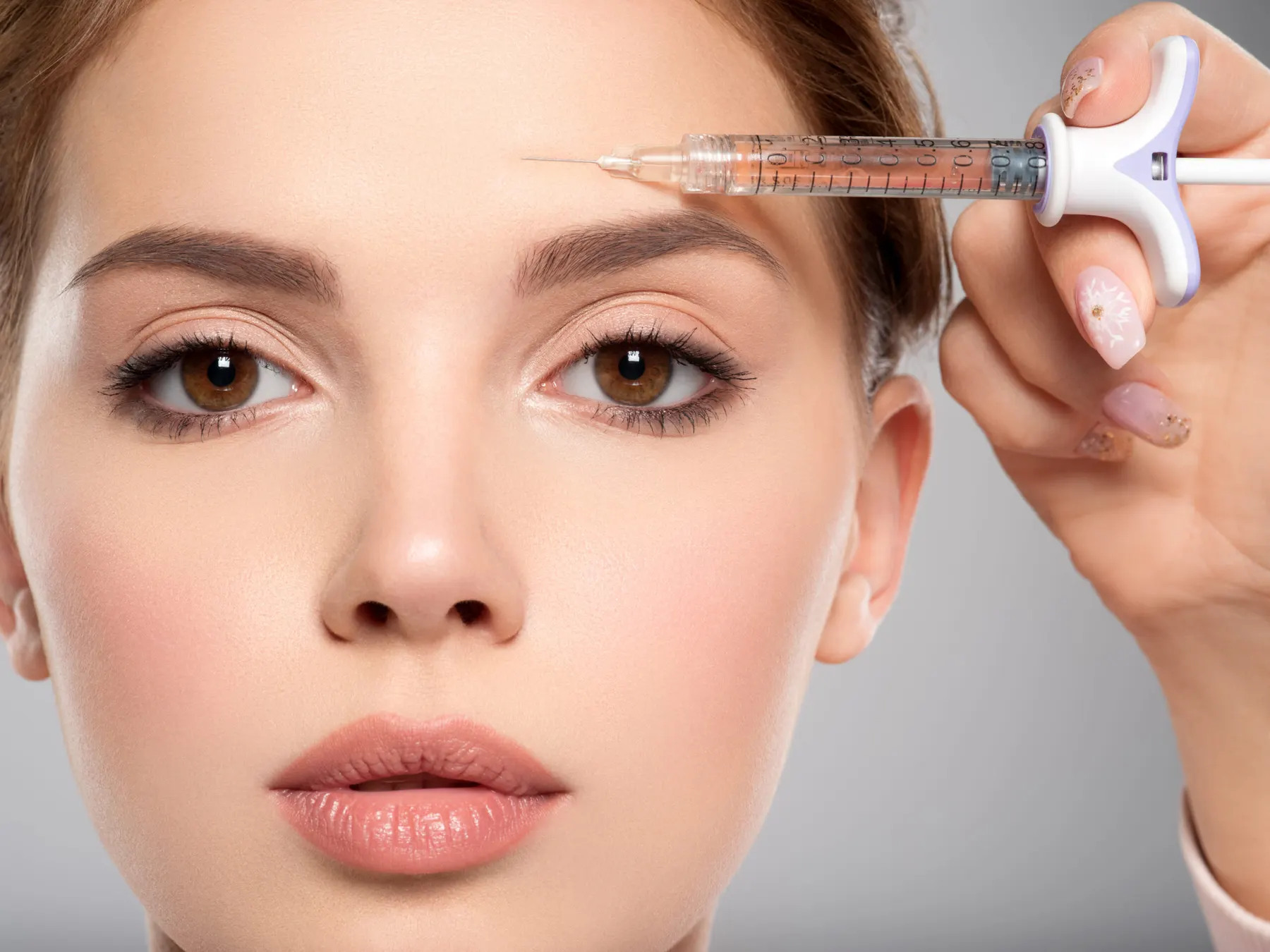
Prescription neuromodulators that soften the lines your expressions carve into your skin, dosed to your own muscle pattern rather than a template.
from $10 About Anti-wrinkle injections →

Hyperhidrosis is excessive sweating that goes well beyond what the body requires for temperature regulation, occurring most commonly in the underarms, palms, soles and face; it is a recognised medical condition rather than a hygiene or anxiety problem, and it is controlled with treatment rather than cured.

02 · The honest version
Hyperhidrosis, or sweating far beyond what the body needs, and how botulinum toxin injections are used to reduce it in the underarms and other areas.

Every face is different. This page is the general picture. What is actually happening on your skin is something a nurse should look at up close, in clinic light, before anyone recommends a treatment.
Does it get worse? That depends on the concern and on you. It is a reason to start early, not a reason to panic - and we will tell you plainly where you are rather than where a treatment plan would be easiest to sell.
Sweating is a thermoregulatory function. Nerves of the sympathetic nervous system signal eccrine sweat glands to release sweat, which evaporates and cools you. In hyperhidrosis, that signalling is overactive: the glands themselves are normal, but they are being told to work far harder than the situation requires.
The result is sweating that has nothing to do with how warm you are or how hard you are working. People with hyperhidrosis sweat in air-conditioned rooms, in winter, sitting still.
Primary focal hyperhidrosis is the more common form. It affects specific areas, most often the underarms, palms, soles, scalp and face, it is generally symmetrical, it usually begins in adolescence or early adulthood, and it frequently runs in families. There is no underlying disease causing it. This is the form that responds well to targeted treatment.
Secondary generalised hyperhidrosis is sweating caused by something else: a medical condition, a hormonal change such as menopause, or a medication. It tends to be more widespread rather than focal, and it can occur during sleep, which primary hyperhidrosis usually does not.
That distinction matters clinically. If your sweating began suddenly in adulthood, is one-sided, occurs mainly at night, or comes with other symptoms such as weight loss or fever, the right first step is medical assessment to find the cause rather than treatment aimed at the symptom. We will tell you if we think that applies to you.
Hyperhidrosis is routinely underestimated because sweating sounds trivial. It is not.
People plan their wardrobe around it, avoiding certain colours and fabrics entirely. They dread handshakes and shy away from holding hands. They struggle with paperwork, touchscreens and musical instruments because their hands are wet. They change clothes at work. They decline social invitations. They are frequently told, unhelpfully, to relax, as though anxiety were the cause rather than a consequence.
If any of that is familiar, you are describing a genuine medical condition with a genuine treatment, not a personal failing.
Nerves signal sweat glands using acetylcholine. Botulinum toxin blocks the release of acetylcholine at the nerve ending. Injected into the skin across an affected area, it interrupts that local signal, and the sweat glands in that area produce dramatically less sweat.
The glands are not destroyed. Nerve signalling gradually recovers, which is why the effect is temporary and why treatment is repeated periodically. It also means the treatment is entirely reversible, which some people find reassuring.
At Bradford Skin Clinic & Medical Spa we offer Botox, Dysport and Xeomin, and treatment is performed by regulated nurses within a nurse-practitioner-led practice. Our Medical Director, Alex Dinovich, FNP-PHC, is an authorised prescriber.
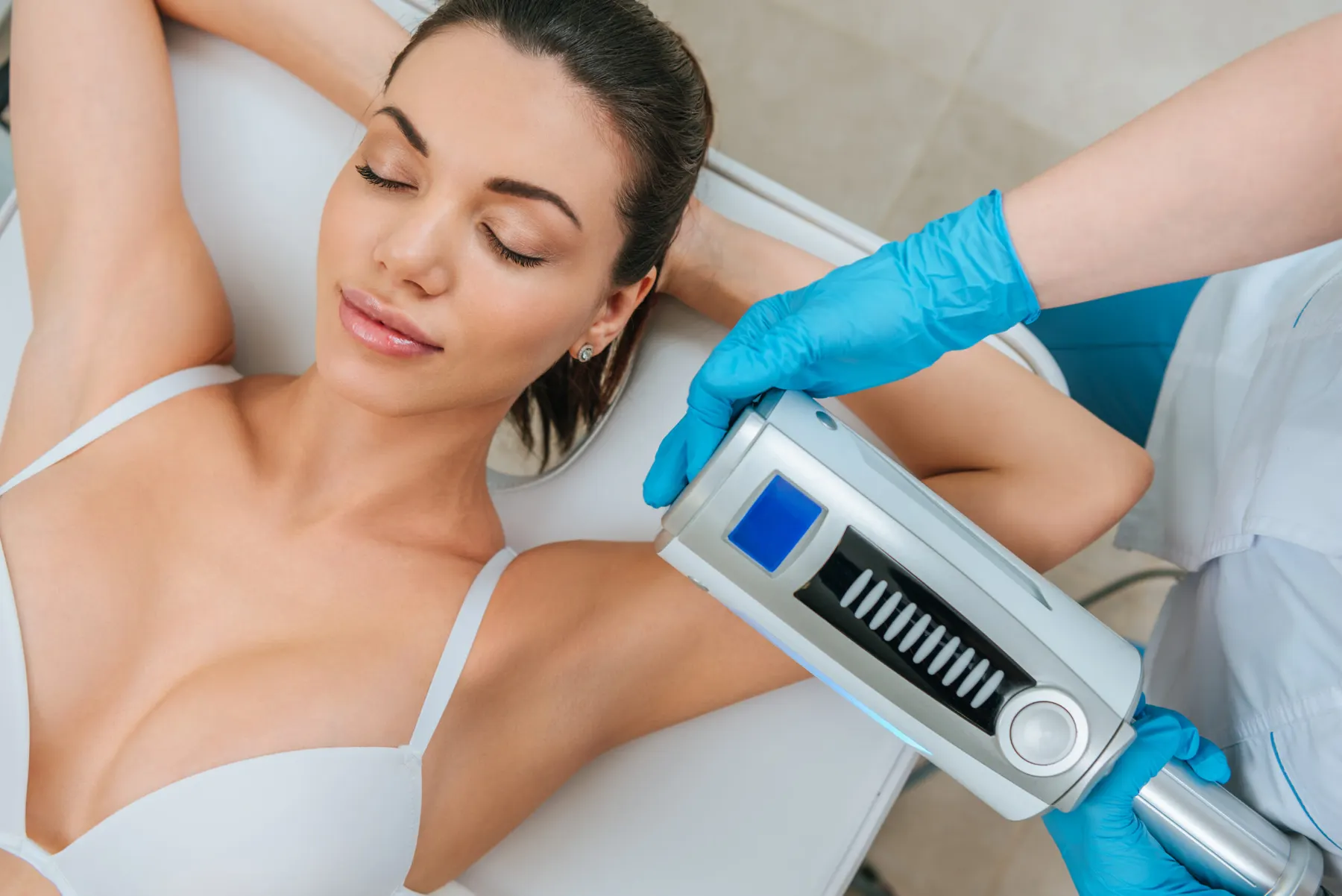
Underarms are the most commonly treated site and generally the most straightforward, involving a grid of small superficial injections across the affected area.
Palms and soles can be treated, though they are more sensitive to inject and there is a specific discussion to have about temporary reduction in grip strength.
Scalp and face can be treated where sweating in those areas is the main problem.
Mapping the area accurately matters. A starch-iodine test can be used to identify exactly where the active sweating is occurring, so treatment is placed where it is needed rather than spread evenly across an assumed area.
This is worth knowing, because many people do not. Botulinum toxin for hyperhidrosis is a medical rather than a cosmetic indication, and some private extended health plans in Ontario provide coverage for it.
Coverage varies considerably between plans, and we cannot tell you what yours covers. What we can do is suggest you contact your insurer and ask specifically about botulinum toxin for hyperhidrosis, and provide appropriate documentation to support a claim. It is a five-minute phone call that occasionally changes the whole picture.
04 · What we actually offer
These are the ones we use for excessive sweating. Not every face needs all of them, and we will say so. The goal in every case is the same: treat the cause, not the photograph.
Injectable
Prescription neuromodulators that soften the lines your expressions carve into your skin, dosed to your own muscle pattern rather than a template.
Every plan is personalised. Which of these you need, in what order and how often, is decided after a nurse has looked at your skin - not before. We will also tell you when a treatment is wrong for you, and we say it before you book.
05 · What actually happens
If you have been putting this off, this section is for you. A consultation costs you nothing and commits you to nothing - you are allowed to walk out having booked absolutely nothing.
She is the one who answers the phone and the texts, so you will already have spoken to her. No clipboard interrogation in the waiting room.
In clinic light, up close, with your makeup off if you are wearing any. This is the part people dread and it takes about a minute.
When it happens, what you had noticed before it happened, what you have already tried and what made it worse. Bring your current products if it is easy.
What we would do, in what order, and what it costs - including the option of doing nothing yet. If a treatment is wrong for you, we say so here, not after.
Nothing is booked in the room unless you want it booked. No deposit, no pressure, no offer that expires on Friday.

Always so kind and personal. Took the extra time to make sure I was comfortable.
06 · Straight answers
The questions people actually ask us on the phone, answered the way we answer them on the phone.
Botulinum toxin blocks the release of acetylcholine, the chemical messenger that nerves use to tell sweat glands to produce sweat. Injected into the skin of an affected area, it interrupts that signal locally, so the glands in the treated area produce much less sweat. The glands are not damaged or removed, which is why the effect is temporary and wears off as nerve signalling recovers.
Yes. Primary focal hyperhidrosis is a recognised medical condition involving overactivity of the sympathetic nerve supply to sweat glands, and it is not caused by poor hygiene, being unfit or being anxious. It typically begins in adolescence or early adulthood, affects specific areas symmetrically, and often runs in families. Framing it as a medical issue is not a marketing device, it is simply accurate.
The underarms are the most commonly treated area and generally the most straightforward. Palms, soles and the scalp and face can also be treated, though palms in particular are more uncomfortable to inject and carry a different discussion around temporary hand weakness. Which areas are appropriate for you will be discussed at your assessment.
Some private extended health plans in Ontario provide coverage for botulinum toxin for hyperhidrosis, because it is treated as a medical rather than a cosmetic indication. Coverage varies considerably between plans and we cannot tell you what yours will do. It is worth contacting your insurer directly and asking specifically about botulinum toxin for hyperhidrosis, and we can provide appropriate documentation for your claim.
It is temporary, and duration varies between individuals and between treatment areas. Rather than quote you a figure we cannot guarantee, your clinician will explain what is typically seen and we will track your own response so that repeat treatment can be timed to you rather than to an average. Most people find a rhythm after their first cycle.
Underarm treatment involves multiple small injections into the skin and most people find it very manageable, describing brief stinging. Palms and soles are more sensitive and comfort measures are discussed beforehand. Your clinician will talk you through the process and you can stop at any point.
Compensatory sweating elsewhere is a well-recognised issue with surgical sympathectomy, which is a very different intervention. With localised injectable treatment it is not a common complaint, because the effect is restricted to the treated area and the rest of your thermoregulation is unaffected. If you notice a change, tell us and we will factor it into planning.
It is worth doing if your sweating started suddenly in adulthood, occurs on one side only, happens mainly at night, or comes with weight loss, fever or other symptoms, because secondary hyperhidrosis can be a sign of an underlying medical condition or a medication side effect. Bradford Skin Clinic & Medical Spa is nurse-practitioner-led, and we will raise it with you and recommend assessment if your history points that way.
Where this comes from
We would rather you did not take our word for any of this. These are the sources behind what is written above, and none of them are ours.
07 · Often confused, often alongside
Concerns are regularly mistaken for one another - and they rarely turn up entirely alone. These are the ones that sit closest to it.
08 · The next step is small
A excessive sweating consultation costs you nothing and commits you to nothing. You will leave knowing what your skin is doing, what we would do about it, and what it would cost - whether or not you book anything.
Bring three things. Whatever you are currently putting on your face, a rough idea of when it is at its worst, and any questions you have written down. That is genuinely all the preparation we need.
Makeup is fine either way. If it is easier to arrive with it on, arrive with it on - there is a mirror and a cleanser in the room.
We answer during clinic hours, usually within the hour.
647-333-6805 Open messagesOn a desktop? Save the number and text from your phone.