BBL light therapy
Skin & laser
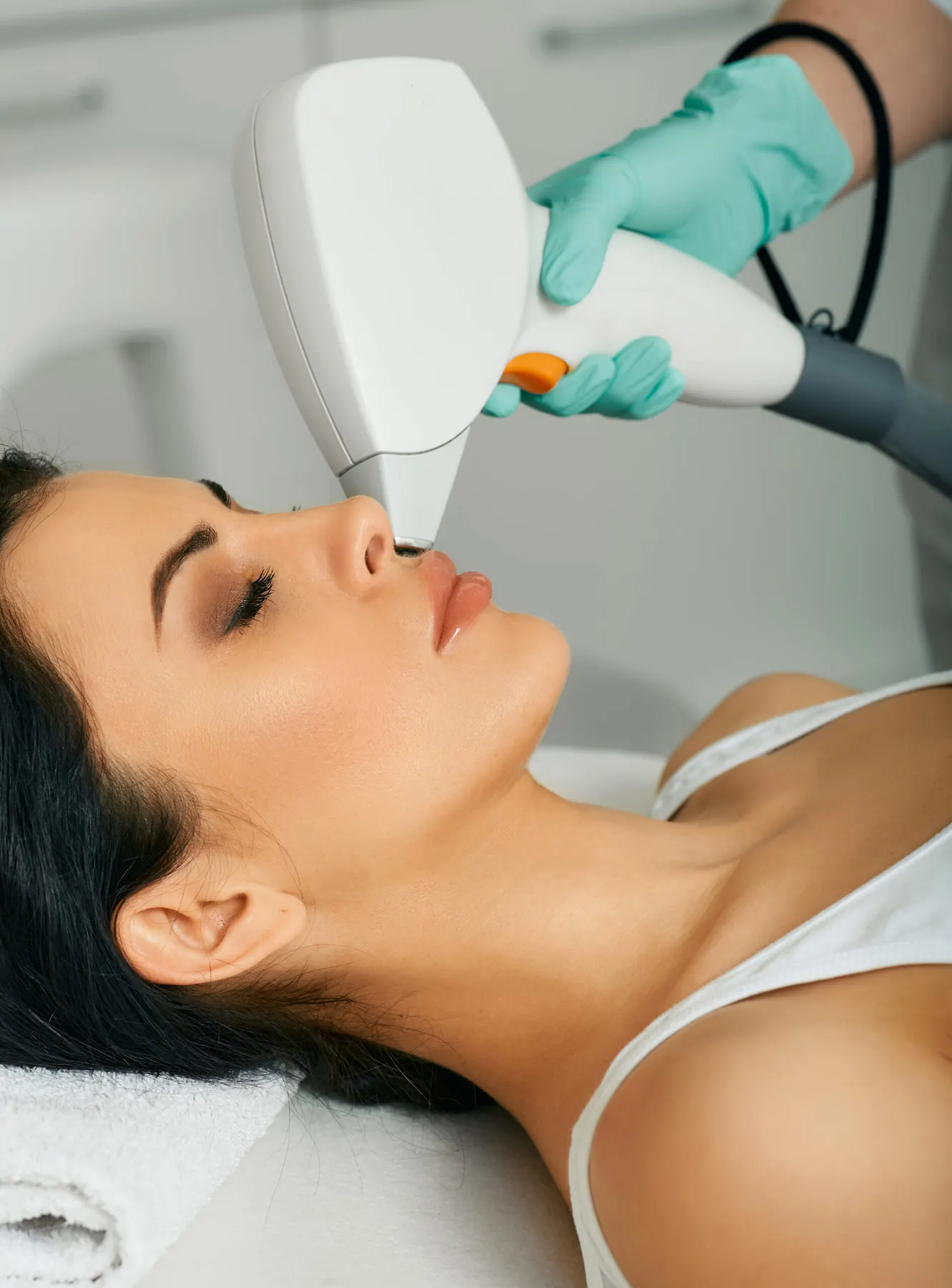
Filtered broadband light that targets the colour in your skin, absorbed by red vessels and brown pigment while leaving surrounding tissue alone.
from $150 About BBL light therapy →

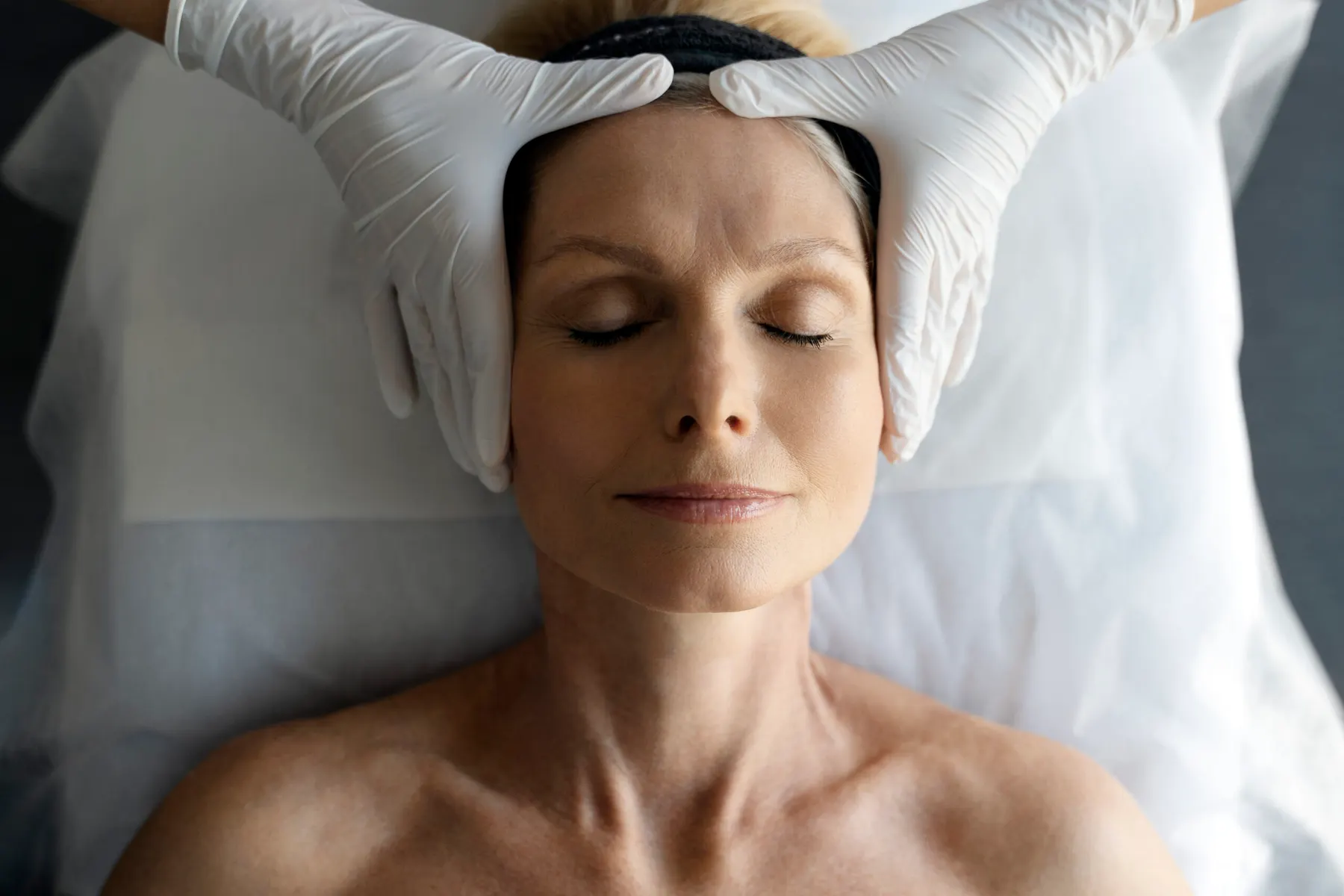
Sun Damage, also called photodamage, is the cumulative structural harm that ultraviolet radiation does to skin over years, showing as sun spots, broken capillaries, rough or leathery texture, deep lines and loss of firmness; existing damage can be substantially improved with treatment, while further damage is prevented rather than reversed.
02 · The honest version
Photodamage from years of ultraviolet exposure, what it does to skin structure, and the treatments that repair and prevent it.
Every face is different. This page is the general picture. What is actually happening on your skin is something a nurse should look at up close, in clinic light, before anyone recommends a treatment.
Does it get worse? That depends on the concern and on you. It is a reason to start early, not a reason to panic - and we will tell you plainly where you are rather than where a treatment plan would be easiest to sell.
There are two wavelengths that matter. UVB is the shorter one; it is absorbed in the upper layers of the skin, causes sunburn and damages DNA directly. UVA is longer, penetrates much deeper into the dermis, and does its damage more quietly by generating free radicals that degrade collagen and elastin and by stimulating melanocytes to produce pigment.
UVA is the reason sun damage is not just about burning. You can accumulate substantial photodamage without ever having a memorable sunburn, simply through the ordinary business of walking, driving and sitting near windows over thirty years.
Photodamage has a recognisable signature, and it is different from simple ageing.
Pigment changes come first for most people: flat brown sun spots on the cheekbones, temples, chest, shoulders and the backs of the hands, and a general mottling of tone rather than one even colour.
Vascular changes show as broken capillaries around the nose and cheeks and a diffuse background redness that was not there before.
Textural changes are the ones people describe as their skin no longer feeling smooth. Rough patches, enlarged-looking pores, a slightly leathery quality, fine crinkling on the cheeks and around the mouth.
Structural changes are the deepest layer of the problem. Degraded collagen and abnormal elastin mean the skin sits looser and creases more readily, which is why sun-damaged skin often looks older than its owner.
Sun damage also frequently appears on the chest, neck and hands, which are areas people protect far less than the face and which often give away more than the face does.
It is easy to assume photodamage is a problem for hotter climates. It is not. Summer ultraviolet levels in southern Ontario are high, snow reflects ultraviolet upward in winter, cloud cover blocks far less than people expect, and long commutes on the 400 corridor deliver years of one-sided UVA exposure through the driver’s window. Most of the sun damage we see here was accumulated locally and gradually.
BBL broadband light is our workhorse for photodamage. Filtered light is absorbed by both melanin in sun spots and haemoglobin in dilated vessels, addressing the two most visible features of sun-damaged skin in the same treatment.
CO2 laser resurfacing is the most comprehensive option. It removes damaged surface layers in a controlled fractional pattern and stimulates a genuine collagen remodelling response underneath, which is what allows it to improve texture, fine lines and pigment together. It involves real downtime, and we will be specific with you about that before you book rather than after.
Medical-grade peels accelerate the turnover of damaged, pigmented cells and improve surface texture with less recovery time.
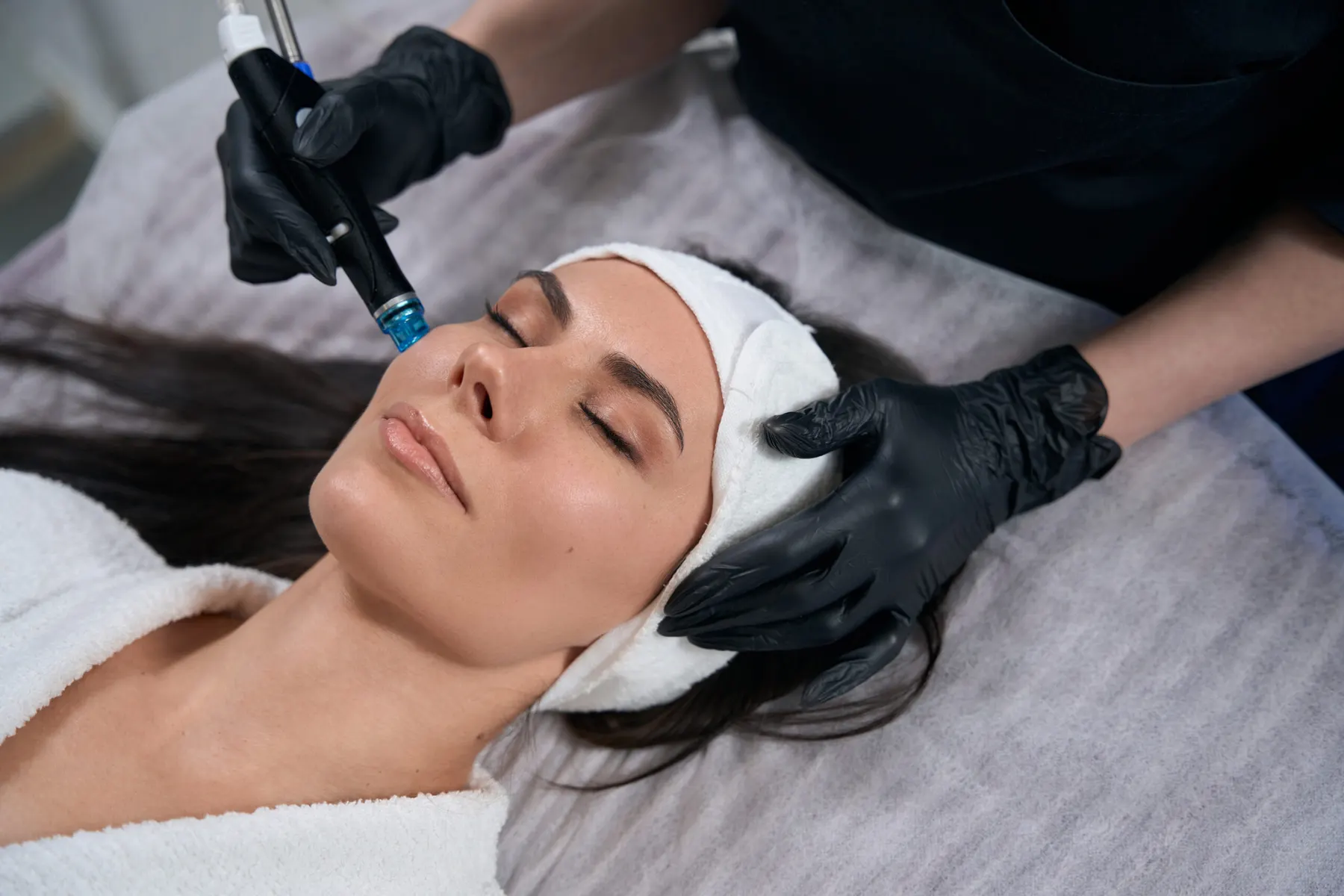
Microneedling creates controlled micro-injury to stimulate collagen production, which targets the structural side of photodamage rather than the surface.
Every result we achieve on sun-damaged skin is held or lost by what happens afterwards. Daily broad-spectrum SPF, reapplied when you are outdoors for extended periods, is the difference between a result that lasts years and one that fades in a season. We will build that into your plan, and we will be candid if we think ongoing exposure will undo what you are about to pay for.
If we notice a lesion during your assessment that does not look clearly benign, we will refer you for medical assessment. Cosmetic treatment is never the right first step for a lesion that has not been cleared.
04 · What we actually offer
These are the ones we use for sun damage. Not every face needs all of them, and we will say so. The goal in every case is the same: treat the cause, not the photograph.
Skin & laser
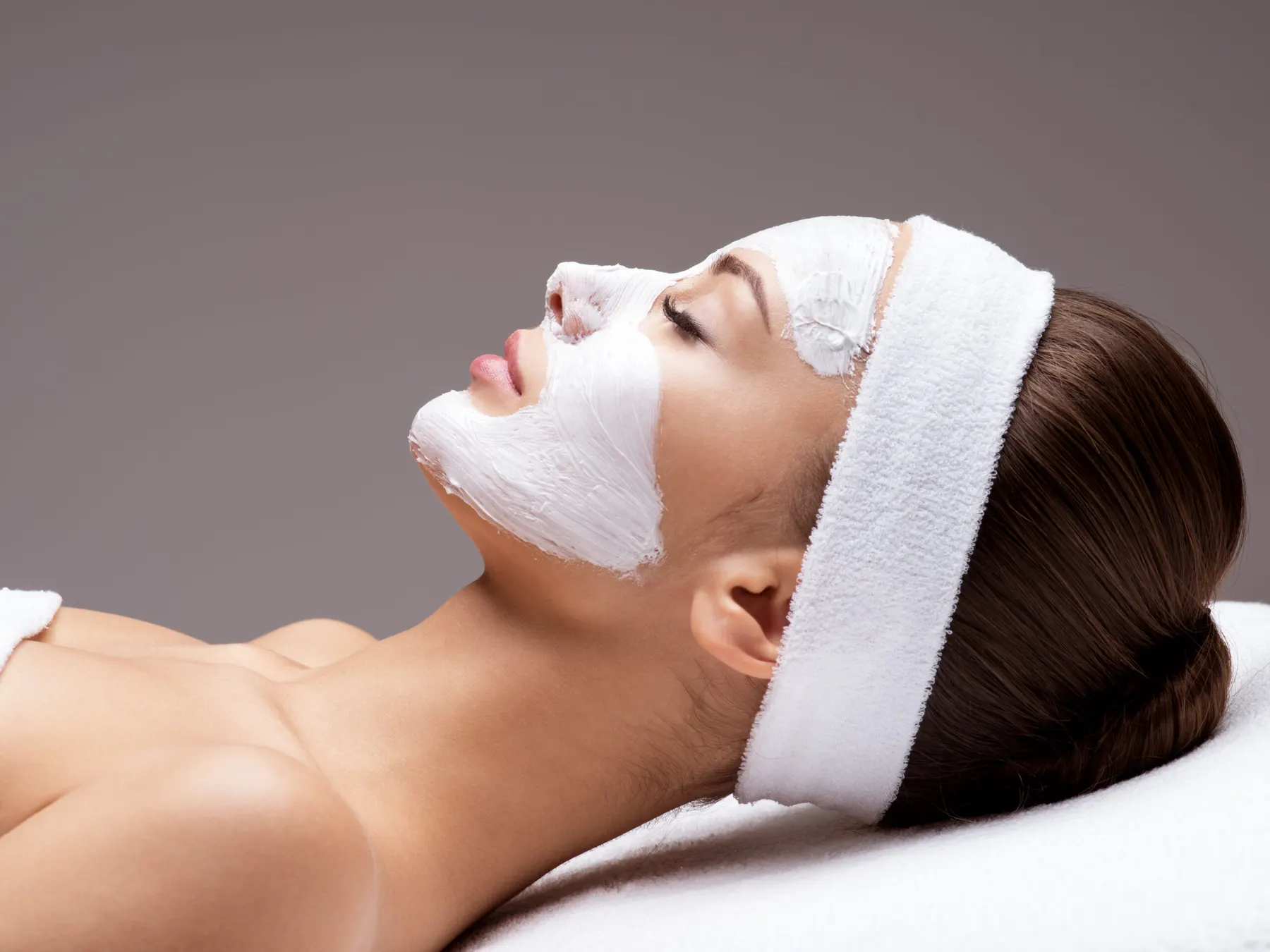
Filtered broadband light that targets the colour in your skin, absorbed by red vessels and brown pigment while leaving surrounding tissue alone.
Skin & laser
Chemical solutions applied at a controlled strength and depth to shed damaged skin, chosen for your concern rather than sold as a single signature peel.
Skin & laser
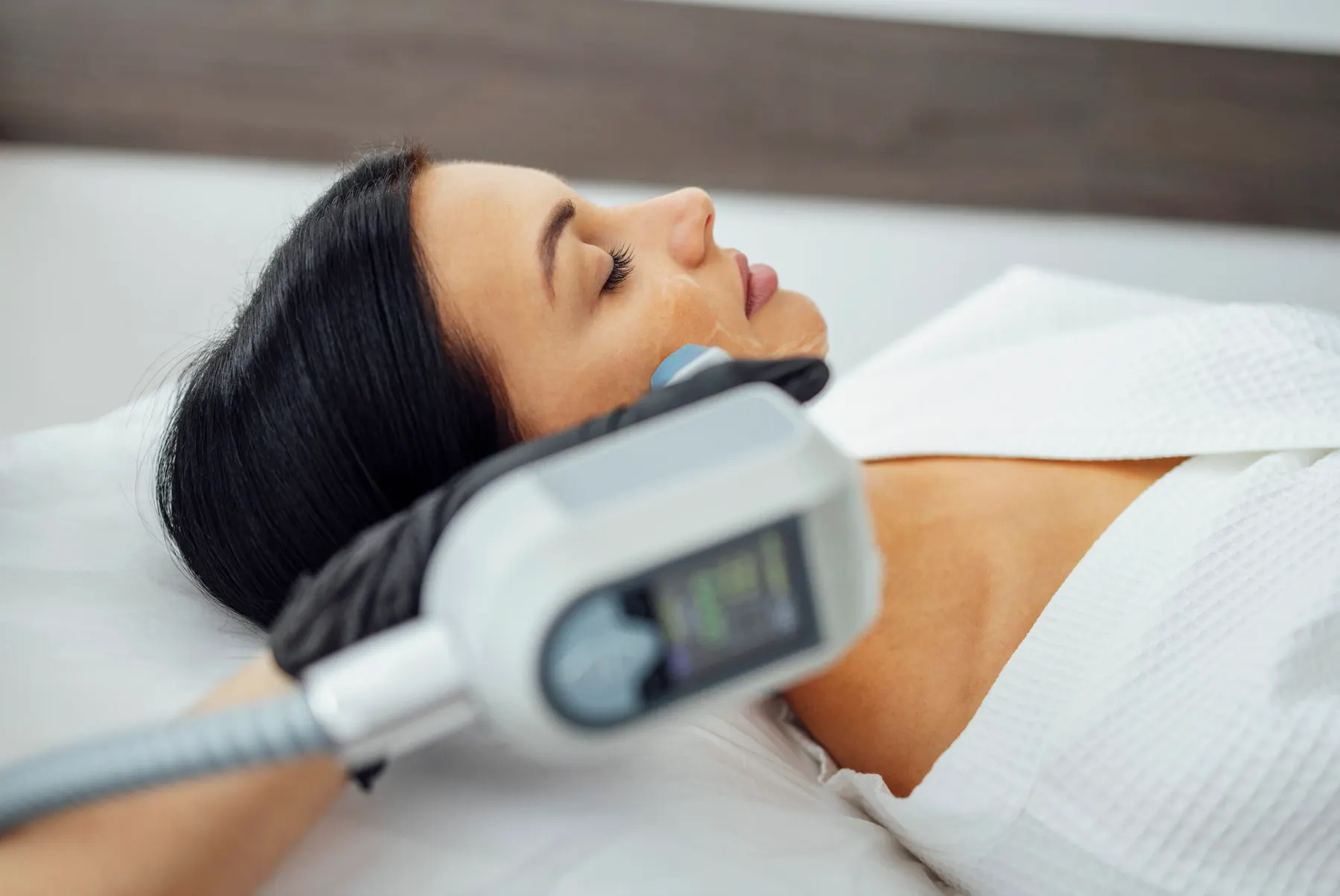
An ablative fractional laser that removes columns of damaged skin so the surrounding tissue heals into something smoother and firmer.

Skin & laser
Sterile needles creating thousands of controlled micro-channels so the skin repairs itself with new collagen, at a depth chosen for your concern.
Every plan is personalised. Which of these you need, in what order and how often, is decided after a nurse has looked at your skin - not before. We will also tell you when a treatment is wrong for you, and we say it before you book.
05 · What actually happens
If you have been putting this off, this section is for you. A consultation costs you nothing and commits you to nothing - you are allowed to walk out having booked absolutely nothing.
She is the one who answers the phone and the texts, so you will already have spoken to her. No clipboard interrogation in the waiting room.
In clinic light, up close, with your makeup off if you are wearing any. This is the part people dread and it takes about a minute.
When it happens, what you had noticed before it happened, what you have already tried and what made it worse. Bring your current products if it is easy.
What we would do, in what order, and what it costs - including the option of doing nothing yet. If a treatment is wrong for you, we say so here, not after.
Nothing is booked in the room unless you want it booked. No deposit, no pressure, no offer that expires on Friday.
Always so kind and personal. Took the extra time to make sure I was comfortable.
06 · Straight answers
The questions people actually ask us on the phone, answered the way we answer them on the phone.
Existing sun damage can be improved substantially, and in some cases dramatically, but it is more accurate to say it is repaired than reversed. Pigment can be cleared, broken vessels can be reduced, and collagen can be rebuilt through resurfacing and needling. What treatment cannot do is undo the cellular damage already accumulated, which is why sun protection remains part of the plan permanently.
No. Ultraviolet damage is cumulative, which means every exposure you avoid from today onward is damage you do not add to the total. Daily protection also protects the results of any treatment you have, and it reduces the risk of skin cancers. There is no age at which starting stops being worthwhile.
This is common in drivers, and it is one of the clearest demonstrations of how sun damage works. Standard car window glass blocks most UVB but transmits a significant proportion of UVA, which penetrates deeper and drives pigmentation and collagen breakdown. Over years of commuting, the window-side of the face accumulates measurably more damage.
Yes. Ultraviolet radiation is present year-round, it passes through cloud, and snow reflects a substantial amount of it back up at your face. Winter exposure in Ontario is lower than midsummer but it is not zero, and it is cumulative like everything else.
Cumulative ultraviolet exposure is an established risk factor for skin cancers, and visible photodamage indicates that exposure has occurred. We are an aesthetics clinic and we do not diagnose skin cancer, so if we see a lesion during your assessment that concerns us, we will refer you to a physician or dermatologist rather than treat it. Regular skin checks with your family doctor are worthwhile regardless of what cosmetic treatment you have.
Intrinsic ageing is what your skin would do on its own over time: gradual thinning, some loss of firmness, fine lines. Photoageing is the additional damage from ultraviolet exposure, and it produces a distinctly different picture with mottled pigment, coarse texture, broken vessels and deeper wrinkling. A useful comparison is your face against the skin on the inside of your upper arm, which has had far less exposure.
It depends on which features bother you most and how much downtime you can accommodate. BBL broadband light is generally the strongest option for pigment and vascular redness. CO2 laser resurfacing addresses texture, lines and pigment together but involves genuine recovery time. Peels and microneedling sit between the two. Most sun-damaged skin benefits from a combination rather than a single treatment.
Some treatments can be done year-round and some are better scheduled when your recent sun exposure is low, because treating recently tanned skin carries a higher risk of pigment problems. Your clinician will ask about upcoming holidays and outdoor plans and will time your treatment around them rather than working against them.
Where this comes from
We would rather you did not take our word for any of this. These are the sources behind what is written above, and none of them are ours.
07 · Often confused, often alongside
Concerns are regularly mistaken for one another - and they rarely turn up entirely alone. These are the ones that sit closest to it.
08 · The next step is small
A sun damage consultation costs you nothing and commits you to nothing. You will leave knowing what your skin is doing, what we would do about it, and what it would cost - whether or not you book anything.
Bring three things. Whatever you are currently putting on your face, a rough idea of when it is at its worst, and any questions you have written down. That is genuinely all the preparation we need.
Makeup is fine either way. If it is easier to arrive with it on, arrive with it on - there is a mirror and a cleanser in the room.
We answer during clinic hours, usually within the hour.
647-333-6805 Open messagesOn a desktop? Save the number and text from your phone.