A beginner injector coursefor nurses starting from scratch
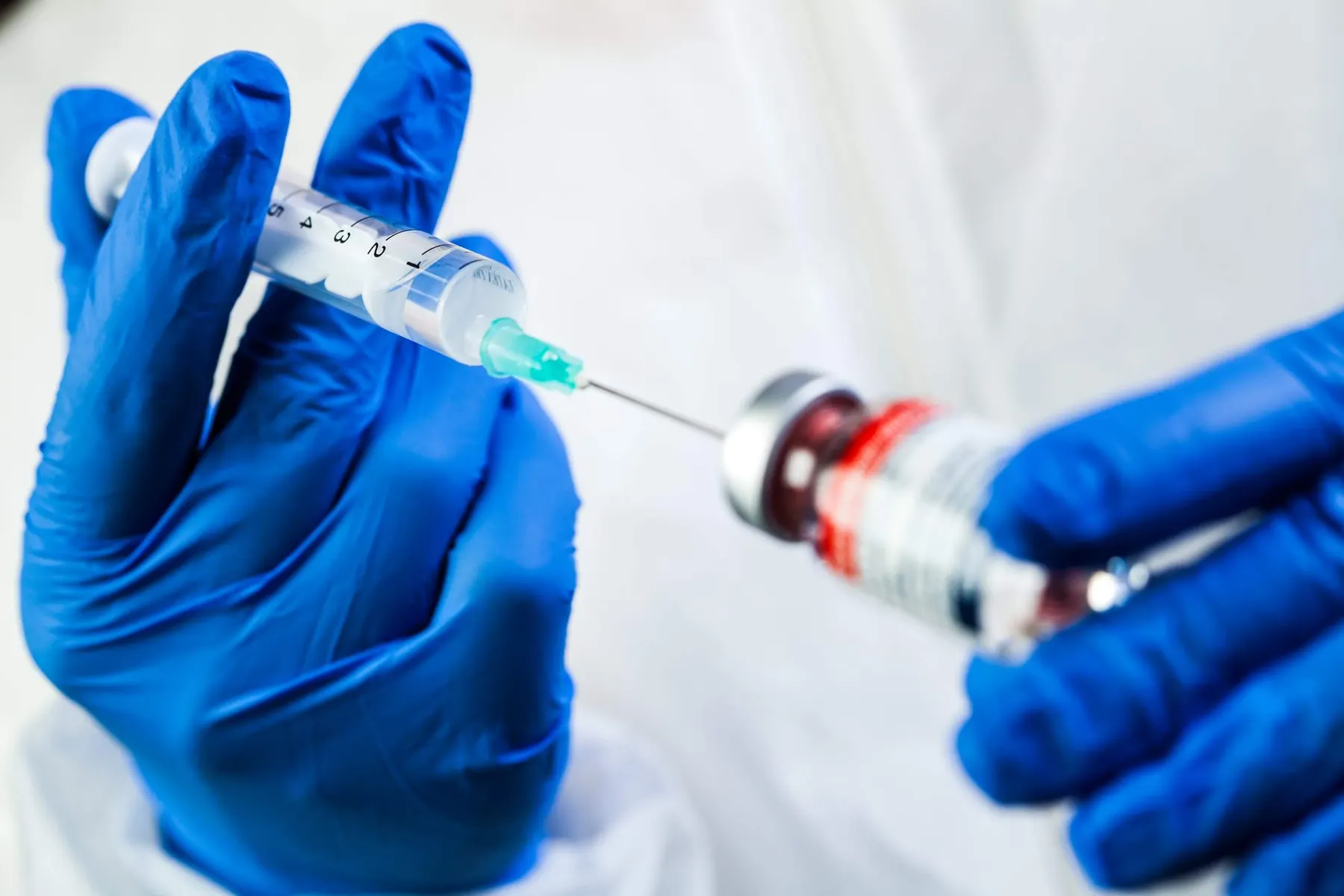
The Beginner Injector Course at Bradford Skin Clinic and Medical Spa in Bradford, Ontario teaches Ontario nurses to inject from the beginning, covering neuromodulators, dermal fillers, PRP and vitamin and IV injections. It is taught in person by Alex Dinovich, Nurse Practitioner and Medical Director. Training builds competence; the authority to inject comes separately from an authorizing mechanism.
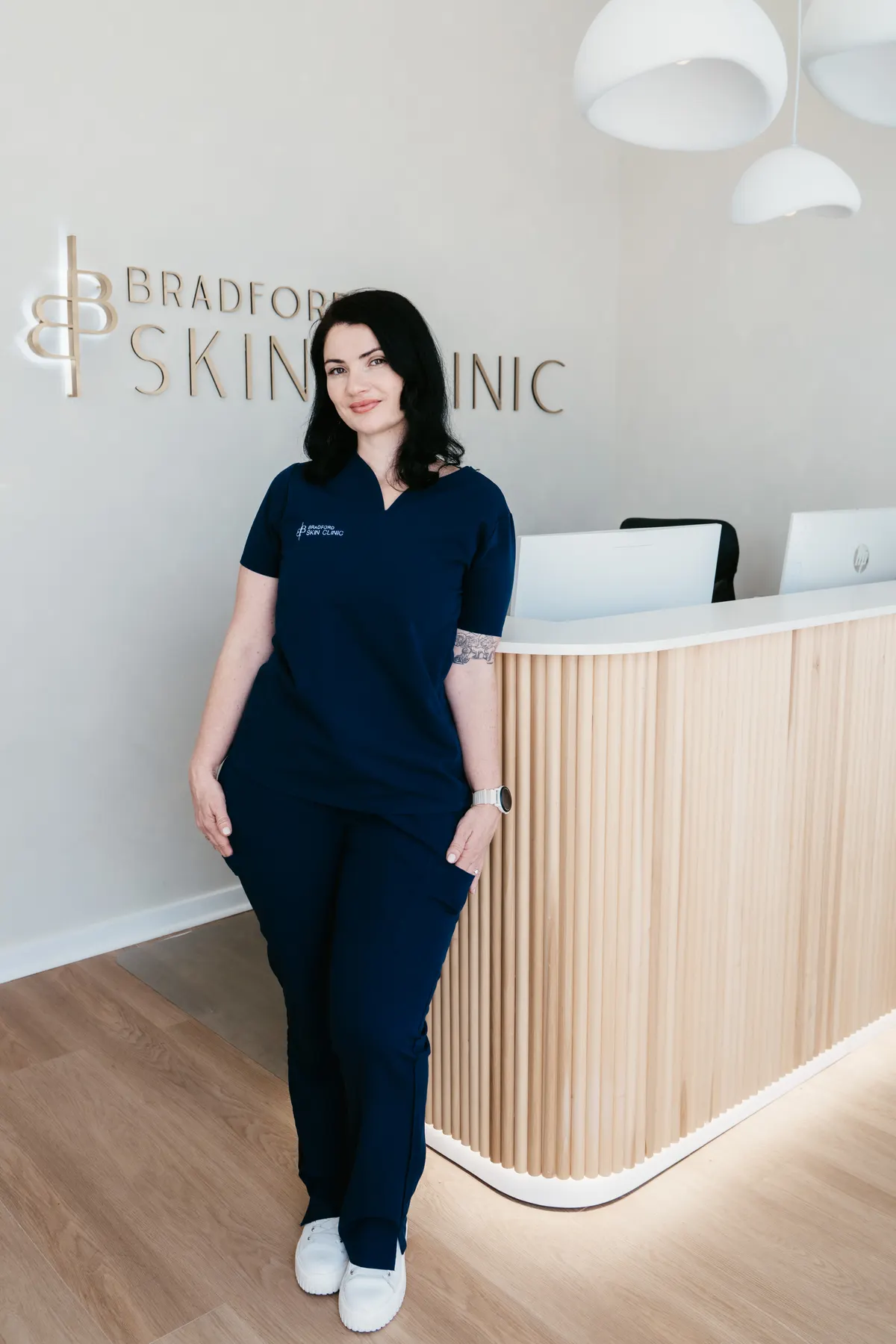
Written and reviewed by Alex Dinovich, NP, Nurse Practitioner and Medical Director at Bradford Skin Clinic & Medical Spa.
College of Nurses of Ontario registration 13564840, verifiable on the
public Find a Nurse register.
Last reviewed .
At a glance
The short version.
InvestmentConfirmed when you enquire, in writing, before you commit to anything
FormatIn person, in our Bradford treatment rooms
Who it is forCurrent registration with the College of Nurses of Ontario as an RN, RPN or NP
What the course includes
Placeholder. This list is stand-in copy while the
clinic confirms the detail. Anything in square brackets is an open question.
Included in the course fee
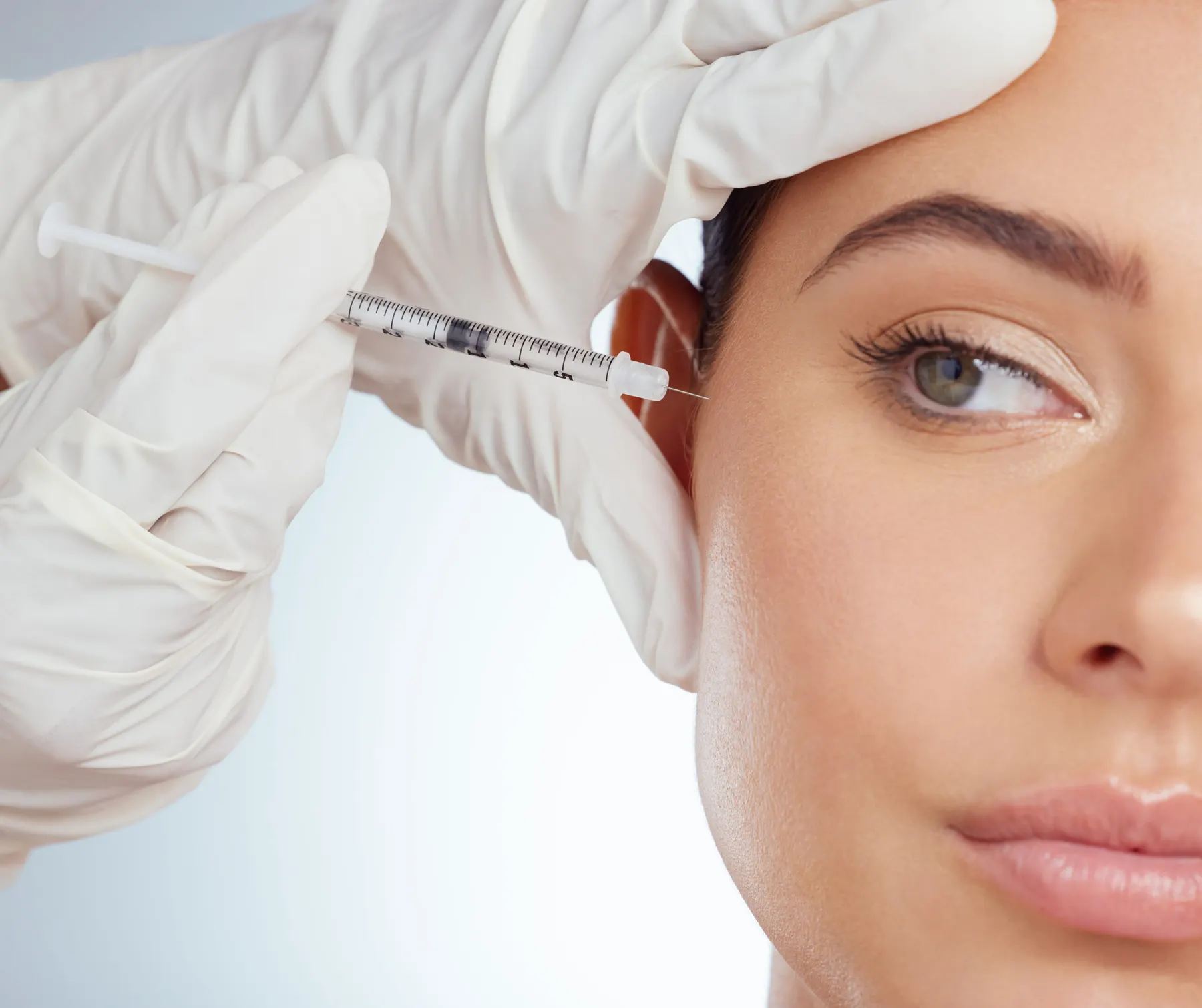
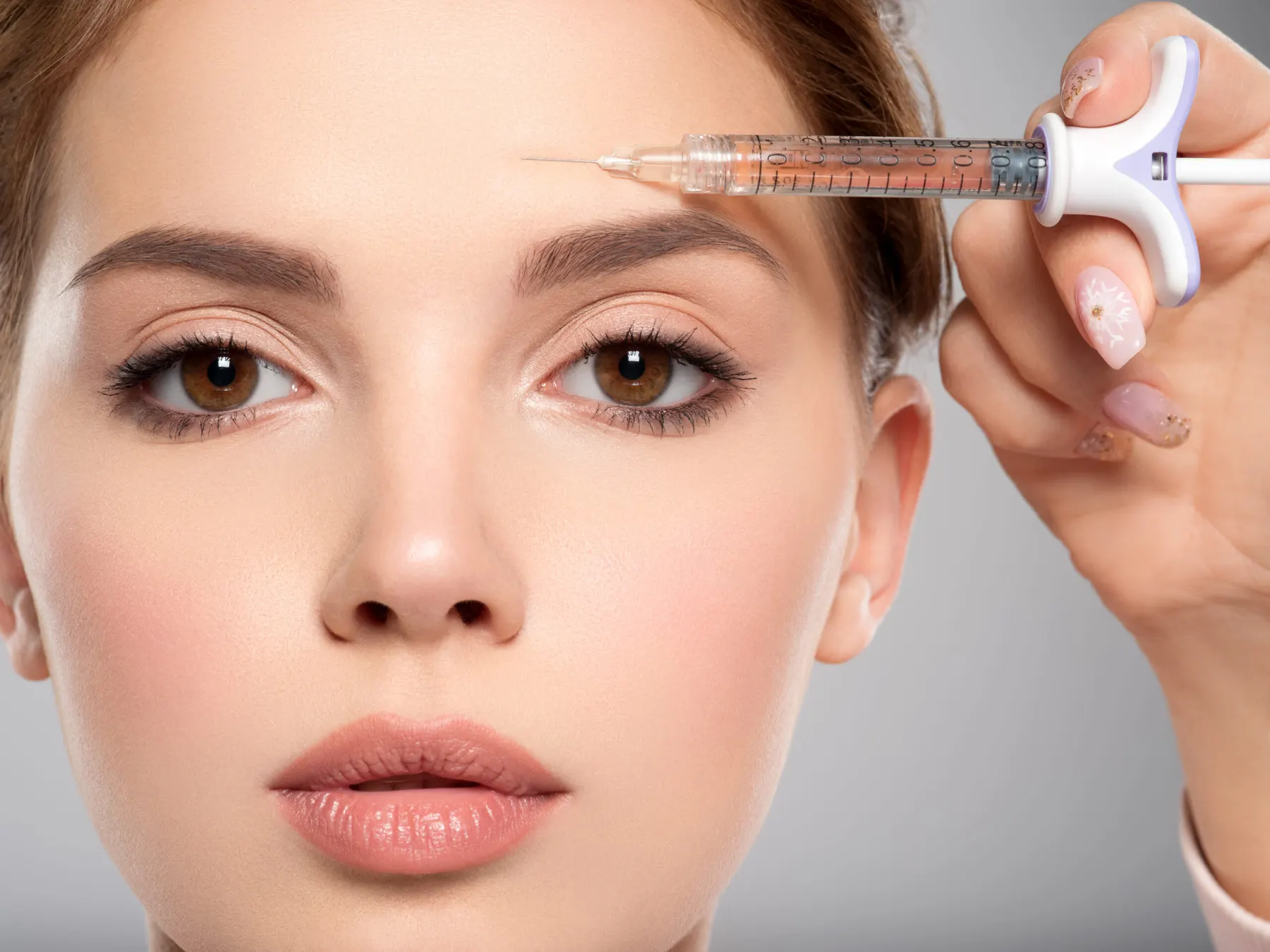
Neuromodulators, from the first assessmentFacial anatomy in the order you meet it, muscle behaviour, dose, and the areas a beginner should and should not start with.
Dermal fillers, taught as a different problemTissue planes, vascular anatomy and volume, with the complication profile that frightens experienced injectors treated as the main subject.
PRP, including the draw and the preparationPhlebotomy technique, the closed preparation system, and the scalp and facial applications it is actually used for.
Vitamin injections and IV therapyIntramuscular technique, cannulation, screening, and the clinic's position on who should not be having one.
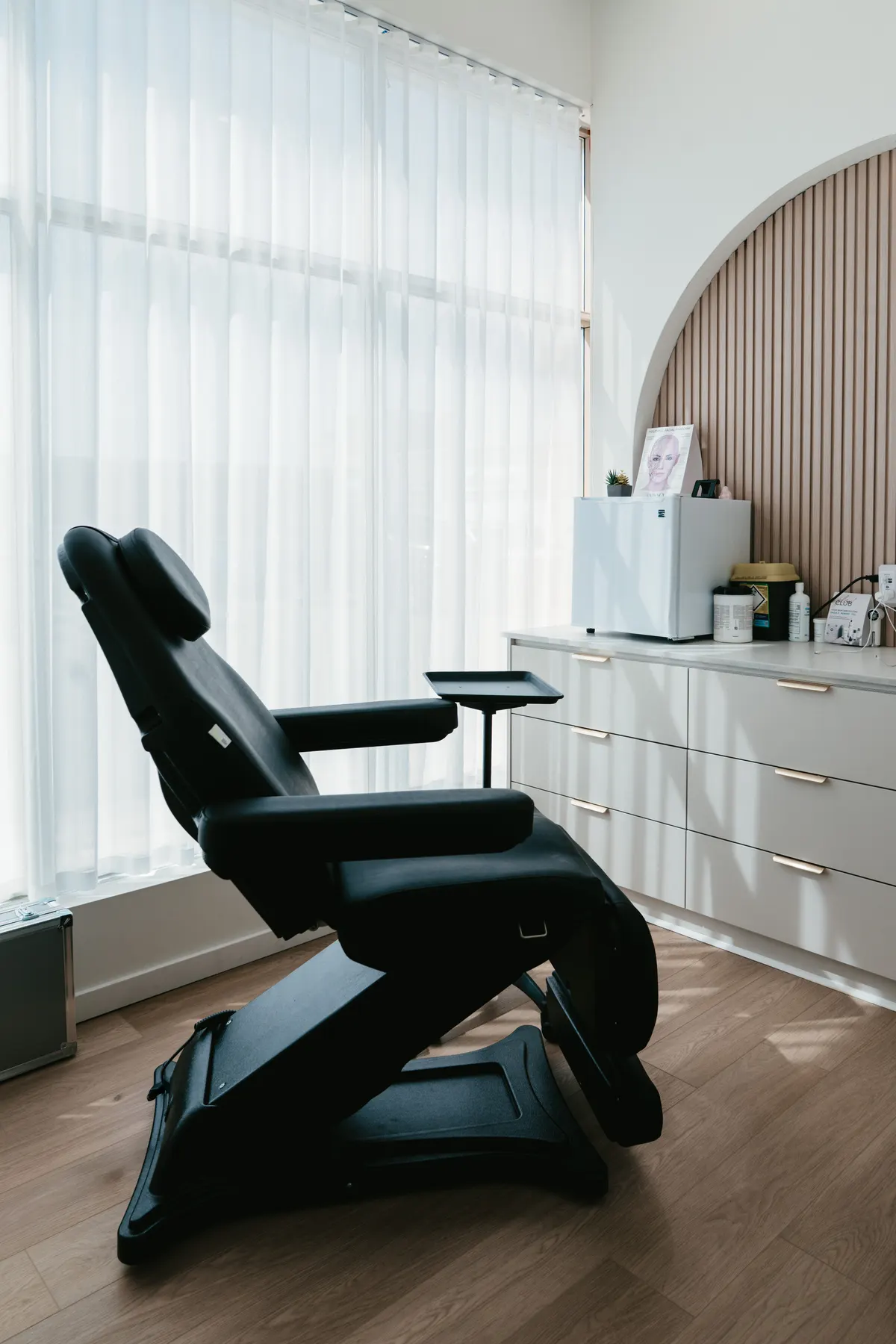
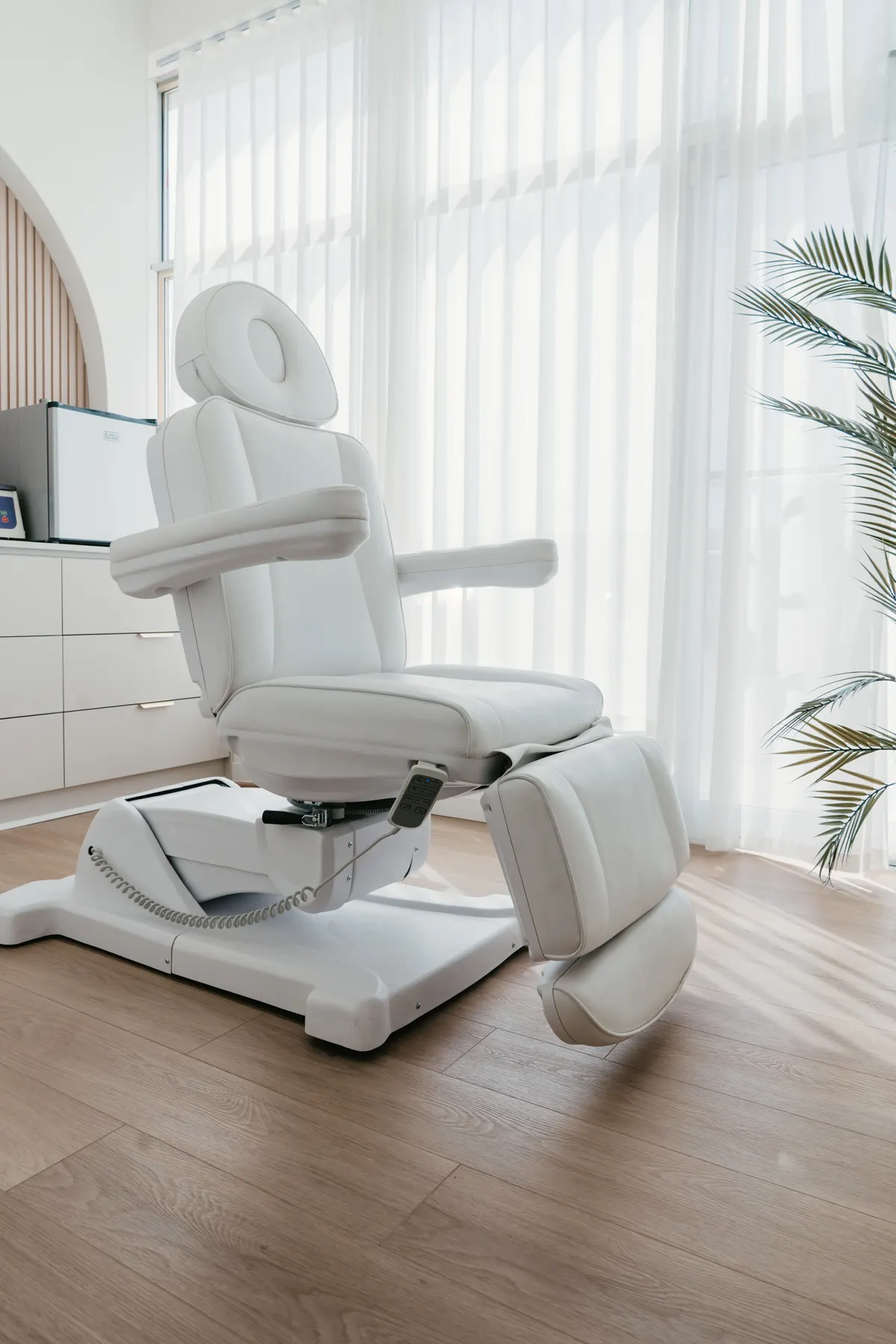
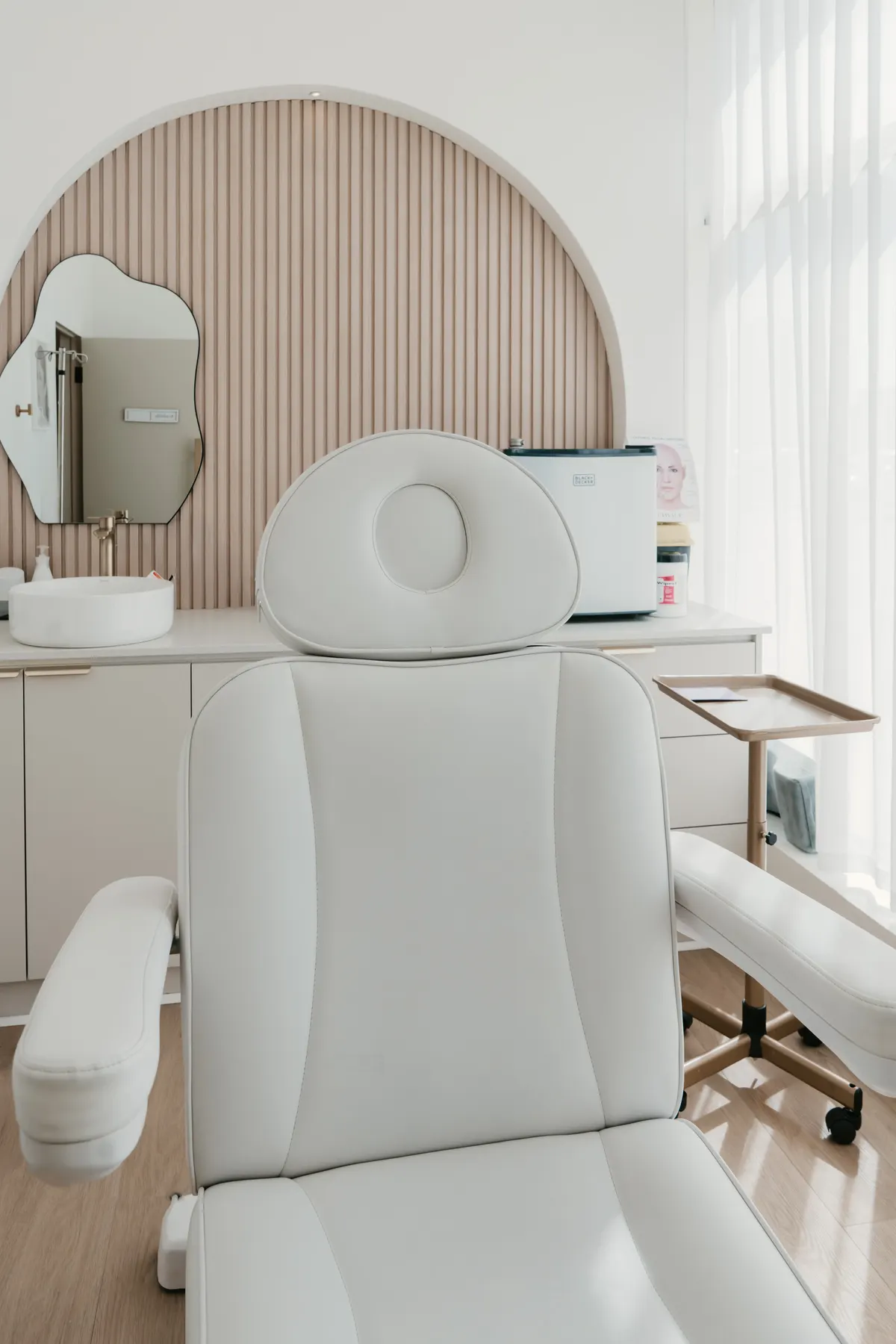
Taught in the clinic's own treatment roomsThe chair, the lighting, the stock and the emergency equipment are the ones in daily use here.
Assessment, consent, documentation and aftercareIncluding what to do when the phone rings on day three, which is the part no course spends enough time on.
[To confirm with Alex: fee, number of days, group size, whether models are provided, and what you take home]
Not included: an authorising mechanism. The course gives you competence. Authority is a separate thing, and it comes from an authorised provider.
Where you will be standing
The room, not a slide deck.
You inject here, in a room that is running clinics the rest of the week.Assessment is taught in the room where assessment happens.Cohort size is confirmed in writing before you pay.
What the course gives you
Technique, on real anatomy.
Assessment, consent and documentation.
Competence you can demonstrate.
What you still need
Current registration with the College of Nurses of Ontario.
An authorising mechanism from an authorised provider.
A directive or a direct order that covers what you actually do.
Competence is not authority.
Ontario issues no injector licence, and no course grants legal authority to inject.
We can author the mechanism. You are not obliged to use us for it.
Taught on real anatomy, in a working treatment room.
Who this is for
Nurses who have never injected anything cosmetic and want to learn the whole starting set rather than one piece of it.
That is a different person from the one our foundation course is built for. The foundation course assumes you want injectables and teaches two days of neuromodulator and filler. This one starts further back, and it covers the four things a new aesthetic practice actually offers on day one: neuromodulators, dermal fillers, PRP, and vitamin and IV therapy.
It does not cover lasers. That is deliberate and it is explained below.
The prerequisite, stated plainly
Current registration with the College of Nurses of Ontario, as an RN, an RPN or an NP.
This is not a preference. Injecting a neuromodulator or a dermal filler involves controlled acts under the Regulated Health Professions Act, 1991, and an unregulated person cannot perform them at all. There is no certificate, from us or from anybody else, that changes that.
If you are not a nurse and you want to do this work, the honest route is a nursing qualification and registration first, and we would rather say so than sell you a course that leads nowhere. Any provider offering an unlicensed person a path into injecting is describing something Ontario does not have.
What you learn
Neuromodulators. Facial anatomy in the order you meet it rather than in the order a textbook lists it. Muscle behaviour, assessment, dose, and a frank conversation about which areas a beginner should start with and which should wait.
Dermal fillers, taught as a separate problem rather than as the same skill with a different syringe. Tissue planes, vascular anatomy, volume, and the complication profile that genuinely worries experienced injectors. Fillers are Class III medical devices rather than prescription drugs, and the controlled acts, and therefore the authority you need, are the same either way.
PRP, including the parts that courses skip: the blood draw itself, the closed preparation system, and what you are actually putting back. The scalp and facial applications, and the honest limits of each.
Vitamin injections and IV therapy. Intramuscular technique, cannulation, screening, and the clinic’s own position on who should not be having one. This is the part of an aesthetic practice most likely to be sold carelessly, and the screening conversation is the whole of the safety in it.
And the unglamorous half. Assessment, consent, documentation you could defend eighteen months later, photography, aftercare, and what you do when the phone rings on day three.
Why no lasers
Because an afternoon on a laser does not make anyone safe to use one.
Energy-based devices are a separate discipline with their own physics, their own skin typing, their own patch testing and their own injuries. Teaching them as a bolt-on to an injecting course produces people with a certificate and no judgement. If you want to add laser later, do it as its own training.
The part most courses leave until after you have paid
Training gives you competence. It does not give you authority, and the two are separate things in Ontario.
An RN or an RPN cannot initiate these controlled acts independently. You need an authorizing mechanism from an authorized provider, which means a directive covering a defined group of clients and circumstances, or a direct order for a named client. A Nurse Practitioner can initiate within her own scope and does not need one.
The College of Nurses has signalled further change in how authorizing mechanisms are used in aesthetic practice, so check the current position rather than planning around what was true last year. How to become a nurse injector in Ontario sets out the full sequence, and the CNO aesthetic services guideline summarises what the College has published.
If you want to understand the arrangement before you spend anything on training, medical directorship explains what it involves and what it costs explains what moves the figure.
What happens after the course
Most people are not ready to treat their own clients independently the week they finish, and the ones who say they are usually have not met a complication yet.
Shadowing in a working clinic is the step in between, and it is the one most training providers do not offer at all. If you are nearby, plan it when you book the course rather than deciding later.
Fee and dates
Confirmed when you enquire, in writing, before you commit to anything. We would rather give you a real figure and a real date than publish one we might move.
Tell us your designation, your registration status and what you have injected so far, which for most people on this course is nothing. Call 647-333-6805, or use the registration form on the courses page.
Bradford Skin Clinic and Medical Spa, 444 Holland St W, Unit 2, Bradford, ON L3Z 0G1.
Asked by nurses
Asked and answered.
I have never injected anything cosmetic. Is this the right course?
Yes, that is who it is built for. What you need is current registration with the College of Nurses of Ontario and the sterile technique, consent and documentation habits you already use in your existing practice. If your nursing background is a long way from any of that, say so when you enquire and we will tell you honestly whether to start here or somewhere else.
I am not a nurse. Can I take this course and become an injector?
No, and we would rather disappoint you now than take your money. In Ontario, injecting a neuromodulator or a dermal filler involves controlled acts under the Regulated Health Professions Act, and an unregulated person cannot perform them at all. No course changes that, ours included, and no certificate creates a right to inject. If you want this work, the route is a nursing qualification and registration first. Anyone selling an unlicensed person a path to injecting is selling something that does not exist.
How is this different from the Foundation Injectables Course?
The foundation course is two days on neuromodulators and dermal fillers. This one starts further back and goes wider: the same injectable groundwork, plus PRP with the blood draw and preparation, plus vitamin injections and IV therapy. Take the foundation course if injectables are all you intend to offer. Take this one if you are building a practice from nothing and want the whole starting set.
Does it cover lasers?
No. This course is injectables, PRP, and vitamin and IV therapy only. Laser and energy-based devices are a separate discipline with their own safety training, and bolting a laser afternoon onto an injecting course would not make anybody safe to use one.
Will I be able to start treating clients when it finishes?
Competent, we hope. Authorized, not automatically, and this is the part most training providers leave you to discover afterwards. An RN or an RPN cannot initiate these controlled acts independently and needs an authorizing mechanism from an authorized provider, a directive or a direct order. A Nurse Practitioner can initiate within her own scope. The College of Nurses has also signalled changes to how those mechanisms work in aesthetic practice, so check the current position before you plan around it.
What does it cost, and when does it run?
The fee and the dates are confirmed when you enquire, in writing, before you commit to anything. We would rather tell you a real figure and a real date than publish one we might move.
Do I need my own medical director first?
Not to take the course. You will need an authorizing mechanism before you treat anyone, and plenty of people sort out training first and authority second. If you want to understand what that arrangement involves before you spend anything, our directorship pages set it out, including what it costs and what it does not cover.
Sources
Where this comes from.
Everything on this page is drawn from the regulator, not from a
competitor's marketing. Read the originals rather than taking our word for any of it.
General information about Ontario regulatory requirements. Not
legal or regulatory advice. Nurses remain accountable to the College of Nurses of Ontario
for their own practice decisions.
Talk to us
Ask before you commit to anything.
Leave four details and Alex will come back to you directly. If what
you need is not something we do, we will say so and point you at whoever does.

 Written and reviewed by Alex Dinovich, NP, Nurse Practitioner and Medical Director at Bradford Skin Clinic & Medical Spa.
College of Nurses of Ontario registration 13564840, verifiable on the
public Find a Nurse register.
Last reviewed .