Skin guides
How to tell melasma from sun spots
These two look similar in a mirror and behave nothing alike. Getting the identification wrong is the most common reason pigmentation treatment fails, or makes things worse.
 Alex Dinovich, FNP-PHCClinically reviewed
Melasma appears as symmetrical, patchy brown or greyish-brown areas with irregular borders, typically across the cheeks, forehead, upper lip and chin, and it is driven by hormones, heat and light. Sun spots, properly called solar lentigines, are discrete, individual, evenly coloured marks with defined edges on skin that has had years of sun exposure. They can look similar at a glance in a bathroom mirror, and they need almost opposite treatment approaches.
Getting this wrong is the most common reason pigmentation treatment disappoints, and in the case of melasma it is a reason treatment can actively make things worse.
Melasma is symmetrical and patchy; sun spots are discrete and defined
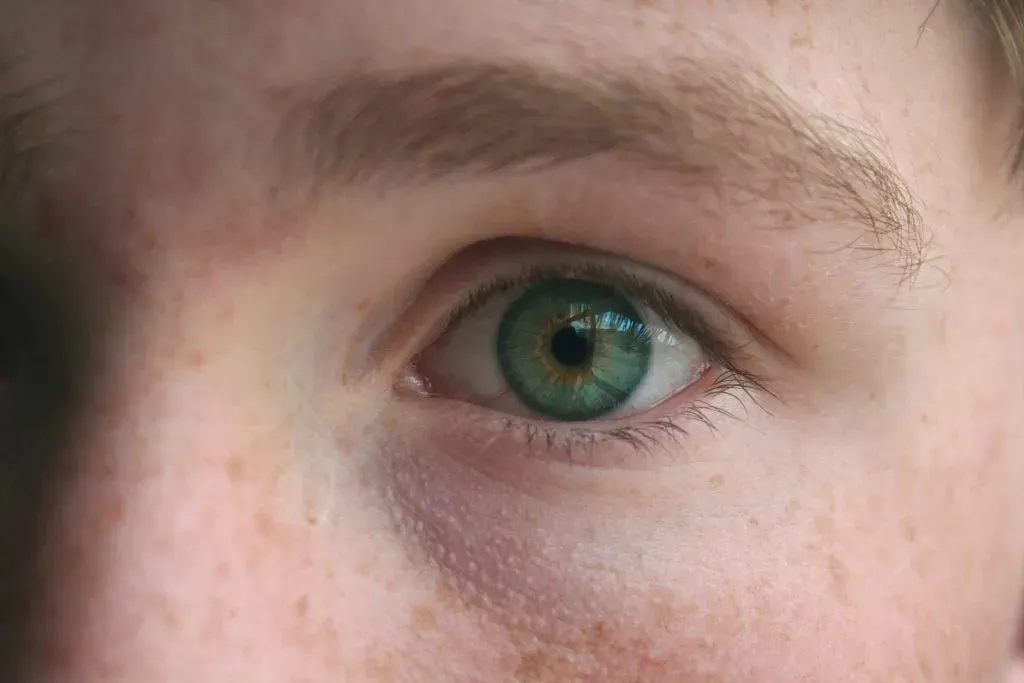
The fastest test is to look at the pattern rather than the colour. Melasma tends to appear as larger blotchy patches with soft, irregular outlines, and it is usually roughly symmetrical, with a similar patch in the same place on both sides of the face. Sun spots are individual marks with clear boundaries, each one separate from the next, with normal skin in between, and their distribution follows sun exposure rather than symmetry. If you can point at a defined edge, it is more likely a lentigo. If you find yourself gesturing at an area rather than pointing at a spot, it is more likely melasma.
Where each one appears is a strong clue
Melasma concentrates on the cheeks, the forehead, the upper lip and sometimes the chin and the bridge of the nose. Sun spots appear where sun lands cumulatively over years: the tops of the cheeks, the temples, the backs of the hands, the forearms, the chest and the shoulders. Pigmentation on the backs of your hands and your décolletage is almost never melasma. Symmetrical patches on both cheeks and the upper lip in a woman in her thirties or forties very often is.
Melasma is hormone-linked, which is why it fluctuates and relapses
Melasma is strongly associated with hormonal factors, including pregnancy, oral contraceptives and hormone replacement therapy, and it is more common in women and in people with deeper skin tones. That hormonal driver is why melasma waxes and wanes, why it often appears during pregnancy, and why it is best understood as a chronic, relapsing condition to be managed rather than a mark to be removed once. Sun spots have no hormonal component. They accumulate, they do not fluctuate, and once treated they do not come back unless new sun exposure creates new ones.
Heat matters for melasma, and this is the point most pages miss
Melasma is provoked by heat and by visible light, not only by ultraviolet radiation, which means treatments that deliver heat or intense light to the skin can worsen it. This is the critical clinical difference between the two conditions. Sun spots generally respond well to light-based treatment such as broadband light, and to peels. Melasma treated with the same aggressive light-based settings can rebound worse than it started. It is also why melasma can be aggravated by things that have nothing to do with sunbathing: hot yoga, saunas, cooking over a stove, even a long hot commute in summer.
What that means for how each one is treated
Sun spots are typically addressed with light-based treatment and medical-grade peels, and results are usually satisfying because the target is discrete and the condition does not relapse on its own. Melasma is approached far more conservatively, with gentle peels, careful microneedling, topical treatment and rigorous daily photoprotection, and with realistic framing that the goal is control rather than cure. If a clinic offers you the same laser protocol for both, they have not made the distinction, and you should ask them to.
Sunscreen advice differs between the two, genuinely
Everyone with either condition needs daily broad-spectrum sun protection, reapplied, all year, including in winter and on cloudy days in Ontario. For melasma specifically, a tinted mineral sunscreen containing iron oxides is a meaningful upgrade, because iron oxides block visible light and clear sunscreens largely do not. This is not a marketing distinction; visible light is part of the driver of melasma and blocking it changes outcomes. If you have melasma and you take one thing from this page, take that one.
The two other things it might be
Freckles, or ephelides, appear early in life, are genetically determined, darken with summer sun and fade in winter, which is a pattern neither melasma nor sun spots follow. Post-inflammatory hyperpigmentation is pigment left behind exactly where an injury, spot, rash or ingrown hair was, so its location matches the history rather than a sun-exposure or symmetry pattern. It usually fades over months with sun protection, and the priority is controlling the inflammation that caused it rather than treating the mark.
When to stop reading and get a medical opinion
Any pigmented mark that is changing, growing, asymmetric, has irregular or blurred borders, contains more than one colour, itches, bleeds or looks different from your other marks needs assessment by a physician or dermatologist, not a cosmetic treatment. Some skin cancers, including lentigo maligna, can look like an ordinary sun spot in their early stages. This is not a reason for alarm about every brown mark, and it is a firm reason not to laser something you have not had examined. Bradford Skin Clinic refers suspicious or changing lesions for physician assessment and does not remove them cosmetically.
How we work this out at consultation
We look at pattern, symmetry, distribution and edge definition, we ask about hormonal history, pregnancy, contraception and heat exposure, and we ask when the marks appeared and whether they change with the seasons. That conversation usually settles it, and it decides everything that follows, because a treatment plan built on the wrong identification will fail regardless of how good the device is.
Written at Bradford Skin Clinic & Medical Spa, Bradford, Ontario. This article is general information and is not a diagnosis. Clinically reviewed by Alex Dinovich, FNP-PHC, Nurse Practitioner and Medical Director.
03 · Accountability
Written here.
Checked here.
This guide was written by Bradford Skin Clinic and clinically reviewed by Alex Dinovich, FNP-PHC before it was published.
- Published
- Last updated
- Category
- Skin guides
A guide is general and your face is not. Nothing here replaces an assessment in the room, which is free and happens before anything is booked.
04 · From reading to the treatment room
What this looks
like in practice.
Published prices are starting prices, confirmed at your consultation. Where nothing is published, the dose and the plan decide the price rather than a menu.
- Medical-grade peels from $99
- BBL light therapy from $150
- Microneedling from $349
Every injectable here is placed by a licensed nurse, and every plan is signed off by our Medical Director. The consultation is free and comes before anything is booked.

 Medical-grade peelsTreatment
 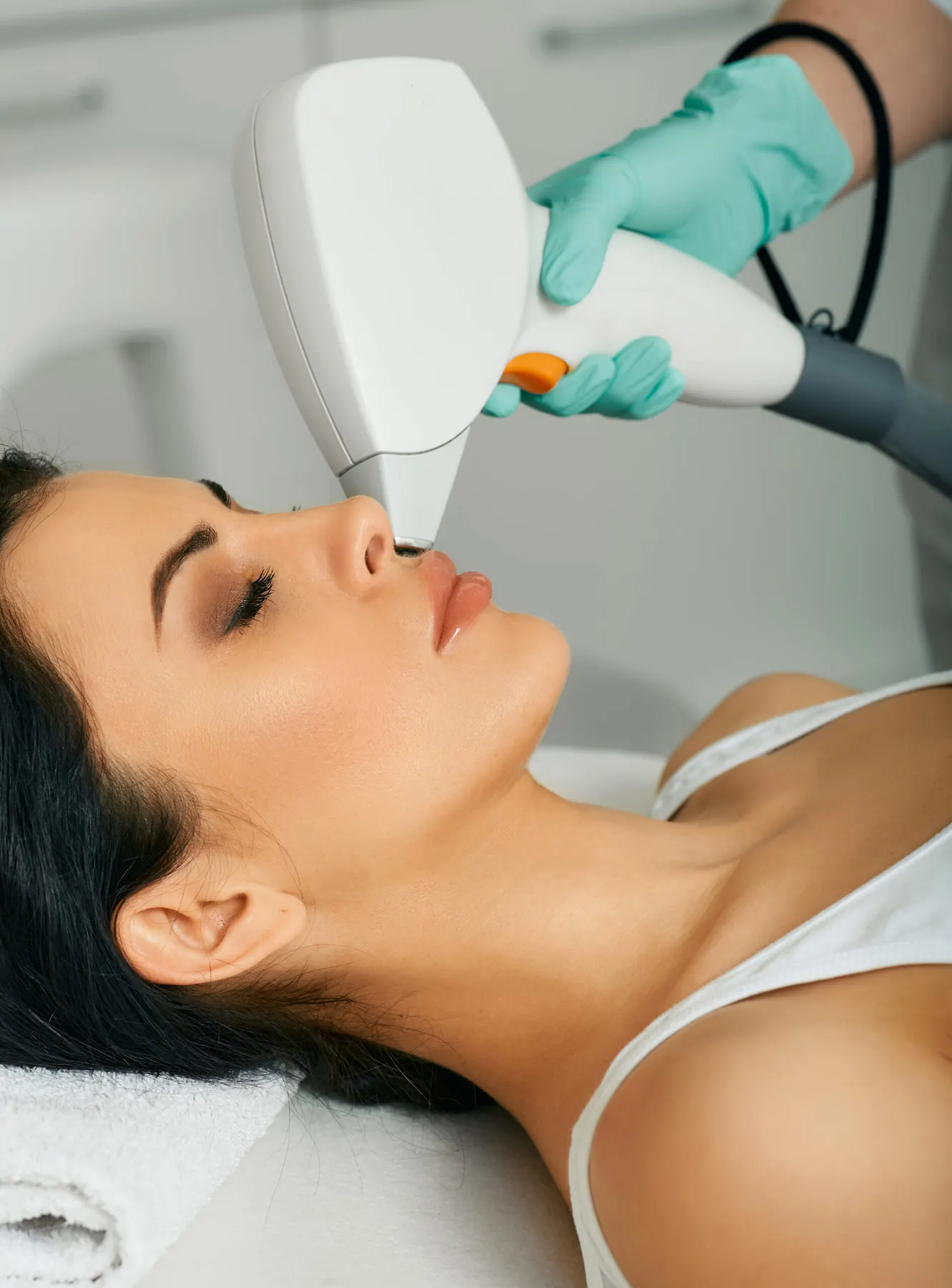 BBL light therapyTreatment
  MicroneedlingTreatment
  MelasmaConcern PigmentationConcern Sun DamageConcern
 05 · Who performs these treatments
The people behind
the writing.
Nobody here injects without a nursing licence. The guides on this site are written by the same people who carry out the treatments they describe.






06 · Asked and answered
The questions
that follow.
What is the quickest way to tell melasma from sun spots?
Look at symmetry and edges. Melasma is usually symmetrical, patchy and blotchy with irregular borders across the cheeks, forehead or upper lip. Sun spots are discrete, individual, evenly coloured and separated by normal skin.
Will laser make my melasma worse?
It can. Melasma is provoked by heat as well as by light, so aggressive light-based and heat-based treatments can worsen it even when they are used correctly on other kinds of pigmentation. This is the single most important difference between the two conditions.
Do sun spots respond well to treatment?
Generally yes. Discrete sun-induced pigmentation typically responds well to light-based treatment and to peels, and it does not have the relapsing hormonal driver that makes melasma a long-term management problem.
Does melasma go away on its own?
Sometimes it fades substantially, particularly when it started in pregnancy or with a hormonal medication that is later stopped. More often it is a chronic, relapsing condition that is managed rather than cured, and stopping sun protection reliably brings it back.
Why is a tinted mineral sunscreen recommended for melasma?
Because melasma is driven by visible light as well as by UV, and iron oxides in tinted mineral sunscreens block visible light in a way that clear sunscreens do not. If you have melasma, a tinted formulation is a meaningful upgrade rather than a cosmetic preference.
Are freckles the same as sun spots?
No. Freckles usually appear early in life, are genetically determined, darken in summer and fade in winter. Sun spots appear with cumulative sun exposure over years and do not fade seasonally.
What if the mark appeared after a spot or a scratch?
Pigmentation that appears exactly where an injury, spot or rash was is post-inflammatory hyperpigmentation, a third category again. It usually fades over months with sun protection, and the priority is controlling whatever caused the inflammation.
When should a pigmented mark be checked by a doctor?
Any pigmented lesion that is changing, growing, asymmetric, has irregular or blurred borders, contains more than one colour, itches or bleeds should be assessed by a physician or dermatologist. We refer these rather than treating them cosmetically.