Medical-grade peels
Skin & laser
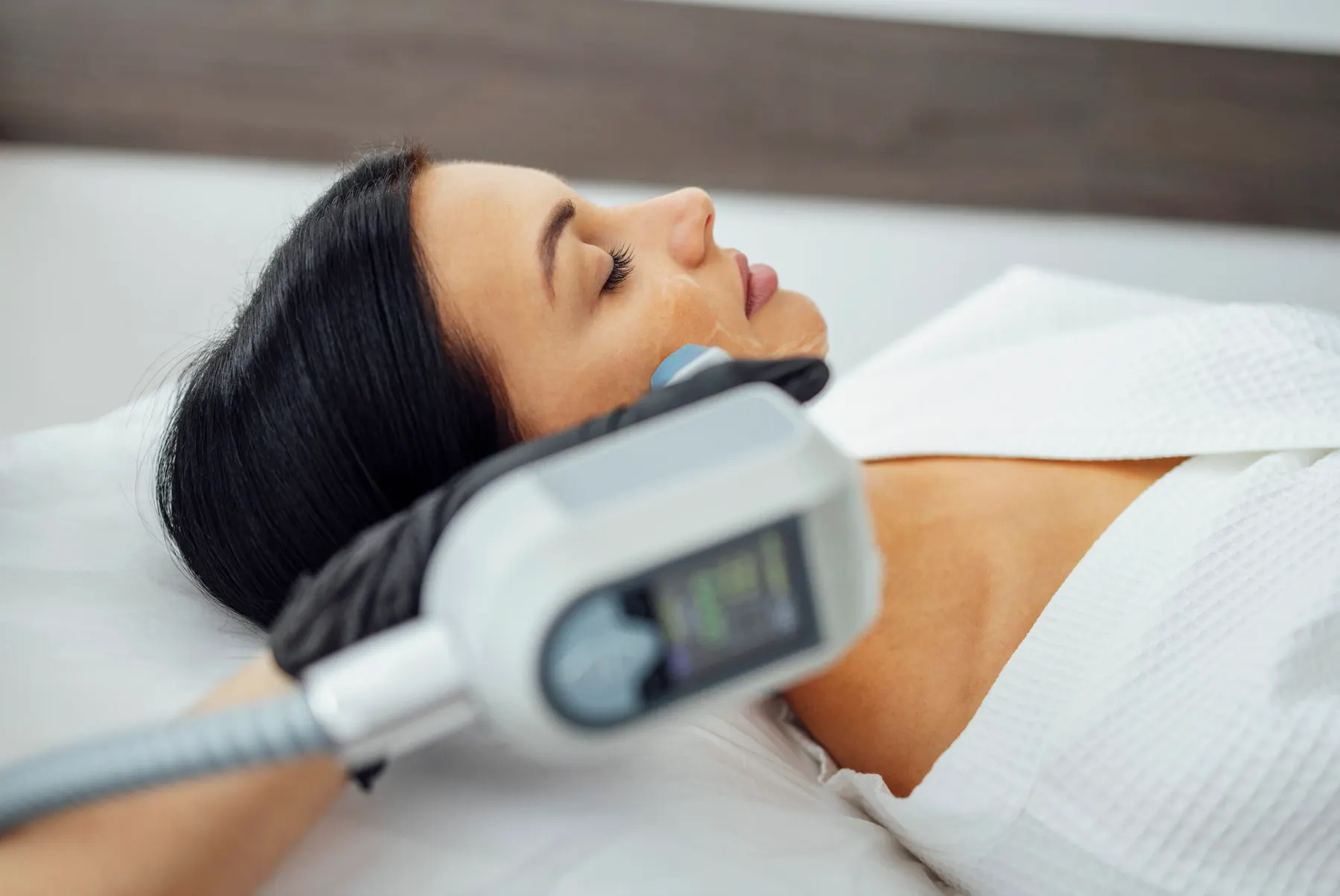
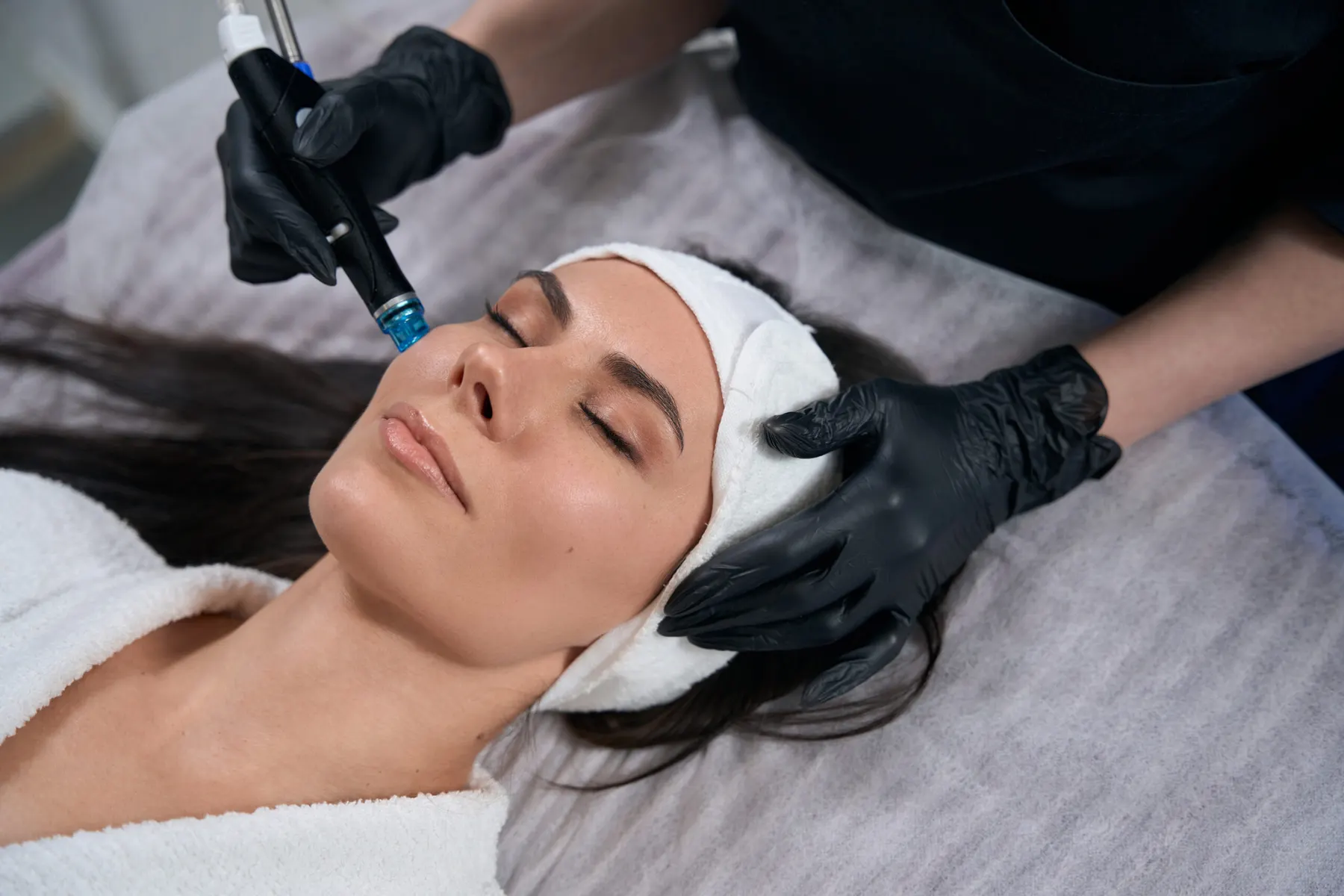
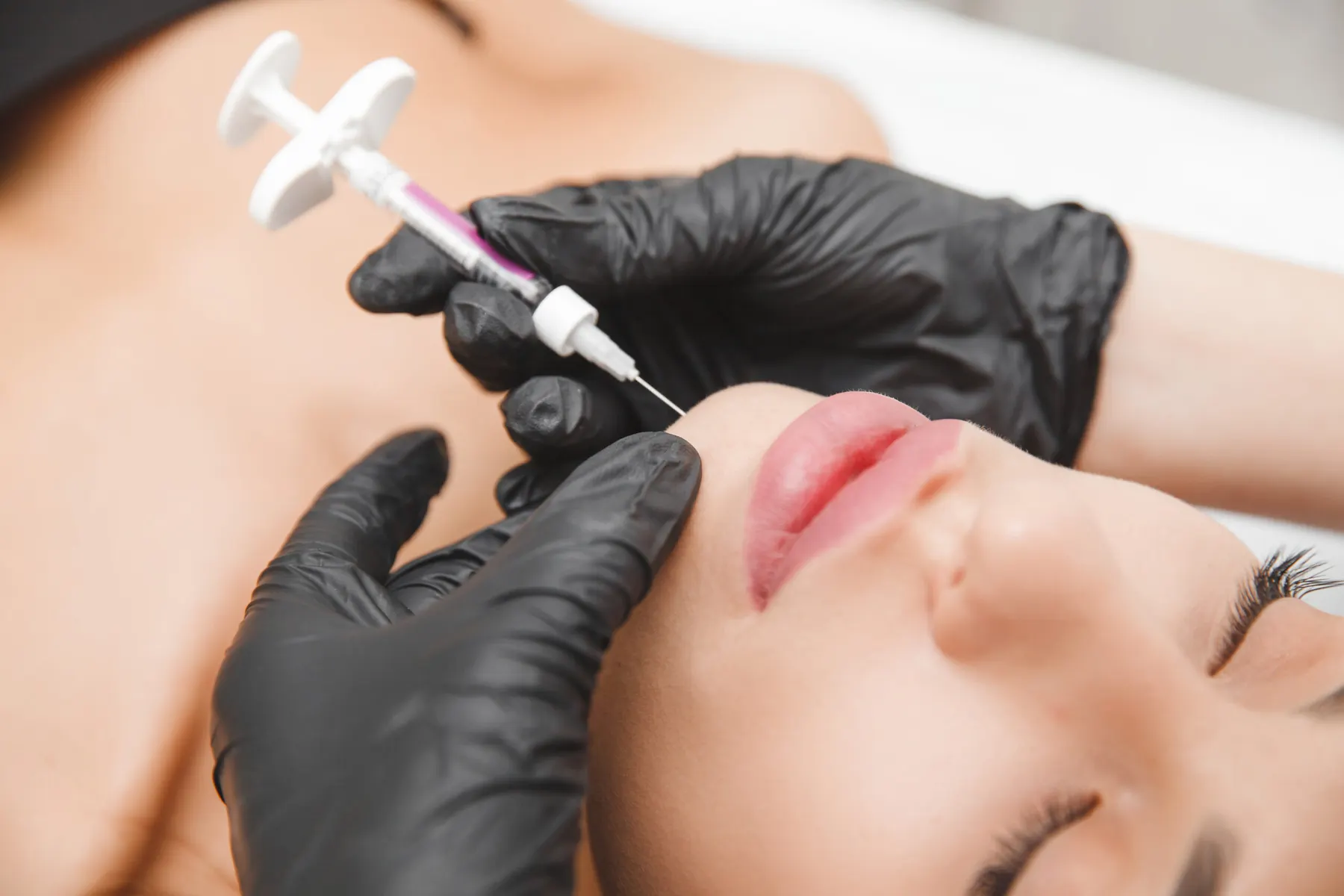
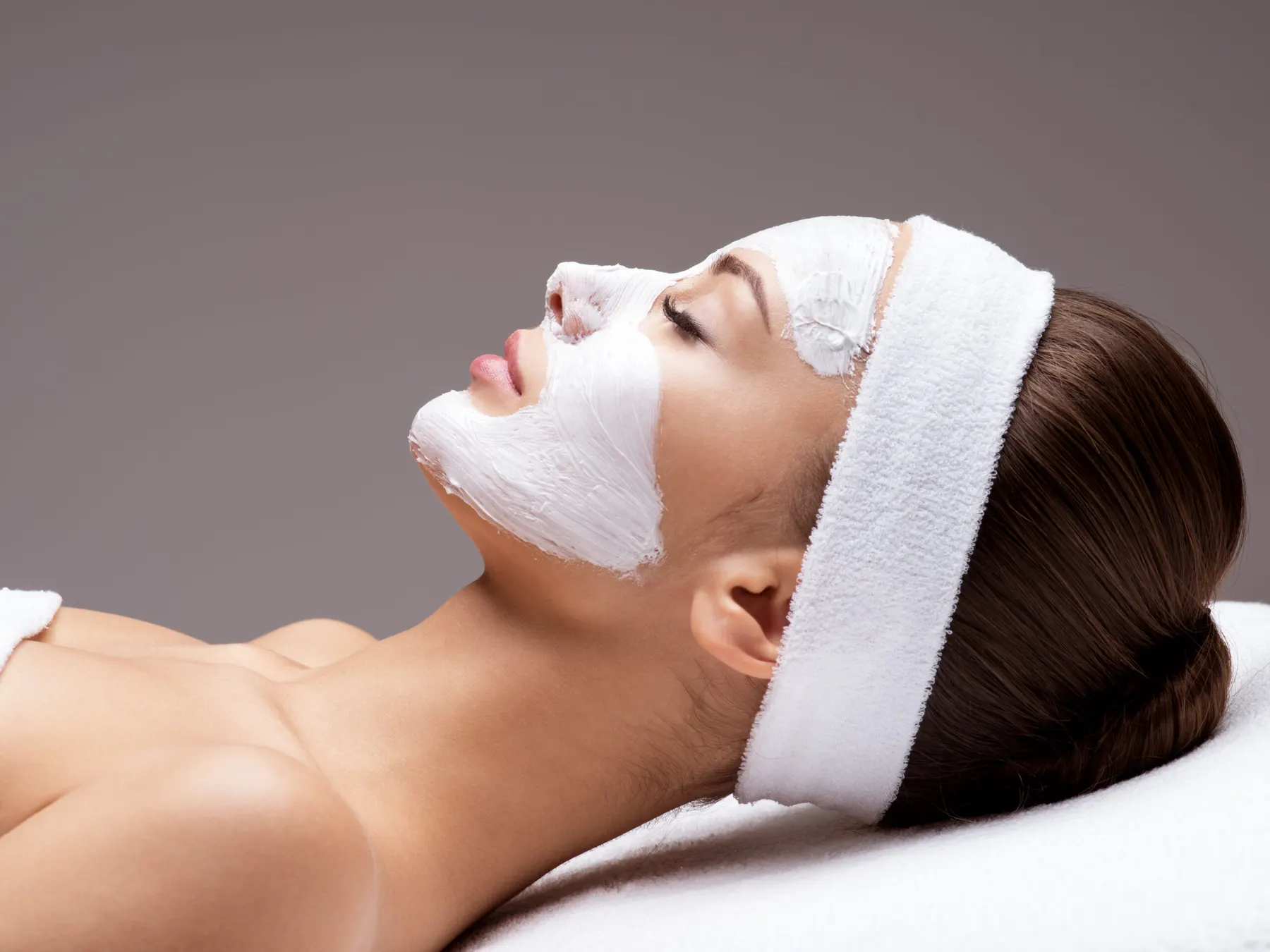
Chemical solutions applied at a controlled strength and depth to shed damaged skin, chosen for your concern rather than sold as a single signature peel.
from $99 About Medical-grade peels →

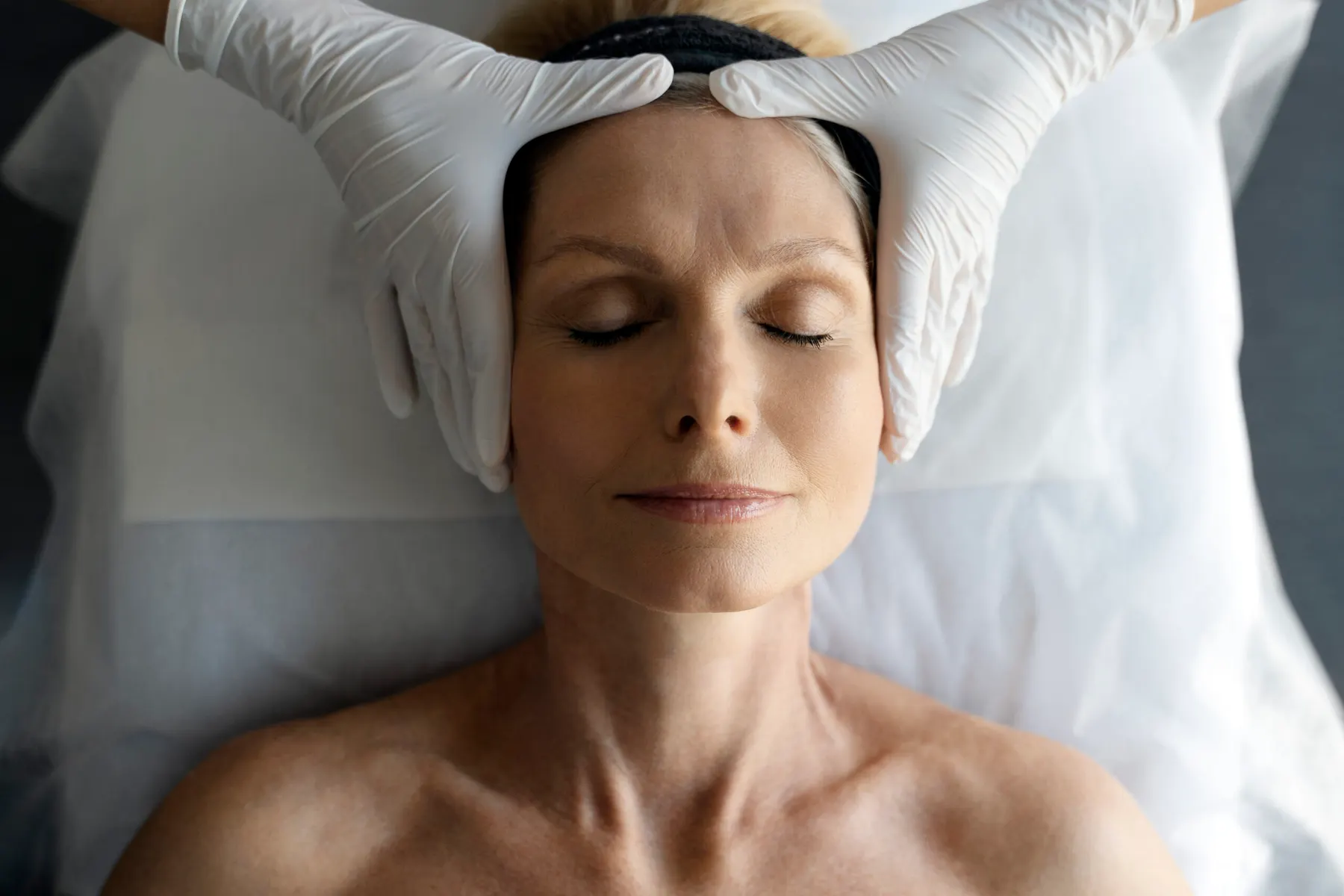
Melasma is a chronic pigmentary condition producing symmetrical brown or grey-brown patches, most often across the cheeks, forehead, upper lip and jaw, driven by a combination of hormones, ultraviolet light, visible light and heat; it is managed and kept faded rather than cured, and it can be made worse by aggressive light or heat-based treatment.
02 · The honest version
Symmetrical hormonal pigmentation across the cheeks, forehead and upper lip, and why it needs a gentler approach than other dark patches.

Every face is different. This page is the general picture. What is actually happening on your skin is something a nurse should look at up close, in clinic light, before anyone recommends a treatment.
Does it get worse? That depends on the concern and on you. It is a reason to start early, not a reason to panic - and we will tell you plainly where you are rather than where a treatment plan would be easiest to sell.
If you have been treated for melasma as though it were a collection of sun spots, and it came back worse, this section explains why.
Melasma is a chronic pigmentary condition in which the melanocytes, the pigment-producing cells, become hypersensitive and overactive in specific areas. It produces symmetrical patches, usually across both cheeks, the forehead, the upper lip and sometimes the jawline. The symmetry is one of the giveaways: sun damage is scattered and random, melasma is patterned and matched on both sides.
The pigment in melasma can sit in the upper layers of the skin, deeper in the dermis, or both, and the depth affects how it responds to treatment. Deeper pigment is considerably more stubborn.
Ultraviolet light is the obvious one. Even brief, incidental exposure, the walk from the car to the office, counts.
Visible light is less well known and matters a great deal in melasma specifically. High-energy visible light, including daylight through a window, penetrates the skin and stimulates pigment production in melasma-prone skin. Standard clear sunscreens filter ultraviolet but do very little about visible light, which is why a tinted mineral formulation containing iron oxides is the better choice here.
Heat is the one that surprises people. Infrared heat can provoke melasma independently of any light exposure. Cooking over a stove, hot yoga, saunas, steam rooms and long hot showers are all realistic triggers. If your melasma flares in ways that seem unrelated to sun exposure, heat is often the missing variable.
This is the clinical nuance that matters most, and it is the reason we keep this page separate from our general pigmentation page.
Light-based treatments such as intense pulsed light and many lasers work by delivering energy that is absorbed by melanin and converted to heat. On sun spots that works well: the pigment is cleared and does not return if the skin is protected.
In melasma, that same heat is a trigger. The melanocytes are already hypersensitive, and heating them can provoke a rebound in which the skin produces more pigment than it started with. People frequently see a good result for a few weeks followed by a return that is darker and more extensive than the original. Once that has happened, it is harder to treat than it was at the outset.
So the guiding principle in melasma is restraint. Less heat, less inflammation, slower and steadier progress.
Rigorous photoprotection first. A tinted mineral sunscreen with iron oxides, worn daily and reapplied, plus practical heat avoidance. This is not the boring preamble to the real treatment. It is the treatment, and nothing else we do will hold without it.
Medical-grade peels, chosen conservatively. Superficial peels can lift epidermal pigment and accelerate turnover without the thermal injury that provokes rebound. Depth and formulation are selected for your skin type, and we build up gradually rather than starting strong.
Microneedling, used carefully. Its value in melasma is largely in improving penetration of topical agents rather than in the needling itself, and it works without heat. Depth and frequency are kept conservative because excessive inflammation is its own trigger.
HydraFacial to support barrier health and keep the skin calm, which matters because irritated skin pigments more readily.
Topical and prescription support. Agents that interrupt melanin production are central to long-term melasma management, and some of the most useful are prescription-only. Our Medical Director, Alex Dinovich, FNP-PHC, is a Nurse Practitioner and an authorised prescriber, so that discussion happens here as part of your plan.
Naturopathic input with Dr. Erica Vriend, ND, may be appropriate where hormonal factors are clearly involved.
We will not use an aggressive heat- or light-based device on active melasma because it produces a fast result that we know may not hold. If you came in asking for a laser and we recommend something slower, that is why.
04 · What we actually offer
These are the ones we use for melasma. Not every face needs all of them, and we will say so. The goal in every case is the same: treat the cause, not the photograph.
Skin & laser
Chemical solutions applied at a controlled strength and depth to shed damaged skin, chosen for your concern rather than sold as a single signature peel.
Skin & laser
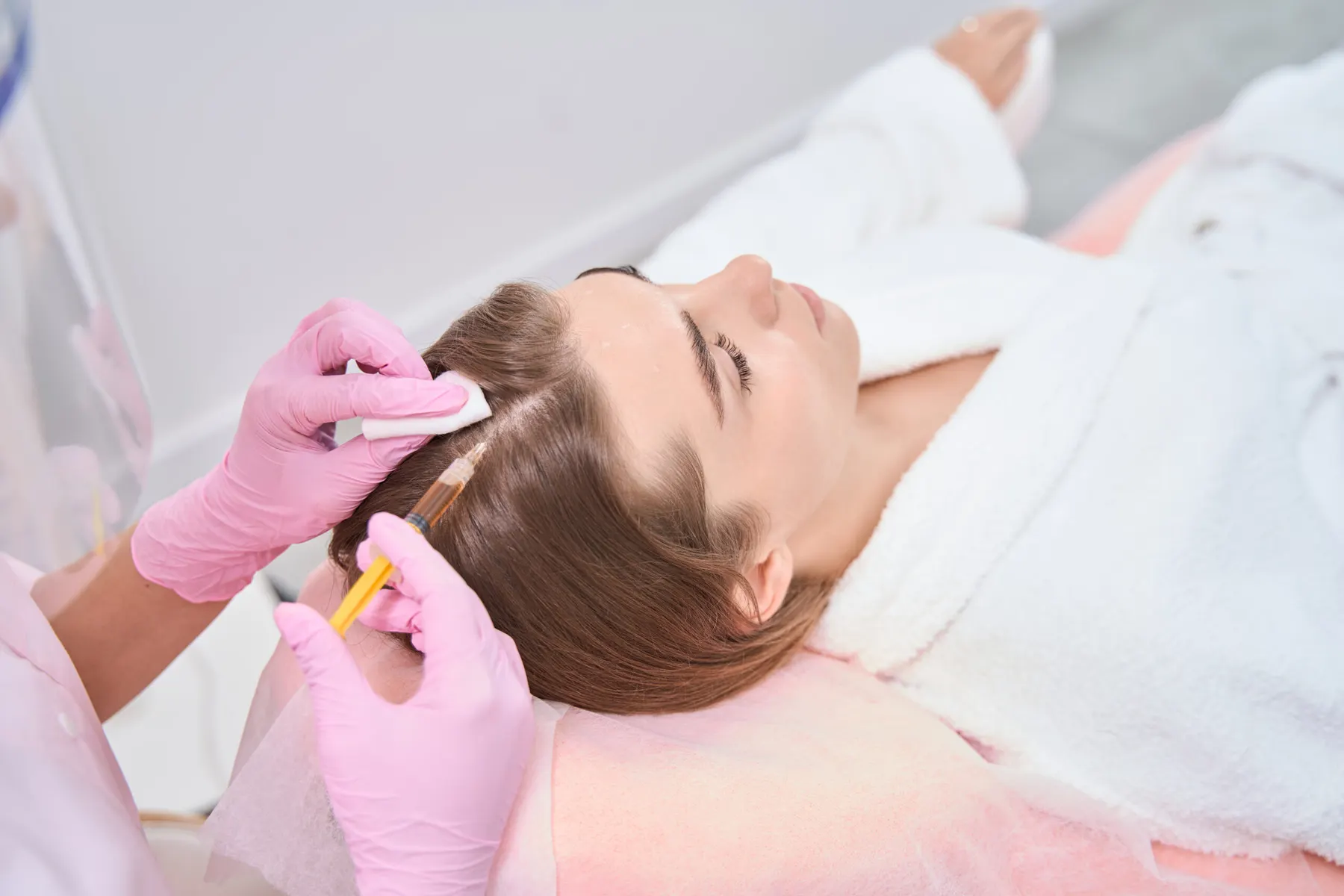
Sterile needles creating thousands of controlled micro-channels so the skin repairs itself with new collagen, at a depth chosen for your concern.
Skin & laser
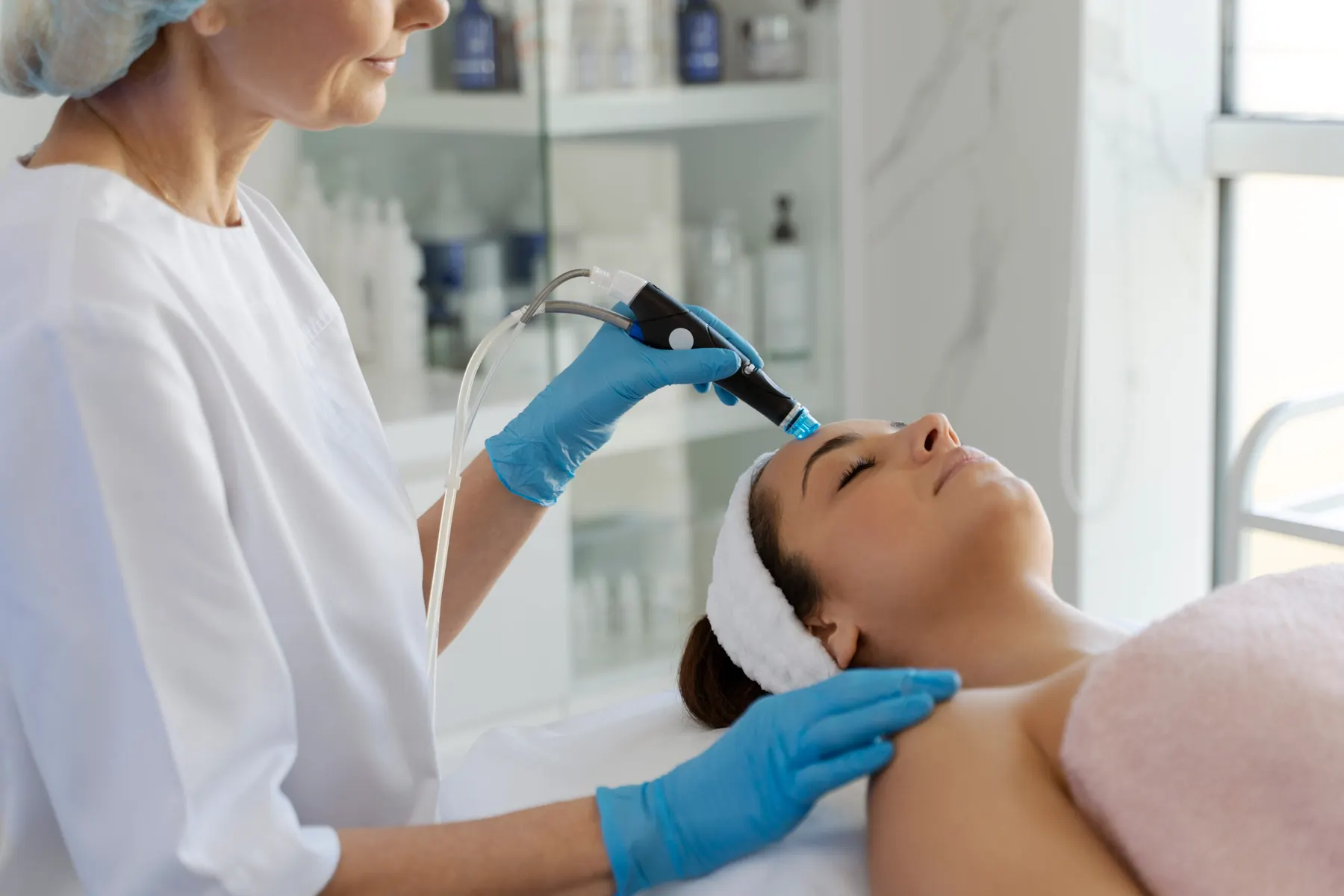
A device-led facial that cleanses, exfoliates, extracts with suction and infuses serums in one pass, with no recovery period afterwards.
Wellness
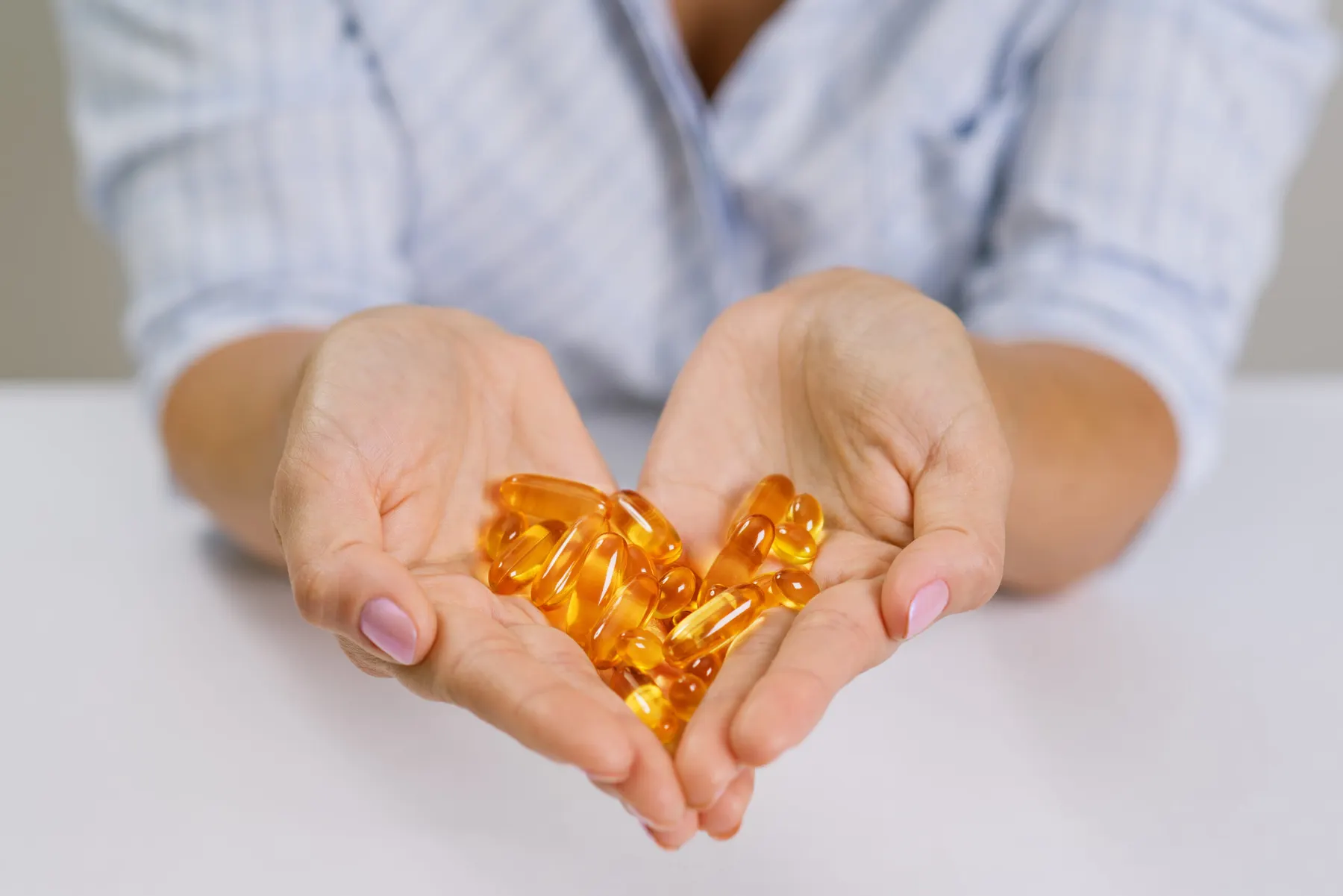
Naturopathic assessment and care with Dr. Erica Vriend, ND, working alongside our clinical team where skin, hormones and nutrition overlap.
Every plan is personalised. Which of these you need, in what order and how often, is decided after a nurse has looked at your skin - not before. We will also tell you when a treatment is wrong for you, and we say it before you book.
05 · What actually happens
If you have been putting this off, this section is for you. A consultation costs you nothing and commits you to nothing - you are allowed to walk out having booked absolutely nothing.
She is the one who answers the phone and the texts, so you will already have spoken to her. No clipboard interrogation in the waiting room.
In clinic light, up close, with your makeup off if you are wearing any. This is the part people dread and it takes about a minute.
When it happens, what you had noticed before it happened, what you have already tried and what made it worse. Bring your current products if it is easy.
What we would do, in what order, and what it costs - including the option of doing nothing yet. If a treatment is wrong for you, we say so here, not after.
Nothing is booked in the room unless you want it booked. No deposit, no pressure, no offer that expires on Friday.
Always so kind and personal. Took the extra time to make sure I was comfortable.
06 · Straight answers
The questions people actually ask us on the phone, answered the way we answer them on the phone.
Because heat provokes it. Most pigmentation responds well to light-based treatment that heats and clears the pigment, but melanocytes in melasma are hypersensitive and can respond to that same heat by producing more pigment, causing a rebound that leaves the skin worse than before. This is why we treat melasma as a distinct condition rather than lumping it in with sun spots, and why aggressive lasers and intense pulsed light are approached with real caution or avoided.
No. Melasma is a chronic, relapsing condition, and the honest framing is that it is faded and then kept faded. The melanocytes involved remain hypersensitive even when the surface pigment has cleared, which is why it returns when protection lapses or hormones shift. What is achievable is a substantial and sustained reduction in how visible it is, with a maintenance routine that keeps it that way.
Both, and separating them is not really possible. Hormonal change appears to prime the melanocytes to be over-responsive, and ultraviolet light, visible light and heat are then the triggers that make them produce pigment. This is why melasma so often begins during pregnancy or after starting a hormonal contraceptive, and why it then flares every summer regardless of what your hormones are doing.
It sometimes fades substantially in the months after delivery, particularly if it appeared for the first time during pregnancy, but it frequently persists and it commonly recurs. If you are pregnant or breastfeeding, several treatment options are not appropriate, so the priority is rigorous sun and heat protection and a routine that is safe for you. We will discuss what is and is not suitable at your consultation.
It makes more difference than any single other thing you can do, and it is genuinely non-negotiable with melasma. Because visible light contributes as well as ultraviolet, a tinted mineral sunscreen containing iron oxides offers better protection for melasma specifically than a clear chemical sunscreen. It needs to be worn daily, indoors as well as out, and reapplied through the day.
Because infrared heat is a trigger independently of light. Standing over a hot stove, hot yoga, saunas, steam rooms and even prolonged hot showers can all raise skin temperature enough to provoke pigment production in melasma-prone skin. Most people have never been told this, and for some it explains a flare pattern that otherwise makes no sense.
It can have a role, used conservatively, largely because it improves the delivery of topical agents into the skin and works without the heat that causes rebound. It is not a first-line treatment on its own, and depth and frequency need to be chosen carefully, because excessive inflammation is itself a trigger. Your clinician will judge whether it fits your skin and your pattern.
A meaningful reduction in how visible the patches are, achieved gradually and held with ongoing maintenance. What we will not tell you is that it will be gone in a set number of sessions, because melasma does not work that way and any clinic quoting you that number is guessing. We would rather you understood the long game before you start.
Where this comes from
We would rather you did not take our word for any of this. These are the sources behind what is written above, and none of them are ours.
07 · Often confused, often alongside
Concerns are regularly mistaken for one another - and they rarely turn up entirely alone. These are the ones that sit closest to it.
08 · The next step is small
A melasma consultation costs you nothing and commits you to nothing. You will leave knowing what your skin is doing, what we would do about it, and what it would cost - whether or not you book anything.
Bring three things. Whatever you are currently putting on your face, a rough idea of when it is at its worst, and any questions you have written down. That is genuinely all the preparation we need.
Makeup is fine either way. If it is easier to arrive with it on, arrive with it on - there is a mirror and a cleanser in the room.
We answer during clinic hours, usually within the hour.
647-333-6805 Open messagesOn a desktop? Save the number and text from your phone.