Skin guides
Why laser season starts in the autumn
Ontario clinics fill their laser diaries between October and March, and it is not a marketing calendar. Sun exposure changes both the safety and the result.
 Alex Dinovich, FNP-PHCClinically reviewed
Every clinic in Ontario says the same thing in September, and it sounds like a marketing calendar. It is not. The reason laser and light treatments cluster in the colder half of the year is physical, and it is worth understanding, because it also tells you what to book now and what to leave until spring.
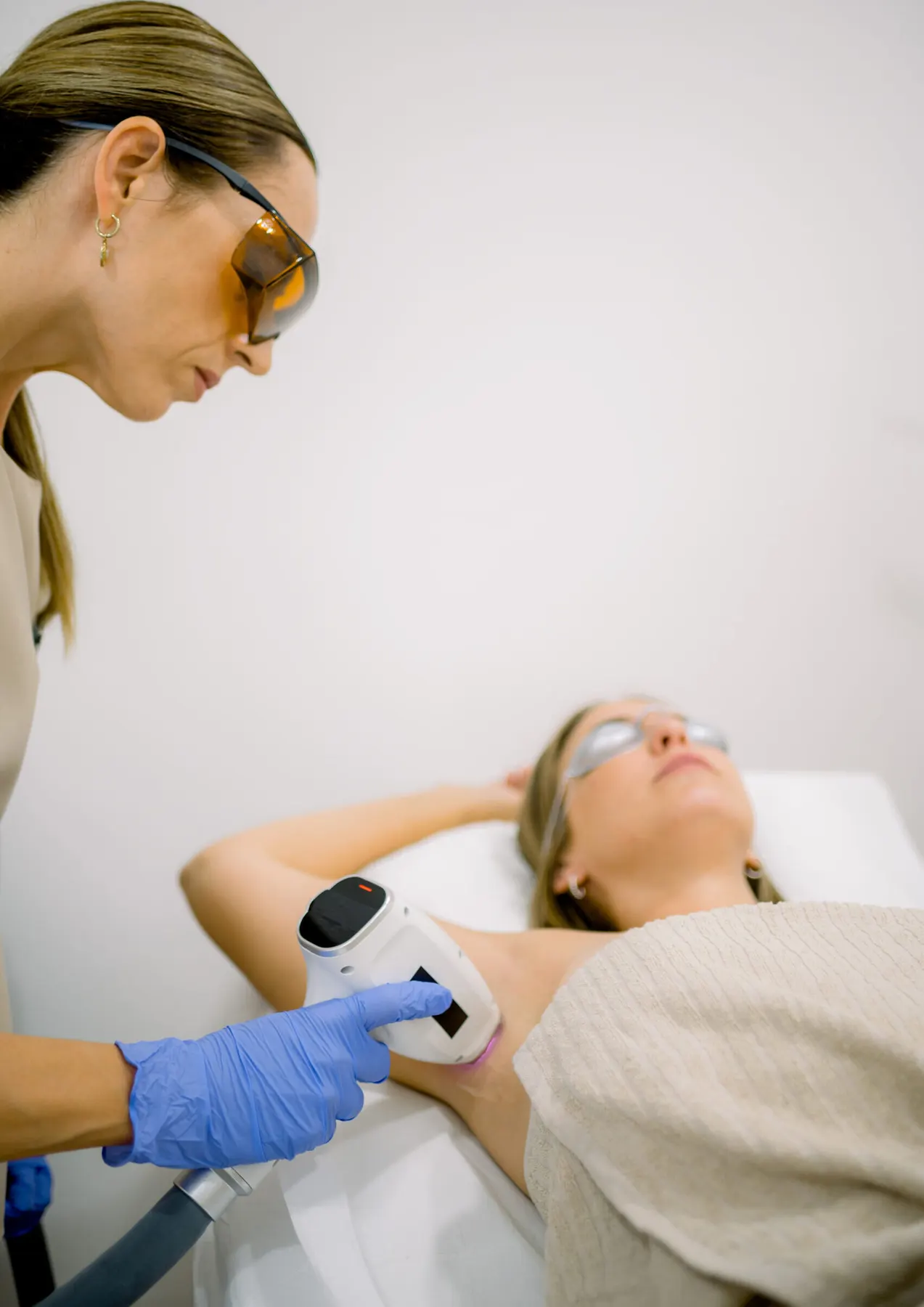
Light-based treatments and sunlight compete for the same target
Most light-based treatments work by delivering energy that is absorbed by pigment. Laser hair removal targets the melanin in the hair. Devices used for sun damage target the pigment in the skin. That mechanism is the whole point, and it is also the problem, because sunlight raises pigment activity in the skin generally.
Treating skin with recently raised pigment activity means the energy is less selective. That reduces the result, because less of it reaches the intended target, and it raises the risk of the two outcomes nobody wants: burns and post-inflammatory pigmentation.
A tan you cannot see still counts
This is the part people find hardest to accept. Recent sun exposure matters even after the visible tan has faded, because the underlying pigment activity takes longer to settle than the colour takes to go. It is why we ask what you have been doing for the last several weeks rather than judging by how you look on the day.
The same applies to self-tan, for a different reason. That pigment sits on the surface, absorbs energy where it was never meant to, and is a straightforward burn risk. It has to be off, properly, not mostly.
Skin tone changes the calculation, and it should be discussed openly
The risk of post-inflammatory pigmentation is higher in deeper skin tones, and that changes device choice, settings, preparation and the interval between sessions. It does not mean these treatments are unavailable. It means the plan is different, and a clinic that does not raise this with you before treating is not planning carefully enough.
Autumn and winter help here too, because the lower baseline of sun exposure gives more room to work safely.
The recovery is easier when you are covered up anyway
Beyond the physics, there is the practical half. Treatments that resurface the skin need genuine sun avoidance afterwards, and that is a considerable ask in July. In November it is close to automatic, because you are indoors, covered and the sun is weaker.
Recovery is also less visible in the colder months for the obvious social reasons, which is why the diary fills.
What to book now, and what to leave
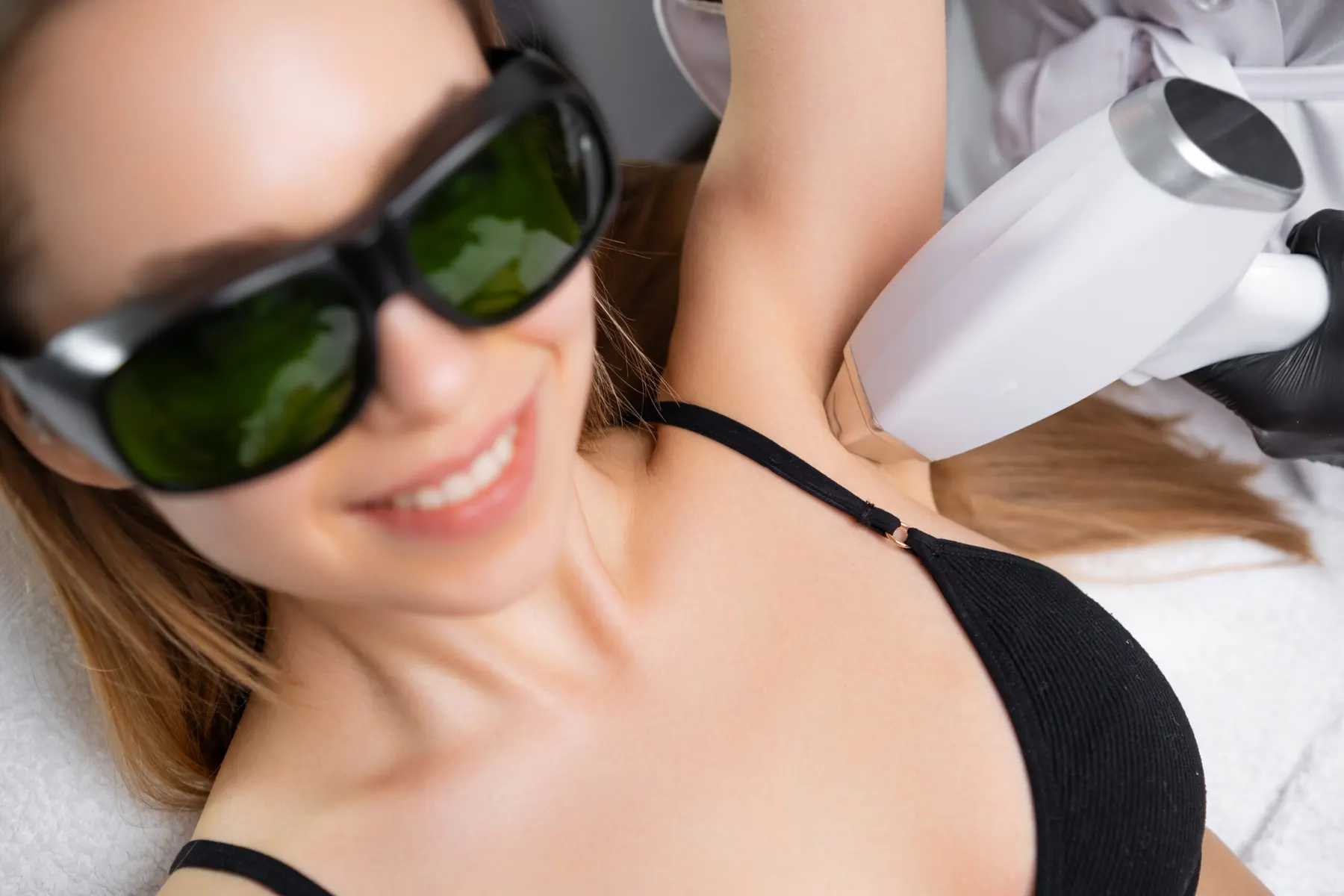
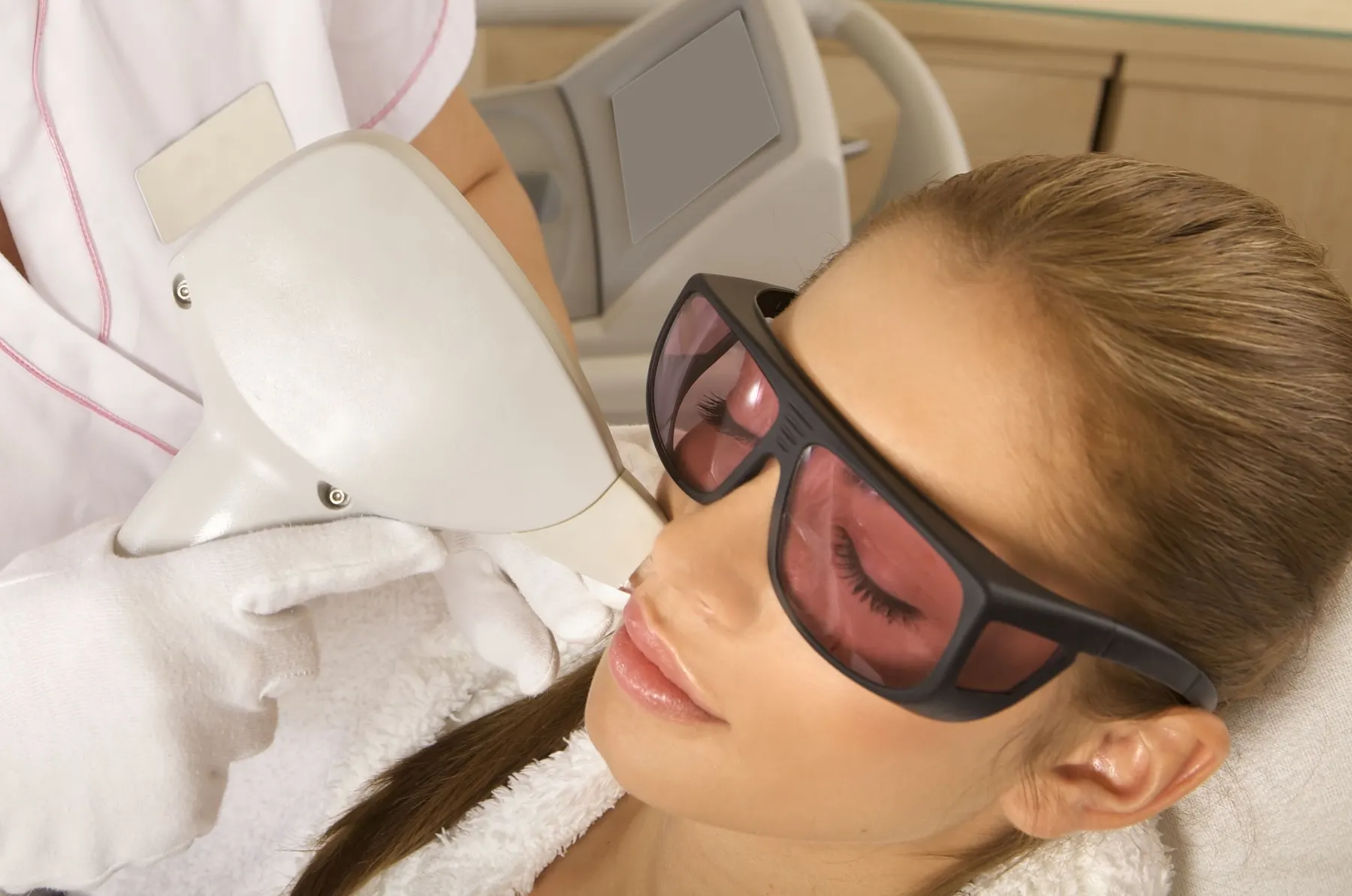
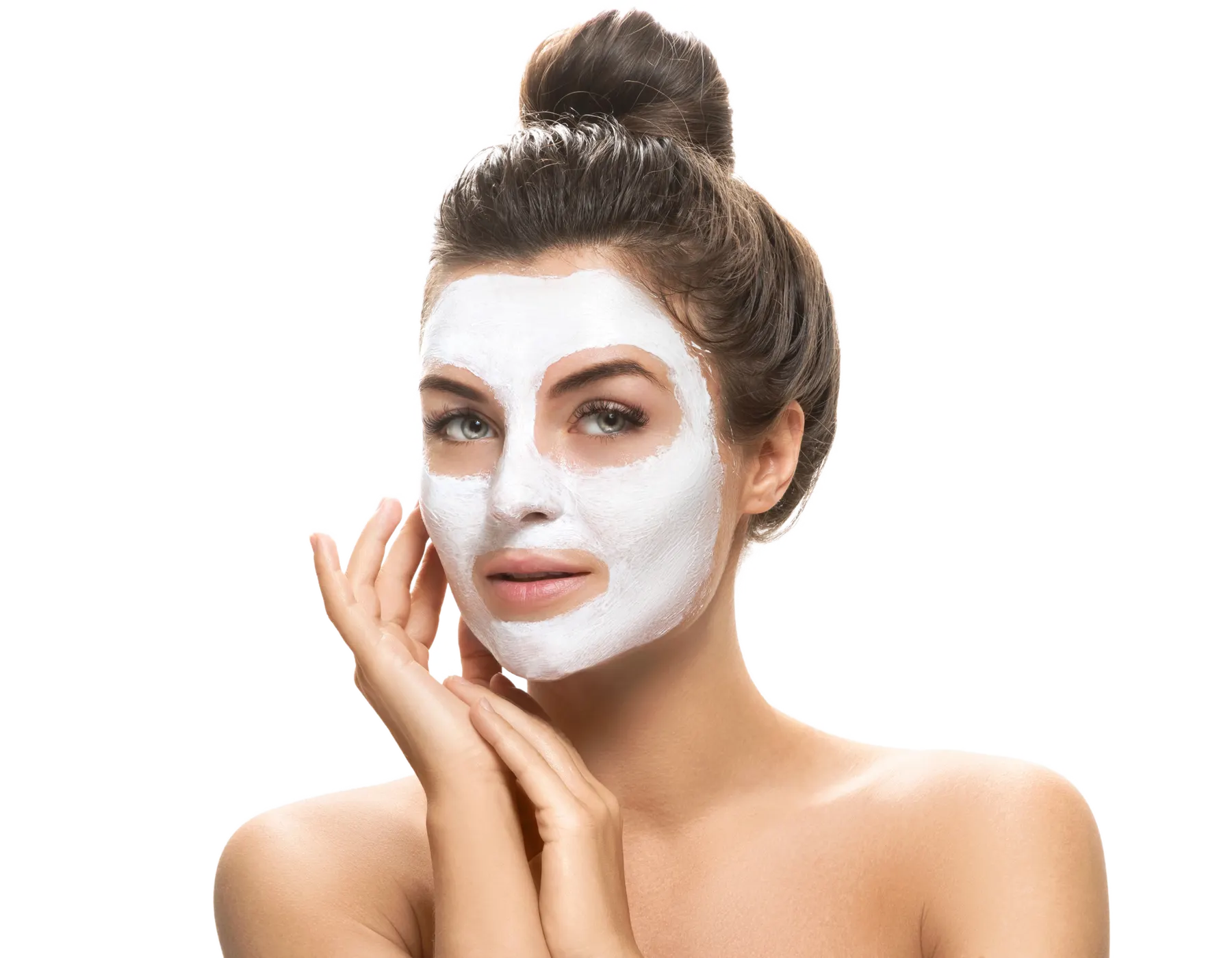
Autumn is the sensible time to start a laser hair removal course, because a full course takes several sessions spread over months and you want it finished before the summer rather than starting then. It is also the right window for resurfacing, for treating sun damage accumulated over the summer, and for medical-grade peels.
What to leave until later is anything you would have to interrupt for a holiday. Tell us about travel before the plan is made, not after the course is paid for, because it changes the sequence and sometimes the device.
Sunscreen is part of the treatment, not advice afterwards
This is the least glamorous section on the page and the one that determines the result. Using protection consistently after a light-based treatment is what protects the outcome, not just the skin. Post-inflammatory pigmentation is the single most common way a technically good treatment ends up looking disappointing, and it is largely preventable.
If sunscreen is a habit you have never quite formed, starting it several weeks before a course is more useful than starting it on the day.
The one thing worth doing before you book anything
Have the assessment. Which device suits you depends on your skin tone, what you are actually treating and what your next six months look like, and those three things together will change the recommendation more than any comparison article can. It is free, and if the honest answer is that you should wait until you are back from somewhere sunny, we will tell you that instead.
03 · Accountability
Written here.
Checked here.
This guide was written by Bradford Skin Clinic and clinically reviewed by Alex Dinovich, FNP-PHC before it was published.
- Published
- Last updated
- Category
- Skin guides
A guide is general and your face is not. Nothing here replaces an assessment in the room, which is free and happens before anything is booked.
04 · From reading to the treatment room
What this looks
like in practice.
Published prices are starting prices, confirmed at your consultation. Where nothing is published, the dose and the plan decide the price rather than a menu.
- Laser hair removal from $30
- CO2 resurfacing from $1,199
- BBL light therapy from $150
- Medical-grade peels from $99
Every injectable here is placed by a licensed nurse, and every plan is signed off by our Medical Director. The consultation is free and comes before anything is booked.

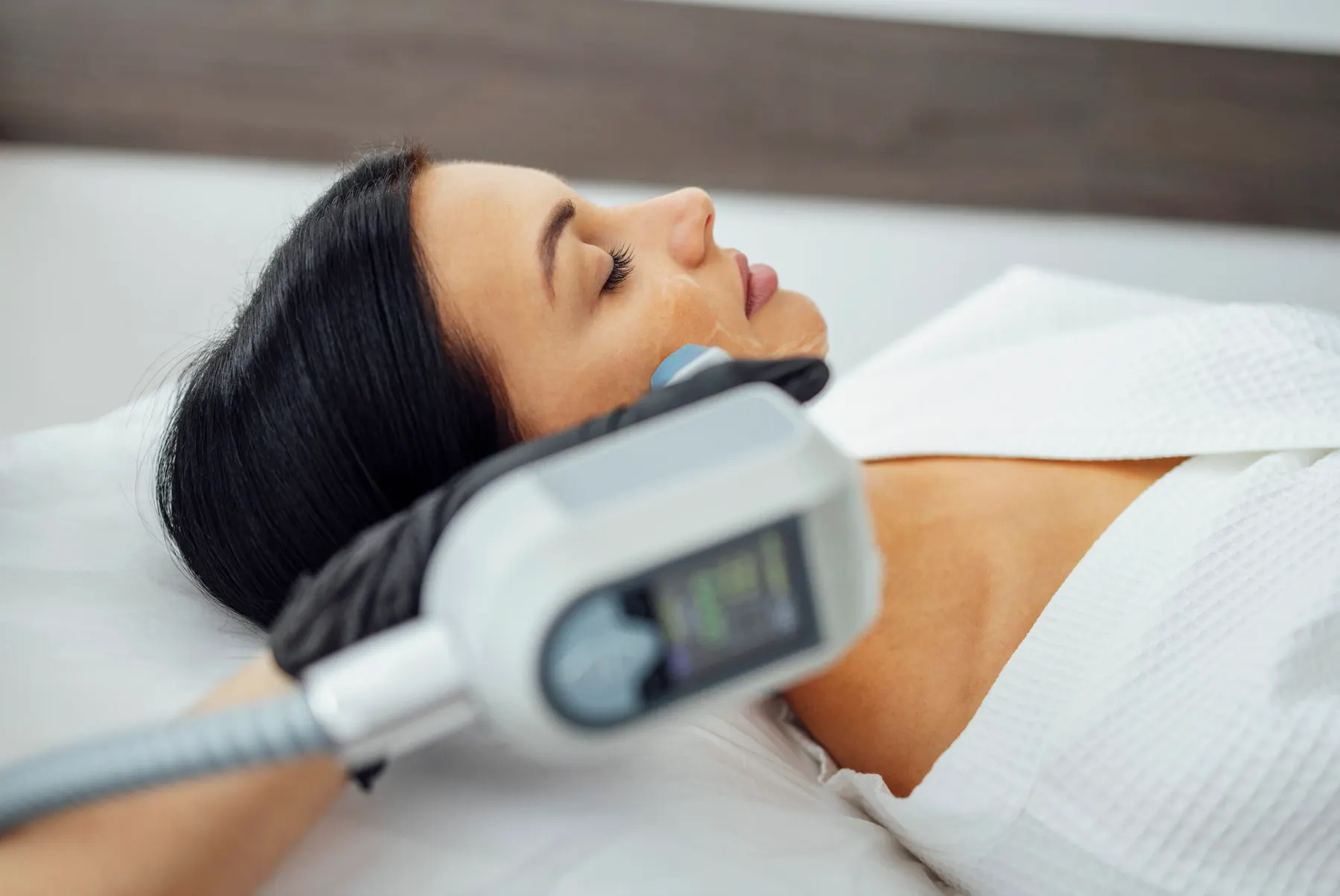
 Laser hair removalTreatment
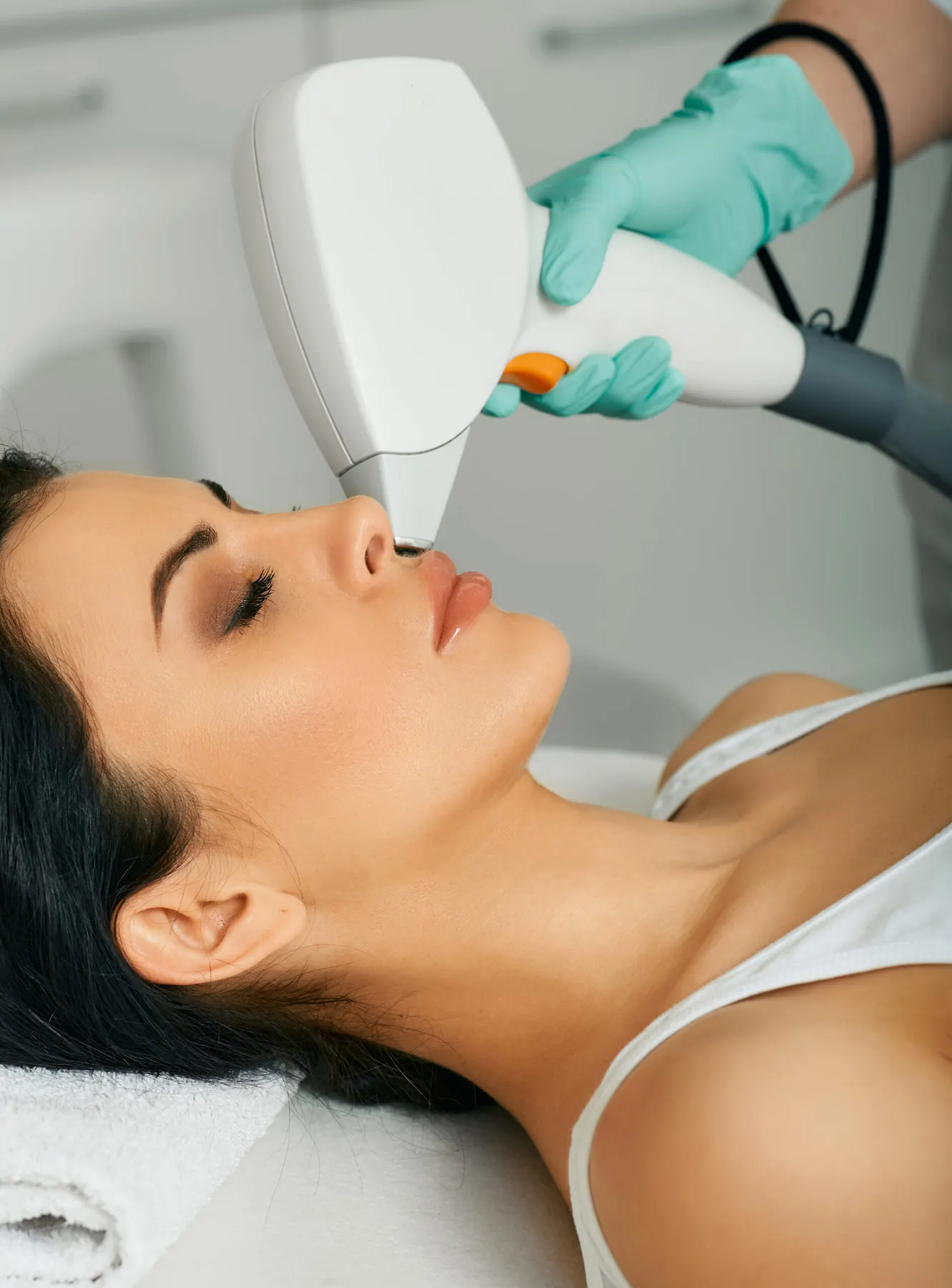
  CO2 resurfacingTreatment
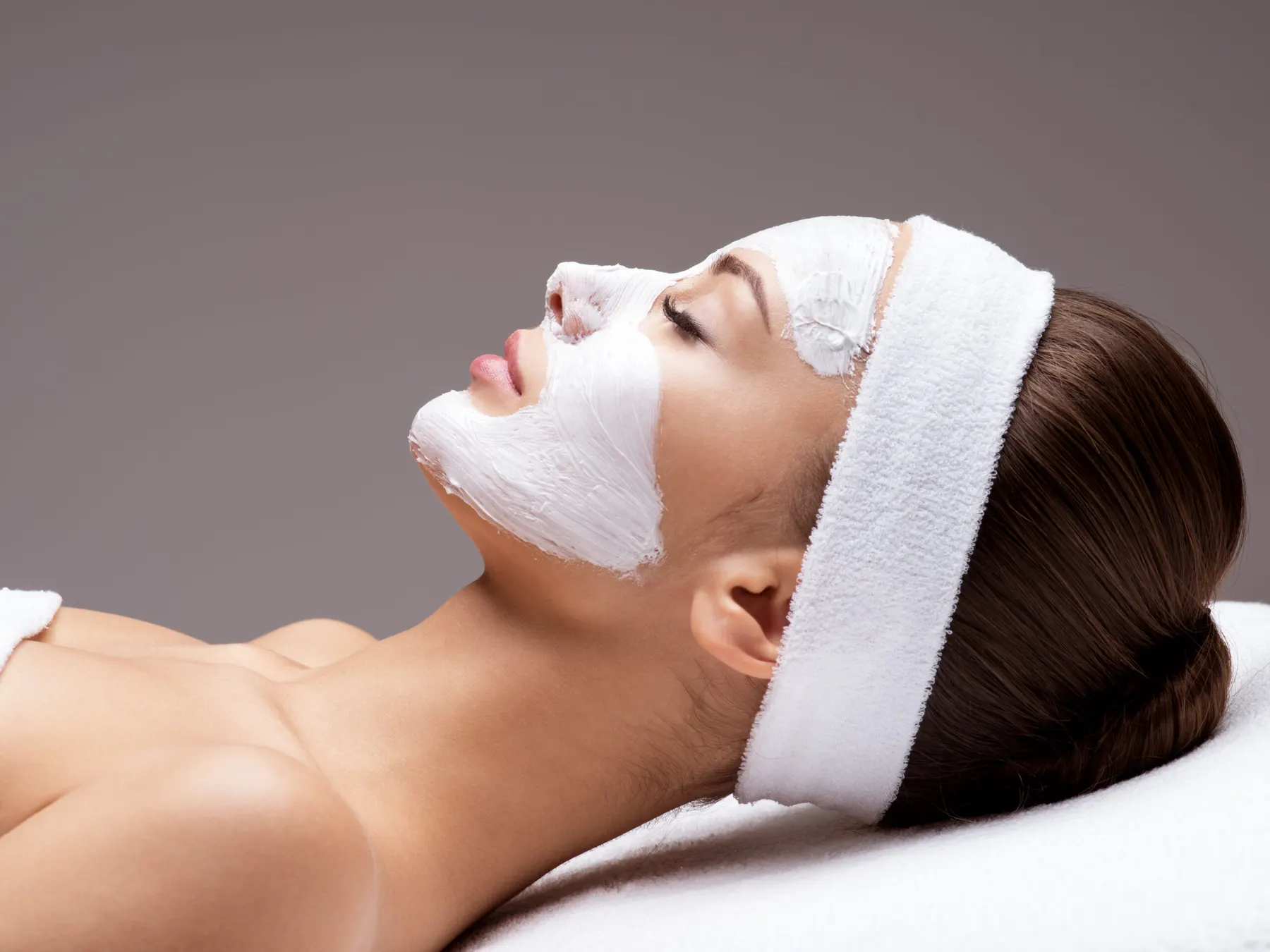
  BBL light therapyTreatment
  Medical-grade peelsTreatment
  PigmentationConcern Sun DamageConcern
  MelasmaConcern
  Unwanted HairConcern
 05 · Who performs these treatments
The people behind
the writing.
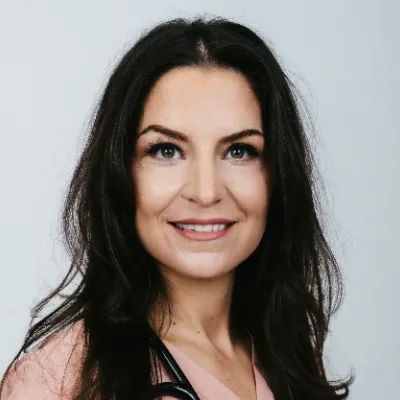
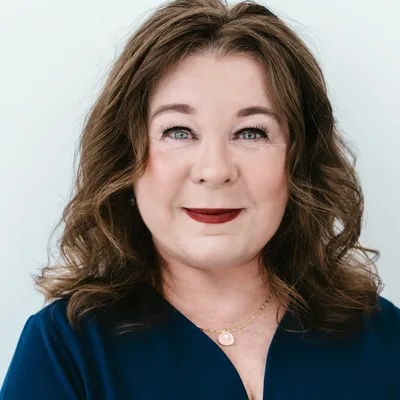
Nobody here injects without a nursing licence. The guides on this site are written by the same people who carry out the treatments they describe.





06 · Asked and answered
The questions
that follow.
Can I have laser treatment in the summer?
Some treatments, yes, if you are genuinely able to keep the area out of the sun and wear high protection consistently. Others are better postponed. The honest answer depends on the device, your skin tone and how realistic the sun avoidance is, which is a conversation rather than a rule.
How long before a holiday should I stop?
It depends on the treatment, and it is one of the first things we ask about at consultation. Tell us about any travel before a plan is made rather than after a course is booked, because it changes the sequence and sometimes the device.
Does a tan really matter if it is faded?
Yes. Recent sun exposure matters even when the visible tan has gone, because the pigment activity in the skin has not fully settled. This is why clinics ask about the last few weeks rather than about how you look on the day.
What about a self-tan?
It has to come off before a light-based treatment. The pigment sits on the surface and can absorb energy, which is a burn risk. Allow several days and exfoliate.
Is winter better for results, or only for safety?
Both, and they are related. Avoiding sun exposure after treatment protects the result as well as the skin, because post-inflammatory pigmentation is what most often spoils an otherwise good outcome.