
Moisturisers
Holding water in the skin, and protecting the barrier that keeps it there. The quiet step that makes the loud ones tolerable.
What a moisturiser is doing
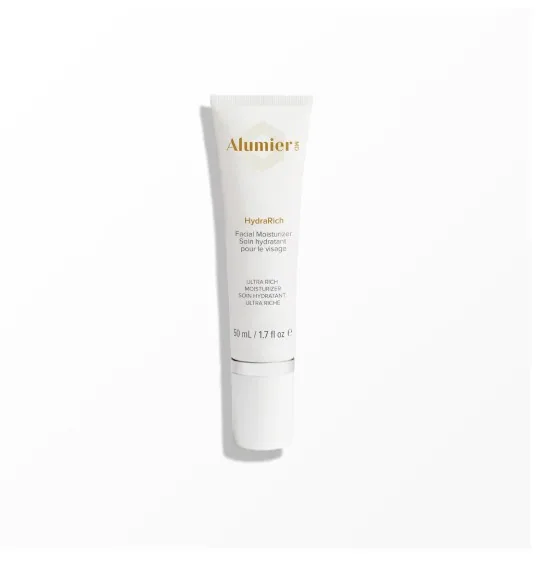
Two things at once. It puts water into the top of the skin, and it leaves behind something that slows the rate at which that water leaves again. Everything in the list below is some balance of those two jobs, which is why the range runs from HydraLight, described by its maker as weightless, through to HydraRich at the other end.
The barrier part matters more than it sounds. A routine built around retinol and acids asks a lot of the skin, and the moisturiser is what makes that routine survivable. People who abandon a good serum because their skin turned tight and flaky have usually under-moisturised rather than over-treated.
The moisturisers we stock
Light through to rich, plus two that are really treatments in a moisturiser format.
How to choose between the ones above
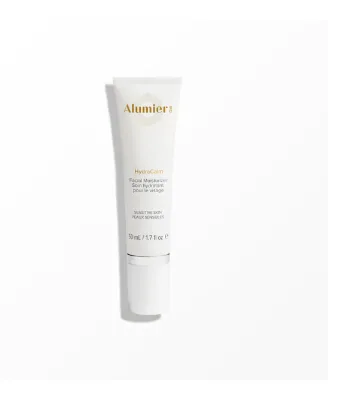
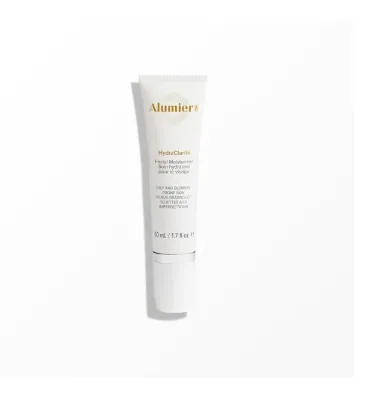
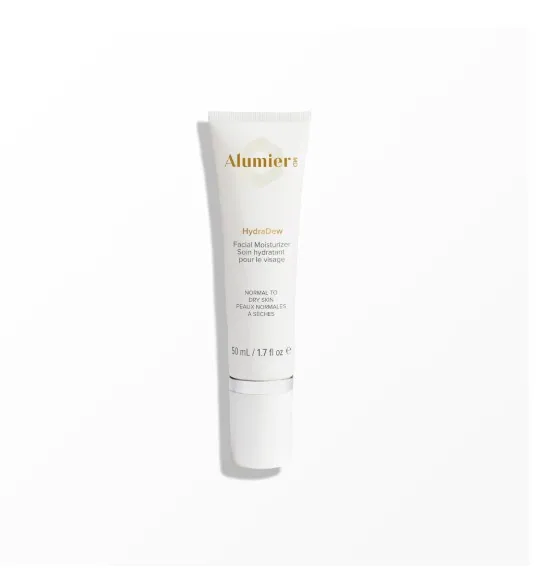
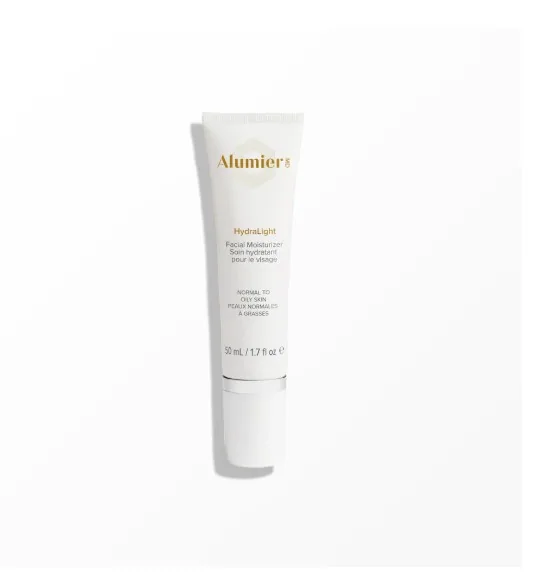
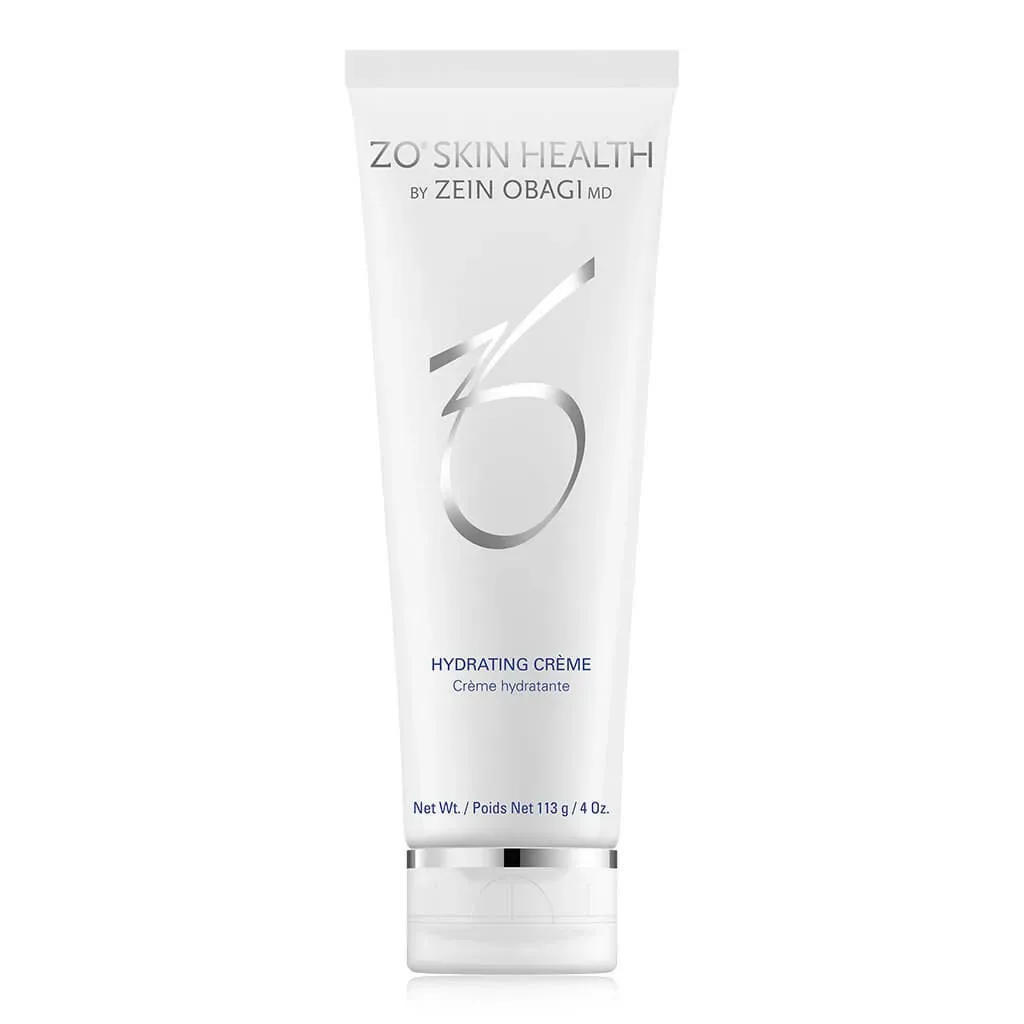
Match it to your skin, not to the season and not to the price. HydraLight is the lightweight option and HydraDew sits just above it. HydraRich is for skin that stays dry with either. HydraCalm is formulated for sensitive, redness-prone skin. HydraClarite is the one to look at if you are oily or blemish-prone, because it is non-comedogenic and finishes matte rather than dewy. The ZO Hydrating Creme is the straightforward all-rounder.
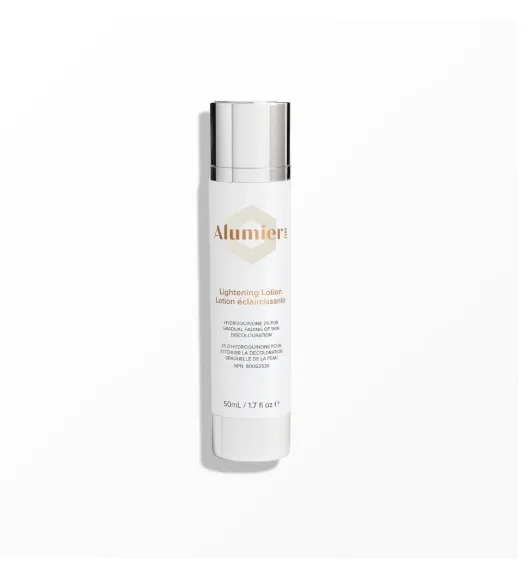
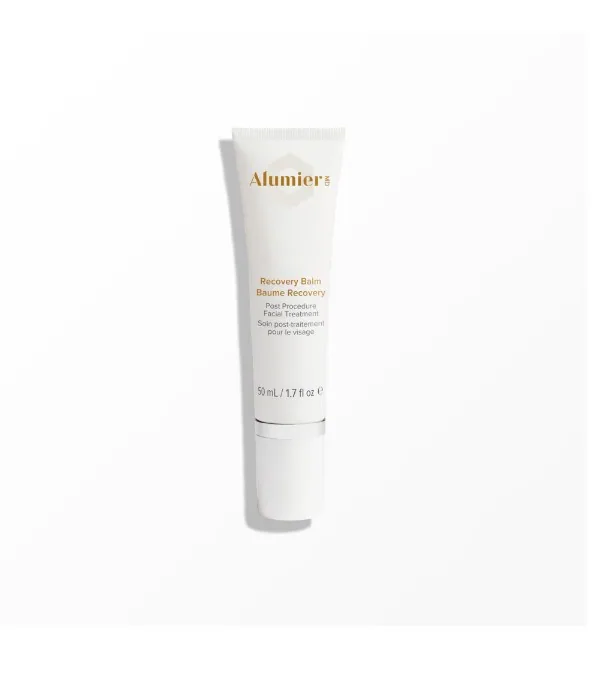
Two things in this category are not daily moisturisers at all. Lightening Lotion carries 2% hydroquinone and is a pigmentation treatment that happens to be delivered in a lotion. Recovery Balm is made for post-procedure skin. Neither is something to pick up because you liked the texture.
Where it sits in a routine
Third. Cleanse, treat, hydrate, and then protect in the morning. AlumierMD numbers its collections in exactly that order and its moisturiser is always Step 3. At night the moisturiser is usually the last thing on.
The mistake people make with it
Asking it to do a job that belongs to another step. A moisturiser will make dehydrated skin look and feel better, and it will not treat lines, tone or laxity. If that is the goal, the moisturiser is the support act and something else is the treatment.
The one we correct most often is around the eyes. Heavy occlusive creams and balms applied there are a common and easily fixed contributor to milia, which is why the eye and lip formulas are built differently from face creams, and why we would rather you used one of those than took your face moisturiser up to the lash line.
Ask us before you start, if
You are looking at a hydroquinone product. That is a clinical decision about your pigmentation and about how long you stay on it, not a shelf choice.
You are recovering from a treatment. CO2 resurfacing, Morpheus8 and peels all come with written aftercare that names what to apply and when. Follow that first, and ask us before you substitute anything into it.